


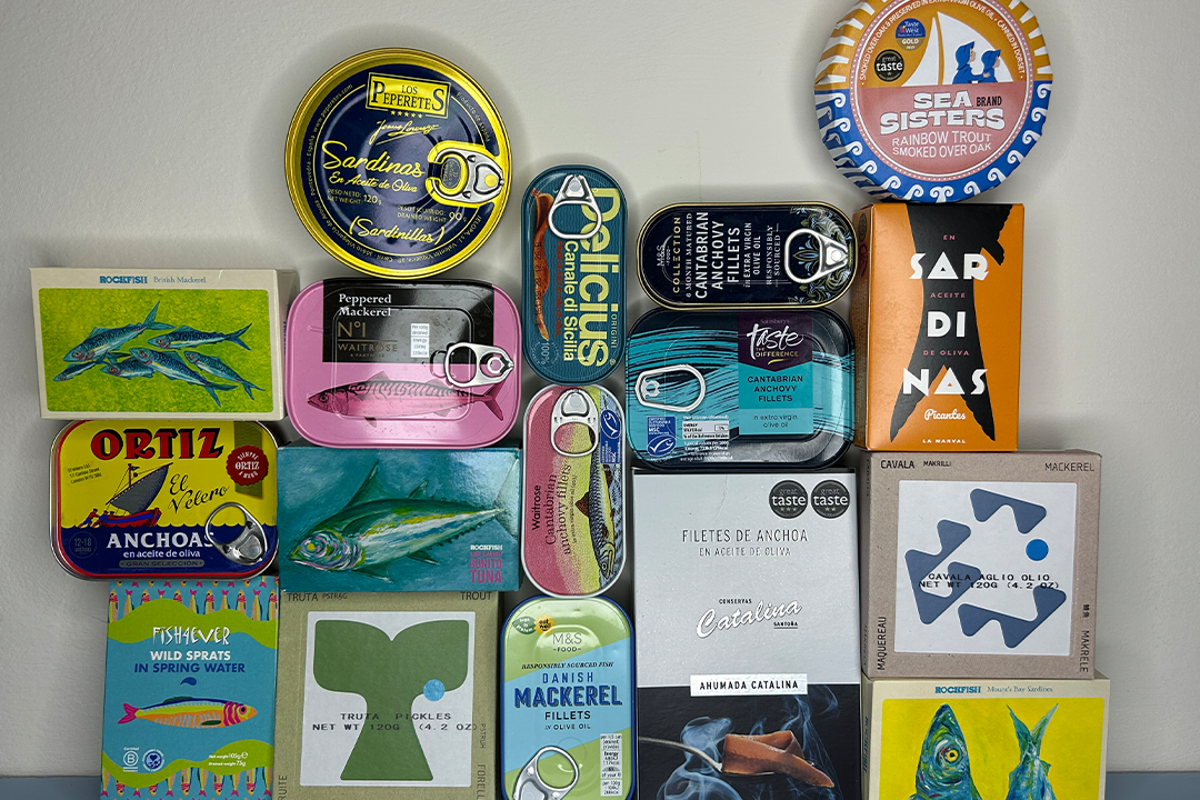
The government, we were told this week, would quote like you to buy some tins. Britons are set to be encouraged to keep bottled water and non-perishable food at home under a new national resilience campaign designed to prepare households for disruption caused by everything from extreme weather to cyber attacks.
It’s an invitation to consider a question most of us haven’t thought about since the pandemic: if the shops shut, the lights went out and the tap stopped running, what exactly would you eat?
Current government guidance recommends keeping bottled water and food that will not perish or need cooking – such as ready-to-eat tinned meat, fruit and vegetables – but does not prescribe a set number of days to prepare for.
“For three days, I wouldn’t worry about making the diet perfect,” says Bahee Van de Bor, a paediatric dietitian and member of the British Dietetic Association. “I’d focus on having enough food and fluid, and then making sure you have a mix of carbohydrate foods, protein, fruit or vegetables and some fats.
“The key is choosing foods your family already eats and that are genuinely practical if you can’t cook.”
Stretch that principle across a week or a fortnight and the same rules apply. So what’s actually worth stockpiling – and what isn’t?
The healthiest foods to stockpile
Dr Sammie Gill, senior nutrition scientist at the British Nutrition Foundation, says the aim should be “a balance of complex carbohydrates, proteins, healthier or unsaturated fats, and fruits and vegetables”.
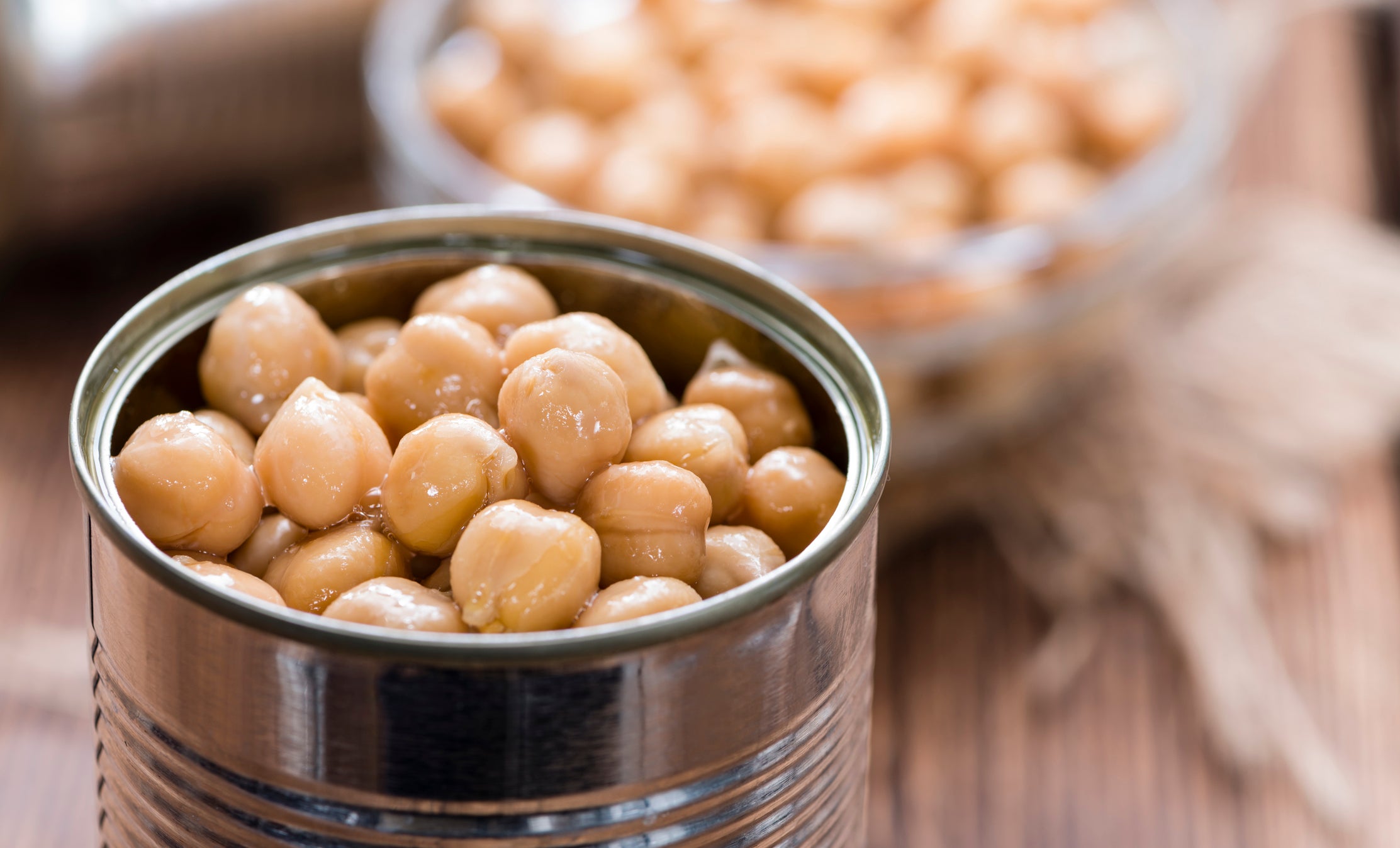
In practice, the obvious place to start is pulses. Chickpeas, lentils, butter beans, kidney beans and baked beans all provide carbohydrate, protein and fibre, need no refrigeration before opening and can be eaten cold.
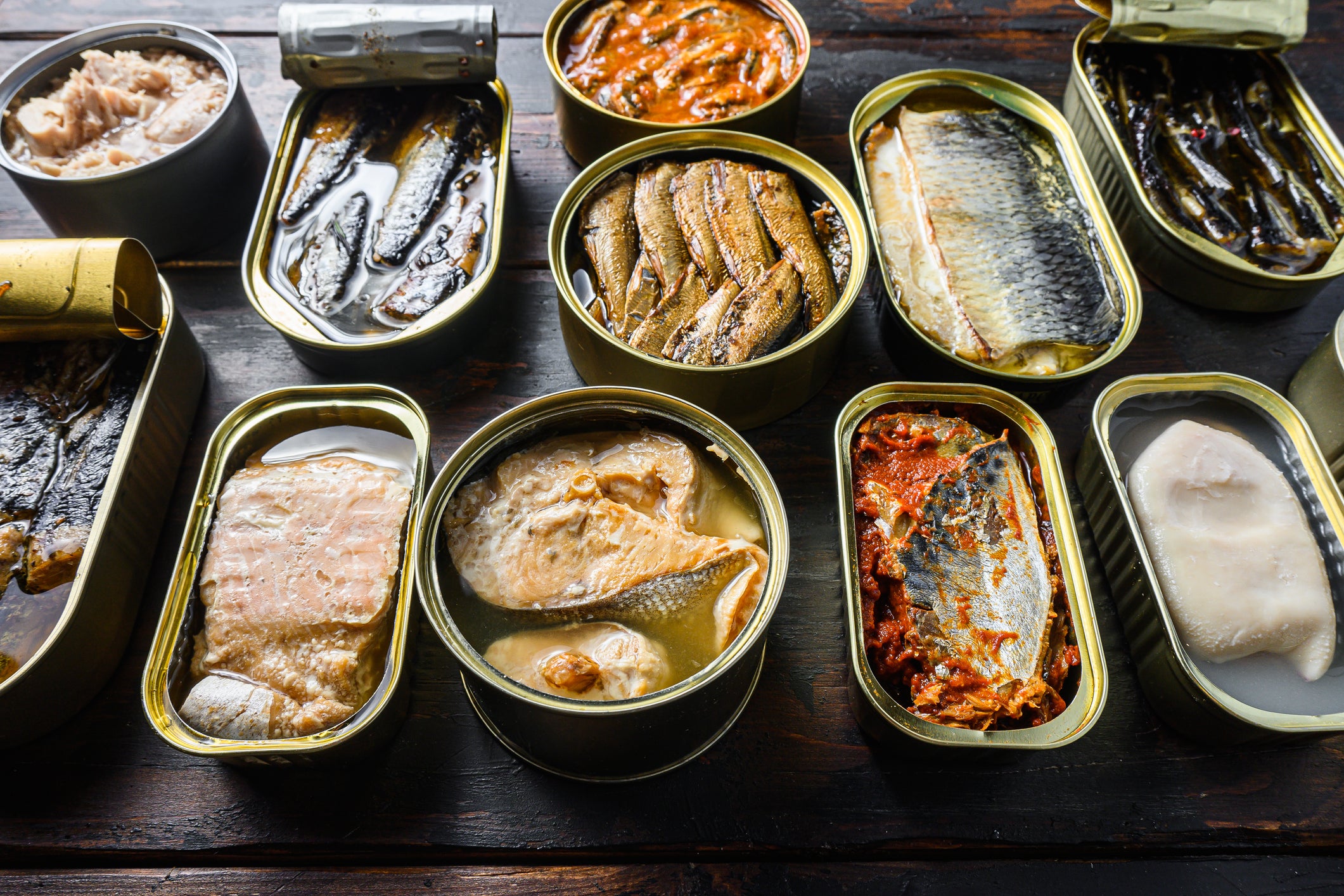
Tinned fish does another job. Tuna supplies protein while sardines, mackerel and salmon also add unsaturated fats, including omega-3.
 open image in gallery
For anyone wondering where ultra-processed food fits into all this, food does not become nutritionally worthless simply because someone puts it in a can. “Tinned foods are absolutely fine and I think they get an unfairly bad reputation,” says Van de Bor. “Tinned fish, beans, lentils, tomatoes, vegetables and fruit can all be really useful staples and still contribute to a healthy diet.”
Gill says the nutritional gulf between fresh and tinned food is often smaller than people assume. “Generally, there is little difference nutritionally between canned and fresh food in terms of macronutrients, like carbohydrates, protein, fats and fibre, as well as fat-soluble vitamins like vitamins A and E, and minerals, although nutrient levels can vary depending on the food, processing methods and storage conditions.”
She recommends choosing tinned foods packed in water rather than brine or syrup where possible, to avoid unnecessarily loading up on salt or sugar.
“When choosing things like tinned soup, fish, beans and vegetables, compare the salt or sodium content between brands and choose the lower option where it makes sense,” adds Van de Bor.
Carbohydrates need a little more thought. Rice and pasta keep for a long time in the cupboard, but are less useful if the electricity and gas are off and the water is limited. They are still worth keeping if cooking remains possible, but should not be the foundation of a power-cut plan.
 open image in gallery
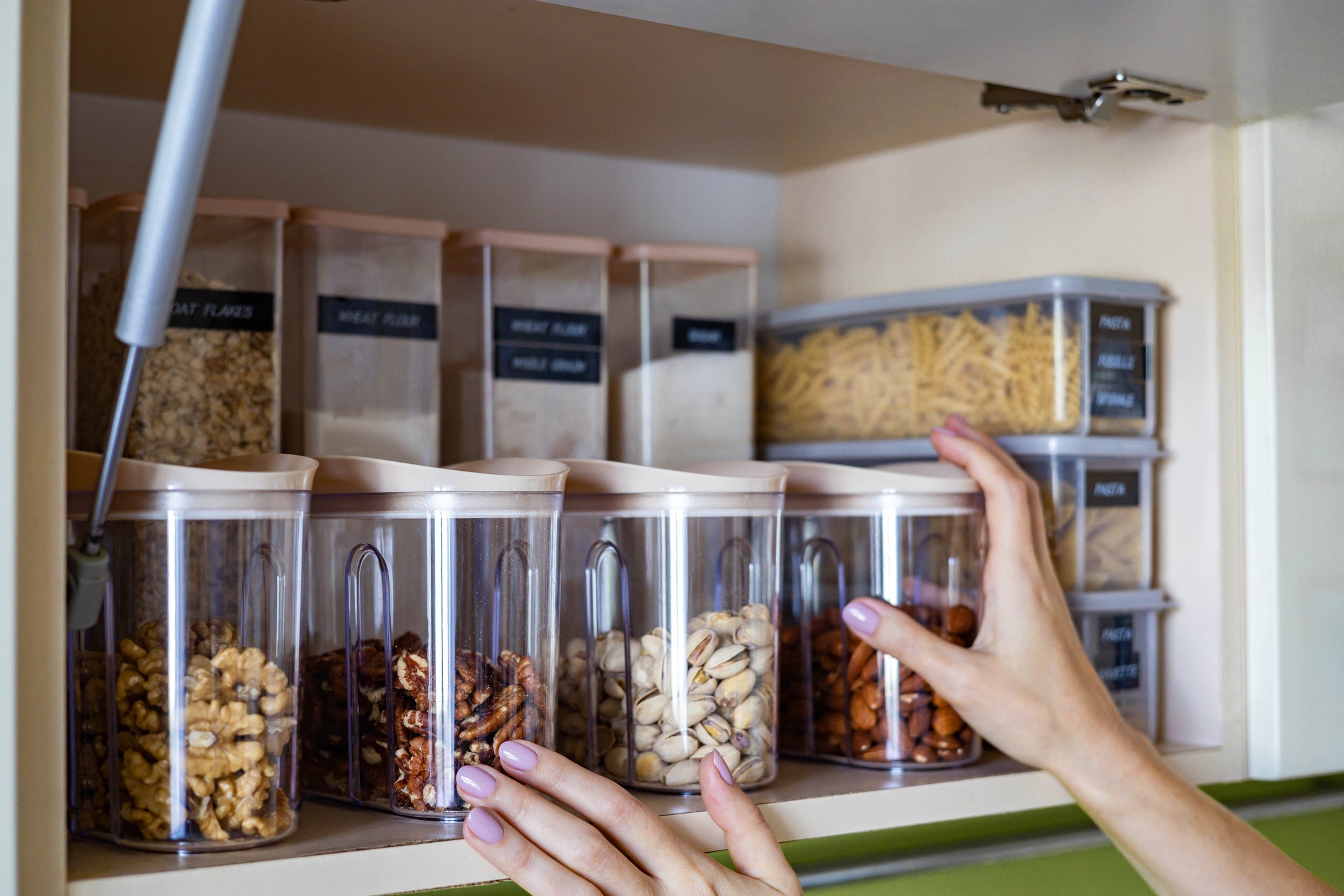
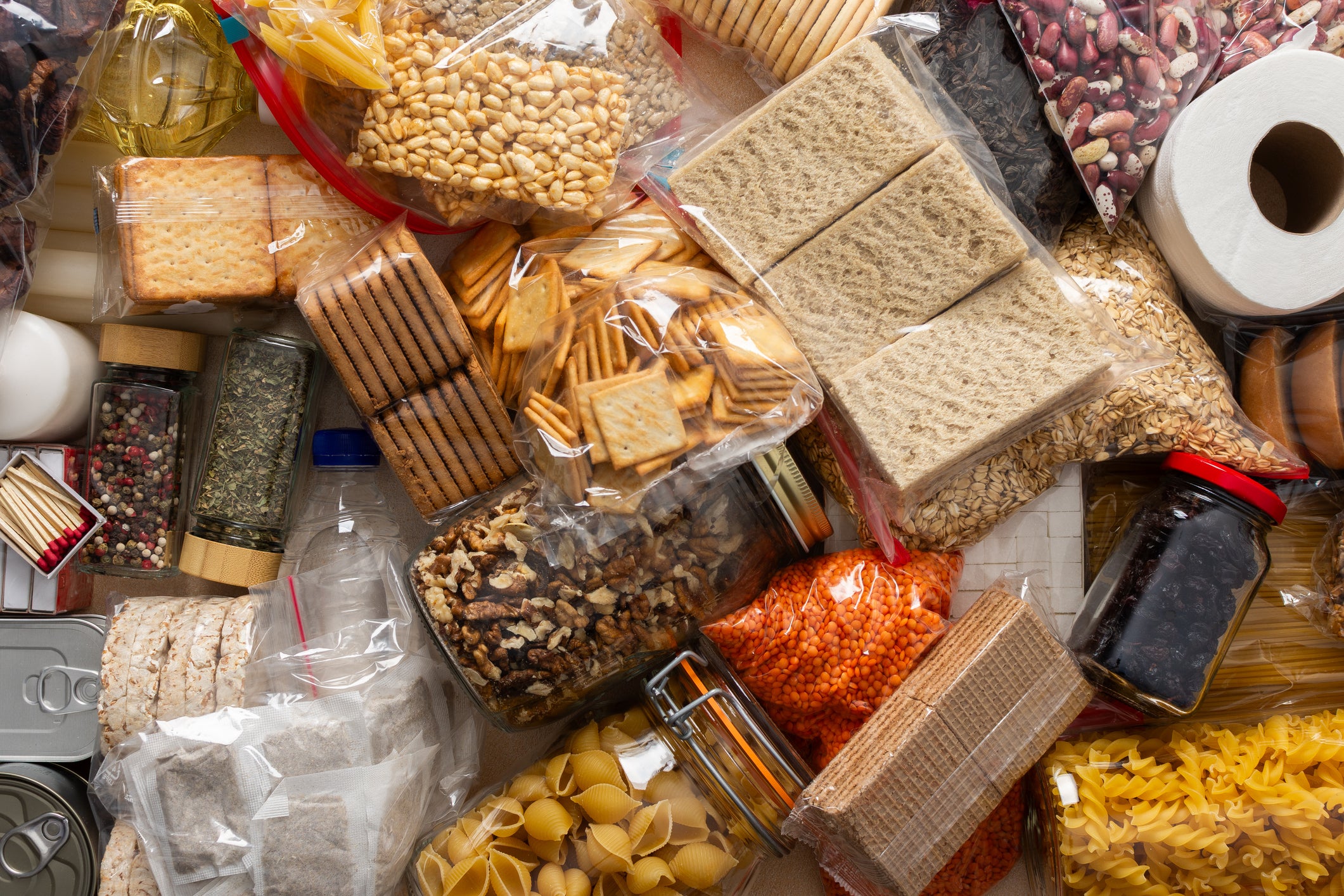
Wholegrain crackers, oatcakes and crispbreads are more useful in the worst-case scenario. Oats can be soaked rather than cooked, while high-fibre breakfast cereal requires no preparation at all.
“Powdered milk (made up with water) is a good option,” Gill says. “UHT milk can be kept for months unopened. Soaked oats in UHT milk is another option.”
Peanut butter also earns its place. It keeps, requires no preparation and provides protein, fat and plenty of energy in a small amount. Unsalted nuts perform a similar role, while dried fruit adds something sweet and long-lasting.
If an emergency stretches into a second week, the cupboard also needs food you will still want to eat on day 12. Oil, sauces, mustard, herbs and spices – all of which can be stored for long periods – can make repeated meals considerably more appealing. Tea, coffee and a few favourite snacks are worth including for variety and morale.
 open image in gallery
What if you can’t cook?
This is where a conventional kitchen cupboard and an emergency stockpile part company.
“You can still put together reasonably balanced meals without cooking,” Van de Bor says. “For example, tinned chickpeas with sweetcorn, tomatoes and tuna; oatcakes with nut butter and fruit; or beans with crackers and tinned vegetables.
Rice, pasta, dried beans and lentils are still useful if the power stays on or you have another safe way to cook – such as a camping stove, ideal for both festivals and apocalypses – but anything that needs boiling also consumes water you may be trying to conserve.
 open image in gallery
If the power does stay on, frozen food can play a supporting role. “I’d also keep frozen vegetables at home as part of normal emergency planning,” Van de Bor says. “They are nutritious, usually good value and reduce food waste. Fresh soup can be frozen and bread freezes very well too. I just wouldn’t rely entirely on the freezer because if the emergency involves a prolonged power cut, those foods obviously become less useful.”
The practical test is simple: could you open it and eat it safely with no hob, microwave or fridge? If the answer is yes, it belongs in the stockpile.
How much water do you really need?
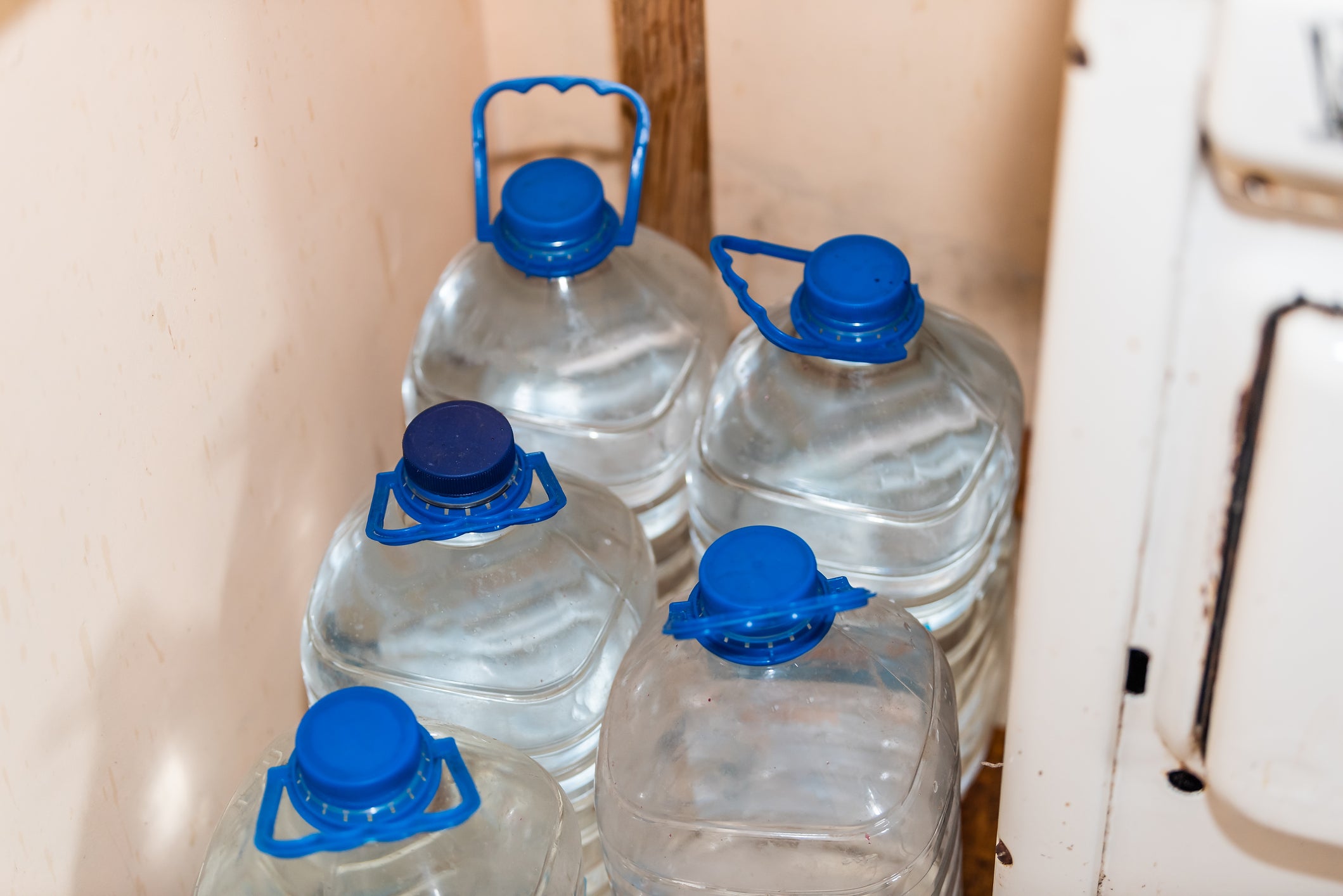
Water is the harder part. Government guidance recommends a minimum of 2.5 to three litres of drinking water per person per day for survival. Over a fortnight, that works out at 35 to 42 litres for every person in the house. At three litres a day, a family of four would need 168 litres – 112 large 1.5-litre bottles – before considering much water for anything beyond drinking.
The government also says 10 litres per person per day provides greater comfort by allowing for basic cooking and hygiene as well. For a fortnight, that would be 140 litres per person. Babies, some medical devices and pets can push the requirement higher still.
Most British homes are nowhere near close to being that prepared. A Cabinet Office survey of more than 10,000 UK adults found that 60 per cent said they had enough non-perishable, no-cook food for about three days. But just 4 per cent of respondents had enough bottled water to last their household three days or more; 82 per cent had less than a day’s worth.
 open image in gallery
There are obvious barriers, such as lack of money, while a quarter worried about buying products that would eventually go out of date and be thrown away. Another 18 per cent lacked the storage space.
How long will food and water last?
The sensible thing to do is not to create an untouched bunker of beans. Buy foods you already use, keep a little more of them in the house and replace each item as it is eaten.
“And if you have children, keep foods they actually like,” says Van de Bor. “An emergency is not the time to suddenly introduce a cupboard full of foods they normally refuse.”
How long the stockpile lasts depends on the product. The Food Standards Agency distinguishes between a use-by date, which concerns safety, and a best-before date, which concerns quality. Many shelf-stable foods carry the latter, so dates should be checked alongside the manufacturer’s storage instructions.
The FSA also advises against eating food from tins that are damaged.
Meanwhile, bottled water can be stored for a long time – typically up to two years according to official guidance, provided it’s kept somewhere cool, away from direct sunlight, dust, fumes and chemicals and rotated according to their best-before dates.
Current government guidance recommends buying sealed bottled water for emergency storage rather than filling your own containers from the tap because the sealed, food-grade packaging offers longer-lasting safety and quality.
An emergency food stockpile need not resemble a military ration. Pulses, fish, vegetables, fruit, oats, crackers, nuts, nut butters and long-life milk cover a surprising amount of nutritional ground, supplemented by foods you actually enjoy eating.
Perhaps the most useful advice? Don’t forget the tin opener.