


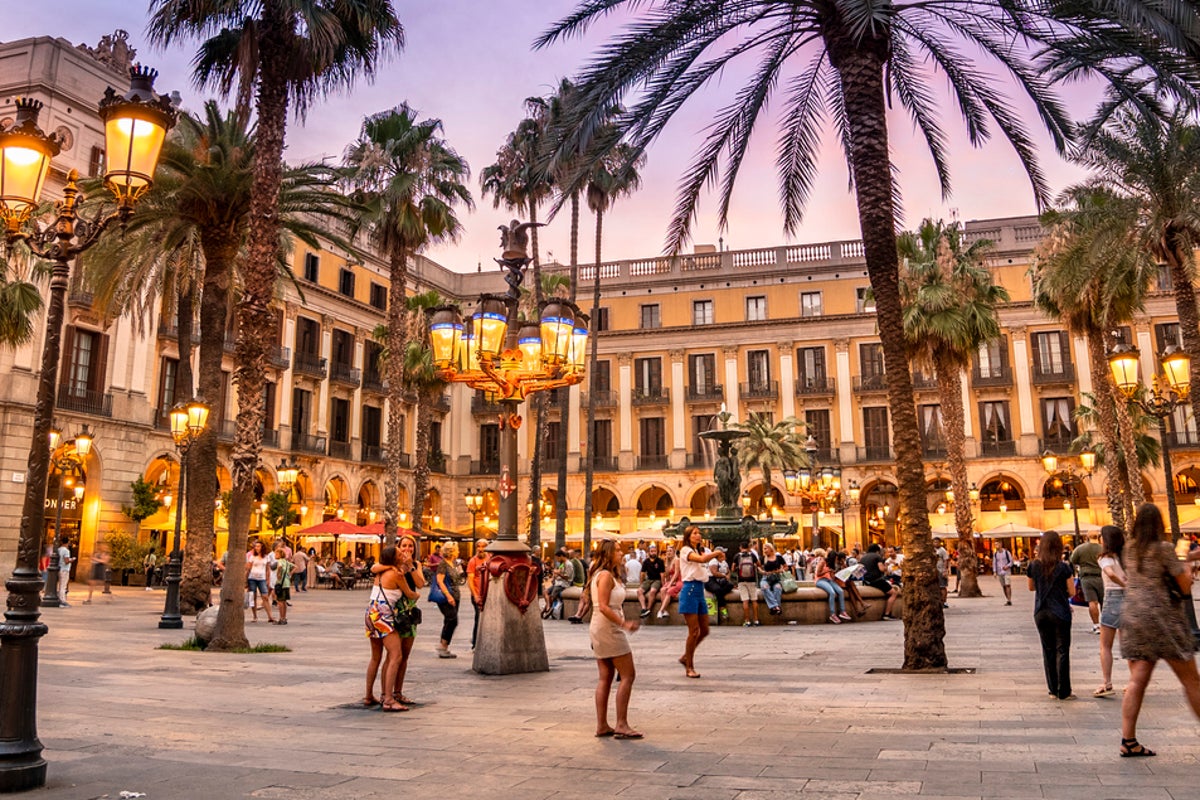
Historic architecture, famous local artists, a great food and wine scene, beautiful views and resplendent sands. Barcelona has been touted as the perfect tourist city for decades. A city break with a beach – what could be more enticing?
Unfortunately, tourism has outgrown the city, making life more expensive for the people who live and work there. Some 26 million people visited Barcelona last year according to the tourist board. When protests spring up in response, the headlines back in the UK can be confusing. What are they protesting? Who are they angry at? If you ask anyone on the ground, they will tell you the same thing. Nobody hates the tourists. They’re just tired of their unique city being treated like a theme park.
As a responsible traveller, there are ways to make sure your visit to Barcelona is supportive and sympathetic to the city and its people. For years I have avoided visiting the region, afraid that I’d be adding to the problem. The truth is, tourism is still the number one industry in this area and the city encourages it, with huge events like Primavera Sound and Brunch Elektronik Festival bringing more each year.
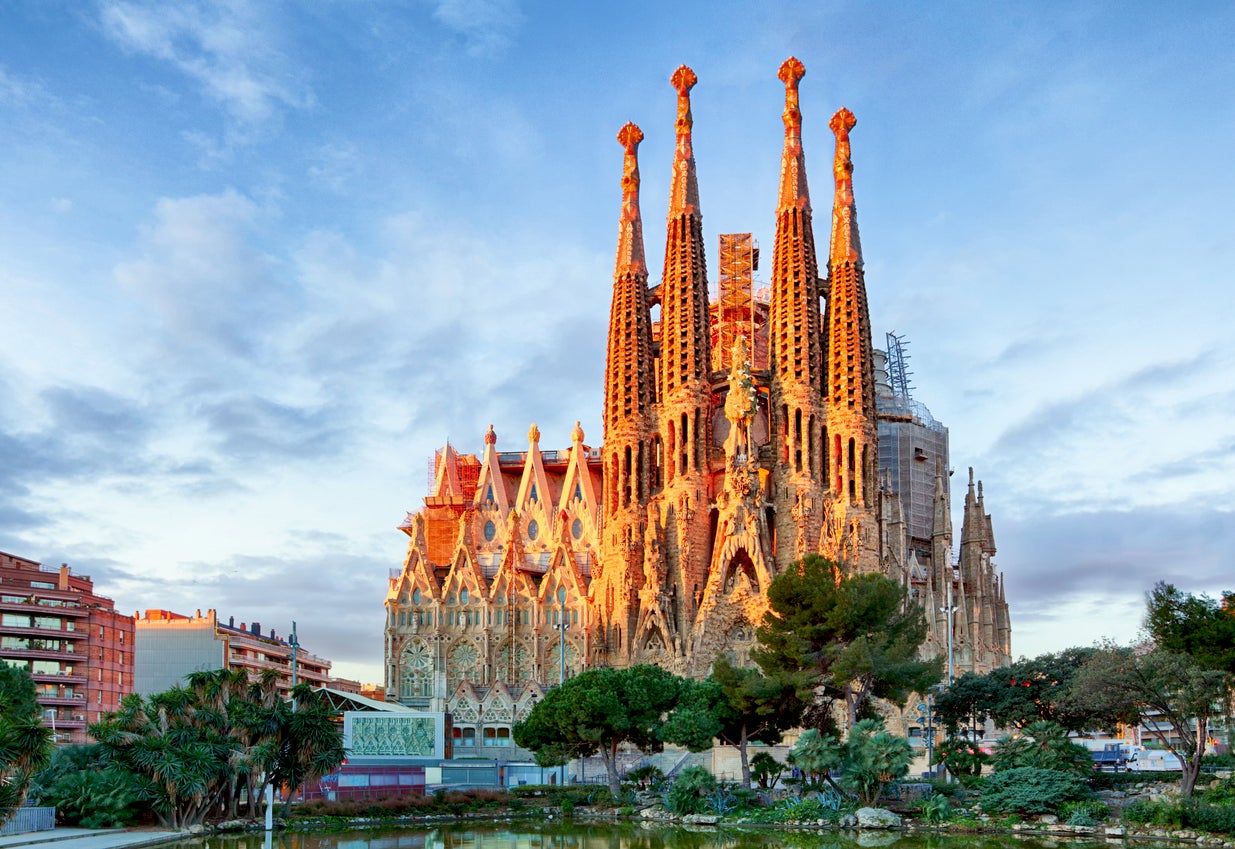
What brought me back to this beautiful city? The Tour de France. The Grand Départ 2026 was placed in Barcelona and I headed to watch my favourite riders speed past the Sagrada Familia in a once-in-a-lifetime culmination of all my favourite things. To settle my conscience, I made sure the trip was as sensitive as possible. Hopefully my presence was a net positive rather than a municipal burden—and here’s how you can make efforts to do the same.
 open image in gallery
Use public transport
It works, it’s cheap, it even has air conditioning. Don’t clog up the roads with an Uber or menace pedestrians with an electric scooter for short journeys when it would take you less time to grab the Metro. Just remember to take your backpack off so you don’t whack any commuters on your way off the train. Another plus – all the money spent on public transport tickets gets put back into the system to keep it moving.
Buy your snacks from smaller shops and markets
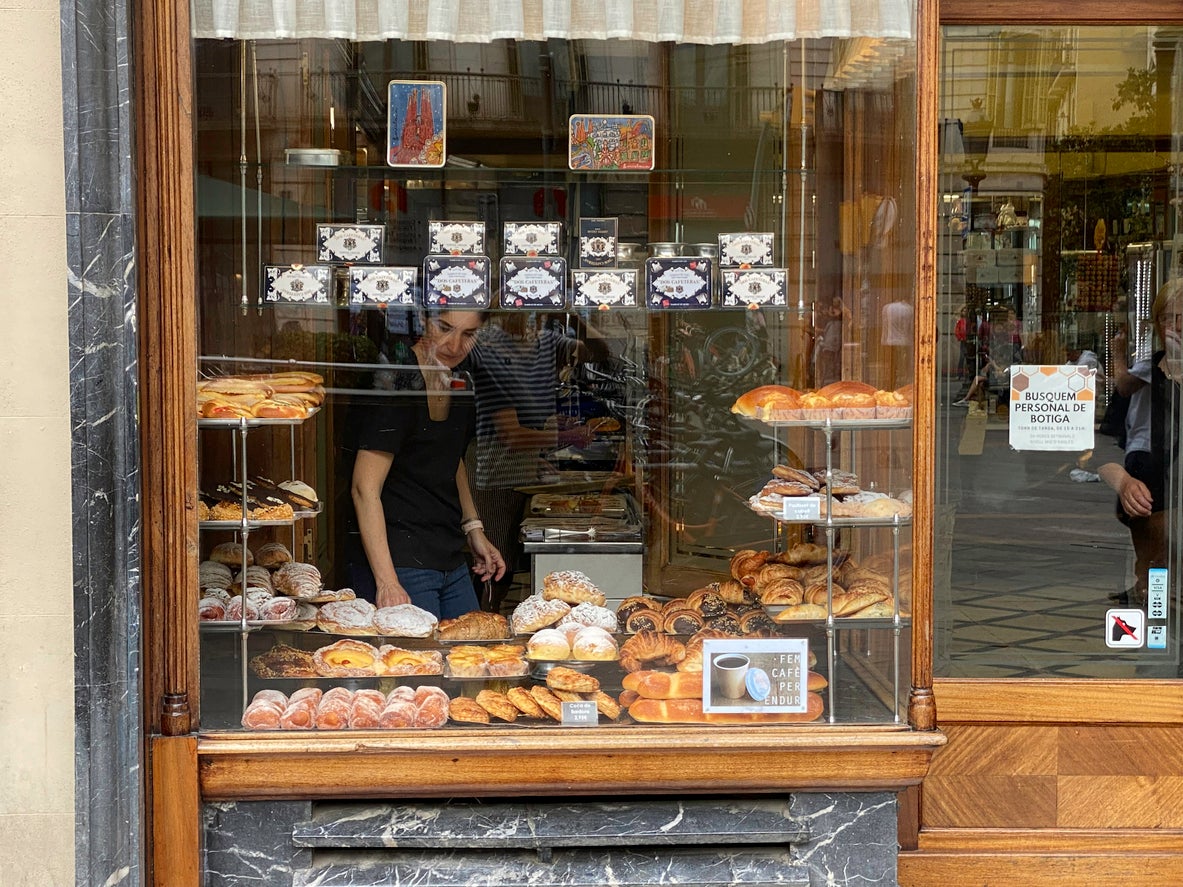
Where possible, get your cans of Aquarius and bags of crisps from little corner shops. You’re supporting locals directly this way, who then support their local businesses, and on it goes. It’s usually the same price or cheaper than a chain supermarket. Top tip – one litre bottles of water are usually half the price of 500ml bottles. Barcelona’s markets are world-class and if there’s anywhere you should be getting your picky bits, it’s here.
Stay in accommodation that is officially regulated
Barcelona has had serious issues with short-term rentals taking up available housing. There are now some of the strictest regulations in the world in place to try and curb the issue. By 2028, new acquisitions of registered short-term rentals, or properties with Habitatge d’Ús Turístic (HUT) licenses, will be completely phased out. Support the local economy by booking an independent hotel or accommodation that’s completely regulated.
I stayed at Libere Barcelona, which was a convenient base for walking around the Eixample neighbourhood and has the BREEAM certification (Building Research Establishment Environmental Assessment Method) which takes into account water conservation and sustainable building. This proved especially important when your apartment is in an architecturally protected building from 1900 and it’s the middle of an historic heatwave.
 open image in gallery
Choose independent bars and restaurants
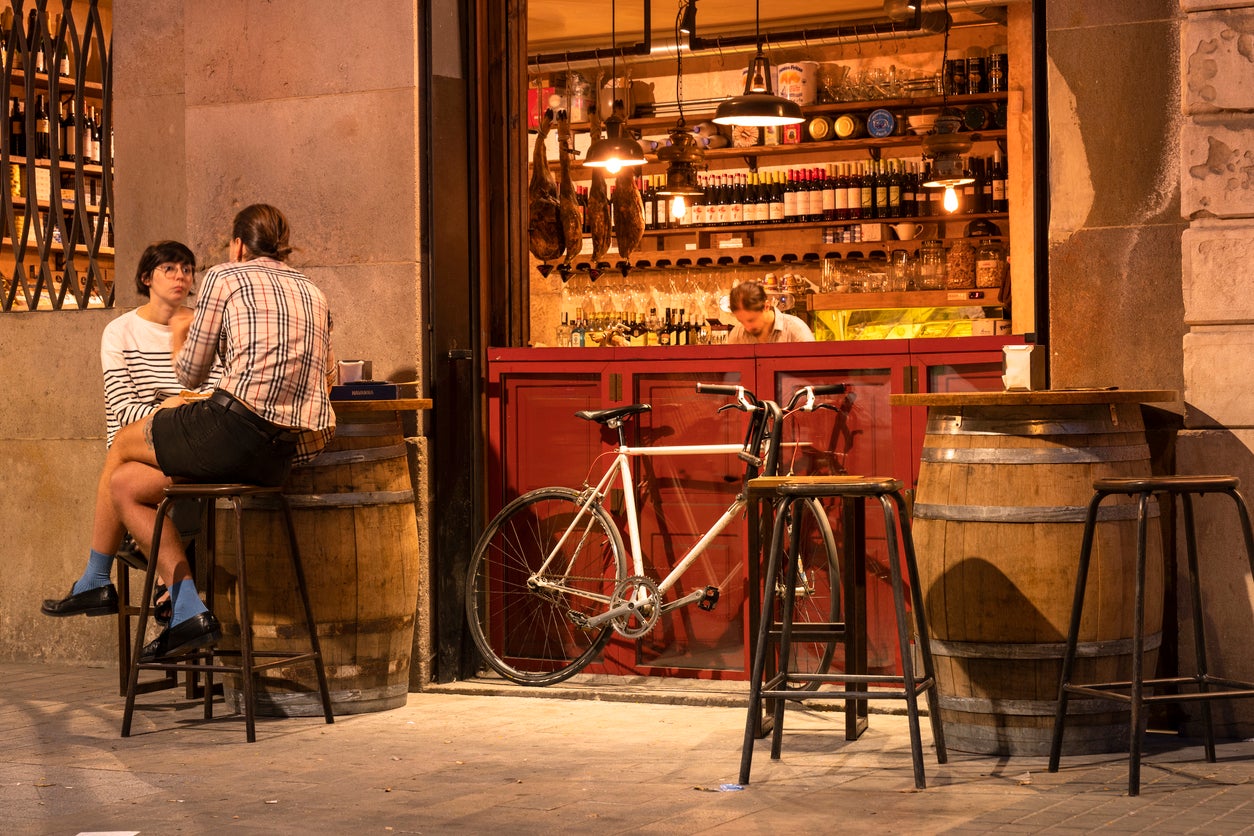
Some of the most delicious food I’ve eaten in Barcelona has been inspired by the flavours of Peru, Ecuador, Colombia and Argentina. To eat well in Barcelona is to be open to going where your instincts take you. You can get ham and cheese tapas anywhere, and it’ll be delicious, but it’s not actually traditional, local cuisine. What about a buttifara or a bowl of Catalan cap i pota stew? For traditional Catalan cuisine, you can’t beat Can Culleretes in the Gothic Quarter. Known as the oldest restaurant in Barcelona, it dates back to the 1700s, and serves true local classics and delicious regional wines.
Learn some Catalan
Barcelona is fiercely proud of its Catalan heritage, and while Spanish (known as “Castilliana” here) is spoken and understood, speaking Catalan shows you really care about where you’ve travelled to. Try “bon dia” or “bona tarde” instead of “hola” and “si us plau” instead of “por favor”.
 open image in gallery
Read more: How I planned a seamless single parent holiday with a baby and a nine-year-old
Respect the place you’re in
One thing that really irritates Barcelonins is people walking around with their tops off. The city is not a holiday resort and it’s packed with churches and shrines, so keep your shirt on out of respect. Another way to respect the city is to throw away all your rubbish properly, because Spain loves to recycle. Being polite is so simple but so appreciated here, as is tipping, so remember to add one on to your bill if you’re tapping your card.
Barcelona is an infinitely photogenic place, but don’t just stop in your tracks to set up a shot, because these are streets full of people. And don’t take photos of the homeless people who call Barcelona their home—your “street photography” is exploitation unless you asked for their permission and paid them for their time. The main thing is to remember that people live here and you’re visiting their home.
Talk to people
Chatting to the doorman at your hotel or the cocktail mixologist at the bar will teach you more about Barcelona and Catalan culture than anything I can tell you here. Part of the issue in Barcelona is a feeling of separation from the millions of people who fill the streets. Reach out and chat while you’re having a beer or visiting a gallery. It’s a beautiful way to realise that this – not the photos, not even the food – is actually what travel is about.
How to do it
Direct flights to Barcelona fly from all major UK airports, with flights from Vueling starting from around £63 return per person from London Gatwick during low season.
From Barcelona airport, take the L9 metro line into the centre of town. It leaves every seven minutes and takes around 35-40 minutes; tickets cost around €5.80 (£5). Alternatively, shuttle buses and taxis are readily available at the airport.
Where to stay
Libere Barcelona apartments is perfectly situated for walking to the Sant Antoni market, or catching the metro into the centre of town. Each apartment has a kitchen and a washing machine, plenty of room to relax and good air conditioning. Apartments start at around £230 per night.
Katie was a guest of Libere Barcelona