


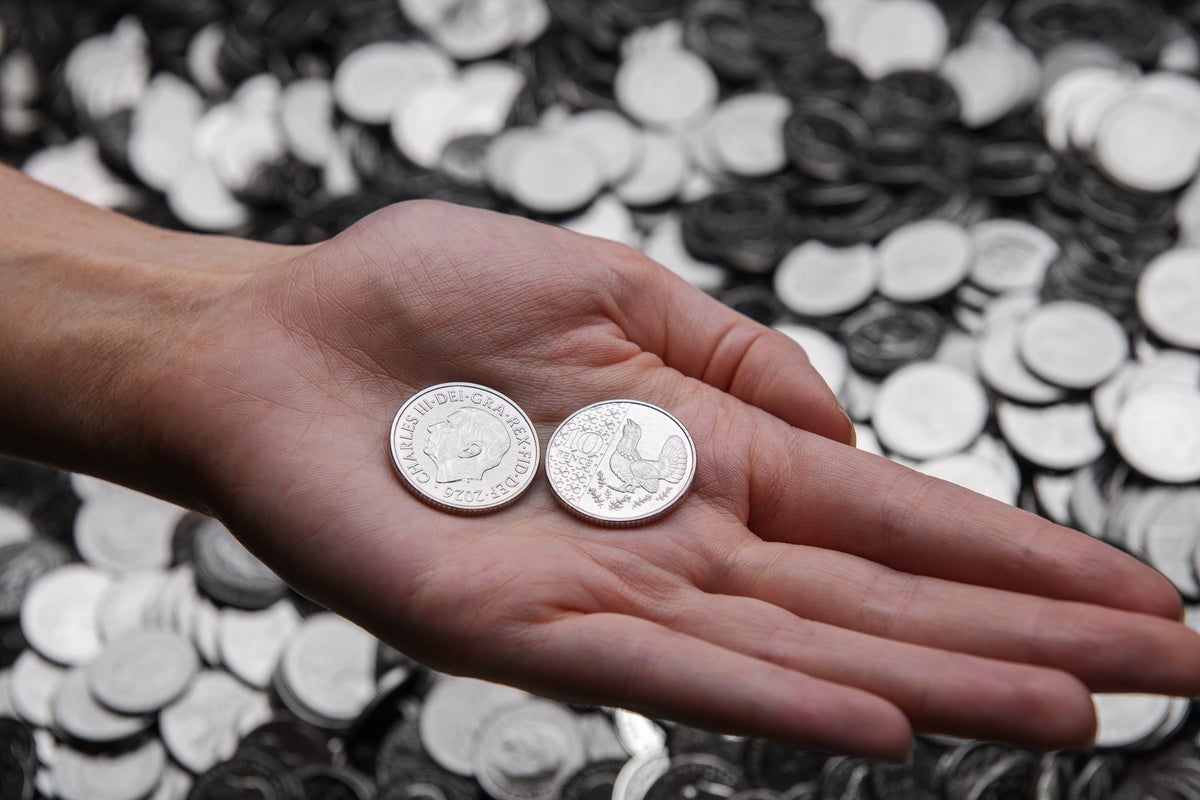
Newly minted 10p coins will be entering circulation for the first time with the King’s portrait on one side – and the world’s largest grouse on the other.
The Royal Mint said 600,000 2023-dated and 6.5 million 2026-dated 10p coins featuring Charles are entering circulation across the UK from Tuesday, due to increased demand for the denomination.
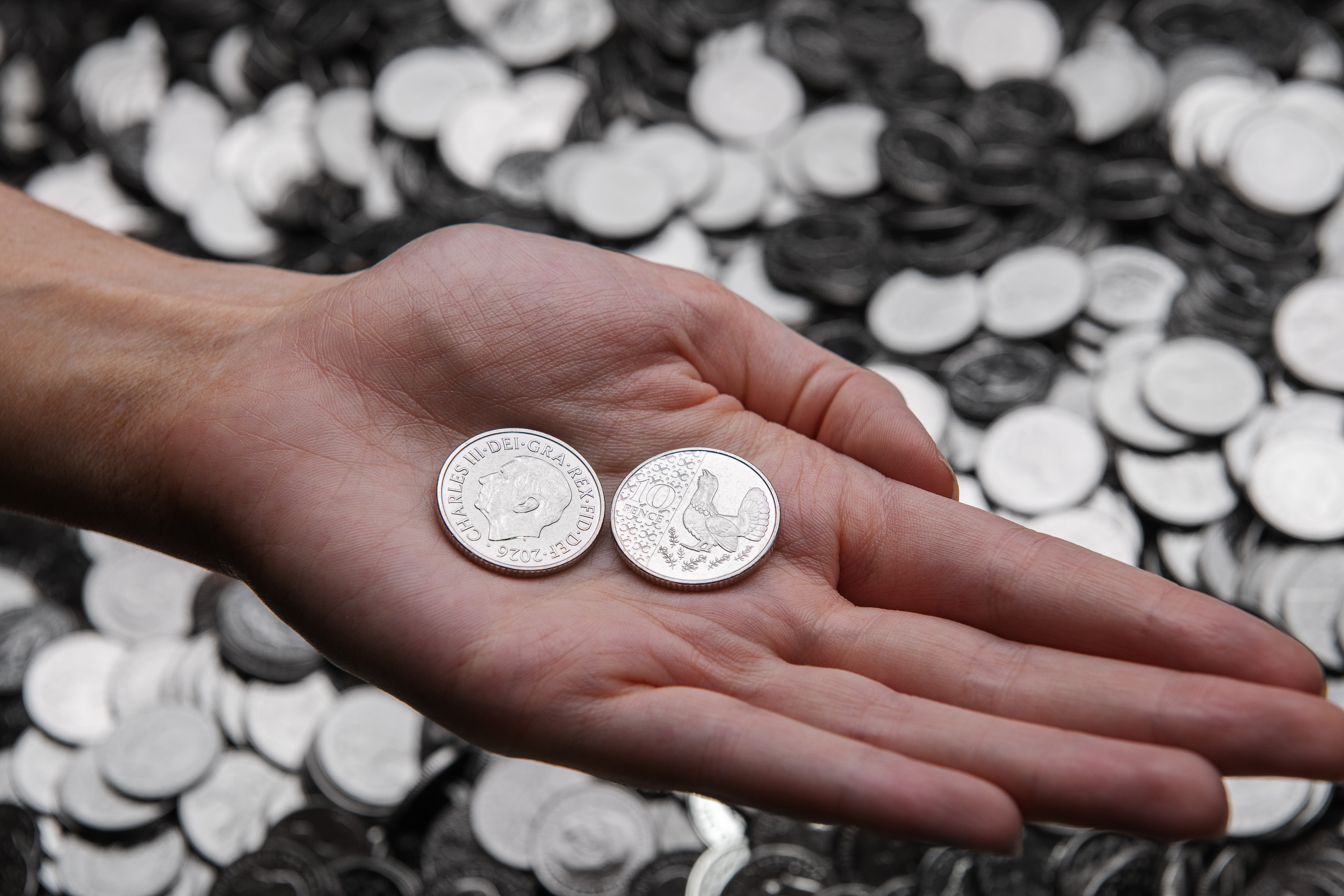
It said this is the first time 10p coins bearing the King’s portrait will enter circulation, with the reverse featuring an image of the capercaillie, a grouse found in a small part of Scotland and threatened with extinction.
 open image in gallery
The redesigned suite of coins celebrating the King’s love of nature was first revealed in October 2023 by the Royal Mint, with the tail-side featuring some form of the country’s flora and fauna, from bees to an oak tree leaf.
Rebecca Morgan, director at the Royal Mint, said: “This is a landmark moment for the nation’s coinage, as people begin finding the very first 10p coins bearing the King’s portrait in their change.”
 open image in gallery
She said of the capercaillie bird appearing on coins: “We hope that by putting this extraordinary bird into millions of pockets and purses, we can spark a nationwide conversation about a species at real risk of vanishing from Britain forever.”
UK coins bearing the portrait of Queen Elizabeth II remain legal tender and in active circulation, with the aim of ensuring a smooth transition with minimal environmental impact and cost.
 open image in gallery
With Charles coins representing just one per cent of the 24.142 billion coins in circulation across the UK, the new 10p coins will be highly sought after, the Mint said.
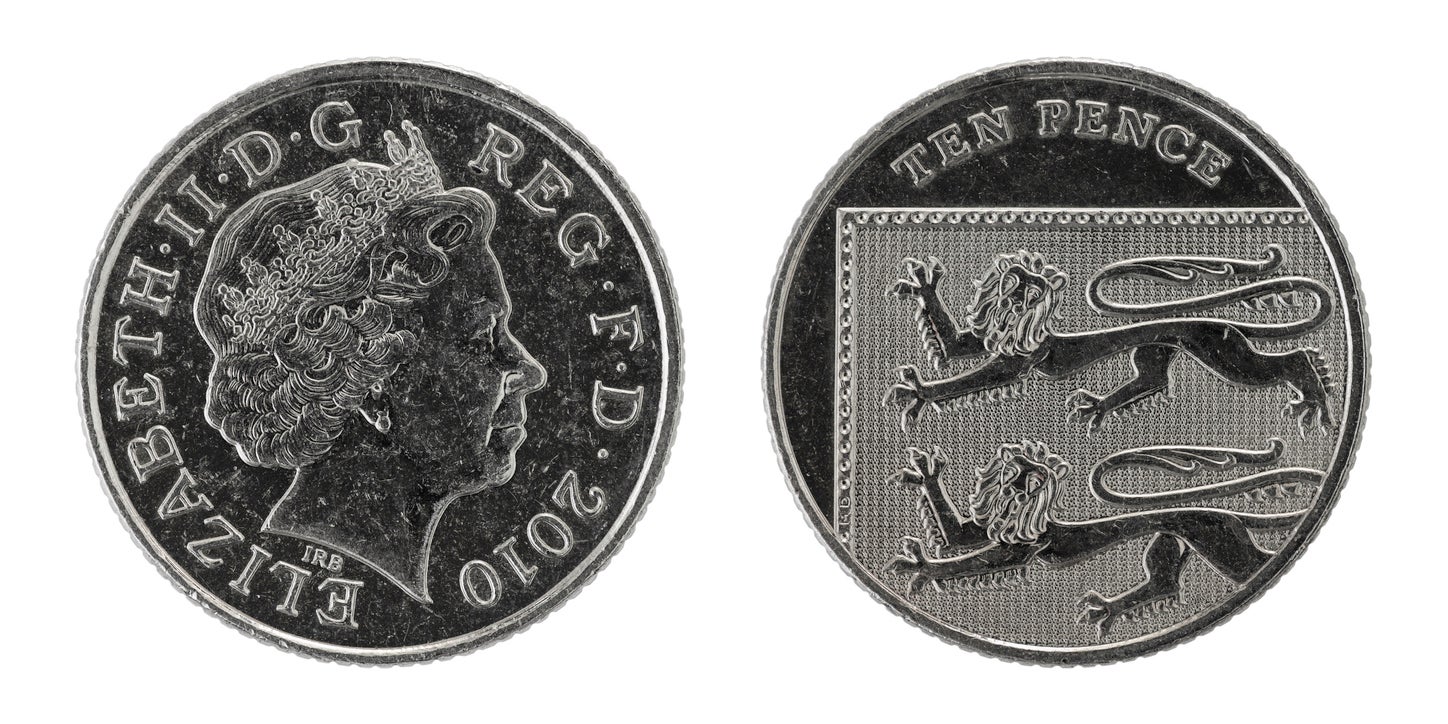
Those familiar with the Queen Elizabeth II 10p will know that the back of the coin has had part of the Royal Shield on it since 2008.
 open image in gallery
Graphic designer Matthew Dent won a competition to redesign the reverse of the currency. Inspired by heraldry, he divided the shield of the Royal coat of arms of the United Kingdom across the pence coins to show the full work when placed together.
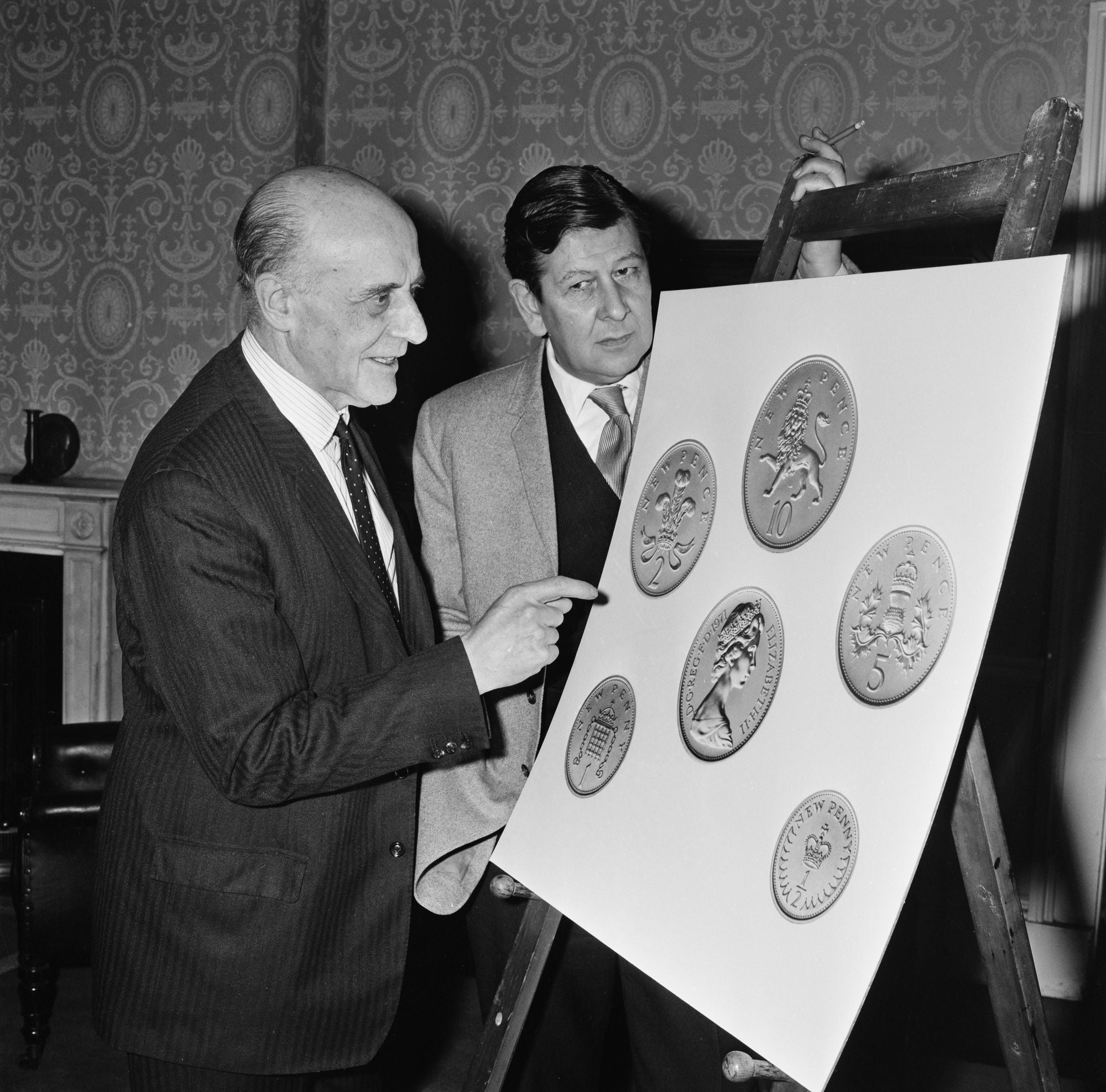
Decimal coinage was first introduced in 1971 when the pre-decimal two shilling coin was re-denominated as 10p piece, according to the Mint. These coins continued to circulate alongside the 10pm coins until 1993.
 open image in gallery
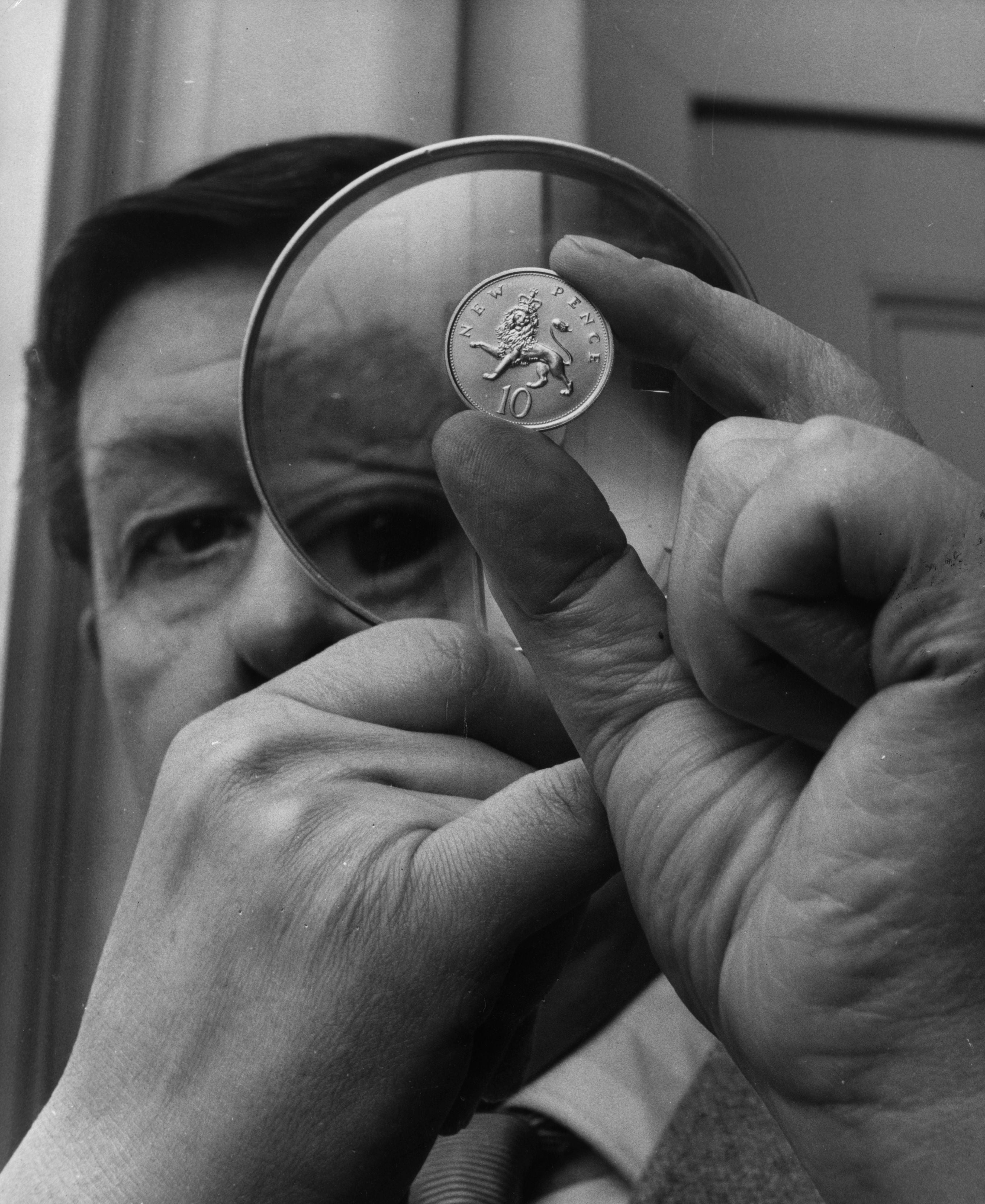
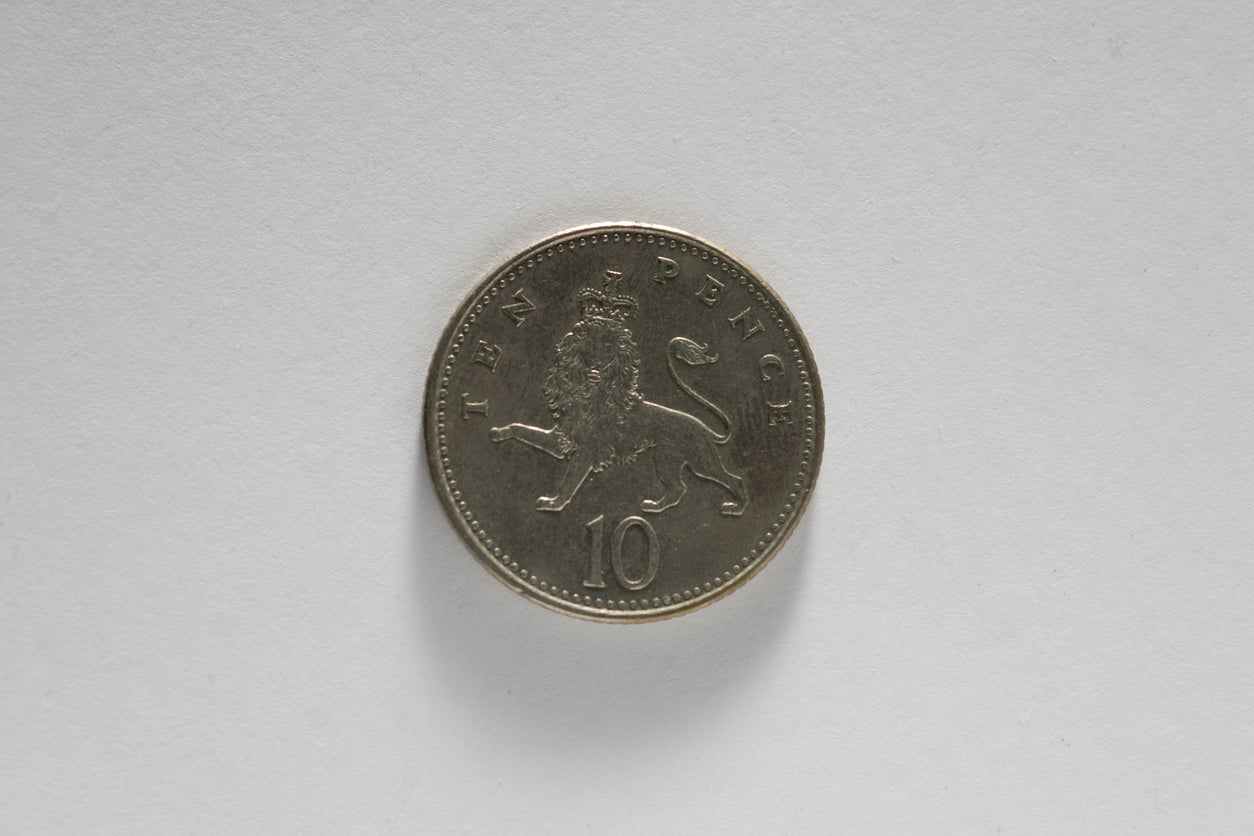
Christopher Ironside designed the original reverse of the 10p as a crowned lion, part of the crest of England, with a numeral 10 below the animal. From 1968 to 1981 it said NEW PENCE and from 1982 to 2008 it said TEN PENCE above the lion.
The government decided to issue a smaller 10p after a review of the coinage in 1987, which was issued in 1992. As of the end of 2005, there were an estimated 1,587 million 10p coins in circulation.