


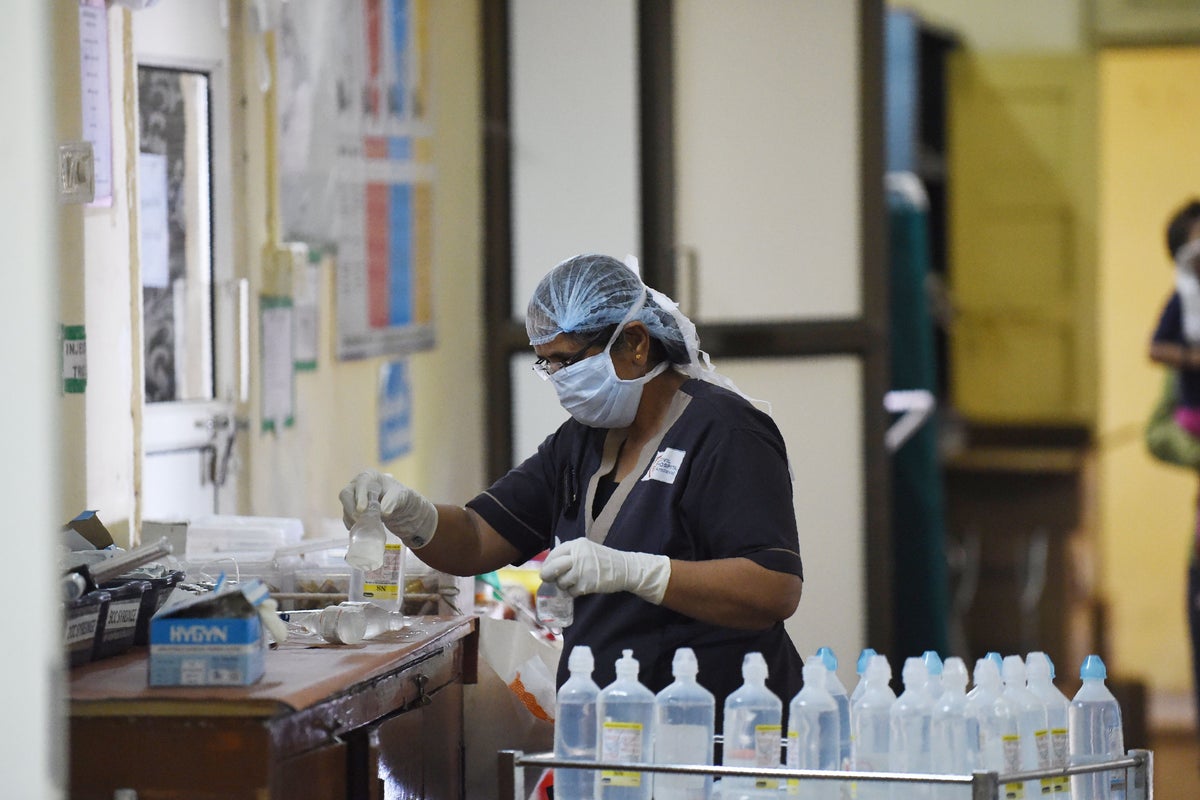
India is seeing a surge in swine flu infections, prompting health advisories and heightened surveillance in the world’s most populous country.
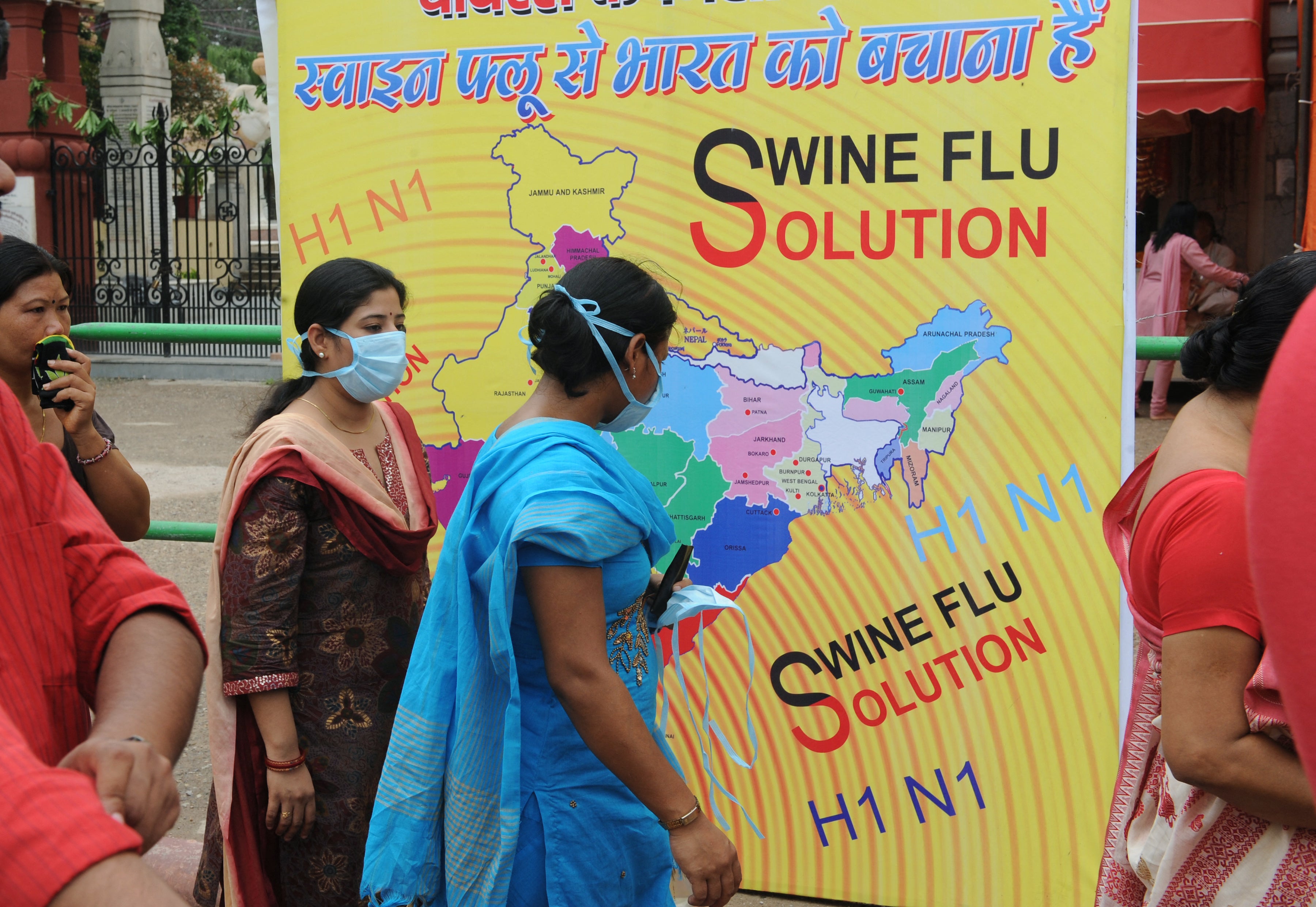
In the capital Delhi, the number of cases has surpassed 2,000 and the local government has issued a public advisory urging people to wear masks in crowded places and follow basic respiratory hygiene measures. The figure is, on an average, eight times higher than in previous years.
The southern state of Karnataka has reported about 4,000 cases, more than half in the IT hub of Bengaluru. The major cities of Mumbai and Chennai and parts of the coastal state of Kerala have reported rising influenza activity as well.
Dr Soumya Swaminathan, former chief scientist at the World Health Organisation (WHO), urged people to observe the kinds of social distancing and hygiene practices that were followed during the pandemic.
“We forgot all the lessons of Covid,” she warned. “It’s very interesting that during those Covid years, influenza circulation globally had gone down to practically zero. During those two or three years when everybody was masked up, practising social distancing and washing their hands, there were no influenza outbreaks at all.”
Swine flu is a respiratory illness caused by a strain of the influenza A virus known as H1N1. The strain originated in pigs and first appeared in people during the devastating Spanish flu pandemic of 1918. A modern novel strain emerged in Mexico in 2009 and rapidly spread around the world.
The H1N1 virus circulating in humans is primarily spread through respiratory droplets from coughs or sneezes. Common symptoms include fever, cough, headache, body aches, fatigue, and sore throat, and the infection can sometimes be mistaken for seasonal flu.
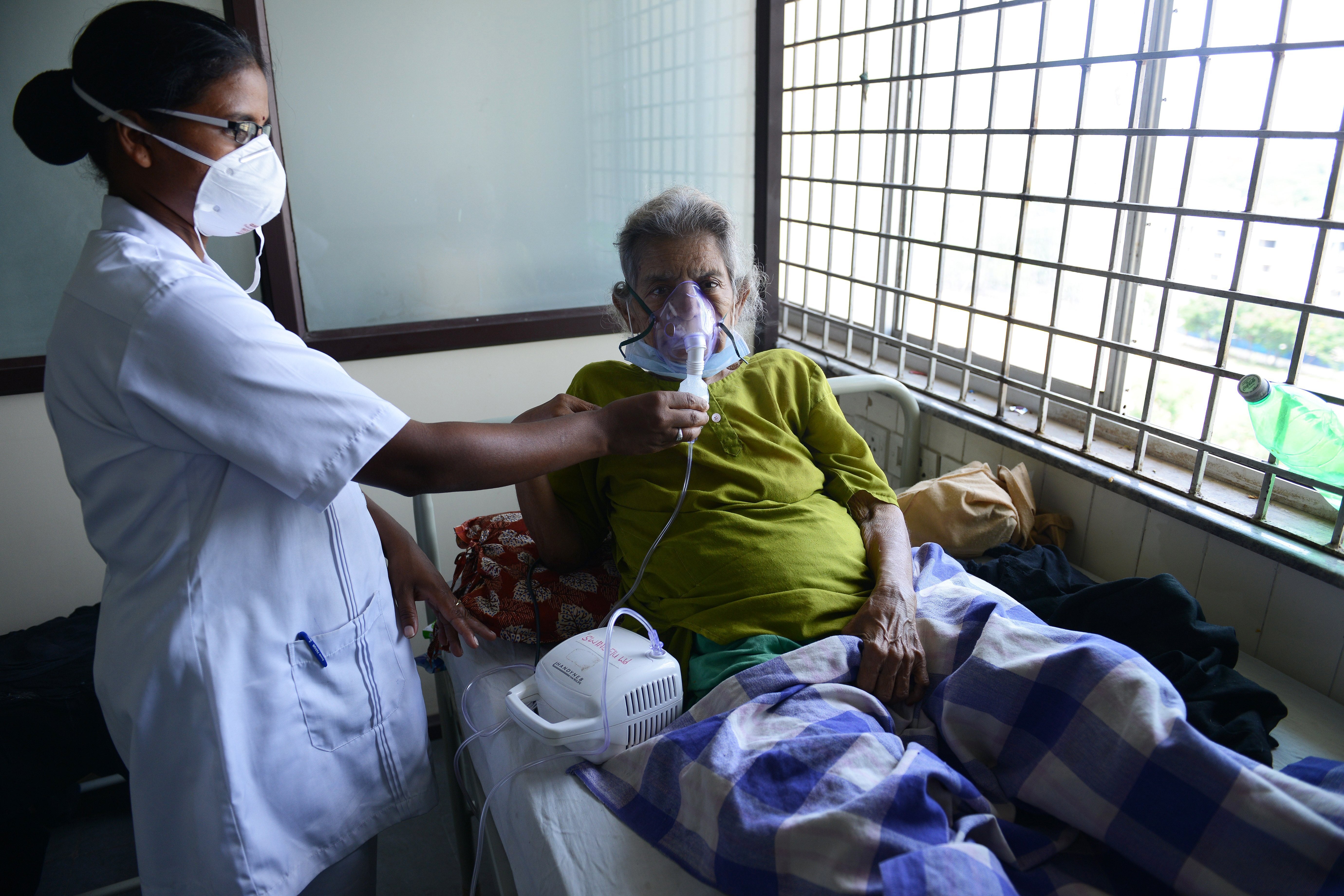
The disease carries a greater risk of complications for young children, older people, pregnant women, and those with underlying health conditions who can develop more serious symptoms like pneumonia and breathing difficulties.
“About 70 per cent of the cases are H1N1, which we know as swine flu,” Dr Dhiren Gupta, paediatric pulmonology specialist at Sir Ganga Ram Hospital in Delhi, said. “Compared to the initial outbreak in 2009, the virus is causing more distress in children under five, while high fever is troubling those under two.”
 open image in gallery
Dr Randeep Guleria, former director of the All India Institute of Medical Sciences in Delhi, noted that the reported number of cases was likely “an underestimation”. It would be “much higher”, he argued, if more people with flu-like symptoms were tested.
“We’re seeing a lot of patients,” Dr Guleria, who now practises at the private hospital Medanta, said. “We are also admitting patients with viral pneumonia, which looks very much like pneumonia due to H1N1.”
“There is an increase in the number of cases that we are seeing. There can be two or three factors. The virus undergoes what we call an antigenic drift. It keeps changing with time and, sometimes, because of that change, two or three things happen,” he said. “One is that it may become more infectious. It may spread more than what the previous strain was doing. It may change a little bit, which may bring down people’s immunity to really fight against that virus because the virus undergoes a little bit of a change.”
 open image in gallery
Another possible factor was the ongoing monsoon season, he added, which had brought high humidity and enabled the virus to survive for longer.
However, the Indian Council of Medical Research, the country’s apex health research body, denied that a new strain of the virus had emerged.
“No new strain of H1N1 has been identified and there’s no cause for panic,” it said. “The influenza strains currently circulating are also well-matched with the vaccine strains recommended for the northern hemisphere.”
“The situation continues to be closely monitored through regular surveillance and necessary public health measures are being undertaken.”
 open image in gallery
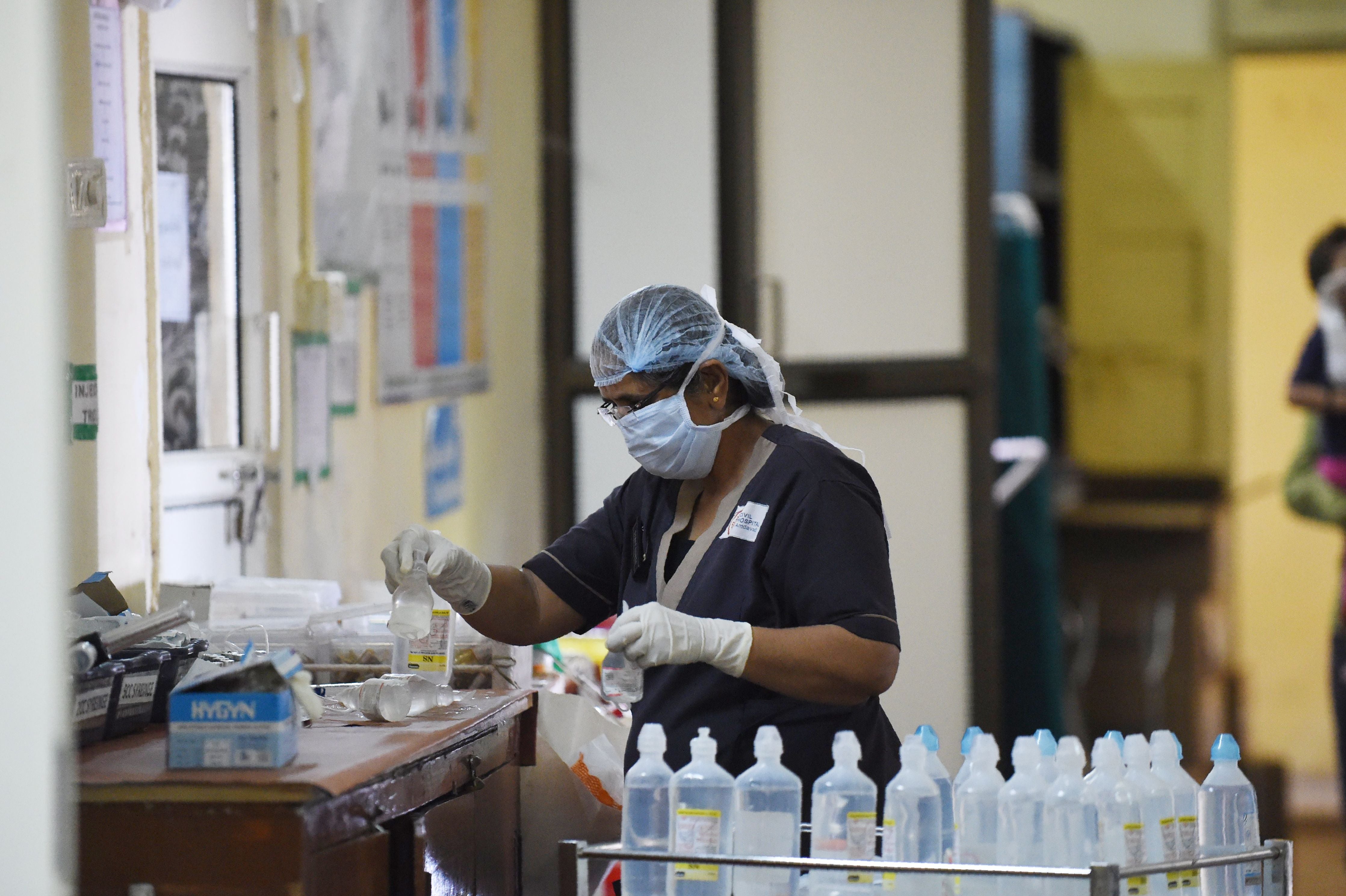
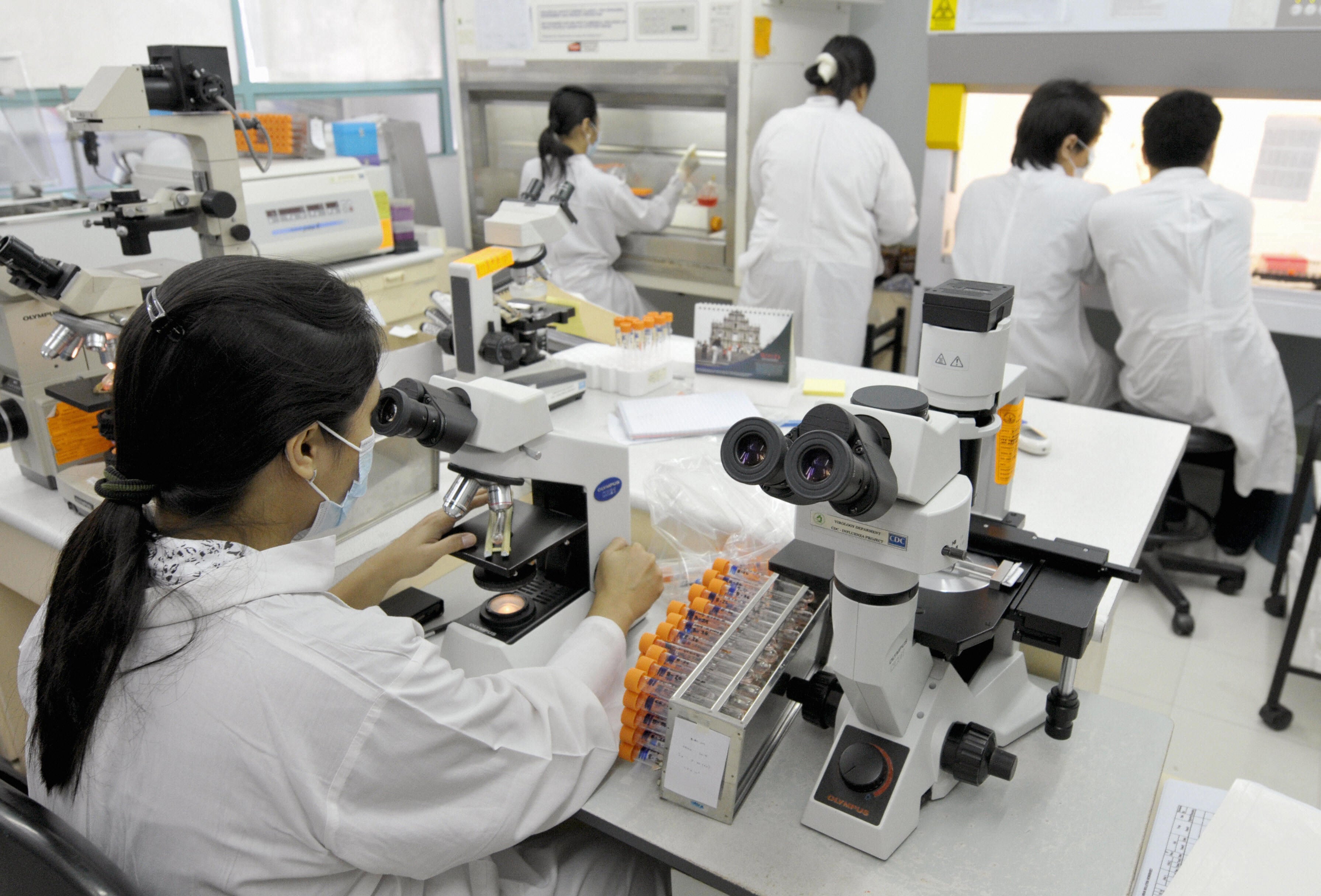
Private hospitals and clinics are reporting higher footfall of patients with H1N1-like symptoms. But they say few patients require admission or need oxygen or pneumonia management.
Still, the surge is putting pressure on hospitals in Kerala’s Ernakulam district. Authorities said rising cases of influenza, viral fever, and a bacterial disease called leptospirosis have contributed to a sharp increase in patient numbers. Major private and government health facilities in Kochi city have been operating at full capacity for weeks now, with a surge in admissions for fever and influenza-related illnesses, The Hindu reported.
 open image in gallery
Late last week, federal health minister JP Nadda reviewed the situation in Delhi and the preparedness of healthcare facilities to deal with it. He stressed the need to raise public awareness about preventive measures, including respiratory and hand hygiene.
“We’re prepared for any situation. There’s no shortage of medicines, doctors or beds,” Delhi health minister Pankaj Kumar Singh, who attended the review meeting with Mr Nadda, told reporters on Saturday. “Everyone will receive timely and appropriate treatment.”
India saw 3,320 H1N1 cases and 14 deaths in 2025, according to health ministry. No deaths have been reported this year so far.