


From literary heavyweights to contemporary bestsellers, book-to-screen adaptations continue to dominate streaming, with platforms increasingly turning to novels as source material for their biggest releases.
These adaptations offer more than just familiar storylines – they bring built-in audiences, rich character development and the opportunity to expand complex narratives across multiple episodes.
From psychological dramas and sweeping historical sagas to intimate, character-led stories, the range of adaptations now available reflects the breadth of modern publishing itself.
As a result, viewers are not only discovering new series, but also revisiting the books behind them, as page-to-screen storytelling continues to shape both the entertainment industry and reading culture.
The adaptations below highlight just how central books have become to today’s streaming landscape. Whether faithful recreations or looser reinterpretations, each series shows how stories first told on the page can be reshaped for a new audience on screen.
 View 6 Images
Rachel Weisz and Leo Woodall in Vladimir (2026)(Image: Netflix)
Based on Vladmir by Julia May Jonas, this adaptation leans into the novel’s sharp, provocative premise: a 58-year-old professor navigating desire, power and reputation as her husband faces allegations tied to past relationships with students. At its core, the story explores an open marriage under strain, layered with obsession, self-awareness and a narrator whose voice is both biting and darkly funny.
While the book was widely praised for its distinctive tone, the screen version shifts focus, trading some of that interior sharpness for a more conventional drama format. As one critic noted, the result can feel like “a husk of the novel,” highlighting the challenge of translating such a voice-driven story to screen – but still making it a compelling watch for viewers drawn to complex, character-led narratives.
 View 6 Images
Elle Fanning in Margo’s Got Money Troubles (2026)(Image: Apple TV)
Adapted from Margot’s Got Money Troubles, by Rufi Thopre, this series blends comedy and drama to tell the story of a young woman navigating early motherhood and financial instability after an unexpected pregnancy. The narrative leans into both the absurdity and difficulty of Margot’s situation, balancing sharp humour with a more grounded look at independence and survival.
Starring Elle Fanning and Michelle Pfeiffer, the adaptation expands the novel’s tone into something visually dynamic and character-driven. One review described the original story as a “pugnacious romp,” and that same energy carries through to the screen, giving the series a fast-paced, slightly chaotic edge that keeps it engaging.
 View 6 Images
Chase Infiniti in The Testaments (2026)(Image: Disney)
Set more than a decade after The Handmaid’s Tale, this adaptation of The Testaments returns to the dystopian world of Gilead, this time shifting focus to three women navigating life within its rigid hierarchy. In this series, Margaret Atwood explores power from a different perspective, moving beyond survival to examine influence, control and complicity.
Creator Bruce Miller has described it as a look at “the top of the food chain for women in Gilead,” marking a tonal shift from the original series. By expanding the world through multiple viewpoints, the adaptation offers a broader, more layered exploration of the system – while still retaining the tension and unease that defined its predecessor.
 View 6 Images
Claudio Cataño in One Hundred Years of Solitude (2024)(Image: Netflix)
Long considered unadaptable, One Hundred Years of Solitude has finally made the transition to screen in a large-scale Netflix production. Spanning generations, the story follows the Buendía family through a sweeping narrative of love, fate and history, rooted in magical realism and dense symbolism.
The result is one of the most faithful literary adaptations in recent years, with critics praising its attention to detail and commitment to the source material. As one review put it, the series is “exquisitely detailed and layered,” capturing the complexity of Márquez’s original work while translating it into a visually immersive format.
 View 6 Images
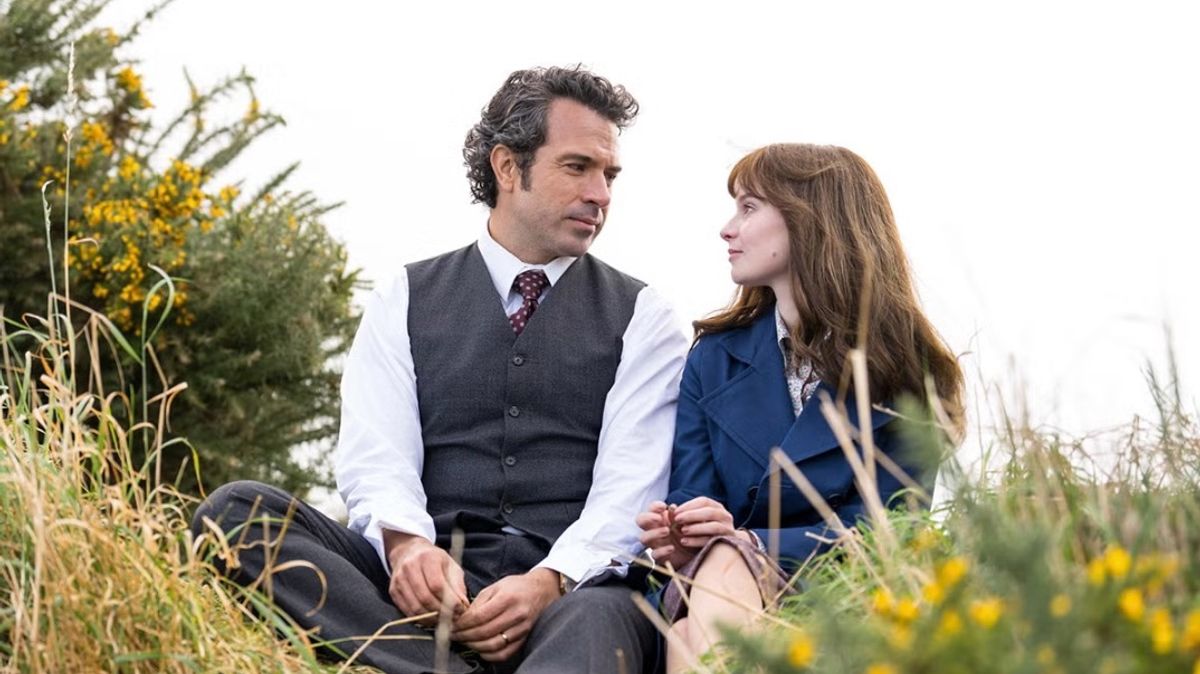
Tom Cullen and Lola Petticrew in Trespasses (Image: Channel 4)
Adapted from Trespasses by Louise Kennedy, this series brings a more intimate, politically charged story to screen, set against the backdrop of 1970s Belfast. It centres on a Catholic teacher drawn into a dangerous relationship with a Protestant barrister, placing personal connection within a wider context of conflict and division.
The adaptation leans into the emotional tension at the heart of the novel, with one review noting that it “hits a nerve” in its portrayal of love shaped by circumstance. By grounding its story in both romance and historical reality, it offers a quieter but deeply affecting addition to the current wave of book-to-screen adaptations.