


Daphne Caruana Galizia was investigating suspected corruption when killed, jury told
Journalist’s son says his mother was examining leak from Electrogas, part owned by Yorgen Fenech who is on trial
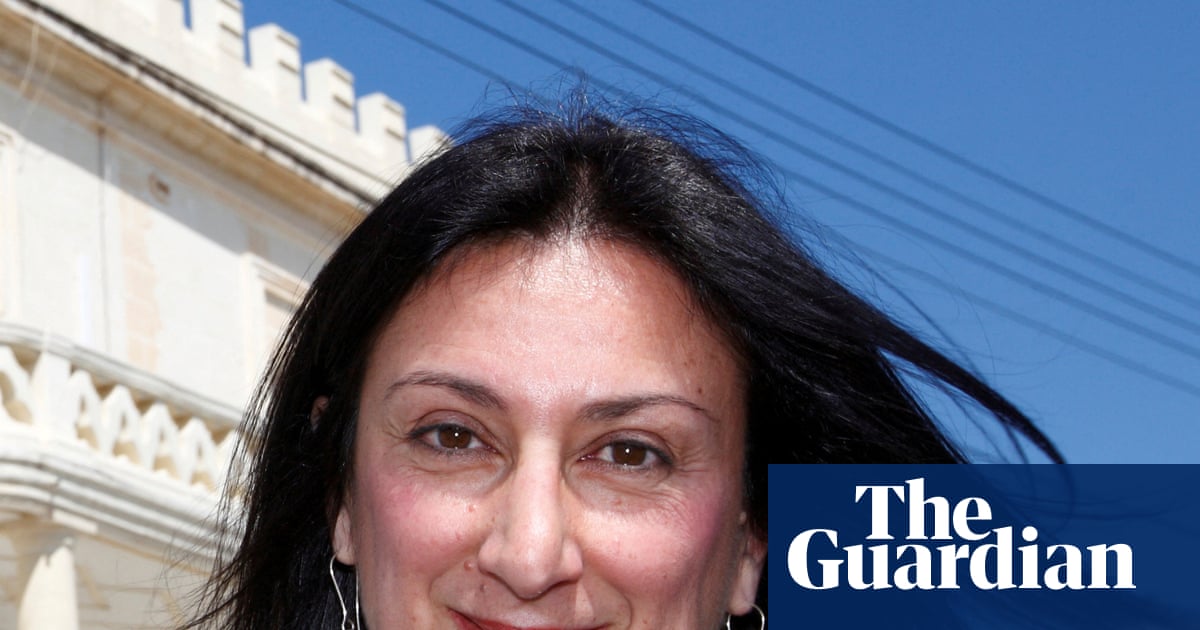
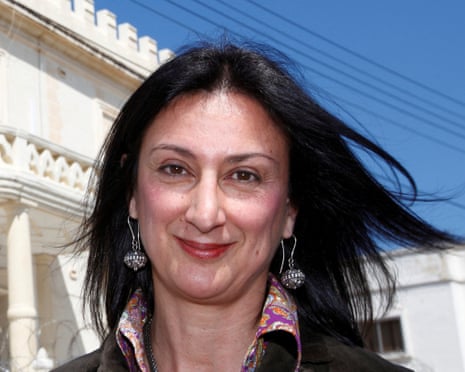
Daphne Caruana Galizia was investigating suspected corruption by the businessman Yorgen Fenech and members of Malta’s government when she was killed, a jury has heard.
The heir to one of Malta’s biggest fortunes, Fenech is on trial for murder, accused of commissioning and paying for Caruana Galizia’s killing in a car bombing in October 2017.
The journalist’s son Matthew Caruana Galizia, a software engineer who was part of the reporting team that won a Pulitzer prize for the Panama Papers investigation into offshore companies, took the stand on Monday.
He described being drawn in to helping his mother with her work, saying that as more facts came to light, it seemed to him a “portal” had opened and he could “see into hell”.
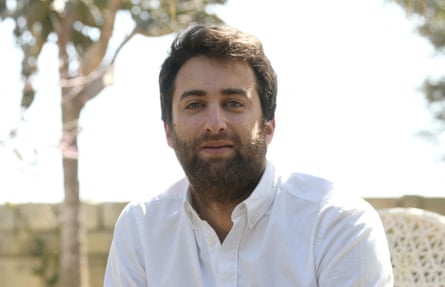
In 2015, Matthew said, he was working on the Panama Papers leak, uploading millions of files into a database that reporters were using to investigate tax havens.
While processing the files, he said, he found information directly relevant to Malta. “I had to share what I was seeing with my mother. I believed it was too important.”
Over time, material from the leak and Daphne’s own sources produced evidence that Malta’s then energy minister, Konrad Mizzi, and the prime minister’s chief of staff, Keith Schembri, had set up offshore companies soon after entering office. A firm of accountants was helping them to open bank accounts in the name of those companies, Matthew said.
The jury was shown a comment left by Daphne in early 2017 under a newspaper article about the minister and the chief of staff. She wrote: “How unbelievably corrupt they are – and worse still, they were not tempted into corruption when they were already jaded in power, but actually got into power with the express purpose of being corrupt. It was their roadmap.”
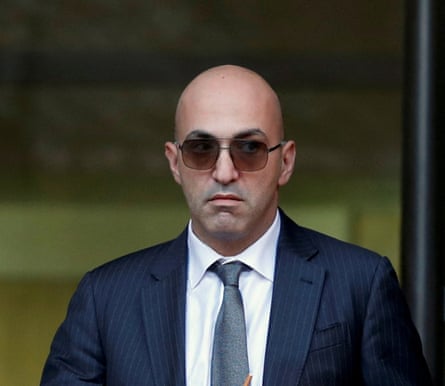
At the time of her death in 2017, Matthew said, he had been helping his mother process another leak, consisting of thousands of emails stored in the servers of a company called Electrogas, partly owned by Fenech. One of the Muscat government’s flagship projects after winning the 2013 general election had been to privatise a key part of Malta’s electricity infrastructure. The contract had been won by Electrogas.
“I was receiving this info, I couldn’t believe it, it was like a portal opened up and I could see into hell,” Matthew said. The defence objected, saying the witness was offering an opinion.
Asked if Daphne had discussed the tendering process with him, Matthew said she had.
“Factually, what did your mother tell you about the tendering process?” the prosecutor asked. Matthew replied: “That it was corrupt.” The judge interjected to remind the witness that this was an opinion, not a fact.
Asked what he had seen in the emails, Matthew said: “When I started receiving the data and put it in a system to make it searchable, I could see that Yorgen Fenech was at the centre of everything. He was featured in countless emails.”
Matthew said the Electrogas leak was ongoing the day his mother was killed. He said she had wanted to gather a group of journalists together to examine the data, in a collaboration similar to the one that had produced the Panama Papers. He had contacted the Guardian to begin work on the project, but his mother was killed a few months later.
“We never got to do it, and in fact when I see these emails my heart beats fast because I’m taken back to that time when I was with my mother planning on what to do,” he told the court.
After the murder, Matthew set up the Daphne Project, working with a wider group of publications, including the Guardian and Reuters, to continue investigating Electrogas and try to uncover who was behind his mother’s killing.
The reporting uncovered evidence that suggested Fenech had intended to pay bribes in order to secure the power station concession, provoking international condemnation and a European parliament investigation. Fenech, Mizzi and Schembri reject any suggestion of corruption.
The allegations were not repeated on Monday, after the judge ordered the testimony to focus only on what could be supported by documents shown in court.
The prosecution’s questioning ended with a description by Matthew of the day his mother died. They were working together at home and she had prepared a mozzarella and tomato salad. She then left in her car to go to the bank.
“I was working on some software and I heard an explosion. I opened the door, I felt the blood drain away … I started walking faster and faster towards the tower of smoke,” he said.
“First I saw fire on the road – the road was on fire. I saw pieces of metal and flesh. My eyes followed the smoke and I saw a huge ball of fire. I ran towards it. The horn was going off, it wouldn’t stop. I saw a shadow in the car and I remember saying ‘that’s my mum’.”
He told the court he had set aside everything to ensure those responsible were held to account, leaving his job, ending his career and returning to Malta. “We had to make it our mission, which we did. It came at enormous personal cost.”
Fenech, who is on trial for complicity in the voluntary homicide of Caruana Galizia, denies the charges. The trial continues.
Transcript and translation by Amphora Media
Explore more on these topics