



Andy Burnham has moved quickly to tackle the cost of living crisis with an announcement of an £850 million tax cut on household electricity bills in his first significant policy decision as prime minister.
But the decision has already sparked a row with an ally of ousted prime minister Sir Keir Starmer who warned that Mr Burnham’s plan to use £600 million in savings from cancelling the digital ID scheme to pay for the tax cut did not add up.
Darren Jones, who was sacked by Mr Burnham as chancellor of the Duchy of Lancaster, took to X (formerly Twitter) to point out that the digital ID scheme was “unfunded” adding: “The government will have to set out how it will pay for its new policies at the Budget.”
It comes amid concerns that Mr Burnham is about to impose a new wealth tax to raise as much as £10bn to fund extra spending including tackling the cost of living crisis but also in a bid to find at least £4.7bn to fill a black hole in defence plans.
Mr Jones was one of a number of Starmer allies sacked many of whom are understood to have joined the former PM at a pub in north London on Monday to discuss the new government including complaining about replacing Rachel Reeves as chancellor with “a bloke” John Healey.
 open image in gallery
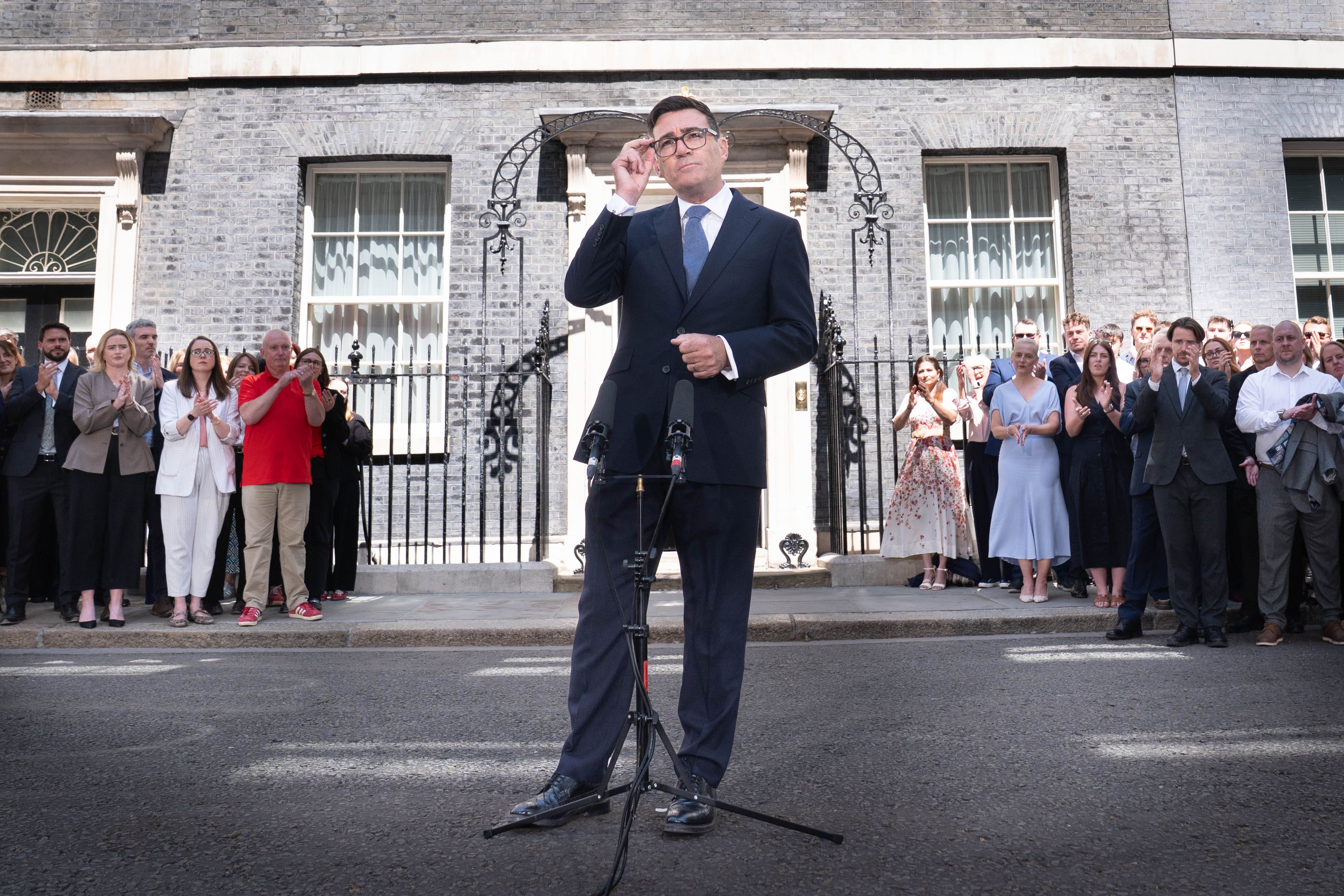
But, despite the barbed remarks from Mr Jones, the prime minister made it clear on Monday in a briefing with journalists that he wanted to bring in measures which would make people’s lives easier.
Announcing that from October 1, energy bills will be VAT-free, saving households around £45, he said he was giving people “breathing space.”
Funding for the digital ID scheme was due to have come from savings within existing departmental budgets, which will now be reprioritised to fund the VAT cut.
The energy price cap set by Ofgem is forecast to be £1,849 for a typical household, although the resumption of military action in the US-Iran war could push prices higher.
Mr Burnham said: “I said I wanted to give people breathing space, and that’s what I’m announcing on my second day as Prime Minister.
“We’re taking immediate action to cut taxes on energy bills, put more money in people’s pockets and bring back hope.”
 open image in gallery
Energy suppliers are expected to pass the VAT reduction on to all customers, including those on fixed tariffs, the Government said.
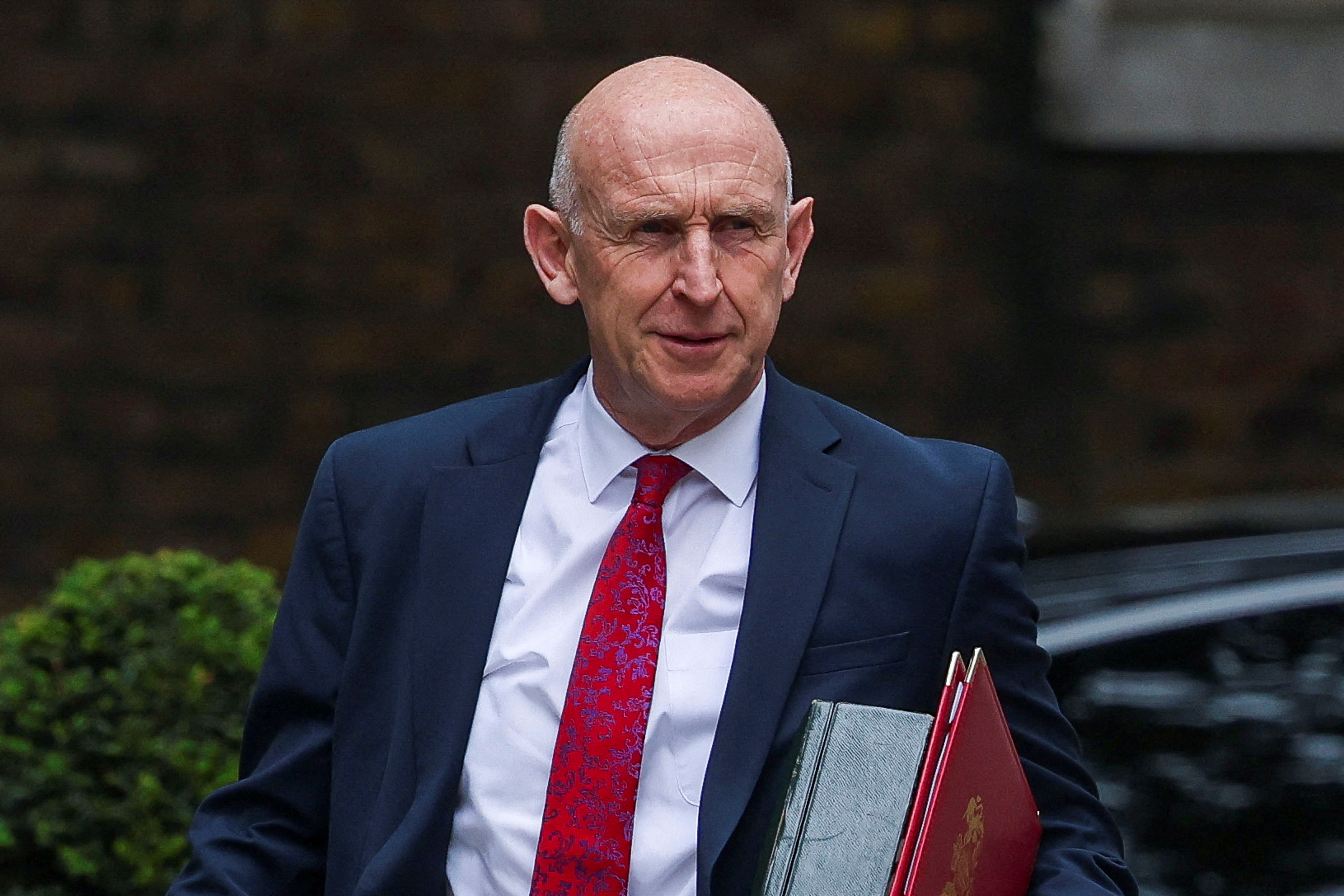
Chancellor John Healey said: “For too long, too many people have struggled with the cost of living.
“Today’s energy tax cut will give families some breathing room on bills, and provide some reassurance this winter.
“This measure is funded this year from cancelling the Digital ID programme, and it will help bring down inflation while supporting households in every postcode.”
Officials said the VAT cut, from 5 per cent to 0 per cent, is estimated to reduce the consumer prices index measure of inflation by around 0.10 percentage points.
The policy will cost the Exchequer around £850 million in 2026/27.
Meanwhile, researchers believe that a wealth tax, broadly supported by Mr Burnham’s new first secretary of state Louise Haigh, could raise £10bn.
Economic experts have claimed a 2 per cent charge on households with more than £100m in assets would raise a vast amount and affect less than 1,000 of the wealthiest households in the UK.
Authors of the report, professor of economics at the Paris School of Economics Gabriel Zucman and lecturer in economics and wealth inequality at King’s College London Ben Tippet, said the tax would “raise meaningful revenues and dampen runaway inequality”.
The report, seen by The Guardian, outlines a plan which would see HMRC calculate the wealth of rich families, including assets such as property, private businesses and pension wealth, art, land and charitable assets to prevent tax avoidance.
The report authors argue the collection of data would not be costly for HMRC to attain as it is already underway.
“The report shows that a well-designed minimum tax on the very wealthiest households is a realistic, targeted reform that would make the UK’s tax system fairer while raising substantial revenues,” Mr Tippet said.
Another proposal is to raise the highest rate of income tax from 45p to 50p.
The new prime minister has hinted at tax reforms, with some of his closest aides and allies publicly having called for wealth taxes.
 open image in gallery
Mr Burnham himself has declined to rule out a wealth tax, telling former footballer and presenter Gary Lineker earlier this month that his government may “ask for a little more”.
In his first address to the nation as Prime Minister, Mr Burnham pledged the biggest change to British politics in 40 years, and said he would deliver “a new political model and a new economic model” for Britain.
On Monday evening, Mr Burnham made sweeping changes to the Cabinet, starting with the appointment of John Healey as the new Chancellor to succeed Rachel Reeves.
A swathe of major figures from Sir Keir Starmer’s era joined Ms Reeves in leaving Government, including ex-deputy prime minister David Lammy, former attorney general Lord Hermer and former housing secretary Steve Reed.
Their replacements in senior Government roles were announced throughout Monday evening and will join Mr Burnham around the Downing Street Cabinet Room table on Tuesday.