


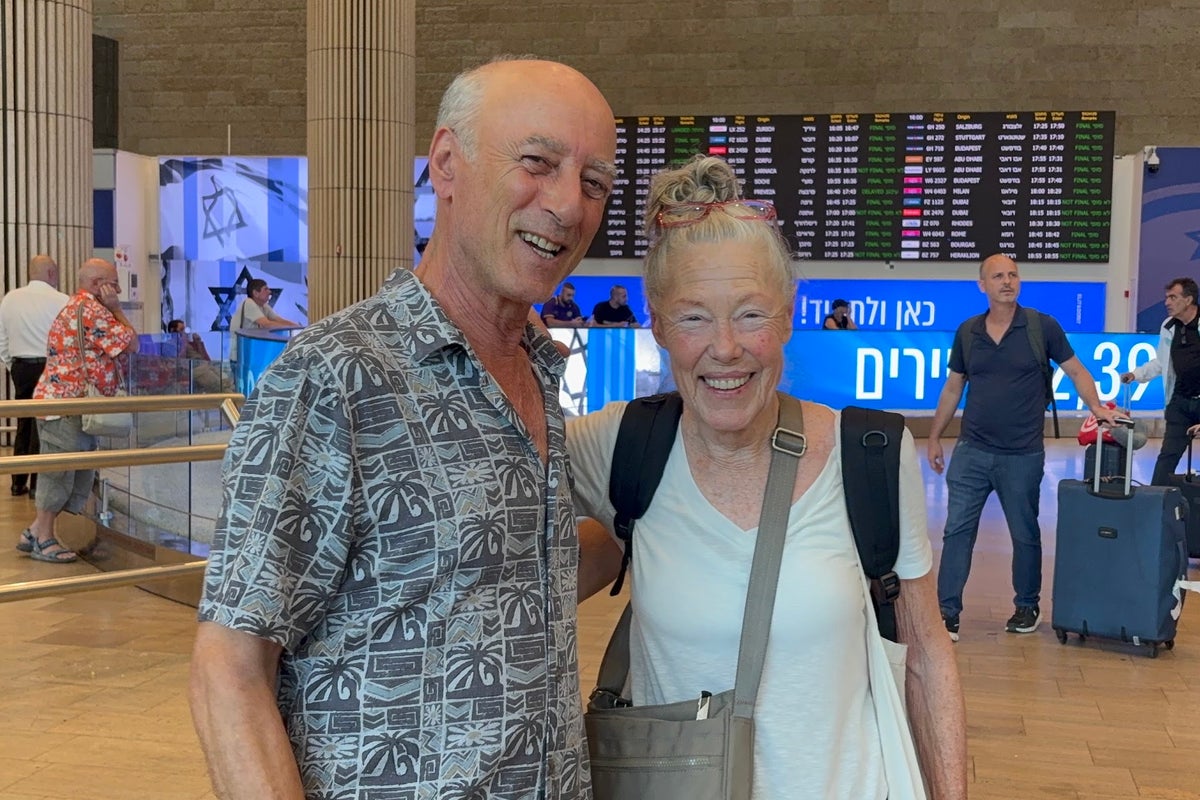
When Adriana Turk’s brother died last year, she thought she was left alone in the world, as she thought the rest of her family had been killed in the Holocaust.
But at the age of 74, she decided to do a DNA test to find out more about her heritage . What she found has changed her life; an entire family tree including dozens of distant cousins, relatives and their children, spread across the world.
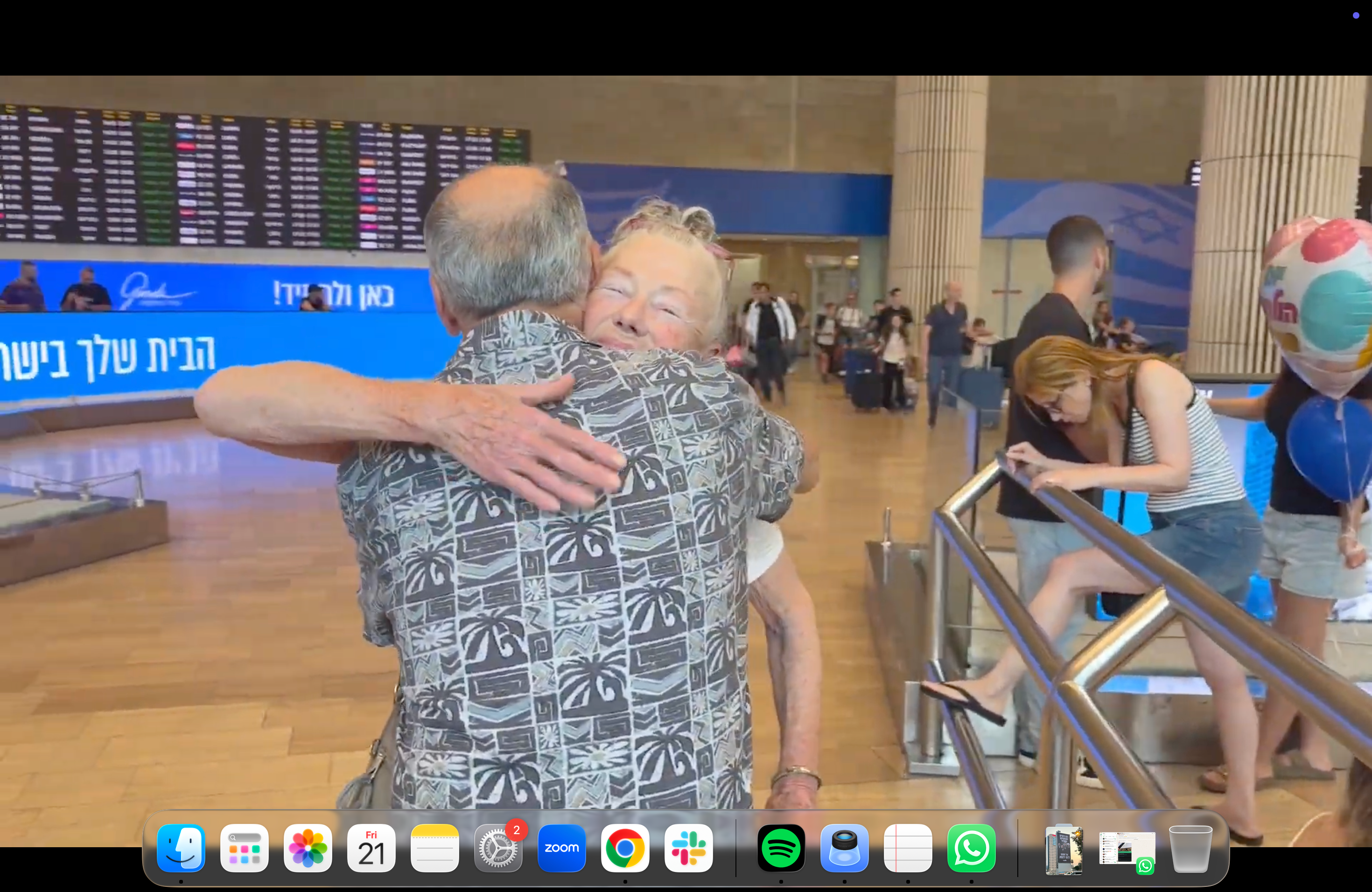
In the last week she reunited with one of them: Raanan Gidron, 73, a psychotherapist living in Israel.
Adriana and Raanan spoke to The Independent shortly after their discovery in January this year. Now, speaking from a cafe in Tel Aviv, they talked about how it felt to see each other in person for the first time.
-8.jpg) open image in gallery
open image in gallery“It’s unbelievable,” says Adriana, beaming. “I didn’t get loved much as a child, I didn’t get intellectually stimulated. My father never told me who I was.
“I only had one sibling and neither of us had children. I’ve got two cousins on my mother’s side who don’t speak to each other. That leaves a pretty empty space.”
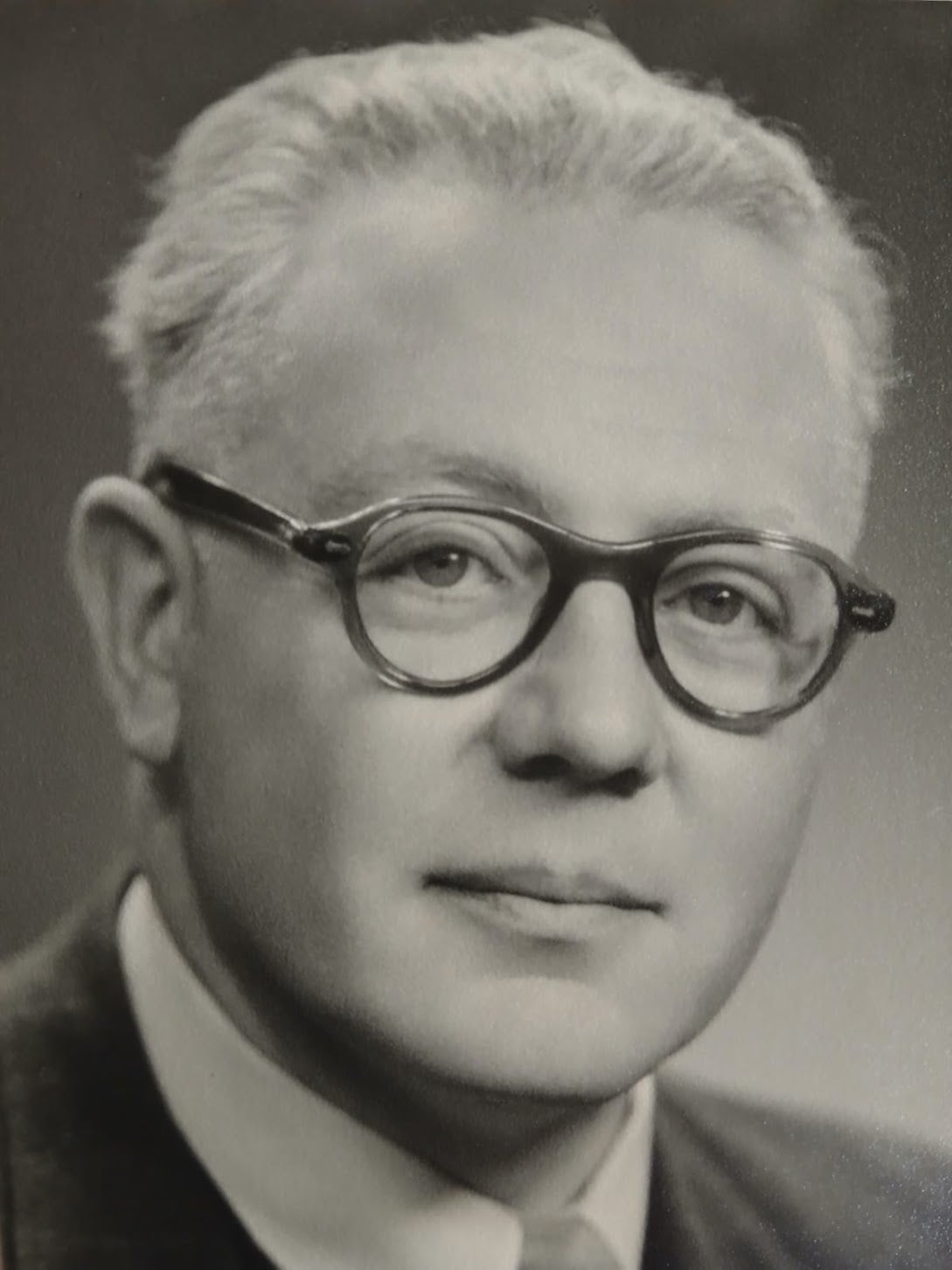
Born to a German Jewish father who fled Nazi Germany in 1937, she knew that her grandmother had died in the Warsaw Ghetto while her aunt, uncle and their two young children were killed in Auschwitz.
She says her father rarely spoke about them, preferring to avoid the topic altogether. She discovered the descendants of three Holocaust survivors from her grandmother’s family line through MyHeritage DNA.
 open image in gallery
“All of a sudden, there’s an overwhelming 50 people or much more. I’m getting to know these people, cousins and second cousins,” she says.
“They all have family, they have siblings and it’s an amazing phenomenon. From being all alone to having all of these people in my life.”
Despite Raanan being connected to many of the family members across Germany and Israel, he had never connected with his cousins in Australia although he knew that they existed. When relatives had previously reached out to Adriana’s father, he had rejected their advances.
“It’s magical,” he says. “It’s like meeting a family member that you are already familiar with and that you already know. She has the same features as us, as well as the slight look in their eye. You’re familiar with the love that is there.”
 open image in gallery
Raanan has spent days taking Adriana around the homes of family members and the pair have spent hours working out the nitty gritty of their family tree. They believe this technical work is a gift for future generations.
“We are filling in places that are empty on the family tree and we’re making corrections,” says Raanan. These have included some difficult discoveries too, including a relative who they believed was alive but later discovered that she had not survived. They have traced their ancestry all across Europe into the 1300s.
“It’s a bit like a jigsaw,” he says. “The next generation will definitely have a much clearer picture about what happened.”
Despite growing up in completely separate countries unaware of each other, they have also found themselves involved in similar therapeutic work.
They explain that their parent’s generation found it difficult to talk about the effects of the Holocaust, while younger generations are learning to process what this has meant for their families.
-mother-and-Adriana-25-yrs-ago.jpeg) open image in gallery
open image in gallery“When all the cousins get together it’s like international group therapy,” they say.
Adriana has also had the opportunity to meet family members in Germany. “They were very generous and loving. I kept seeing my father’s face in a relative and thinking: ‘That’s my daddy’s nose’. It’s just been overwhelming.”
Raanan says that the experience has been particularly special amid rising levels of antisemitism across the world. He recalls being accosted in Germany with racist abuse and being told to “go back” in the middle of the street.
“We know what is going on but we are concentrating on family,” he said.