


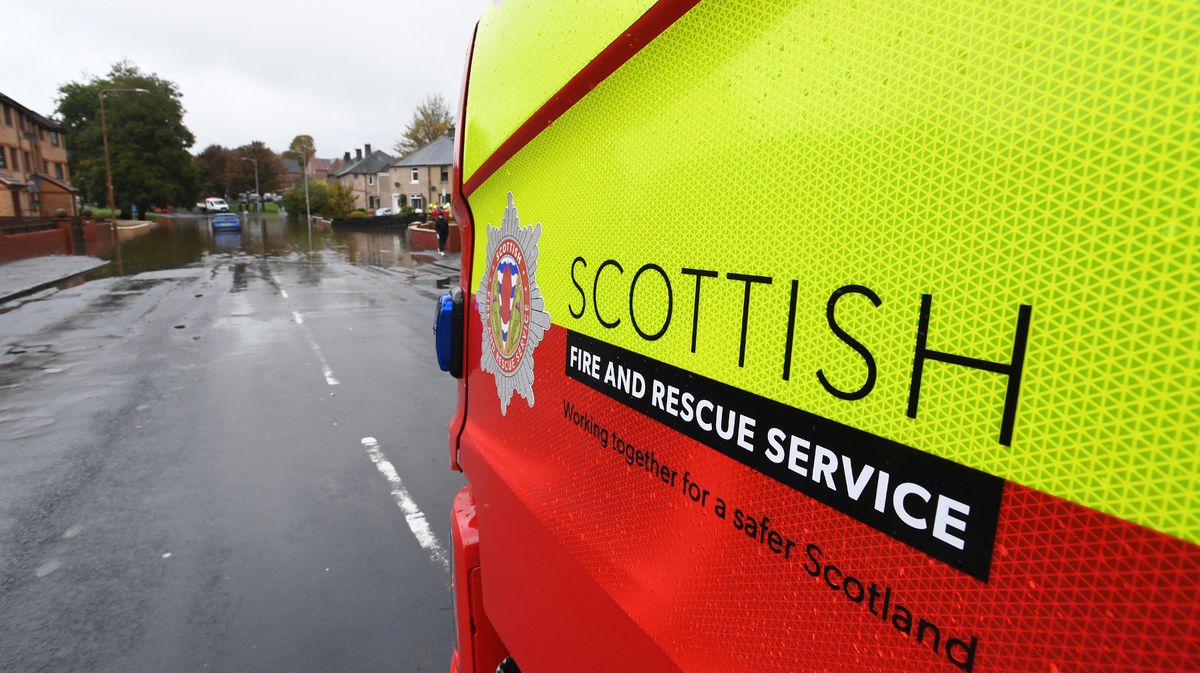
A senior fire officer has issued a seasonal warning against taking the plunge in rivers and reservoirs to escape the heat.
While temperatures across West Lothian nudged 30C this week fresh water was not much warmer than in the depth of winter.
That means that lurking beyond the obvious desire to cool off there’s a real threat to life.
Cold water shock can trigger seizures, underwater currents can pull you into danger and debris can trap the unwary.
Cold water shock is an involuntary, dangerous physiological reaction to sudden immersion in water below 15 C. It causes a sudden gasp, rapid hyperventilation, and a massive spike in heart rate and blood pressure, which can trigger immediate cardiac arrest or fatal drowning within minutes.
The Scottish Fire and Rescue Service (SFRS) Local Area Commander Mark Duffy was blunt when he said the best advice was not to go in water at all. He told a meeting of the public and community safety PDSP that the difference on open water between midwinter and midsummer was only 1C,
The river Almond is popular with youngsters in the summer and the Avon Lagoon at Linlithgow and Pentland reservoirs Harperrig and Harlaw are busy year round with cold water swimmers.
But in the hottest of weather danger is always present.
Armadale Councillor Lynda Kenna asked what kid of information was given to local youngsters about water safety. “ Will there be an increase in safety advice now the schools are going off on holiday?”
The Area Commander said that water safety had been a priority for the SFRS across Scotland for a number of years. High school-pupils have long been targeted for advice but increasingly safety messages are passed on to primary age children too.
Mr Duffy told the Committee: “The difference between December and July is maybe one degree. Water temperature doesn’t change much in Scotland. So even if the air temperature is 24 or 25 degrees the water is still cold.
“So our water safety message is don’t. Please don’t enter the water unless you’ve got flotation devices or are supervised.”
Mr Duffy acknowledged that in hot weather the advice would be widely ignored and he urged young people to study the safety advice which urges you to float rather to swim.
Many drownings occur because the person panics in the water. Key to survival is the “Float rather than swim”, which is a lifesaving survival technique. Swimming wastes precious energy and causes you to panic.
You should instead, lean back, extend your arms and legs, and breathe normally allowing your body to float naturally.
Article continues below
Don’t miss the latest news from the West Lothian Courier. Sign up to our free newsletter