


Want to bookmark your favourite articles and stories to read or reference later? Start your Independent Premium subscription today.
`;
document.body.appendChild(modal);
modal.addEventListener(‘click’, () => {
document.cookie = ‘mos-plan-select=; Max-Age=0; path=/; expires=Thu, 01 Jan 1970 00:00:00 UTC;’;
});
modal.querySelector(‘.subscribe-link’)?.addEventListener(‘click’, (e) => {
e.preventDefault();
document.cookie = ‘mos-plan-select=; Max-Age=0; path=/; expires=Thu, 01 Jan 1970 00:00:00 UTC;’;
setTimeout(() => {
window.location.href = ‘https://www.independent.co.uk/subscribe?regSourceMethod=Bookmarks’;
}, 500);
});
});
If I were to tell you that a huge existential threat to national security, economic prosperity and all human life on Earth was currently looming over us, your terrified mind might jump straight to AI.
After all, 10 years is what we’ve been generously given before humanity is potentially wiped out, according to the latest tech bro chat. That number was recently lobbed into public discourse like a grenade by Evan Hubinger, a leading safety researcher at Anthropic, who warned in a series of Twitter posts that there’s a greater than 10 per cent chance artificial intelligence “could kill all humans” within the next decade.
 open image in gallery
Such an apocalyptic statement naturally caused no small degree of hysteria; it seems like every sci-fi warning of the past century is coming home to roost, from 2001: A Space Odyssey’s HAL 9000 all the way through to I, Robot and The Matrix. Palpable panic circulated on social media; strident calls have been made for a “kill switch” and for companies to comply with a mutually agreed slowing down of the collective AI arms race while safety is properly assessed.
But there’s a big problem with all of our attention being commandeered by the potential extinction risk posed by ChatGPT, Claude, Gemini and the rest. We’re in very real danger of forgetting about the much greater threat to all life on Earth, the one that we’ve known about for well over a century and that’s already happening right before our eyes on every continent and in every country: climate breakdown.
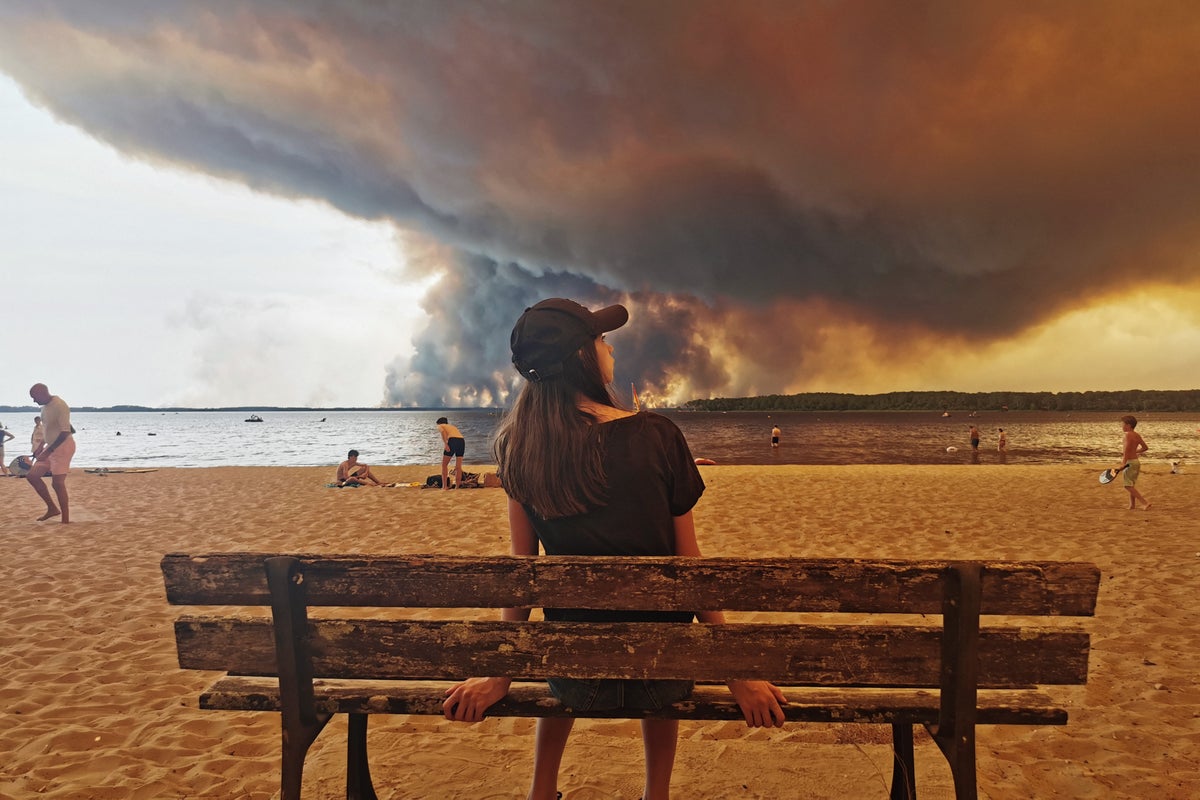
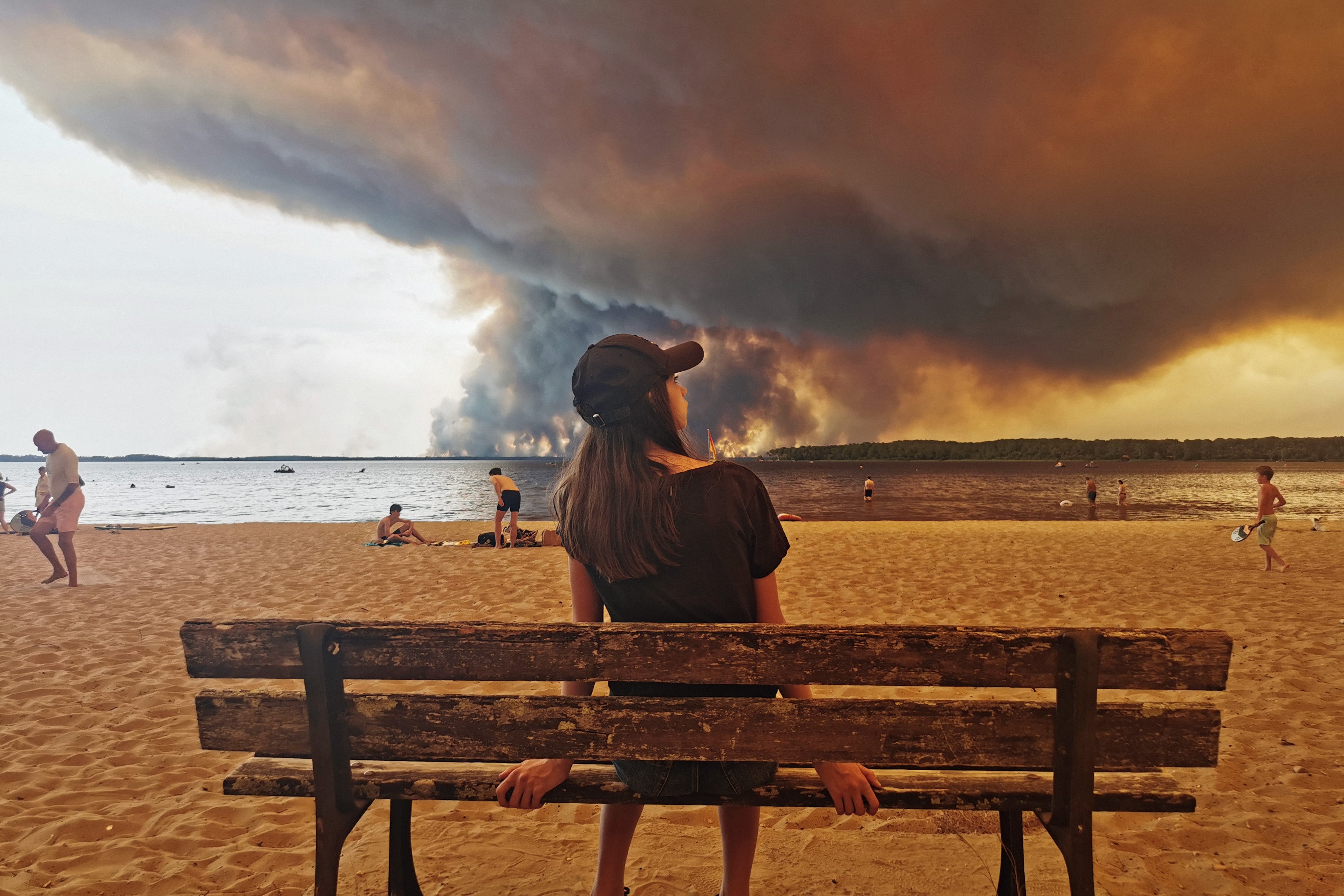
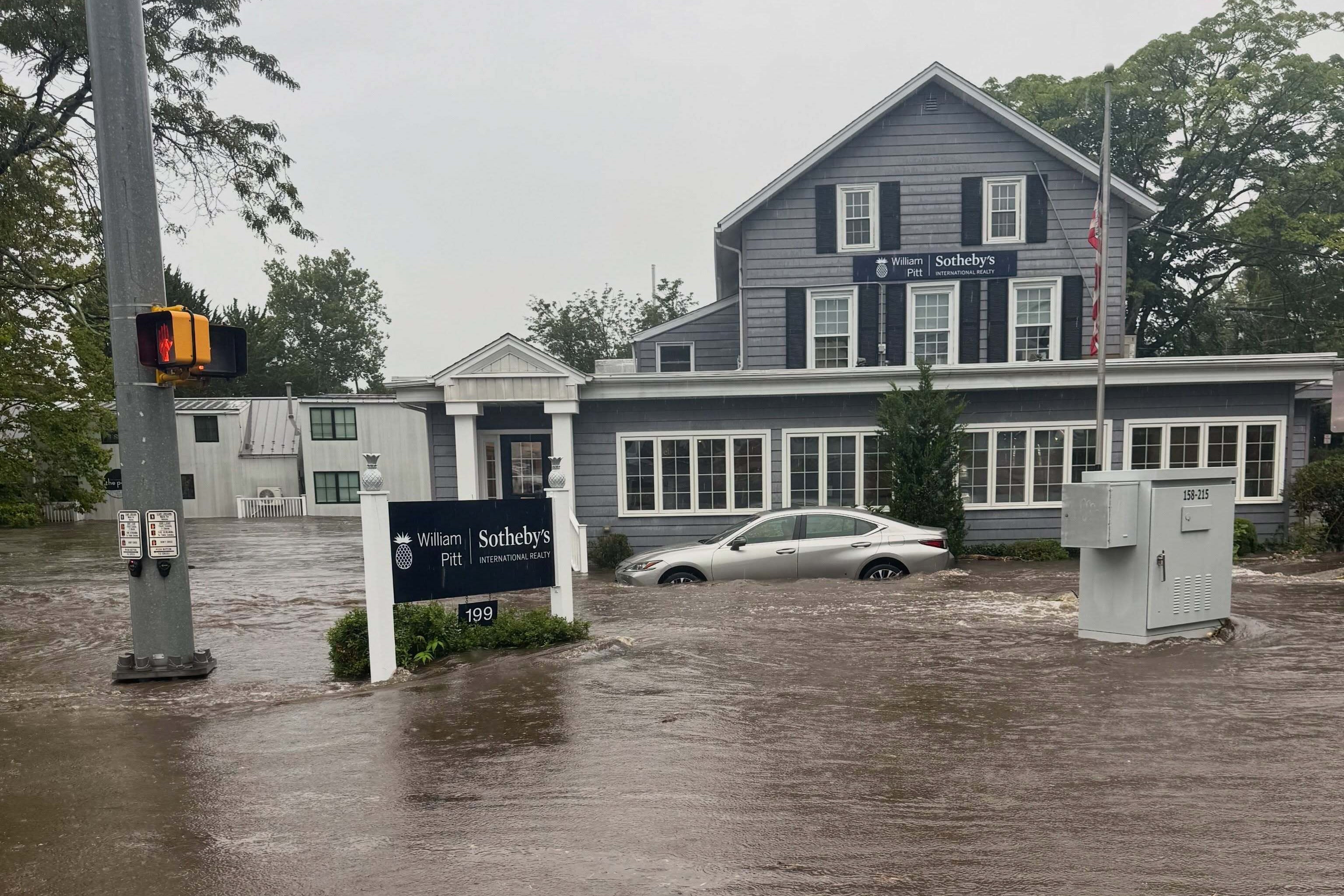
Anyone previously sceptical about global warming fundamentally changing our planet and how we live should have had those doubts firmly quashed this summer. Extreme temperatures and weather events have seen countries blighted by drought and famine, fatal flooding, landslides and wildfires. These are all concrete, quantifiable and very real threats to human life – unlike the murky risks of large language models.
There’s a reason the climate deniers have gone very quiet of late. Even those of us living in northern and western Europe, privileged enough to be buffered from the harshest consequences by a naturally mild climate, have not escaped unscathed this year. As much of Europe burned, an estimated 2,877 heat-associated excess deaths were recorded in England during the heatwaves of May and June 2026 – almost double the number recorded during the previous summer in its entirety.
 open image in gallery
As Prince William writes exclusively in The Independent, it is a “crisis” that “demands urgency”; an “inch by inch” approach of snail’s pace measures will no longer cut it when attempting to tackle the sheer scale of the problem, says the future king.
The situation is set to get worse before it gets better, thanks to the combined effects of man-made heating and what is gearing up to be one of the most intense Super El Nino events in recorded history: a much higher than usual warming of sea surface temperatures in the central and eastern tropical Pacific Ocean is set to have major weather implications and disrupt entire ecosystems around the globe.
More and more figures are making the argument that we need to start naming this ramping up of climate change-driven catastrophes for what it is: a huge and growing threat to our survival, and that of every other living thing.
Back in 2022, an international team of researchers led by the University of Cambridge demanded that the world needs to start preparing for the possibility of a “climate endgame”. They published a paper proposing a research agenda for bad-to-worst-case scenarios, ranging from a loss of 10 per cent of the global population to human extinction.
Climate change has played a role in every mass extinction event. It has helped fell empires and shaped history
Dr Luke Kemp, Cambridge’s Centre for the Study of Existential Risk
The team highlighted the very real danger of what have been dubbed the “four horsemen” of the climate apocalypse: famine and malnutrition; extreme weather; conflict; and vector-borne diseases. These are not invented boogeymen plucked from a dystopian future novel, but rather the genuine risks baked into rising temperatures. And we are starting to see them play out.
“There are plenty of reasons to believe climate change could become catastrophic, even at modest levels of warming,” lead author Dr Luke Kemp from Cambridge’s Centre for the Study of Existential Risk said at the time. “Climate change has played a role in every mass extinction event. It has helped fell empires and shaped history.”
Although extreme weather events – already happening with greater frequency – are of major concern, “paths to disaster” are not limited to the direct impacts of high temperatures, he added. “Knock-on effects such as financial crises, conflict, and new disease outbreaks could trigger other calamities, and impede recovery from potential disasters such as nuclear war.”
More recently, pressure is mounting for climate breakdown to be treated as a national and international emergency. The UK’s National Emergency Briefing campaign is currently calling for a wartime-scale response to the climate and nature crisis, starting with the government staging a live televised emergency briefing “as an essential step to unlock the massive scale response” now required.
More than 100,000 people have signed the petition for this, automatically triggering a Parliamentary debate. The campaign has also released The People’s Emergency Briefing film, a full-length documentary fronted by Chris Packham that’s being screened up and down the country to raise support and awareness of the urgency of the issue.
More and more figures are making the argument that we need to start naming this ramping up of climate change-driven catastrophes for what it is: a huge and growing threat to our survival
Meanwhile, Green Party leader Zack Polanski has called for an explosive report by the UK’s spy leaders to be published in full so that the public can be made aware of the full extent of the threat to national security posed by climate change.
A trimmed-down 14-page version was released in January, with much of the original content redacted at the behest of Downing Street. It warns of potentially devastating consequences: crop failures and severe food shortages within five years, water scarcity, novel diseases, inflation and price hikes, mass displacement and migration, supply chain disruptions, loss of livelihoods, political destabilisation and possible armed conflict and nuclear war – all as a result of the collapse of ecosystems around the world.
“Climate breakdown and nature security are the most immediate and severe national security threats facing our age,” Green Party MP Adrian Ramsay said in a recent parliamentary debate in which he made the case for urgent action and a dedicated Climate Protection Unit. “The fundamentals of human existence – food, water, health – all depend upon healthy, stable ecosystems.”
He added: “If this is not one of the gravest prevailing national security risks of our time, I do not know what is.”
Sure, let’s try to save the world from an AI takeover and avoid the total destruction of humanity in the next 10 years if we can; and, more importantly, let’s put a halt to the ever-expanding network of data centres draining much-needed energy, water and resources. But let’s not can’t allow vague sci-fi threats to distract us from the much bigger problem of climate change that’s already in front of us – otherwise, there might not be a world left to save.