


The Independent Home Channel is powered by Octopus Energy.
Swapping a gas boiler for a heat pump can feel like a big leap. Will the house stay warm in winter? Will there be enough hot water for a busy family? And will running the system actually cost less?
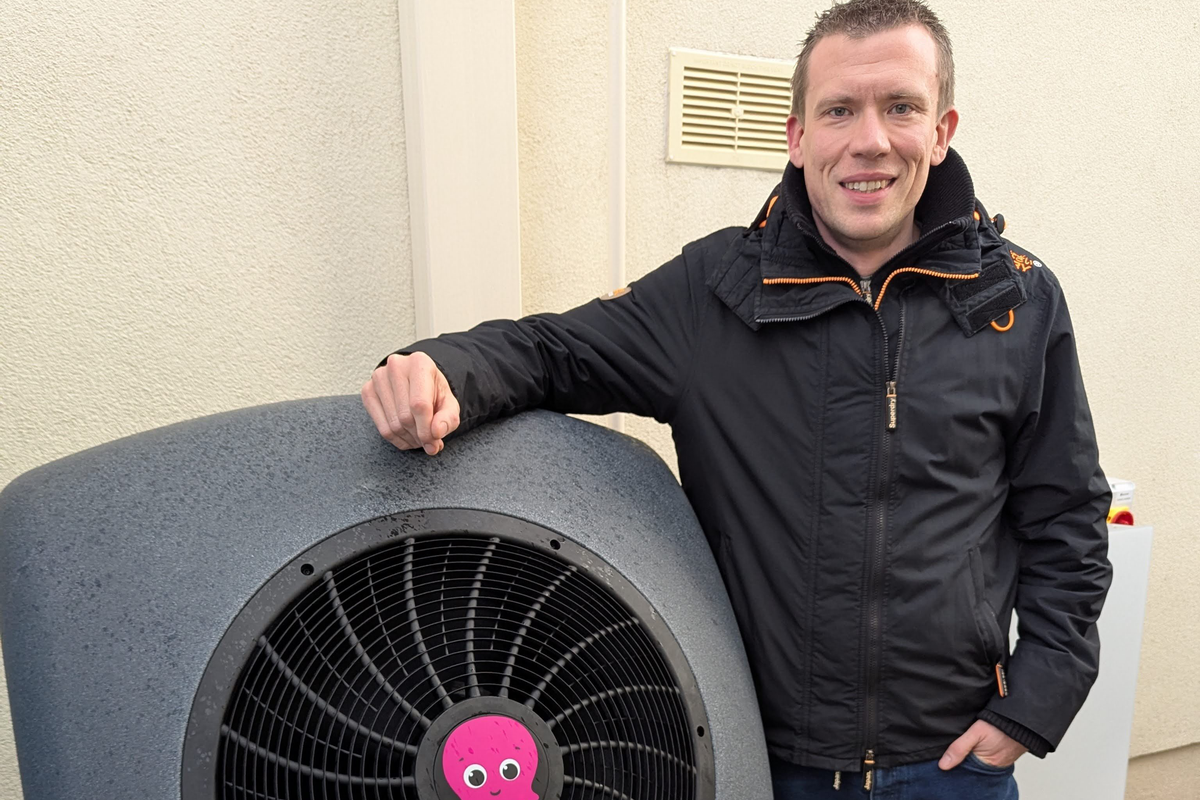
Those were some of the questions facing Paul and his family when they replaced the gas boiler in their four-bedroom Liverpool home with an Octopus Cosy 9 heat pump. Since making the switch, they’ve experienced everything from the installation itself to living with steadier heating, managing hot water and making use of cheaper electricity at different times of day.
So, what is it really like to live with a heat pump? Here’s what they learned after making the move away from gas.
When ambition meets reality
.png)
Before making the switch, Paul did his homework. He had no doubts about the system’s ability to heat their home, seeing the fears often voiced about heat pumps as similar to “range anxiety” with electric vehicles – something he had experience with and had long learned was largely unfounded. “I had zero anxiety at all about whether or not we’d be able to warm our house effectively. I guess that’s the heating equivalent of ‘range anxiety’. But both my wife and I have driven EVs for years, so we know that fears about them are a myth. I knew concerns about heat pumps not working in winter or in older houses are a myth too.”
Don’t listen to the naysayers or the people who have zero actual experience of heat pumps when they trot out the tired old disproved myths
The biggest barrier for many homeowners, including Paul, is the upfront cost. Government support, however, made the decision far easier. “I knew getting a heat pump would unlock far cheaper energy bills going forward, so it was worth doing everything I could to get one. Obviously, the £7,500 government grant was invaluable, and getting it was easy. Octopus did all that for me on my behalf.
Four days, minimal disruption and a warmer home
Paul considered a Daikin system but ultimately chose Octopus’ own Cosy 9 heat pump. The decision was guided by integration and future-proofing: the Cosy’s controls sit within the same app as their electricity account, aligning perfectly with other smart systems in the home, such as EV charging and solar battery storage. “I feel that is where the future innovation and clever automations are more likely to be – in the same way that Octopus can intelligently charge my car when energy is cheapest and greenest, I’m hoping that will become an option one day,” Paul explains.
Installation took just four days and caused minimal disruption. The results have exceeded expectations. “Our house has been lovely and warm all the time,” Paul says. “Don’t get me wrong, our previous gas boiler was capable of heating the house, but reservations about carbon emissions and the extremely high cost of gas central heating in recent years put us off having it on much in previous years.”
Heating your house using cheap off-peak electricity is a huge benefit which just doesn’t exist with gas
Noise has not been an issue. “99 per cent of the time you’re completely unaware of any noise. The heat pump’s gentle whirring happens outside, and when it’s cold, you’re generally inside. During the warm summer months when you’re outside your house in the garden, it’s generally off apart from when it’s doing the hot water cycle – even then, you have to go and stand right next to it if you want to hear it. It’s so quiet.”

See if an Octopus heat pump could save you money.
Advertisement
See if an Octopus heat pump could save you money.
Advertisement
Comfort is now a priority rather than a compromise. There’s plenty of hot water for morning showers and the kids’ baths at night, and the family keeps the thermostat at 23–24C, a significant step up from last year’s 17C. “This year is the first time since the energy crisis that we’ve been toasty and warm inside, without having to worry about huge bills. Heating your house using cheap off-peak electricity is a huge benefit which just doesn’t exist with gas,” Paul says.
Sign up to our Independent Home newsletter: your one-stop shop for home improvement inspiration, expert tips and exclusive offers.
Why we wouldn’t go back
.jpeg)
Ten months on, Paul says there are many things he no longer misses: the gas standing charge, the risk of carbon monoxide, and the anxiety over fluctuating gas prices. He has become a passionate advocate for heat pumps, stressing that the technology works effectively even in homes that are far from “perfect” in terms of insulation or installation conditions.
Read more: Are Octopus solar panels worth it?
“Just like with electric cars, don’t listen to the naysayers and the people who have zero actual experience of heat pumps when they trot out the tired old disproved myths about them being too noisy, not working, or costing a fortune. Take it from someone who has one and lives in a house with far from ideal and perfect installation conditions – they work brilliantly.”
For the family, the switch has not only brought tangible financial and environmental benefits but also a sense of reassurance and control over their home energy use. It’s a glimpse into what a greener, smarter and more cost-effective future for home heating could look like.
Explore Octopus heat pumps or verify our claims on the Octopus Energy website.