


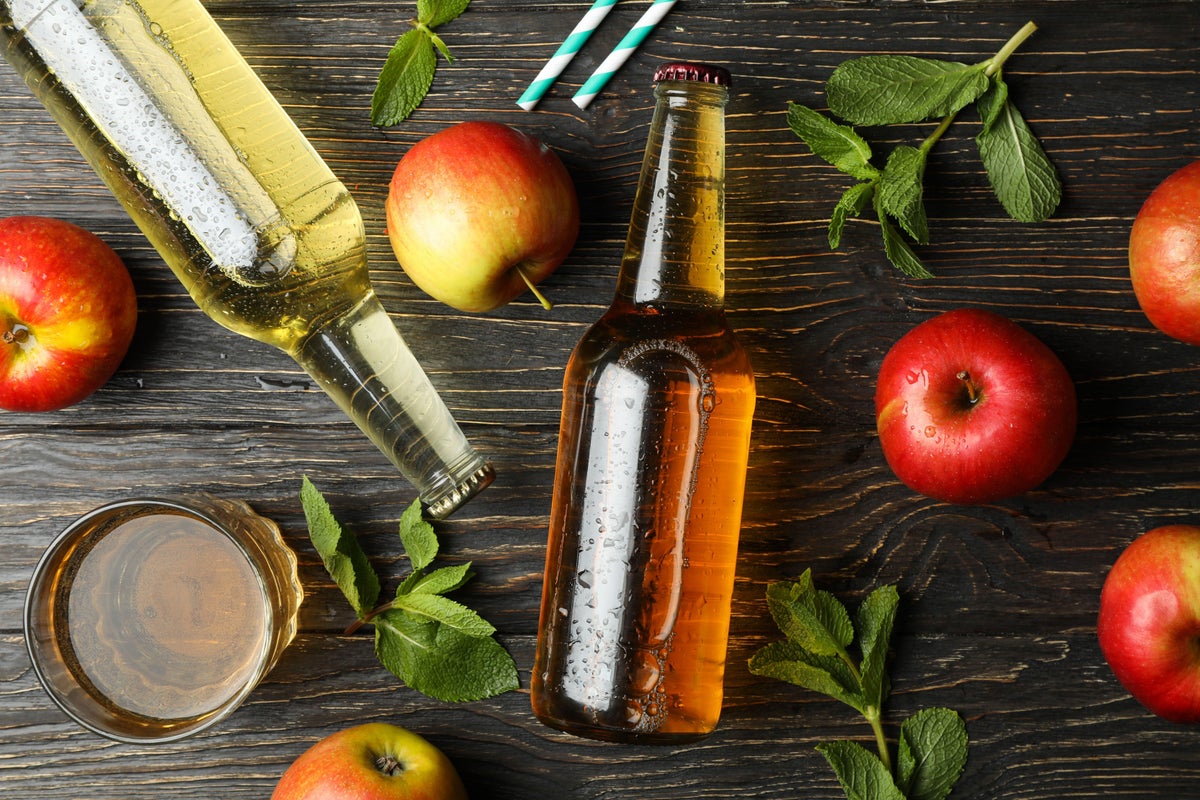
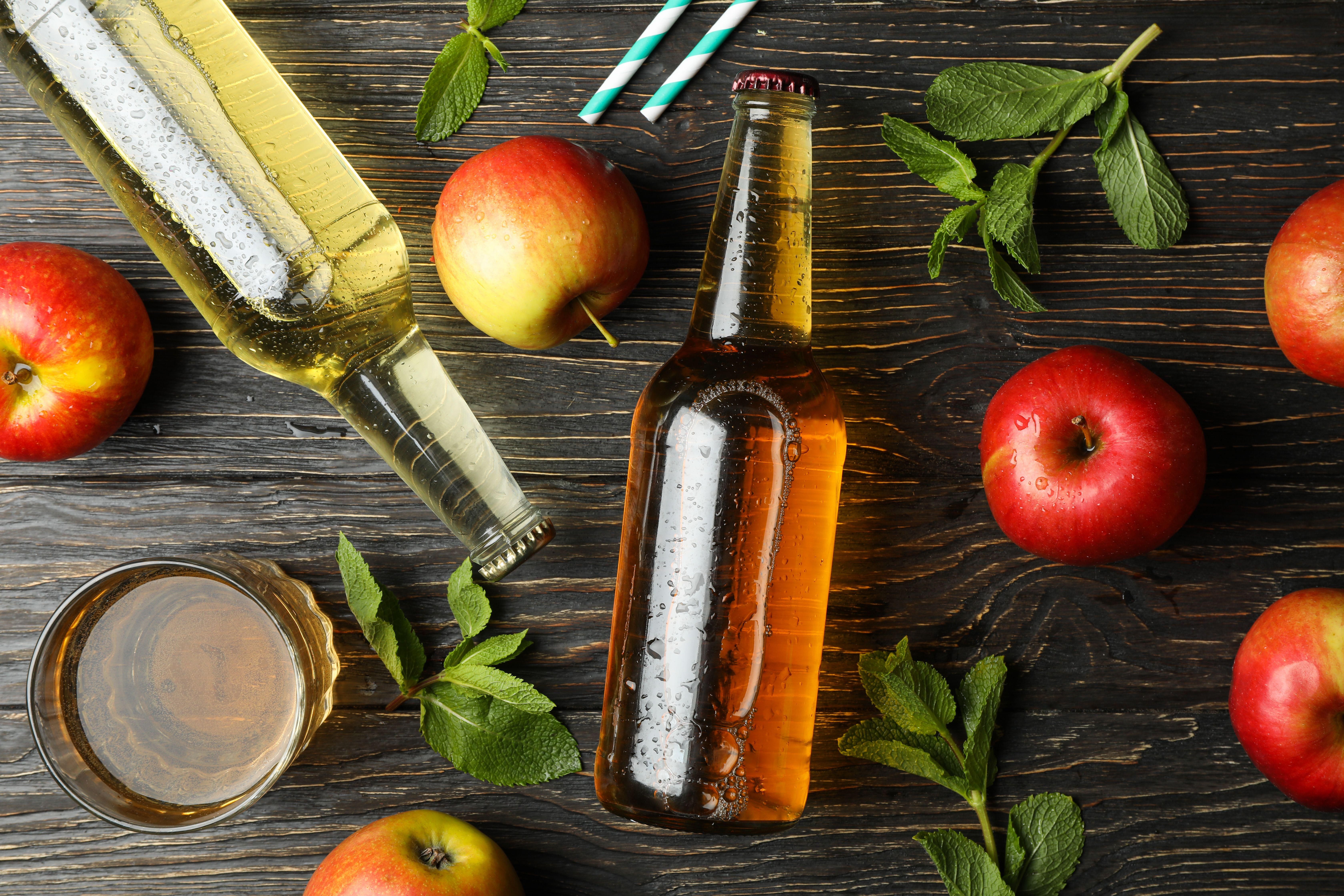
The back-to-back record-breaking heatwaves may have made pear cider super-strong this year.
That’s because prolonged droughts across the UK reduced the water content in apples and pears, which accentuated their natural sugars – the key to the flavour and alcohol content of cider.
While the hot weather has produced smaller, sweeter fruit this harvest, this concentrates the fruits flavours making it perfect for making cider.
Perry vintage cider, barrel-aged alcoholic pear cider, is expected to do particularly well due to the increased sugar content, but it may leave drinkers with a headache as some ciders could exceed 8.5 per cent.
 open image in gallery
“We can hope and anticipate that we have a bumper perry harvest [this year],” Gillian Hough, the vice-chair of the Campaign for Real Ale, told The Telegraph.
“Sweetness within the fruit will be fermented into ABV [alcohol by volume] so you’ll get higher ABV and possibly drier products because all the sugar’s gone. However, perry’s the exception because of the sorbitol – it will still remain sweet.”
Although the scotching conditions have boosted the quality of pear cider, and encouraged more people to drink it, the dry weather also caused trees to start wilting and snapping.
The higher alcohol percentage can also result in a higher tax duty.
For example, if the perry is 8.5 per cent or more, it’s not taxed as a cider or perry but as a wine, Gabe Cook, a cider expert known as The Ciderologist, told the publication.
 open image in gallery
But it’s not just cider affected by the hot weather; champagne has also become more alcoholic.
Hot weather in France has caused alcohol levels to increase to 15 per cent.
Champagne houses are usually under strict guidance to limit the drink to 13 per cent, but the country’s National Origin and Quality Institute has authorised the one-off exemption.
Due to climate change, “this unusual harvest will probably become the norm in 10 to 15 years”, said Maxime Toubart, the co-chairman of the Comite Champagne.
It “should prompt reflection on the champagne of tomorrow”, he said.
Some producers have expressed concern that the high alcohol content may be off-putting for buyers, following the recent push for drinks with a lower alcohol content.
Sparkling wine producers are now eyeing up vineyards in England as a result of the heatwave conditions in the south of the country.
Tattinger now owns a vineyard in Kent, and Vranken-Pommery has opened a site in Hampshire.