


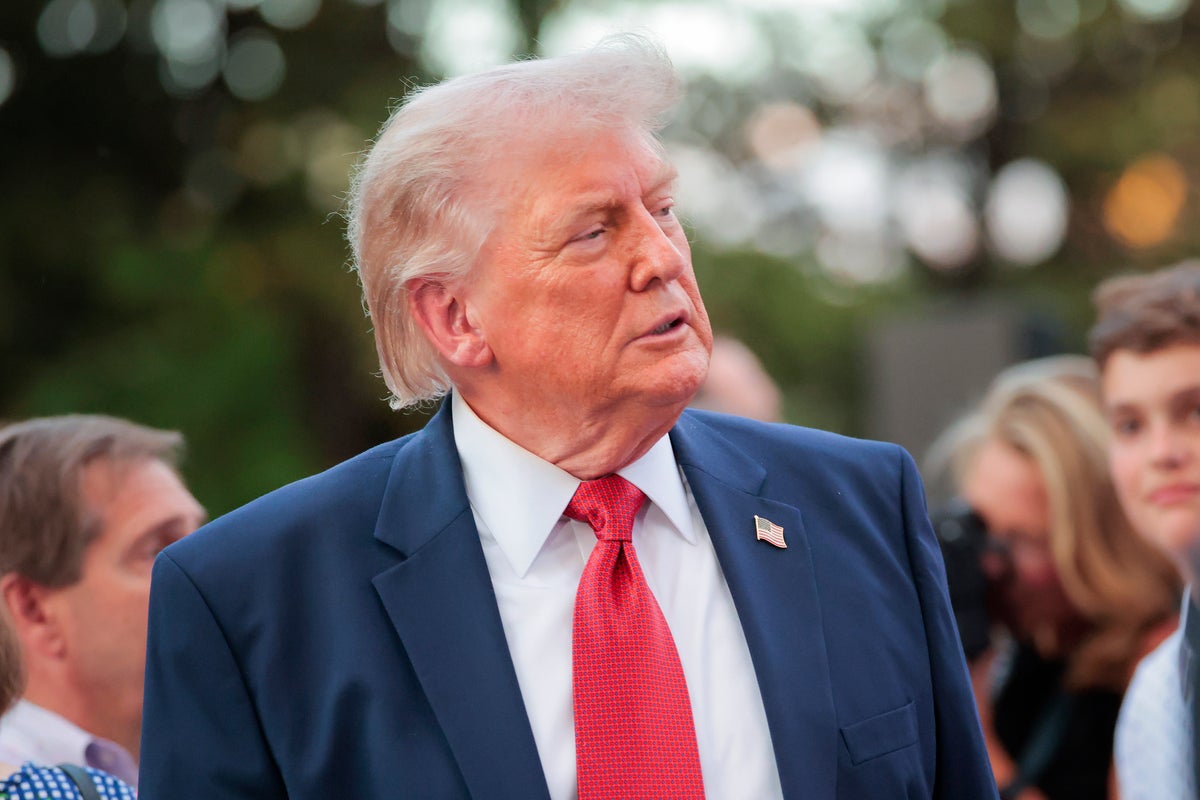
A notable shift is underway within the Republican Party, as lawmakers in Congress, long perceived as unwavering allies, are increasingly challenging Donald Trump. This growing willingness to break ranks signals a potential new dynamic in Washington.
Over the past week alone, various Republican factions in both the Senate and House of Representatives have openly defied the president. These instances include rebuking his stance on Iran, rejecting a $1 billion funding request to his White House ballroom, forcing a retreat on his $1.8 bilion “anti-weaponization” fund, and blocking his proposed domestic spying legislation.
Furthermore, the House passed a bill on Thursday to provide aid to Ukraine and impose new sanctions on Russia, a measure widely expected to face a presidential veto.
While some Republicans and Democrats remain skeptical of a full-blown revolt, a burgeoning coalition of Republicans is demonstrating a readiness to oppose Trump.
This group includes individuals he has personally sought to remove from office, potentially threatening his more ambitious initiatives leading up to Election Day.
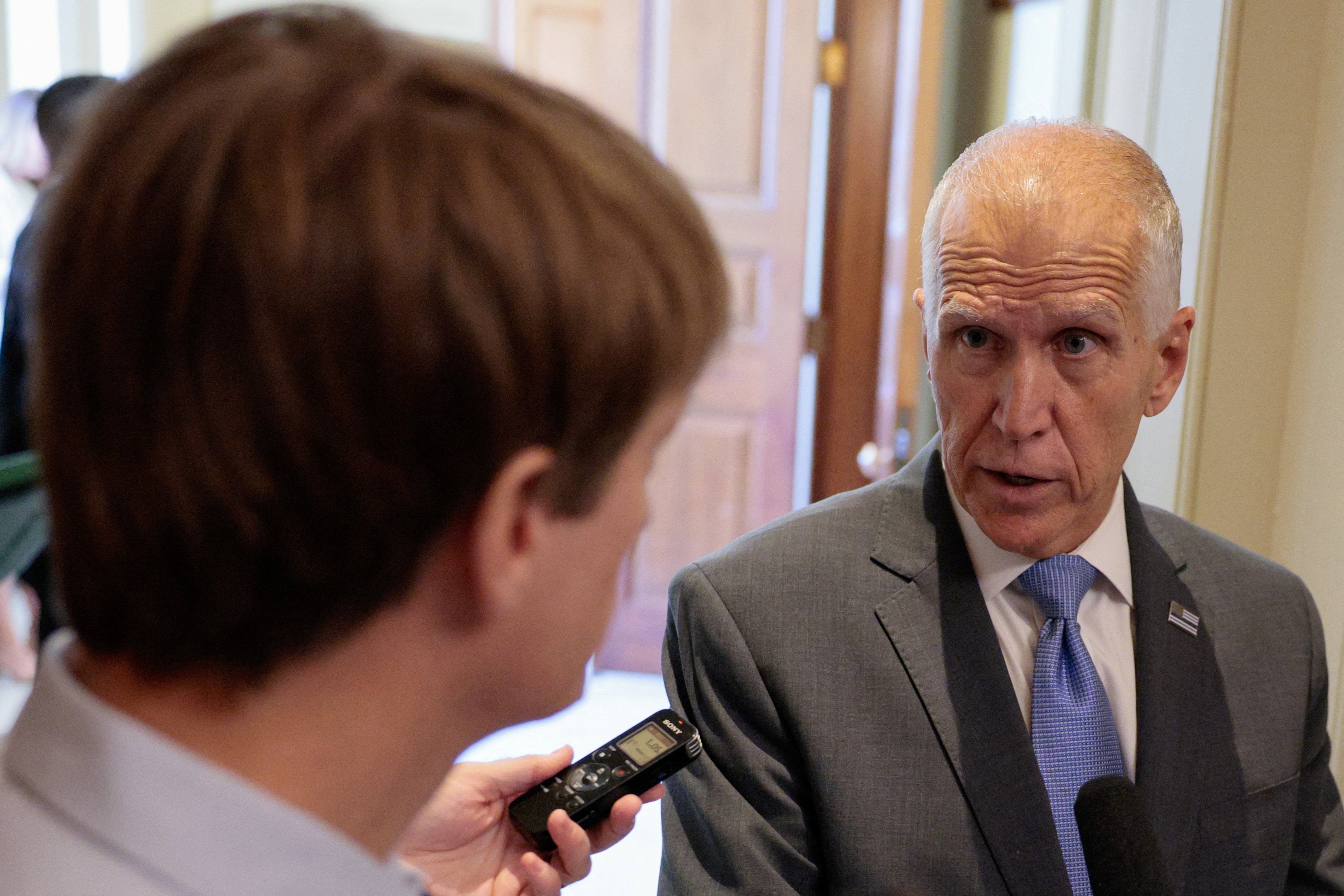
“I think what you’re seeing as you get closer to the election is that people are going to vote the way they think their constituents want them to,” stated Republican Sen. Thom Tillis, who announced his retirement last year after opposing the president’s “One Big Beautiful Bill.”
 open image in gallery
Democrats largely downplayed the significance of these defections, arguing there is little evidence of widespread party defiance on major issues.
“The people that are breaking with him are ones that were put out by Trump,” said Sen. John Fetterman, a Democrat who has been known to support Trump-backed initiatives. “That actually demonstrates his absolute control over the party.”
A White House official, speaking anonymously, attributed Republican dissent to “election-year politics.”
The individual noted, “Not every single member will absorb the political cost on every single issue.”
White House spokeswoman Abigail Jackson added, “While the media and Democrats attempt to sow nonexistent divisions, we look forward to continuing this close relationship to continue fulfilling President Trump’s agenda.”
For years, Republican lawmakers largely displayed public loyalty to Trump, backing controversial cabinet appointments, offering minimal resistance to his executive orders, and supporting his signature legislation despite concerns over the ballooning deficit and cuts to the Medicaid healthcare program for low-income Americans.
However, lawmakers and aides indicate that frustration and resentment have mounted, particularly after Trump opposed the re-election bids of Republican Senators Bill Cassidy and John Cornyn, and jeopardized the Republican agenda in Congress with a series of ill-timed announcements.
A critical turning point occurred just before the U.S. Memorial Day holiday.
Trump’s decision to oppose Cornyn’s re-election and the announcement of his “anti-weaponization” fund compelled Senate Republicans to abandon a $70 billion immigration enforcement funding bill, leaving Washington in a mood of anger and frustration.
“That was kind of like a perfect storm of events,” a Senate Republican aide remarked.
The Senate ultimately passed the immigration enforcement funding bill on Friday.
Republicans voted against a Democratic amendment to block the “anti-weaponization” fund, even as some expressed concern it could be used to compensate January 6 Capitol rioters and other Trump political allies.
Trump also appointed loyalist Bill Pulte to replace Tulsi Gabbard as a temporary Director of National Intelligence, despite misgivings from key Republicans. Senator Mitch McConnell made it clear he would not support Pulte as a permanent DNI, emphasizing that the law requires nominees with extensive experience. “No nominee who falls short of this requirement will earn my vote,” he stated.
To date, much of the Republican opposition in the House and Senate has been largely symbolic. Three electorally vulnerable Senate Republicans – Susan Collins, Jon Husted, and Dan Sullivan – joined a Democratic effort to ban Trump’s “anti-weaponization” fund on Thursday, though the measure did not pass, nor did two other Republican attempts to end the fund.
“This whole exercise is to pass President Trump’s top agenda item to secure the border, fund ICE. What’s happening on the floor right now shows the solidarity that we have with the president,” said Republican Senator Jim Banks, a Trump ally, as lawmakers cast their votes.
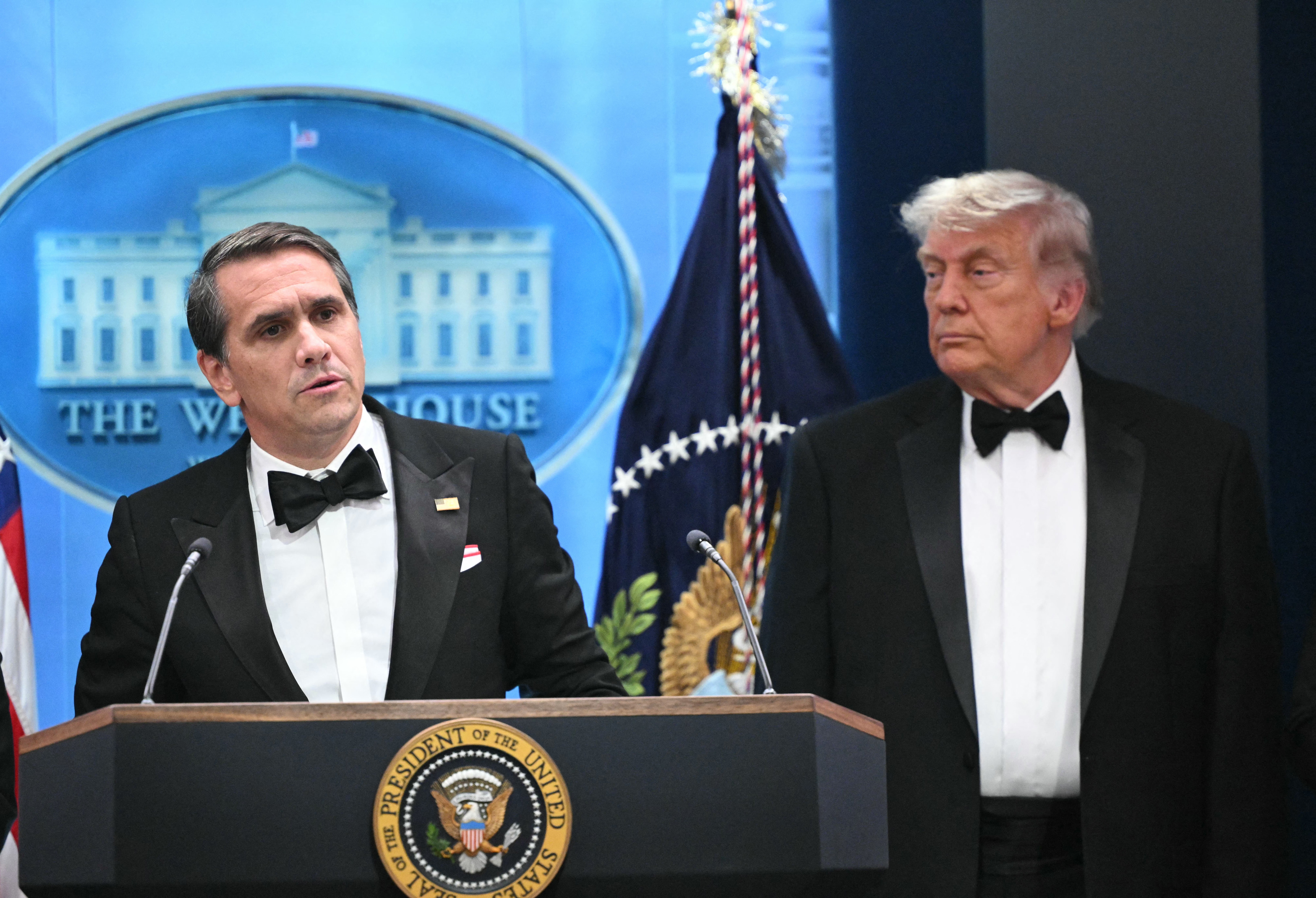
Trump’s next significant challenge is likely to be his anticipated nomination of his former attorney, Todd Blanche, as permanent U.S. attorney general.
 open image in gallery
This move could face an arduous battle in the Senate, starting with the Judiciary Committee, which includes Cornyn, a figure who has faced Trump’s retribution.
Cornyn indicated his support would hinge on Blanche’s responses to specific questions.
“The attorney general is not the president’s private lawyer,” Cornyn told reporters. “I want to make sure he understands the difference and is committed to making sure that the law is enforced.”