


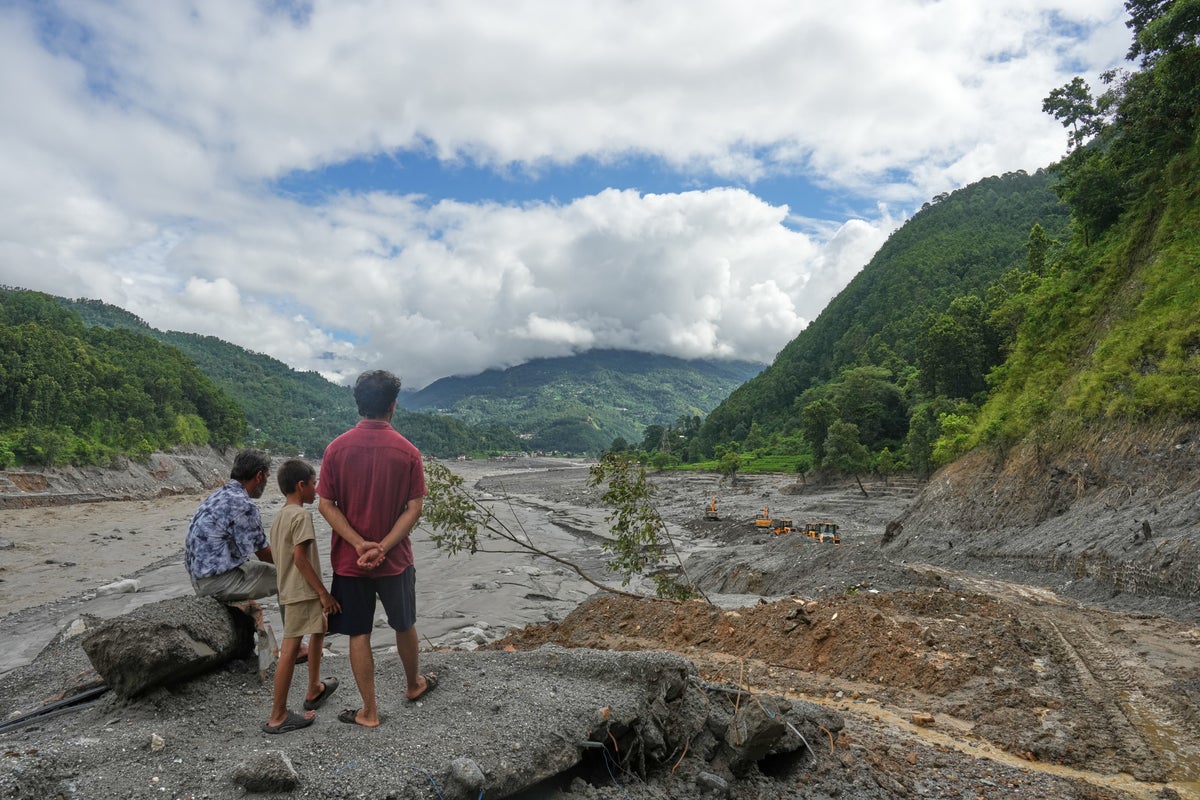
A major US aid programme to Nepal that monitored climate risks including glacier collapses – an event that is believed to have led to the ongoing flooding disaster in the country – was ended in January 2025 after Donald Trump issued a sweeping freeze on US foreign aid in his first week in office.
Run jointly by NASA, the US Agency for International Development (USAID), and the International Centre for Integrated Mountain Development (ICIMOD), the programme – SERVIR-Hindu Kush Himalaya (SERVIR-HKH) – tracked risks related to floods, glacial lakes, and water supplies, while also monitoring local weather patterns other environmental changes.
US funding for SERVIR-HKH was concluded last year as Trump and his Department for Government Efficiency (DOGE) undertook a series of measures that would ultimately lead to the effective closure of USAID, and overall US aid falling by 57 per cent in the space of just one year.
“For years the generosity of the American people funded highly effective disaster risk reduction work around the world… [And] this program is exactly the kind of effort one might expect this administration to embrace: it leverages American technological leadership and NASA’s scientific expertise to deliver potentially highly cost-effective, potentially life-saving interventions,” Jocilyn Estes, a former senior policy advisor at USAID who now works for the Center for Global Development, told The Independent.
“It’s too early to know whether better monitoring or a more sophisticated early-warning system could have enabled evacuations or saved lives in this terrible tragedy, and it’s difficult to draw a direct line from the scale of this disaster to the cancellation of USAID’s climate programming,” she added.
Jeremy Konyndyk, who ran the USAID response to the 2015 Nepal Earthquake, agreed that it is “hard to say” if SERVIR-HKH and other USAID disaster response projects could have been able to foresee this particular flooding event, but doing so was “their purpose”.
“Sadly, it’s hard to anticipate or mitigate climate hazards which your ideology has decreed do not exist,” he added in comments shared on X, referring to the fact that the US government specifically targeted for closure climate-focused programmes like SERVIR-HKH.
The Independent has approached the US State Department for comment.
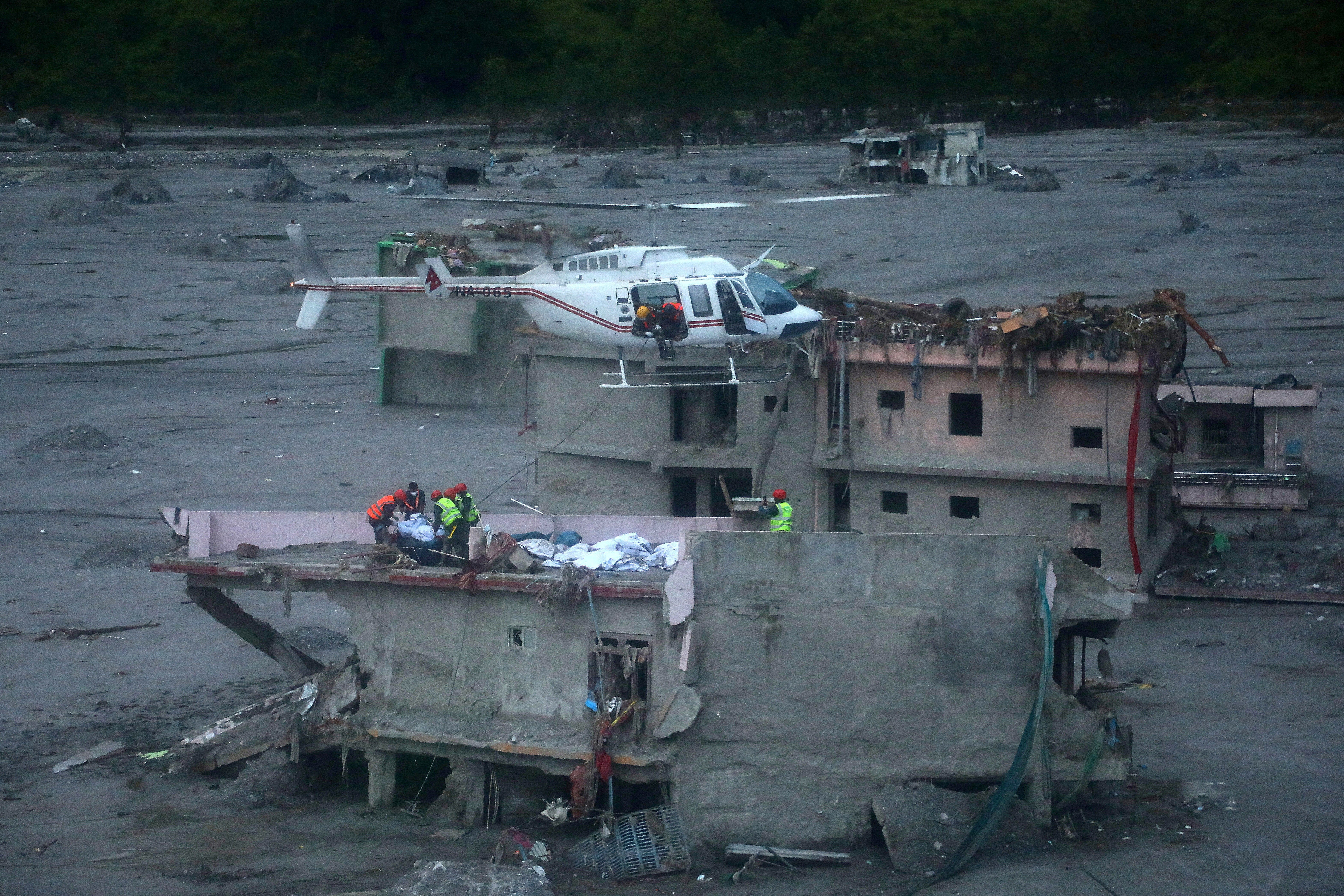
“Programmes that bring together satellite data, local knowledge and climate science can play a critical role in helping countries like Nepal prepare for increasingly dangerous events,” added Jean McLean, chief influencing officer for Oxfam GB, which is supporting the aid respond to the floods and has an ongoing appeal for donations. “Aid cuts are undermining efforts to respond to Nepal’s devastating floods, underscoring the urgent need for greater investment in climate resilience and disaster preparedness.”
Nepal’s flooding was caused by a catastrophic glacial collapse along the Nepal-China border in the Hindu Kush Himalaya, which is the part of the world that holds the largest volume of ice outside the polar regions.
Early estimates suggest that rebuilding costs could be between $4-5 billion (£3-3.7bn) – around a tenth of Nepal’s GDP – while the final death toll is expected to run into the thousands.
Entire villages have been buried under mud and boulders, while five planned and nine operating hydropower plants have been severely damaged, according to Nepal Electricity Authority.
At the time of writing, more than 900 hydropower workers are missing, while the operating hydropower plants that have been hit account for about 8 per cent of Nepal’s power generation.
Climate change is a major risk factor for glacial collapses such as this, according to scientists, with Nepal considered to be particularly at risk due to the size of its glaciers and the fact that it is experiencing global warming at twice the global average.
The country’s exposure comes despite the fact that it contributes to less than 0.1 per cent of the global greenhouse gas emissions that are causing the climate crisis.
Nepal’s prime minister Balendra Shah has called for stronger global action on climate change as well as financial support in the wake of the disaster.
Speaking to The Independent, Daljeet Kaur, head of climate justice at Save the Children UK, said: “Nepal is a country that has done little to contribute to global warming temperatures and yet is incredibly vulnerable to their impacts.
“High income countries and historical emitters must recognise children’s unique vulnerabilities to climate change, and give high-quality, flexible and affordable funding to lower-income countries like Nepal.”
This article has been produced as part of The Independent’s Rethinking Global Aid project