


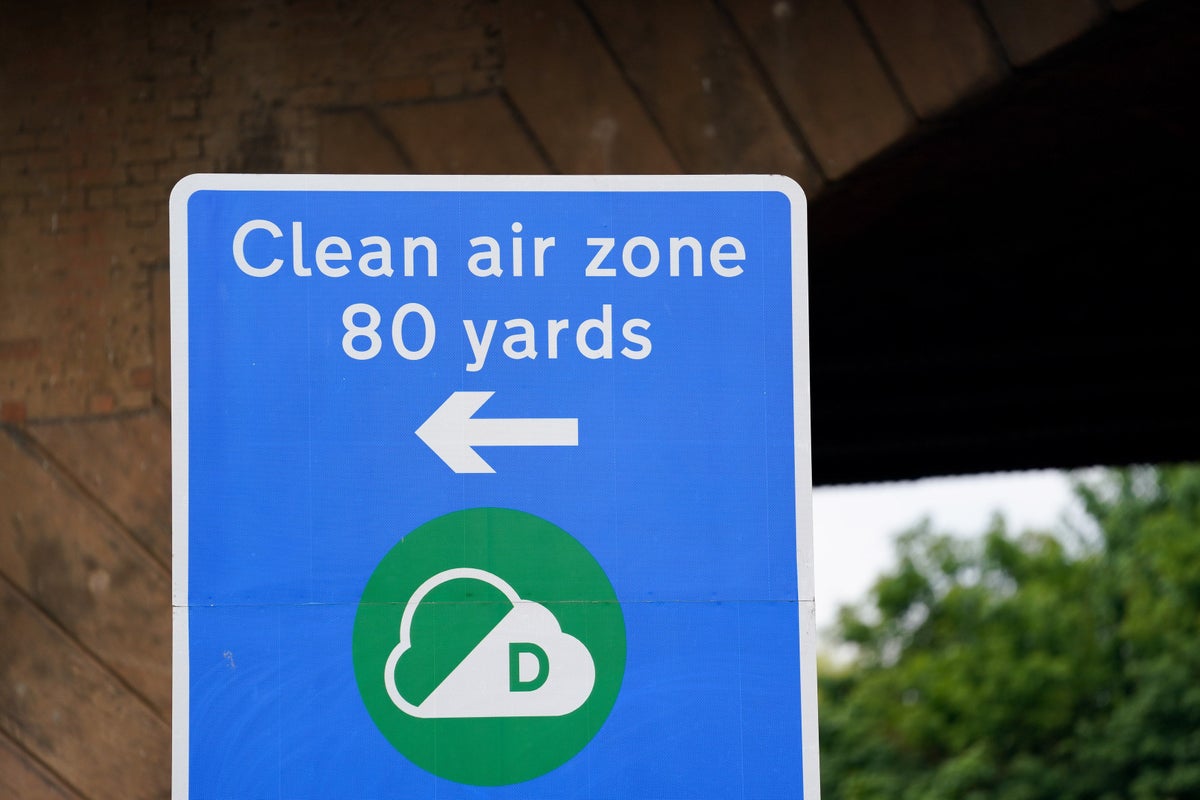
Birmingham City Council has paid more than £470,000 to itself in fines after its own vehicles have been breaking the council’s Clean Air Zone policy.
Since the scheme, known as Caz, began in the city centre five years ago, non-compliant vehicles belonging to the council’s fleet have resulted in 3,262 daily charges and fines amounting to £472,253.
Clean Air Zones charge for vehicles that do not comply with minimum emissions standards, while others use measures for improving air quality, such as retrofitting certain vehicles or rerouting traffic.
The daily charge for cars, vans and taxis is £8 in Birmingham, and £50 for HGVs and coaches unless a valid exemption is in place. Anyone who fails to pay within six days after entering the zone faces a £120 fine, which is reduced to £60 if paid within 14 days.
The data, obtained by the BBC using the Environmental Information Regulations, did not specify if the council paid higher fines for late payment over all of the five years. The most recent fines in the past financial year covered by council purchase cards were all paid by City Operations.
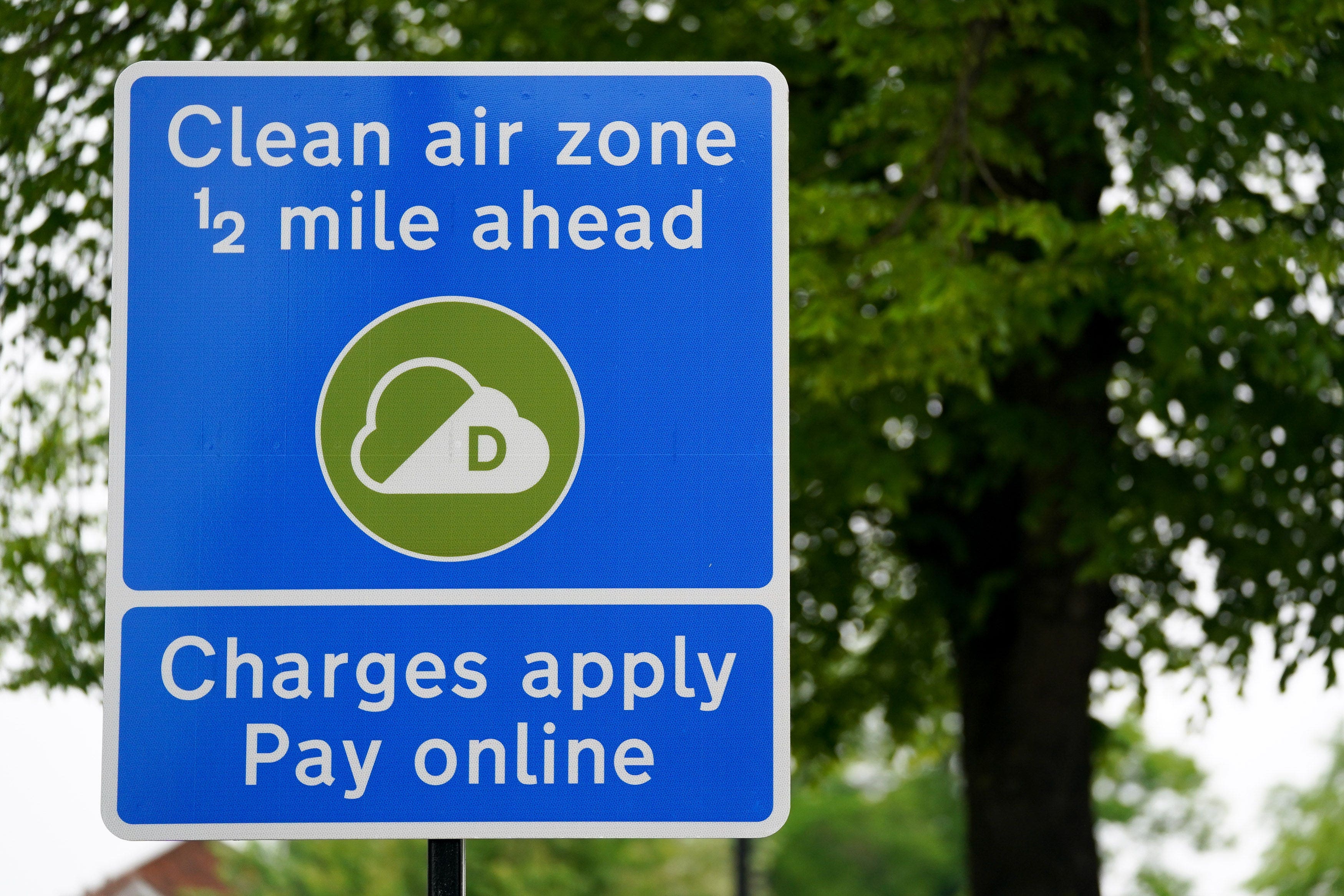
The majority of the vehicles that were hit with the daily charges were from the waste department, despite a bin strike in the city since January 2025.
A spokesperson said the council has “historically owned and operated a large fleet of over 1,100 vehicles”, many non-compliant with Caz and thus subject to paying the daily fee.
But a replacement programme over the last year has reduced this number to 142, all under review and “on track to be removed from the fleet” so that “the entire waste, street cleansing and grounds fleet is now fully compliant with the Clean Air Zone”.
In a statement, a Birmingham City Council spokesperson added: “Further changes have also been made to other vehicles which have either been decommissioned or replaced with electric alternatives.
“The council’s policy is that drivers are responsible for paying any fines they incur themselves using their own vehicles for work, unless there is evidence that the penalty resulted from a council-related issue or error.”