


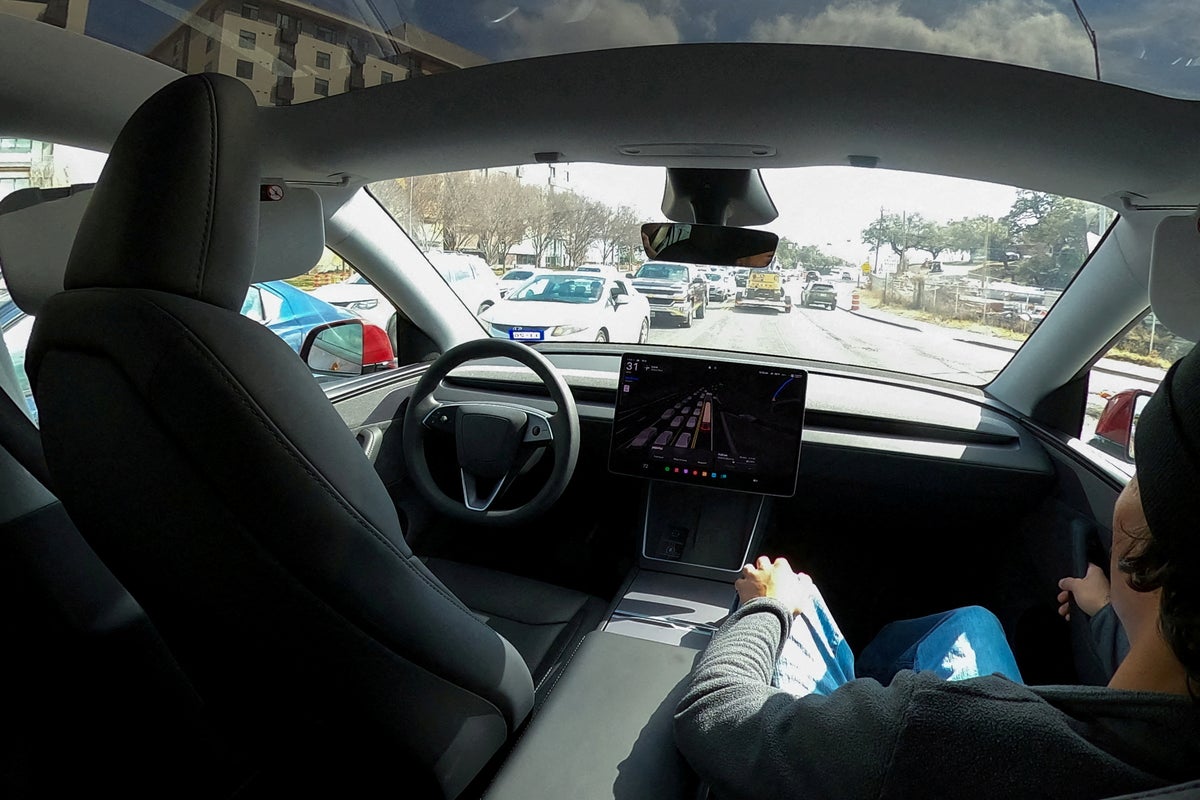
Tesla’s plan to unleash 5,000 driverless taxis on Las Vegas has run out of gas – as state officials approved just a tiny fraction of what the Elon Musk-led company hoped for Sin City.
The Nevada Transportation Authority approved Tesla Robotaxi, LLC’s application on July 27, but just for 10 robotaxis.
The vehicles are restricted to the Las Vegas Strip corridor and a maximum speed of 45 mph, Axios reported Friday. The company also cannot pick up passengers at Harry Reid International Airport, even though the airport was included in Tesla’s original application.
Any expansion of the fleet or operating area will require additional state approval, according to the outlet. The permit also requires Tesla’s vehicles to be clearly labeled “robotaxi” and for passengers to be notified that they are riding in a driverless vehicle.
The Teslas will also need “appropriate human supervision” during trips. It is unclear whether that supervision requires a safety driver inside the vehicle or remote monitors. Despite the restrictions, the approval document does not explain why regulators reduced the requested fleet size, Axios reported.
 open image in gallery
The Independent has contacted Tesla and the NTA for comment.
Tesla was not the first company to bring driverless ride-hailing to Las Vegas. Zoox has already launched paid robotaxi service on the Strip, while Waymo and Uber have submitted applications to the Nevada Transportation Authority to operate as autonomous vehicle network companies and are awaiting consideration, Fox 5 reported.
Zoox currently has about 50 robotaxis in Las Vegas.
Meanwhile, Zoox has already received federal approval and begun charging for driverless rides on the Las Vegas Strip. The company offered free rides under interim Nevada approval beginning in May 2025 before launching paid service.
Fares are expected to be competitive with traditional ride-hailing services, with possible location-based fees at destinations including Harry Reid International Airport, the Sphere and T-Mobile Arena.
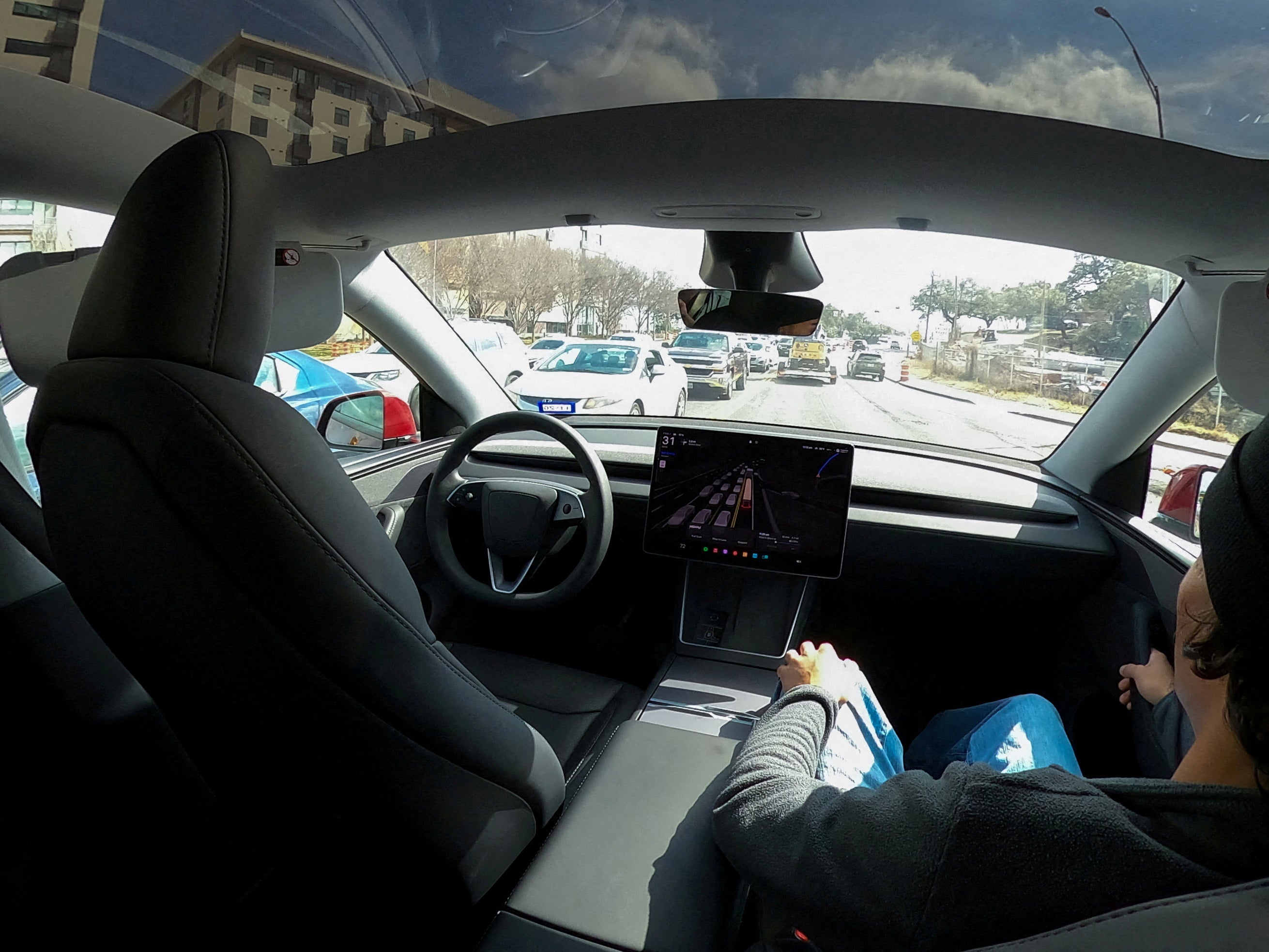
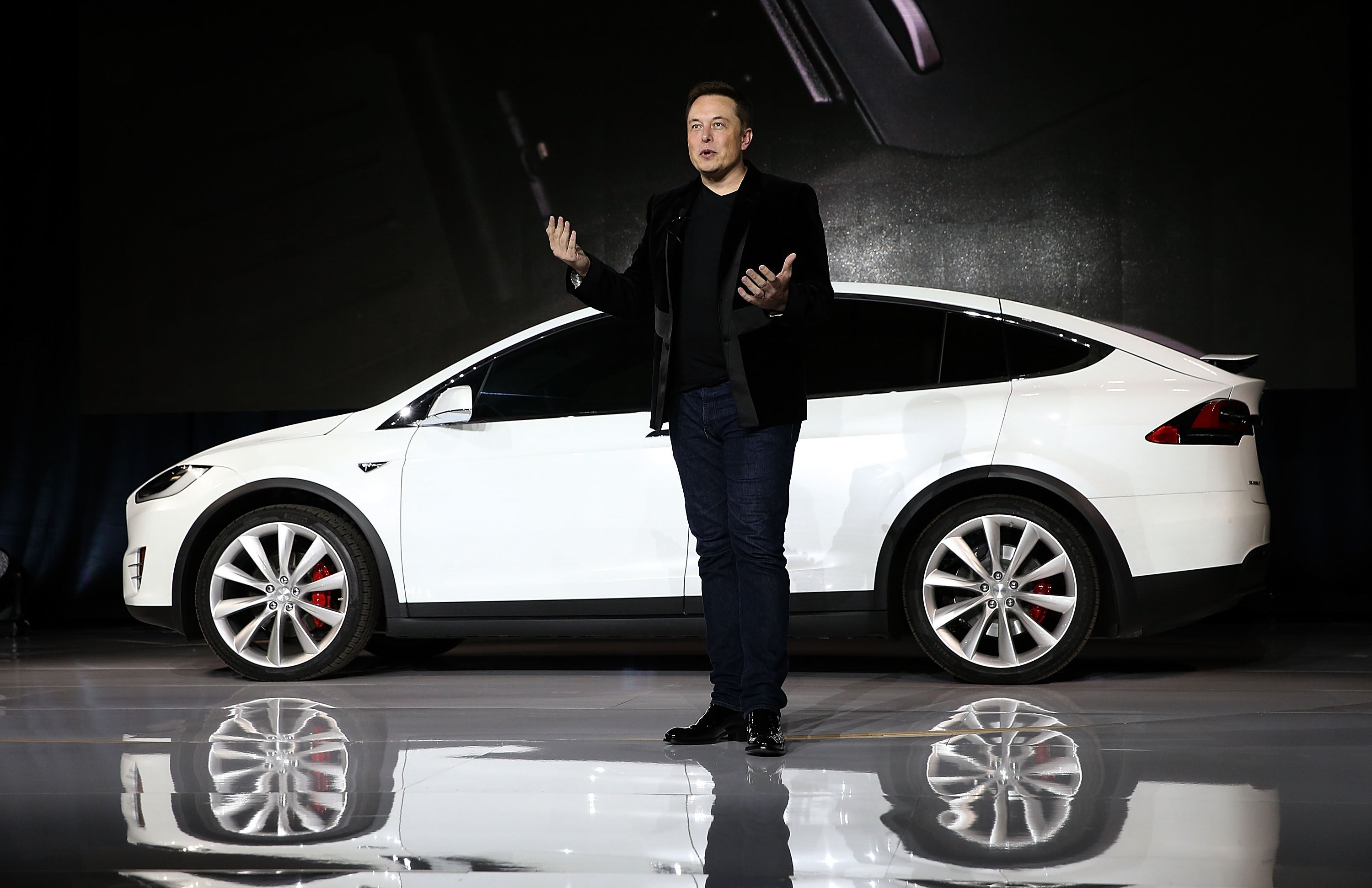
Tesla’s limited Vegas fleet is also consistent with its gradual robotaxi rollout elsewhere. The company currently offers autonomous rides in Austin, Texas, Dallas and Houston, with operations expanding incrementally rather than through an immediate large-scale deployment. Tesla’s own filings show it has been preparing to expand into additional markets, including Las Vegas.
 open image in gallery
The company has cited safety validation as one of the main factors limiting how quickly it can expand its robotaxi fleet.
Tesla has started developing its next-generation FSD v15 software, which it has linked to a larger robotaxi rollout, Axios reports. Tesla has said it expects the software to ship in late 2026 or early 2027, although early versions of FSD v15 are already being tested on its existing robotaxi fleet.
Tesla also faces a separate regulatory hurdle with its purpose-built Cybercab, which is designed without a steering wheel or pedals. The company has not applied for a federal exemption from vehicle safety requirements, meaning it would need to comply with those federal rules before the Cybercab could be deployed on public roads, according to Axios.