


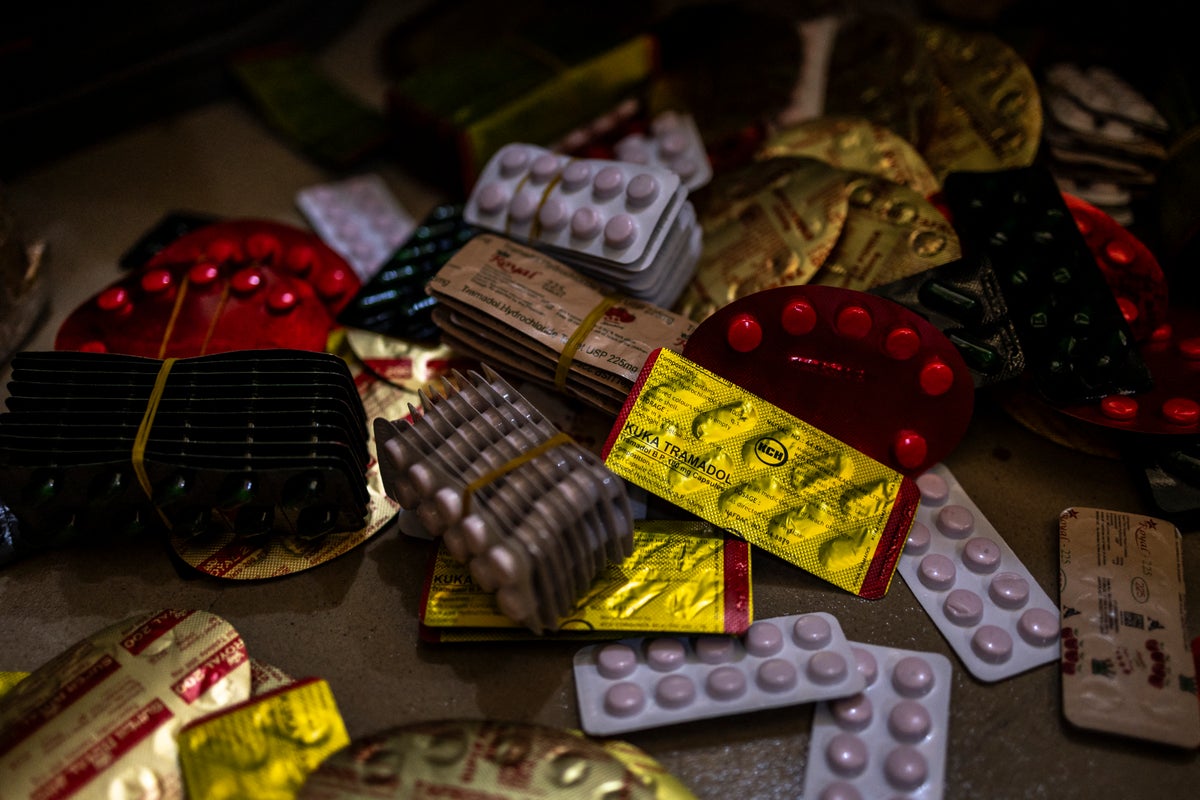
Problematic drug use in Israel has risen sharply following October 7, with prescription sedatives and opioids showing some of the steepest increases, according to new data from Israel’s Center on Addiction and Mental Health (ICA).
Professor Shauli Lev-Ran, co-founder and academic director of the ICA said that the centre’s surveys, which have been conducted regularly since 2018, show a marked rise in addictive substance misuse.
Spiking in the months after the October 7 attacks, the increase has failed to come down since, where problematic substance use has continued to affect around a quarter of the population from December 2023 onwards.
With such use often leading to addiction, “[Israel] may be facing another serious problem,” Lev-Ran warned.
Sedatives show the sharpest rise
The problematic use of sedatives and sleeping pills has risen from 3.8 per cent in 2022, to 10.2 per cent in 2025 — a steep 168 per cent increase.
Both opioid and stimulant use have also almost doubled.
 open image in gallery
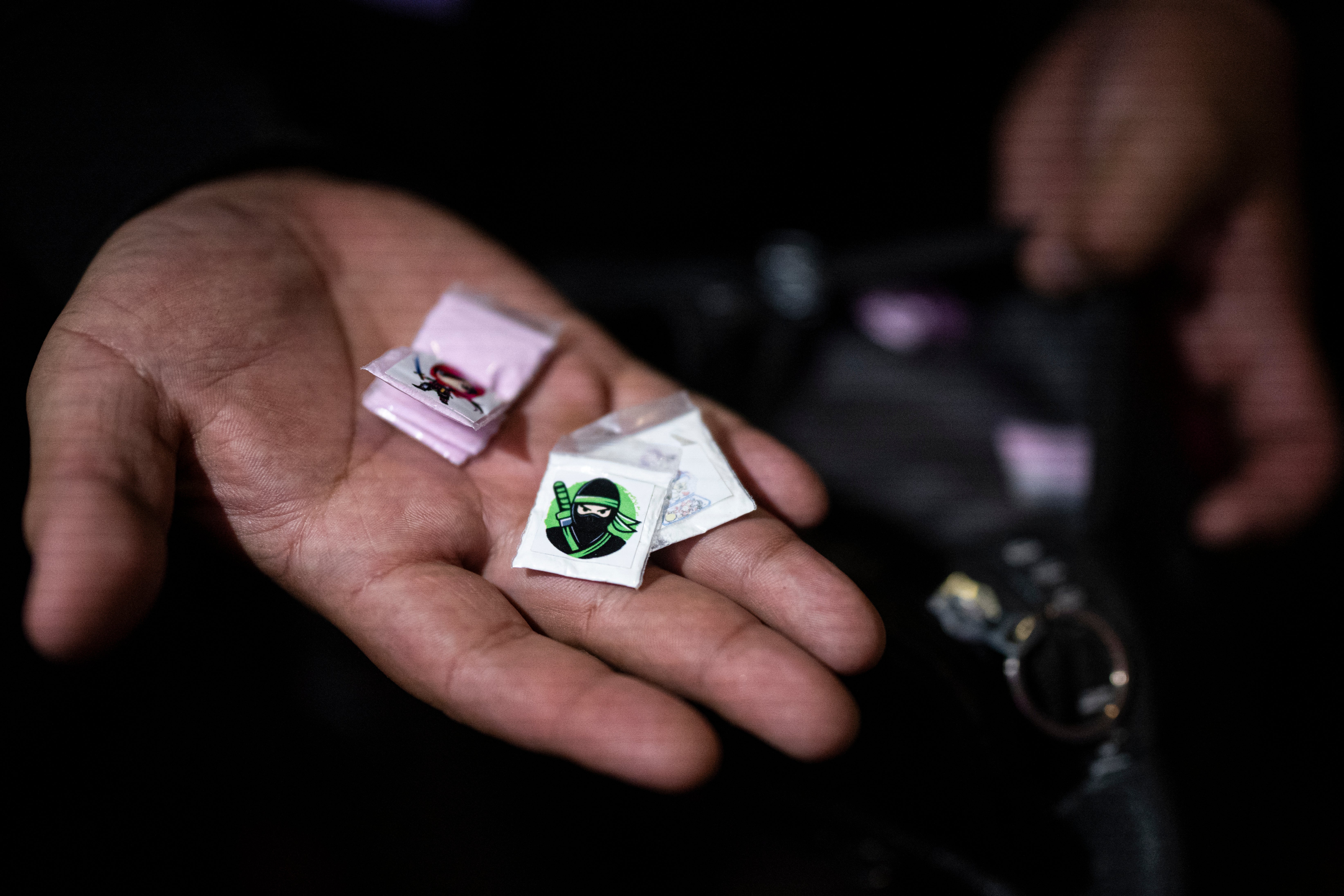
The proportion of respondents meeting the criteria for problematic use of at least one drug is now 20.8 per cent, according to the ICA.
When alcohol is included, this figure reaches 26.8 per cent, or 1 in 4 people — completely surpassing pre-October 7 levels.
What is Gen-Z using?
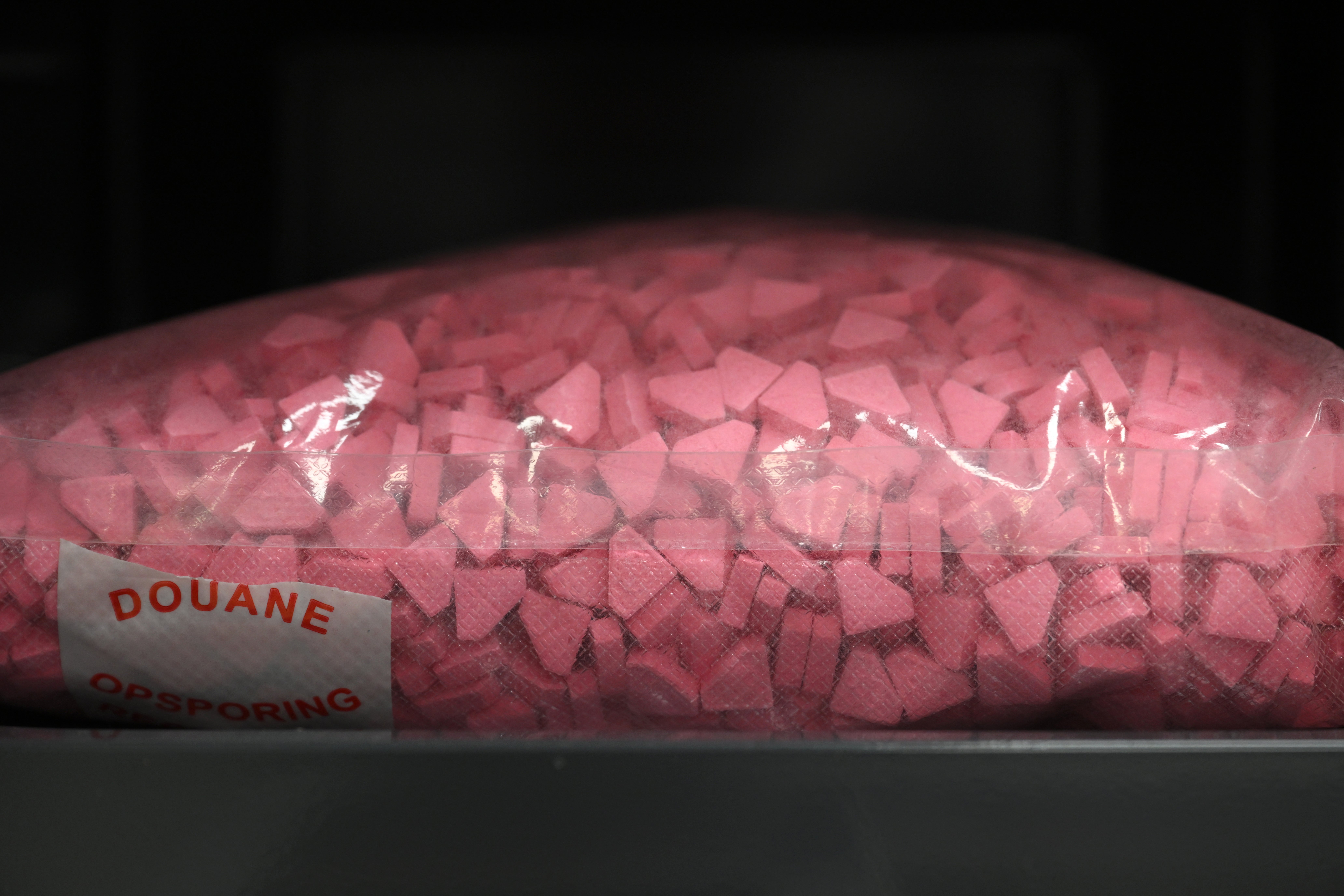
For Israel’s Gen-Z, the most popular substances are ketamine and 3-MMC (methylmethcathinone), known by the street names “Memsi” and “Doctor.”
A dissociative drug commonly used as a horse tranquilliser, ketamine is taken recreationally for its hallucinogenic effects.
 open image in gallery
In Israel, its consumption has risen dramatically.
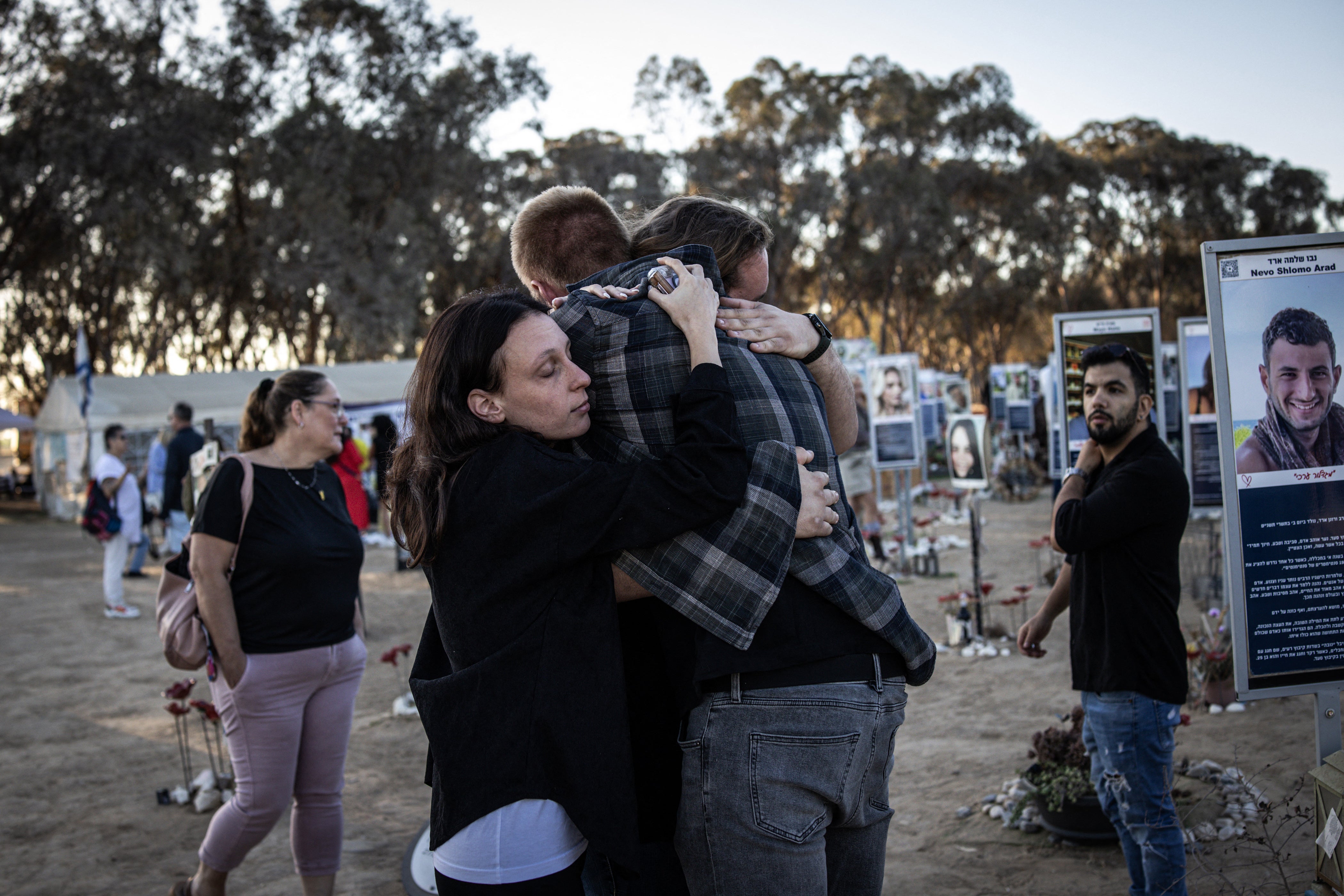
Speaking to The Independent, Yoav, 26, a former IDF serviceman, explained what he attributes to the increase: “After what happened at the Nova festival, I think we, as a society, really understood the fleetingness of life.
“After everything, rave culture in Israel really popped off. The ‘we will dance again’ movement is huge.
“Anyone I know could have been there [at Nova]; some people I know were there, and I think for many of us, knowing that it could all be over at any time has made us want to feel more alive, have more fun, and just party more — which has led to more people doing more drugs.”
 open image in gallery
Referring to ketamine, Yoav said: “It’s everywhere — I’ve probably been offered it the most.”
Discussing the spike in its use after October 7, he explained: “I think for some people, it definitely can be a way to escape, or just forget about the s**t happening around us.”
3-MMC, a lesser-known substance, is a synthetic derivative of cathinone, the stimulant compound found in khat leaves.
While the Israeli government has not publicly released the number of deaths related to these drugs after 2022, ICA data largely indicates that this figure has only increased.
Higher rates among people with PTSD
The rise in drug abuse is even more extreme among Israelis experiencing symptoms of post-traumatic stress disorder (PTSD).
According to ICA figures, problematic substance use in people with PTSD currently stands at 54.2 per cent — more than twice the rate seen in the general population.
The centre’s broader research also points towards a sharp spike in the severity of PTSD symptoms experienced by Israeli combatants post-October 7, where reports of soldiers describing their military instruction in Gaza as “illegal”, “not moral” and “wrong” continue to emerge en masse, according to testimonies obtained by Israeli veteran organisation, Breaking the Silence.
For Yoav, cases of PTSD-related drug abuse appear to be some of the most damaging.
“The people deployed to Gaza or Lebanon — I think it’s f***** them.
“Being a conscious person, being able to understand the value of human life, and then coming back — it’s really common for soldiers to be prescribed cannabis for their PTSD.
 open image in gallery
“But some of them end up needing the drugs just to be able to get through the day.”
As of February 2025, 15.5 per cent of respondents in the ICA’s wider survey screened positive for potential PTSD, compared to the 12 per cent recorded in 2022.
The figures come as Israel enters the fourth year of its war on Gaza, with Netanyahu’s brutal military campaign placing growing pressure on health and social services.
The Israeli military was contacted for comment.