



As high school and university students approach the exam period, study sessions often increase and intensify.
But even when students are “trying hard” to study, they can still fall into some common study traps that hinder, rather than help, their learning.
I research how the human mind learns. Here are three misconceptions about studying, and some alternative methods that will improve learning (and, yes, your exam performance).
Myth 1: repeatedly reading your textbook and notes is the best way to study
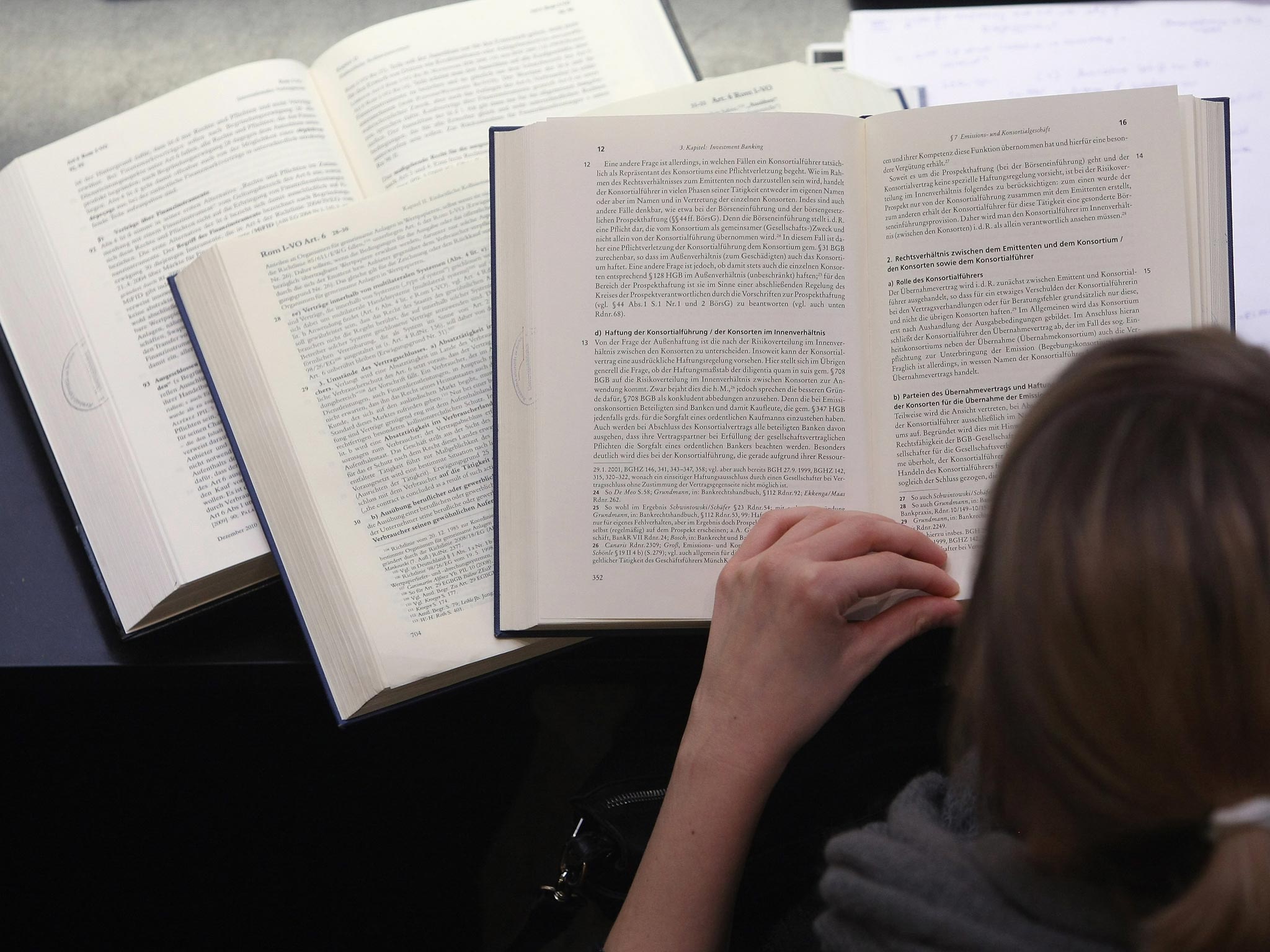
Rereading textbooks and course material is a popular study method among students.
A 2018 study aggregated five previous surveys of university students and adults in the United States. It found 78% of participants reread notes as a study strategy. More than half said they also highlighted or underlined important sections in their notes as part of this technique.
However, other research suggests the benefits of rereading material are limited. This is because it’s a passive form of study, meaning it usually doesn’t add much to knowledge constructed from the initial reading.
What students should do instead
This doesn’t mean rereading is a problem in itself, or that you should avoid it entirely. It just might not always be the best use of all your time.
If you do want to reread material, research has found it’s better to space out repeated readings over multiple days instead of cramming it all into a single study session.
 open image in gallery
You should also intersperse rereading with other active learning strategies outlined later in this article.
Myth 2: if you feel confident about the course material, you’ll do well on the exam
When we’re trying to figure out how well we understand a topic, our judgements are often based on how easy it is to comprehend the material or how familiar it feels.
For example, it’s easy to feel confident about a particular subject when the material is in front of you and you have seen it repeatedly.
But high confidence may not be reflected by good performance during the stress of a timed exam in a different environment, without your notes, books or devices.
What students should do instead
To avoid this overconfidence, it can help to put yourself in an exam-like situation during study.
This may look like answering practice questions, similar to the ones expected on the exam, without referring to notes or devices.
Doing this will give you a better indication of how well you have learned and where you need improvement. When you’re able to more accurately judge what you have learned well (and not well), you are better able to tailor your study efforts to areas that need attention.
Myth 3: the main goal of studying is to get information into your head
Many students focus on absorbing as much information as they can. But this is only half of the equation.
Being able to pull the information out of your head during an exam or assessment is just as important.
What students should do instead
You can practise recalling information from memory by:
- completing practice quizzes
- using flash cards
- answering end-of-chapter questions
- pausing at regular intervals during study to recall key ideas of what you’ve just read.
There are other techniques that can help too.
 open image in gallery
Asking yourself “why”
When reading a text, you can regularly ask yourself “why” to help create links between new information and previous knowledge.
For instance, a student reading a history text about the second world war would encounter the fact that Germany invaded Poland. They might then ask themselves, “why is this fact true?” or “why does this make sense?”
By mentally asking themselves why, they would activate prior learning (that Germany lost territory in world war one). This would help them integrate the new information with what they already know and make it more retrievable in future.
Explaining ideas to yourself
Another effective method is self-explanation. This is when you explain the information you are studying to yourself as if you’re telling it to someone who doesn’t know anything about the topic.
For example, when reading about the circulatory system in the human body, you might explain to yourself each component, its function, and how it relates to other components or the system as a whole.
About the author
Sean Kang is an Associate Professor in the Science of Learning at the University of Melbourne.
This article was first published by The Conversation and is republished under a Creative Commons licence. Read the original article.
This technique also helps students connect new information to previous learning and helps to fill gaps in knowledge. It often leads to a richer construction of knowledge that is more retrievable.
If you struggle to explain concepts or retrieve information when studying, it’s often a telling sign your mastery of the content is inadequate.
While these learning strategies have been framed within the context of studying for an exam, they are widely applicable for people of all ages when learning new information too.