


AdvertisementUS-China relationsChinaDiplomacy
Singapore and South Korea eye science opportunities as last main US-China link shatters
5-MIN READ5-MIN Listen
Khushboo RazdanPublished: 6:00am, 13 Aug 2026As President Xi Jinping prepares for summit talks with Donald Trump in Washington next month, the United States is closing one of the few remaining openings between the two countries by targeting scientific research.
This field has been one of the most durable links in the US-China relationship, but a series of new security-related restrictions on federally funded collaborations with Chinese institutions mark the latest, and arguably most consequential, step in a years-long shift away from cooperation.
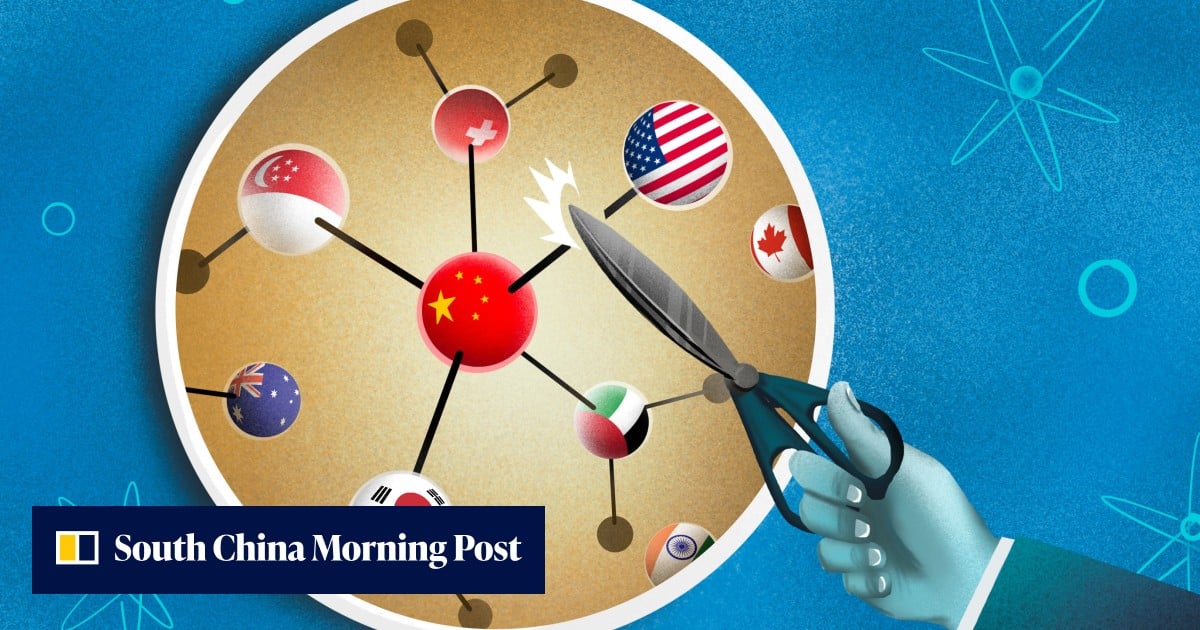
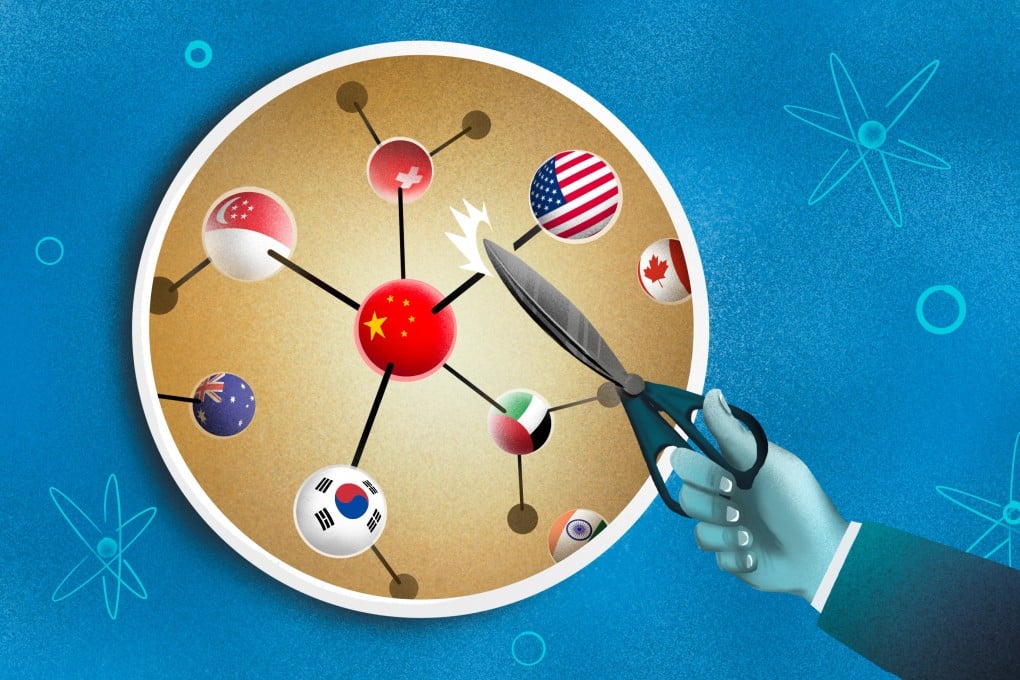
Experts say the measures are unlikely to halt Chinese scientific progress. Instead, they are reshaping where international collaboration takes place – creating opportunities for intermediary research hubs while narrowing one of the most enduring channels of bilateral engagement.
The timing is striking. The latest restrictions arrive as Washington and Beijing prepare for a summit intended to manage an increasingly adversarial relationship.
But they also expose a growing contradiction. On paper, the diplomatic architecture of scientific cooperation remains intact. The US-China Science and Technology Agreement, first signed in 1979, was quietly renewed in late 2024.
In practice, however, the space for collaboration is shrinking under an expanding web of funding restrictions, blacklists and security rules.
For diplomats who spent decades managing US-China ties, the shift goes beyond science policy. It marks the erosion of one of the few long-standing areas of common interest.
AdvertisementSelect VoiceSelect Speed00:0000:001.00x