


This summer’s energy price rise will be “devastating” for Scots, charities have warned, as they report record levels of energy debt.
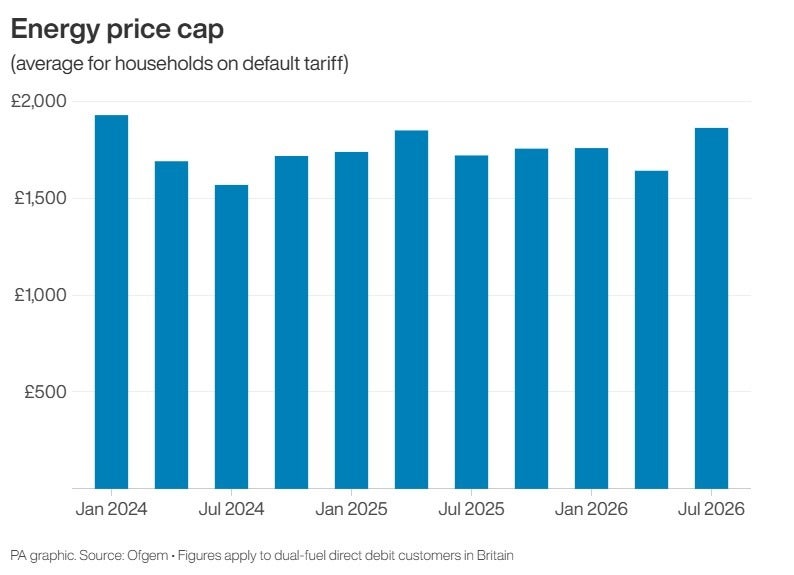
Ofgem’s price cap is to rise by 13% from July 1 to £1,862 a year for the average household – an increase of £221.
The rise prompted Scottish energy minister Stephen Gethins to call for the devolution of energy powers from Westminster as he criticised Labour’s election promise to lower energy bills by £300 by the end of the Parliament.
Citizens Advice Scotland (CAS) said the power price hike would be “impossible for so many people to absorb”.
 open image in gallery
It said its network had already seen record levels of energy debt in the first three months of the year, rising to an average of more than £2,800, with that figure stretching to more than £3,200 for rural Scots.
It warned of the “devastating” consequences of the looming price increase, which has been driven by the US-Israeli war with Iran.
CAS chief executive, Derek Mitchell, said: “It’s tempting to think high energy costs don’t affect people in the summer. Yet, last summer, we provided over 2,000 emergency fuel vouchers across Scotland.
“We can’t go on like this. People need support both now and in the long term.”
 open image in gallery
Mr Mitchell urged Ofgem, which sets the cap every three months, to urgently deliver a debt relief scheme and introduce a social tariff that would see low-income households given a discounted rate.
Craig Tobin, of Advice Direct Scotland, said mounting energy debt and rising bills had already stretched household budgets.
He said: “This is one of the largest increases in the price cap since it was brought in five years ago, and will come as a summer shock for thousands of households across Scotland.
“To put this in context, under the new cap, people will be paying over £700 per year more than they were before the energy crisis first hit five years ago.”
Stephen Flynn, the Economy Secretary, said the price rise would “hit families hard”.
Mr Gethins, Scotland’s energy minister, said the Scottish Government would formally request the devolution of energy powers to Holyrood “so that we can take the decisive action we need”.
He said: “People across Scotland are already struggling to afford their energy bills – and today’s confirmation of a further price hike will be extremely concerning.
“We are one of the most energy-rich nations in the world, yet pay some of the highest energy bills in Europe – it just does not add up.
“In an energy-rich country like Scotland, nobody should be struggling to pay their bills – and the fact that so many are shows the fundamental problem with having control of Scotland’s energy resources in the hands of Westminster governments.”
Sam Ghibaldan, chief executive of Consumer Scotland, said the volatility of fossil fuels showed the need to move to low-carbon energy sources, while the GMB union said it showed the “sheer folly” of relying on overseas energy instead of domestic power sources.
The price jump will equate to a rise of £18 a month for the average household using both electricity and gas, with households seeing an increase of 24% on their gas bills and 5% on their electricity bills.
Early forecasts expect the cap to rise further in October, meaning even higher energy costs during the colder winter months.
UK Energy Secretary Ed Miliband said: “The rise in the price cap because of a war we did not choose is deeply unwelcome news for households across the country.
“We know people were under pressure before this crisis, and that’s why easing that burden is our number one priority.
“We will continue to monitor the situation ahead of the winter and plan for all contingencies.
“In the immediate term it is essential to de-escalate this conflict to bring oil and gas prices down and as Britain faces the second fossil fuel crisis of this decade, we must learn the right lessons.
“The way to get bills down for good and avoid these price spikes is to go further and faster with this Government’s drive for clean homegrown power we control.
“We are upgrading as many homes as possible ahead of winter with the biggest investment in warm homes in British history.”