


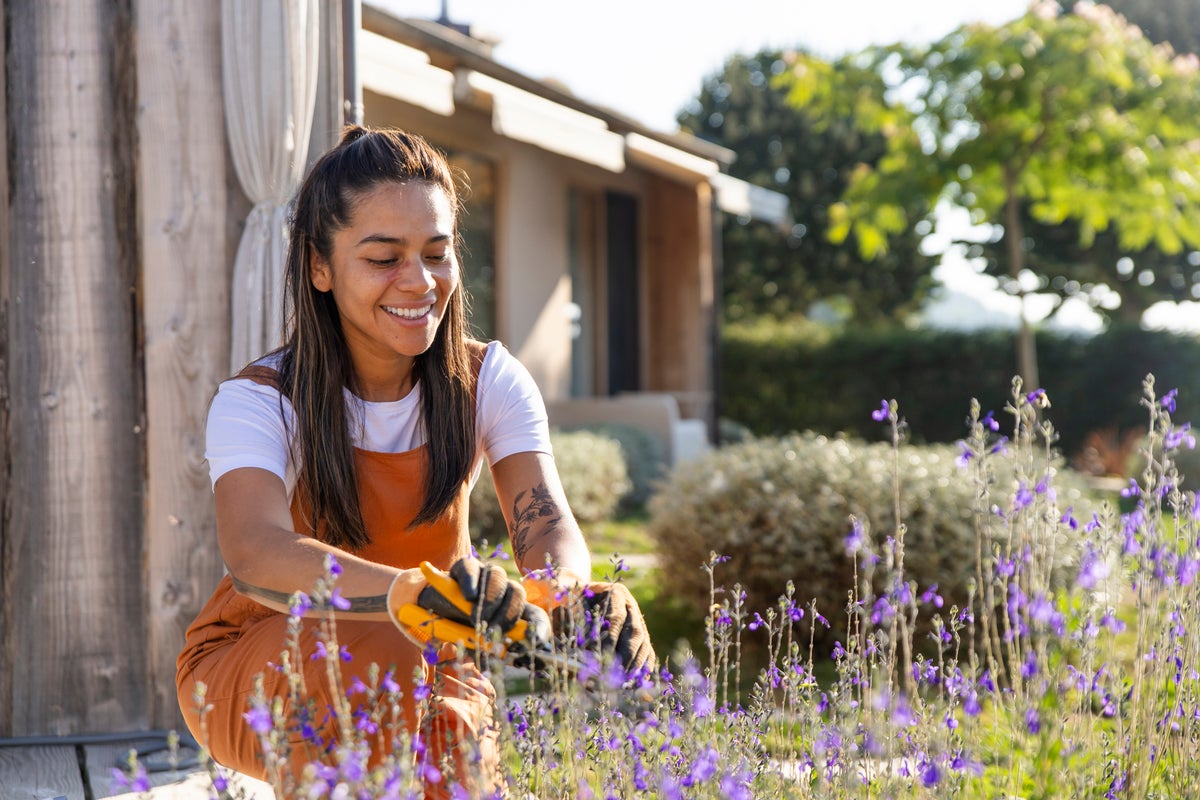
The weekend has quietly become a battleground for our time. Between work, family commitments and endless household jobs, many people are rethinking how they want to spend those precious free hours, particularly in the garden. That shift has helped fuel the rise of “slow gardening”, an approach centred around creating outdoor spaces that ask less of us through thoughtful planting, smarter maintenance and working with nature rather than constantly trying to control it. Garden designer Rachel Birtwhistle explores why the most desirable gardens are increasingly those designed to be lived in, not endlessly worked on.
For many people, the garden now sits somewhere between cleaning the bathroom and replying to unanswered emails on a Sunday afternoon: another task to complete before Monday arrives. Slow gardening pushes back against that pressure. Instead of trying to tackle every job during a rare sunny weekend, it encourages gardeners to work more gently alongside the seasons and focus on the parts of gardening that genuinely bring pleasure.
Working with the seasons
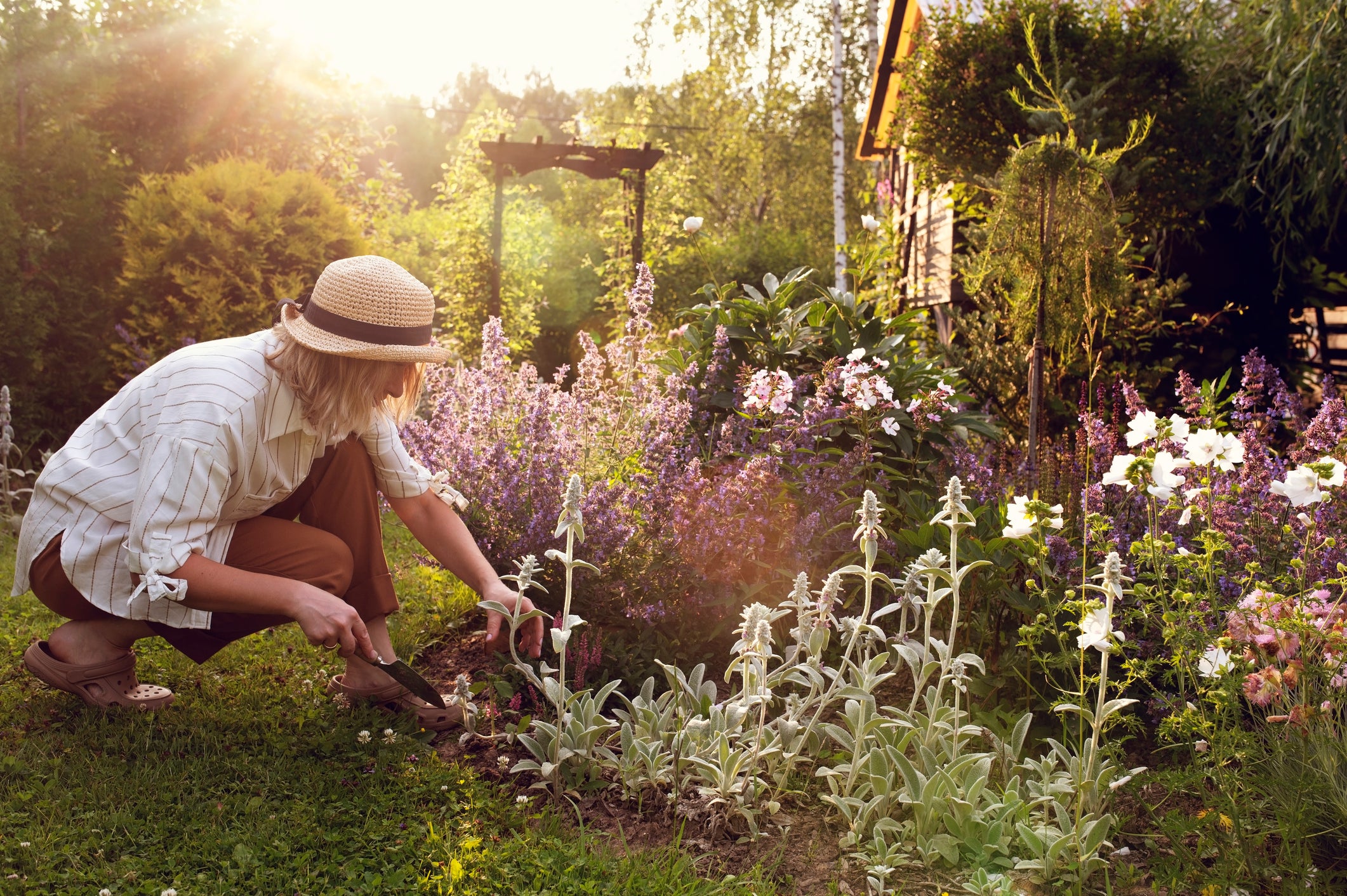
Importantly, slow gardening does not mean neglect. In fact, the most successful low maintenance gardens are often carefully considered from the outset. Choosing plants suited to the soil type, light levels and climate creates gardens that naturally require less watering, feeding and intervention over time. Anyone who has watched lavender struggle through a wet British winter will know some plants are simply happier in certain conditions.
By working with the garden rather than battling against it, outdoor spaces become healthier, more resilient and significantly easier to manage. In many ways, slow gardening is less about doing less and more about gardening more intelligently.
The irony is that the most relaxed looking gardens are often the best planned. Evergreen shrubs, ornamental grasses and small trees provide shape and texture throughout the year, ensuring the garden still feels intentional even in winter. Dense planting with shrubs, perennials and ground cover helps suppress weeds naturally while improving moisture retention in the soil. Over time, that means less watering, less weeding and far fewer hours spent maintaining borders.
Embracing natural beauty
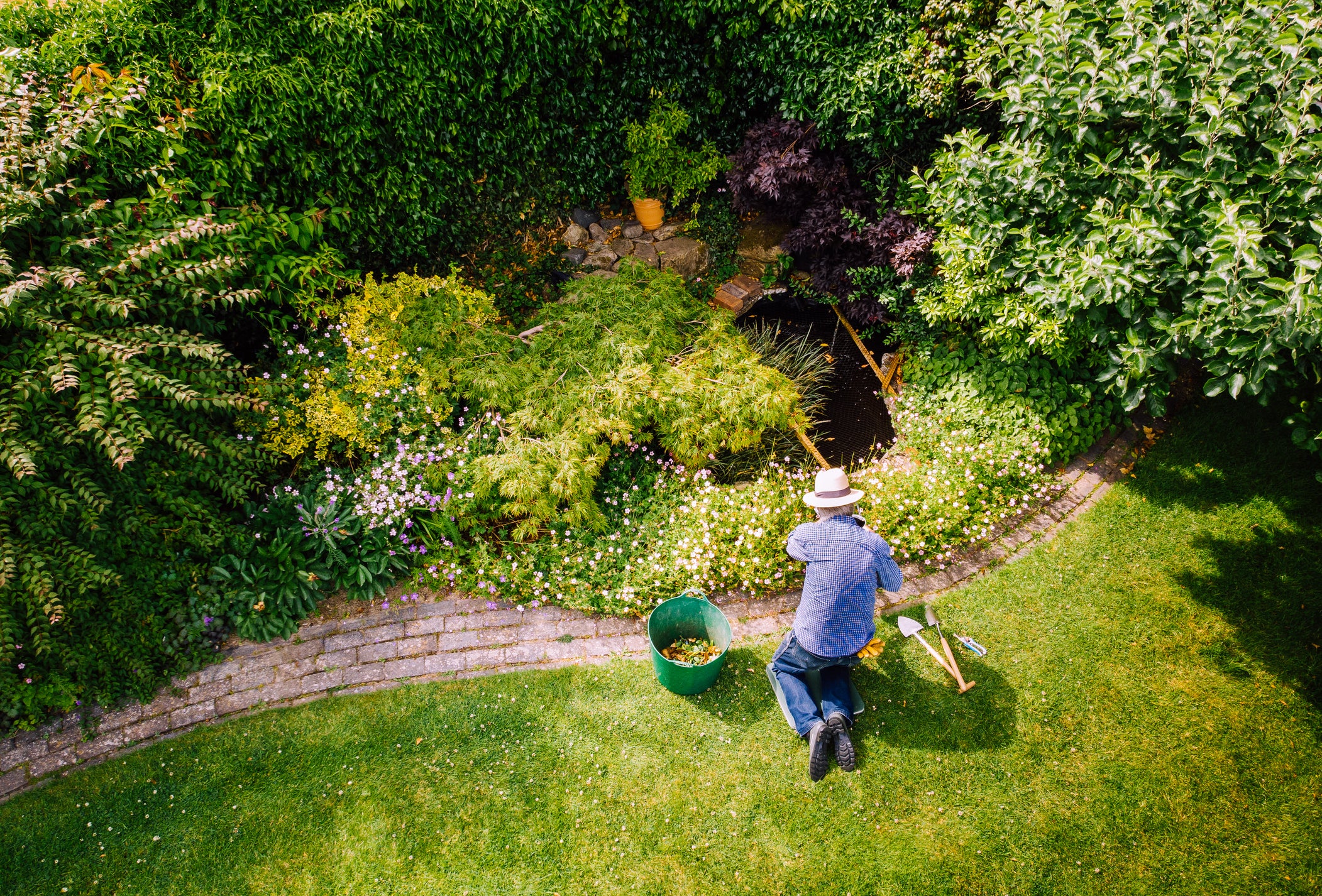
There is also growing acceptance that gardens do not need to look pristine at all times to feel beautiful. Seed heads, fading grasses and skeletal winter stems can bring just as much atmosphere and character as summer flowers. Leaving plants standing through autumn and winter not only extends seasonal interest but also provides shelter and food for birds and pollinators. What was once considered untidy is now part of a more natural, wildlife friendly approach to gardening.
Slow gardening is not anti-technology either. Robotic mowers, such as the Honda Miimo, have become an unexpected ally by quietly taking over one of gardening’s most repetitive jobs. Through frequent, light trimming, they help improve lawn health while removing the weekly obligation of mowing altogether.
A space to switch off
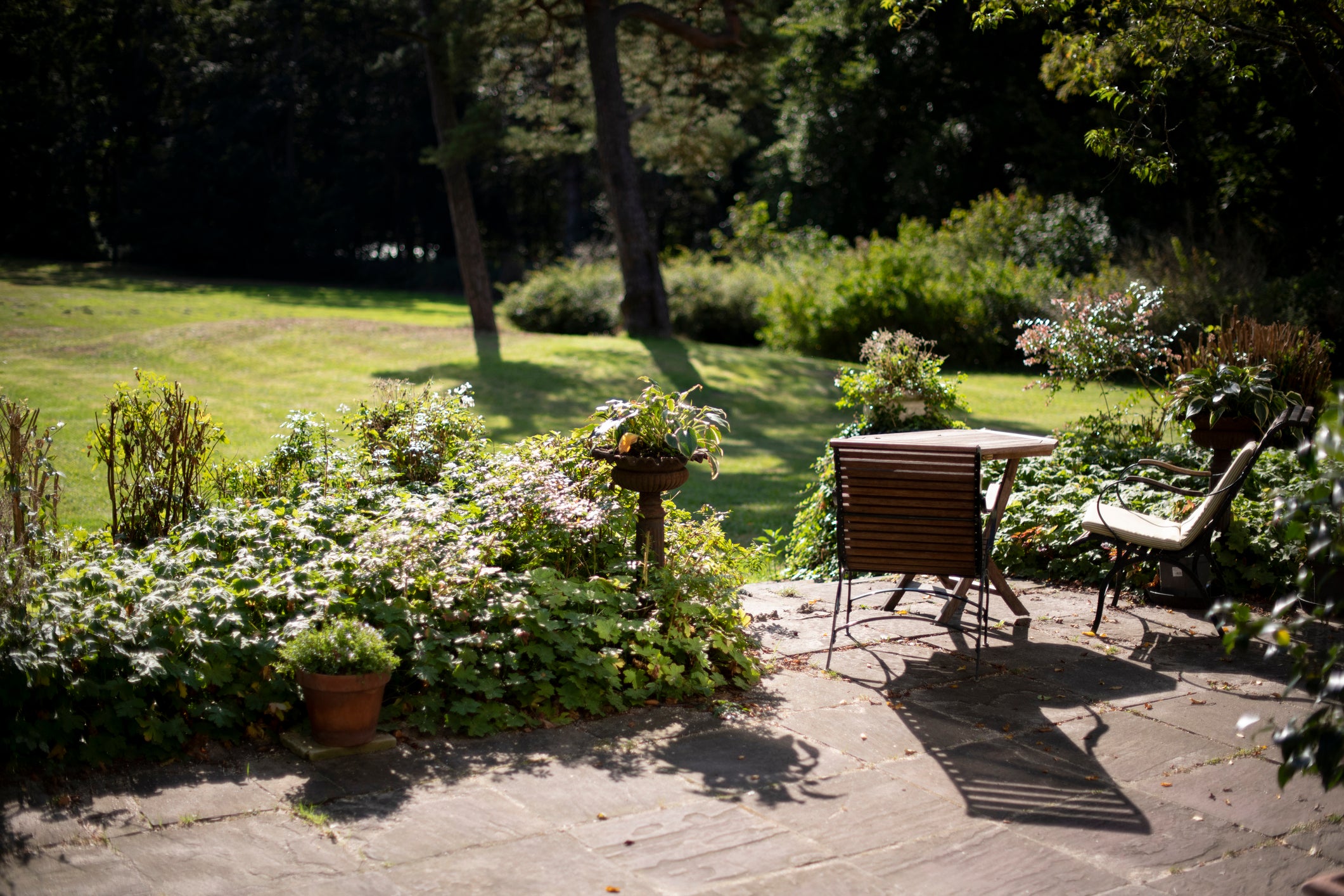
And perhaps that is the point. The lawn stops being something sitting on a to-do list and becomes somewhere to actually spend time, whether that is reading the paper with a coffee, eating lunch barefoot on the grass or staying outside long after the sun has started to dip.
As more people search for healthier work-life balance and more sustainable ways of living, gardens are increasingly becoming places to switch off rather than spaces to constantly perfect. Slow gardening reminds us that nature will always work to its own rhythm and that not every corner needs to be endlessly managed. Sometimes the most beautiful gardens are the ones that invite us to slow down alongside them.