


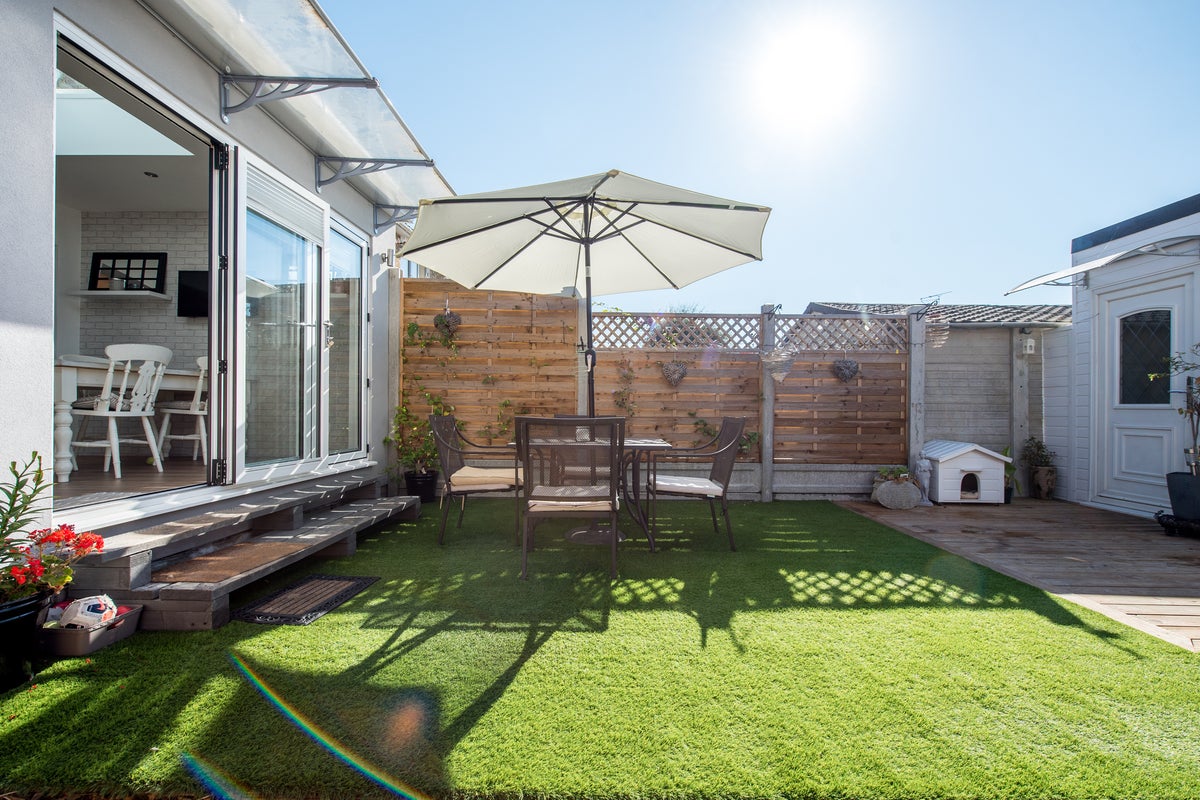
Few things transform a garden faster than a summer heatwave. One week, lawns are lush, green and growing rapidly; the next, they can appear dry, uneven and exhausted. Anyone who has scalped a lawn before a hot weekend will recognise the straw-coloured patches that can appear almost overnight. Here we examine why healthier summer lawns may depend less on mowing harder and more on mowing little and often.
The science of the micro-cut
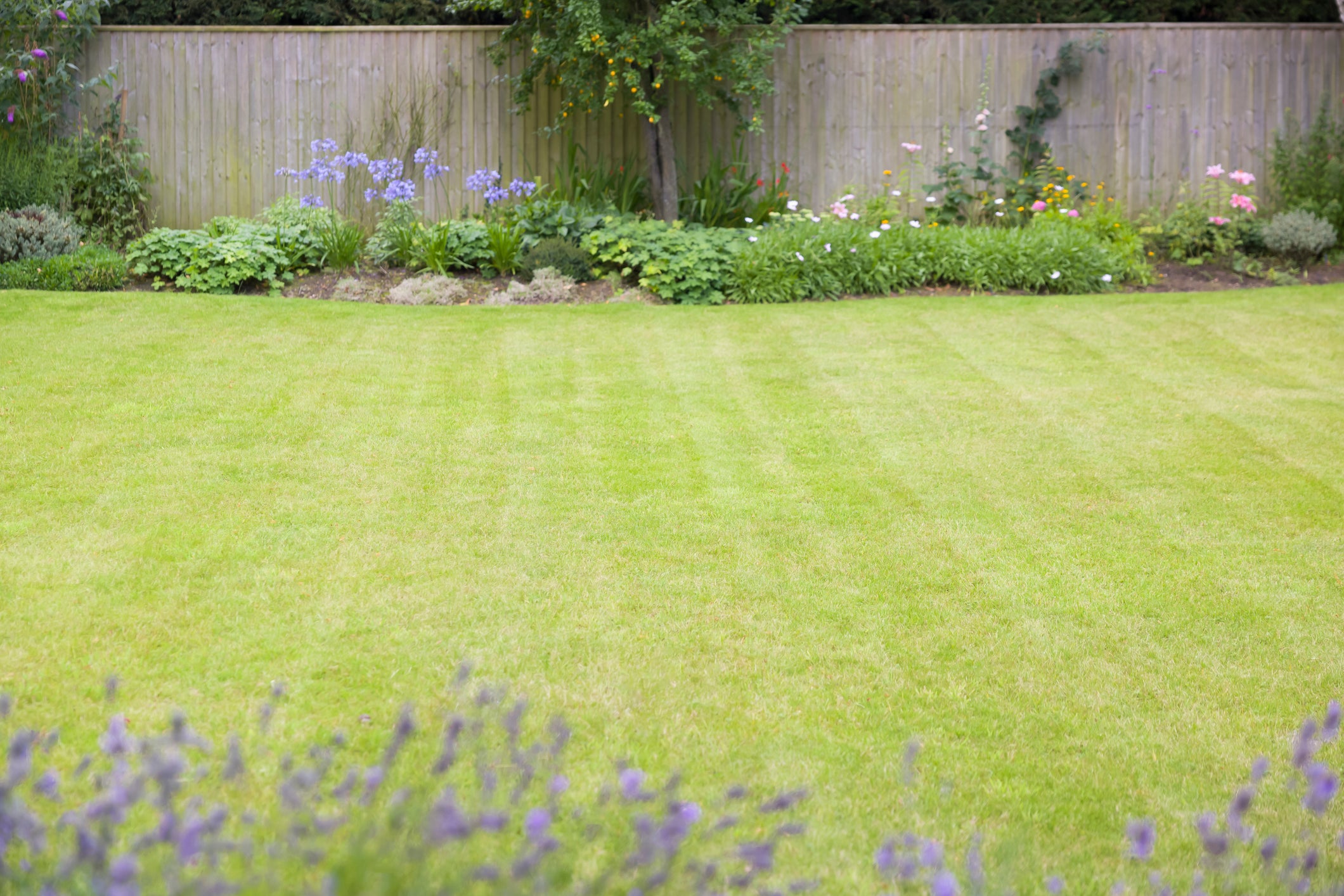
The approach may also help explain why robotic lawn mowers are quietly becoming one of gardening’s fastest-growing trends. Unlike traditional mowing, which may remove several centimetres of grass in a single cut, robotic mowers trim only a small amount each day using what is known as a “micro-cut” approach. There is also genuine plant science behind why this method can help lawns cope better during summer.
Grass relies on photosynthesis to generate energy, using its blades to absorb sunlight and support healthy growth. Traditional mowing can sometimes remove too much leaf tissue at once, particularly during peak growing season. When this happens, the grass must focus energy on replacing lost growth instead of strengthening its root system and conserving moisture.
Frequent, lighter trimming works differently. By removing only the tips of the grass blades, the lawn experiences less overall stress, which can encourage stronger root development over time. Healthier root systems may help lawns access moisture deeper in the soil, allowing grass to remain more resilient during dry spells and heatwaves.
Resilience through consistent maintenance
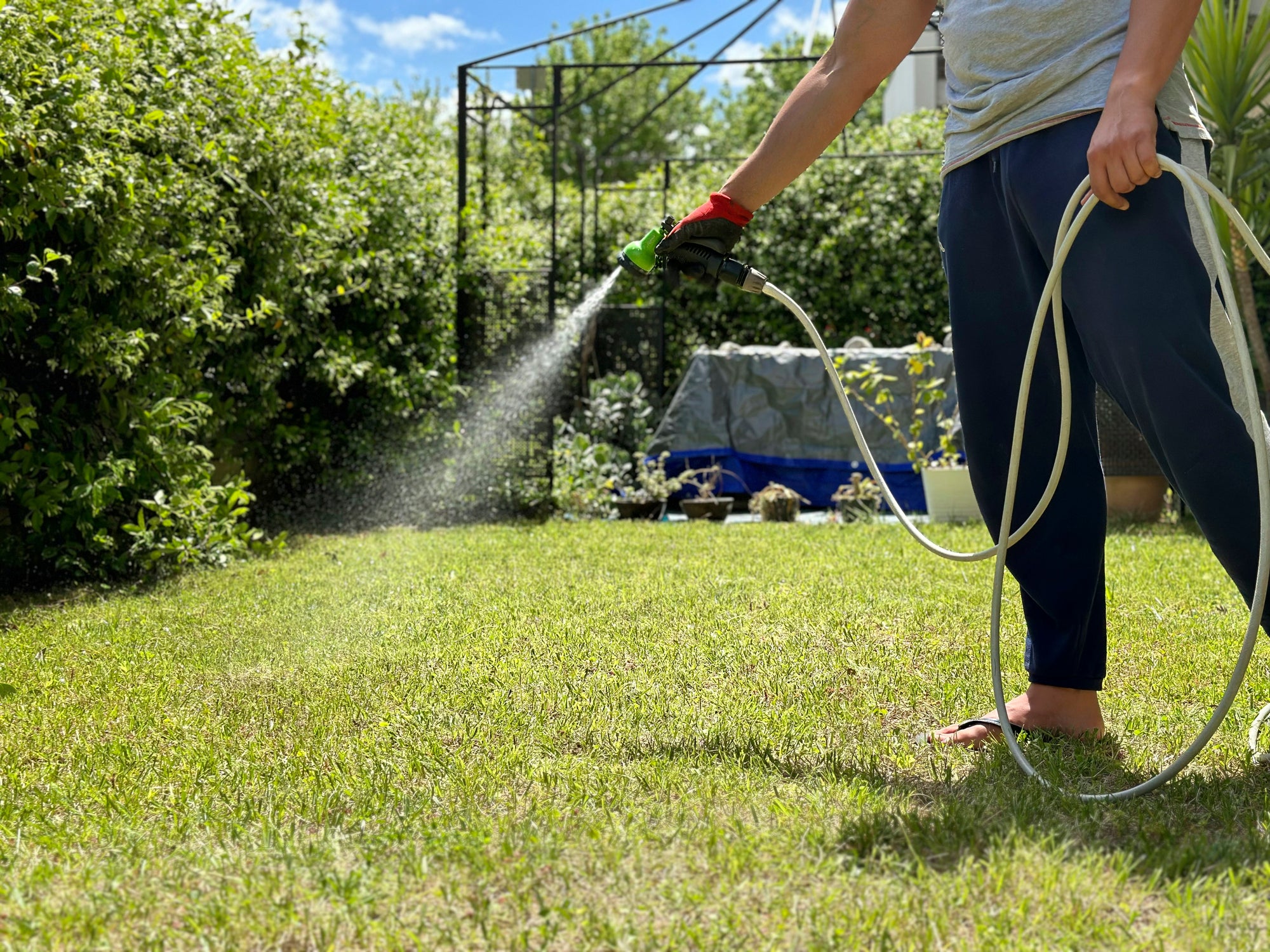
This “little and often” approach is becoming increasingly important as British summers grow warmer and less predictable. Lawns cut too short or too heavily can quickly dry out during a heatwave, while grass maintained at a more consistent height is better protected against moisture loss and temperature stress.
Robotic lawn mowers use micro-mulching systems that produce very fine clippings. These tiny particles are dispersed back into the lawn, where they can help return nutrients to the soil and support moisture retention during dry conditions.
For many gardeners, the biggest benefit is consistency. Once installed, robotic mowers, including Honda’s Miimo range, operate automatically using sensors and boundary wires to navigate safely around the garden, while some premium models also offer satellite-assisted guidance. They can detect obstacles such as trees and flower beds, change direction when required, return automatically to their charging station, and follow regular mowing schedules with very little input from the user.
Intelligent technology for a changing climate
Some premium robotic mowers can even adapt mowing schedules using live weather data, helping reduce unnecessary stress on the lawn during periods of extreme heat and rapid summer growth.
For many households, the environmental appeal is another advantage. Battery-powered robotic mowers produce zero direct emissions while mowing and operate far more quietly than traditional petrol lawn mowers, making them a more neighbour-friendly option for regular summer use.
With hotter summers becoming more common, many lawns simply cannot tolerate aggressive weekly mowing in the way they once did. Lawncare is increasingly shifting towards methods that work with the natural biology of grass rather than against it. Maintaining a more consistent grass height helps shade the soil, reduce moisture loss and support deeper rooting during periods of heat and drought. More broadly, it reflects a wider shift towards gardens better adapted to warmer, drier summers and less predictable rainfall. In an era of heatwaves and water stress, the healthiest lawns may belong not to those who mow hardest, but to those who mow little and often.