



For almost 50 years Nick Rhodes has been the charismatic and groundbreaking dandy in Duran Duran.
With the blond hair and eye make-up of the 1980s New Romantic he wears to this day he stood out long before the style became fashionable. And not just because of his androgynous appearance.
Rhodes not only pioneered the use of synthesisers to compose classic pop anthems, but also the art of creating spectacular videos to showcase them.
Duran Duran have sold 100 million records since forming in Birmingham half a century ago – and are still selling out concert halls today on their current tour of the UK and Europe.
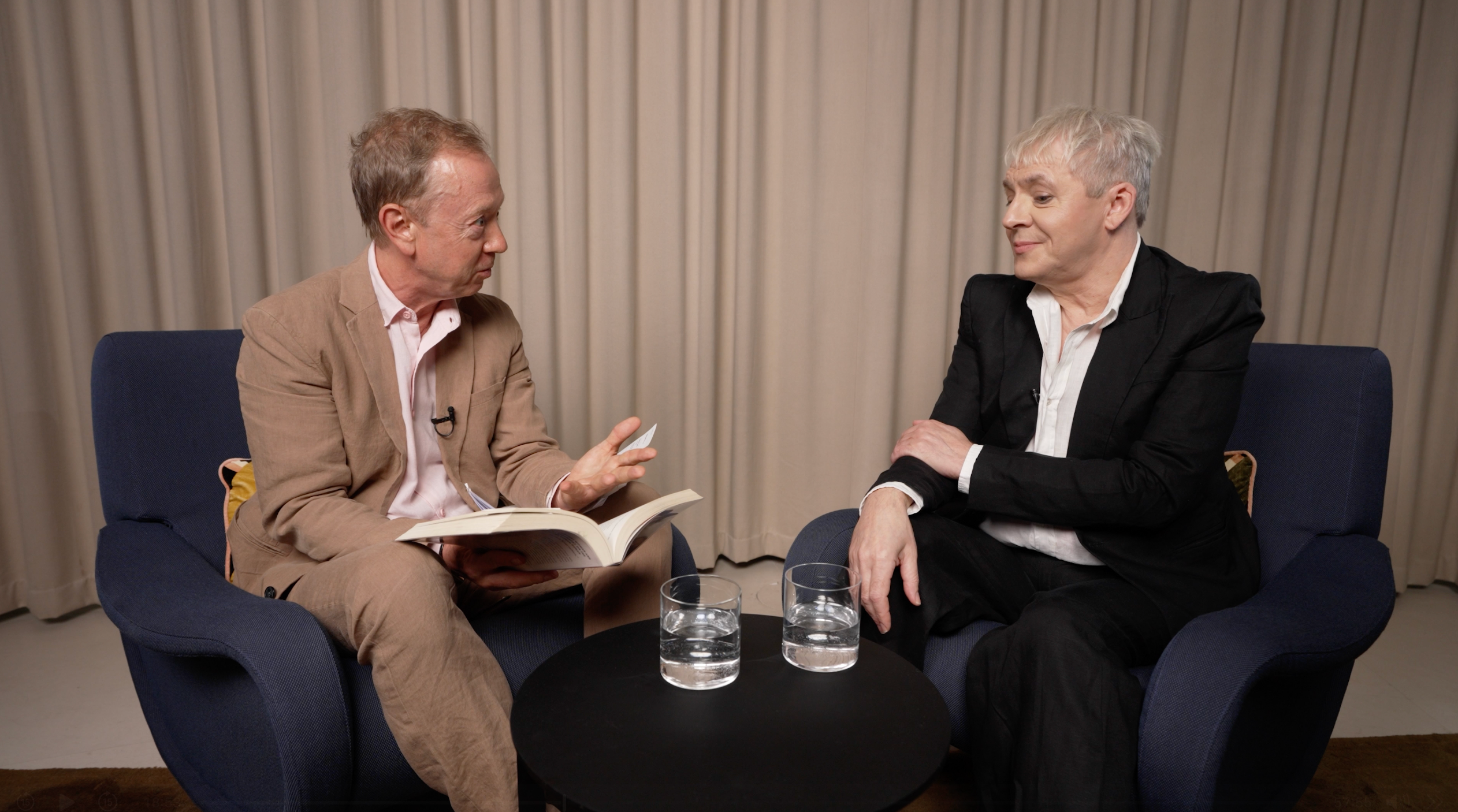
Rhodes, the only ever present member of the band, took time out from the tour to take part in a candid and wide-ranging Independent TV interview with Geordie Greig, editor in chief of The Independent.
In it, Rhodes reveals that Duran Duran would have split up years ago if not for a timely intervention by another rock ‘n roll great survivor, Mick Jagger.
 open image in gallery
He talks about “hanging out” with “dear friend” and role model David Bowie; the day he realised singer Simon Le Bon’s star quality and why he does not take drugs (“I can never slow down so the last thing I wanted was a pile of drugs!”).
He discloses why he still dyes his hair blond (“people underestimate blonds”); why he still wears eye liner (“stick a bit on and it hides it all!”) and why he never wears jeans (“they’re just laziness”.)
And he reveals the secret that explains Duran Duran’s famously visual songs (“songs to me are like paintings”).
Most bizarre of all, Rhodes explains why one of his most prized possessions is a collection of cheese labels.
In black trousers and silken jacket he glides across the hallway of the Cafe Royale, before heading to the penthouse Dome suite for his mid-tour interview.
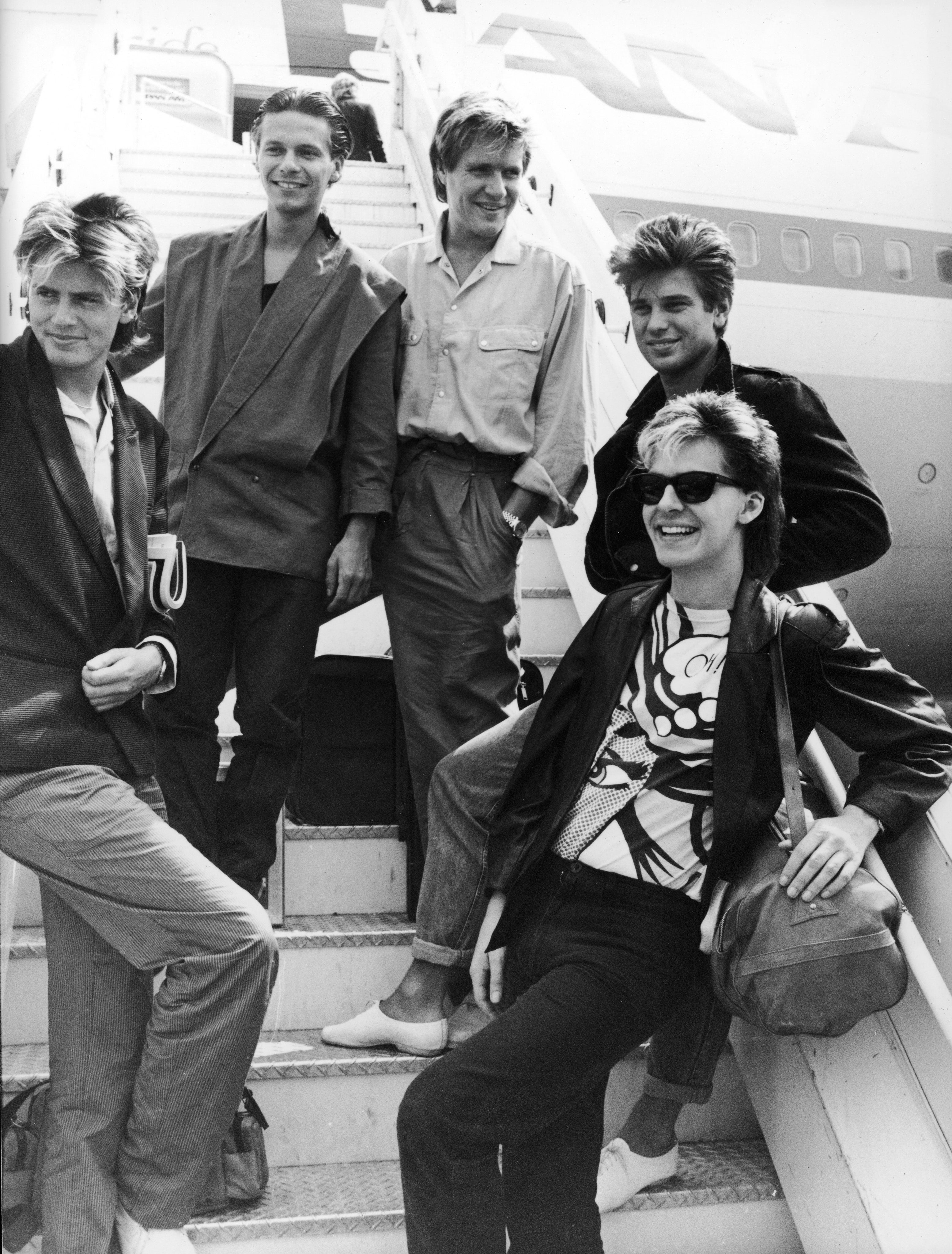
There were a couple of periods when Duran Duran risked splitting and going their separate ways, but Jagger’s advice to Rhodes in the mid-Eighties was crucial.
“Mick looked at me and said ‘You know you really do need to stick together, that is your future.’ He was right because it could all have fallen apart at that time.”
 open image in gallery
Not only making sure the band stayed together he also veered away from the most destructive ingredient in rock n roll: drugs, though not before seeing the havoc it can wreak. He says his hyperactive creative mind was an asset.
“It (drugs) never appealed to me much. My mind moved too quickly anyway. I can never slow down so the last thing I wanted was a pile of drugs. I tried some and it didn’t suit me. I am also somewhat of a control freak so the idea of taking something when you don’t know what is going to happen is thoroughly unappealing. I have been around plenty of it and seen the effects.”
The band was thrown into a world where huge music stars went from being heroes (David Bowie posters were on his childhood bedroom wall) to becoming friends. “By the time I saw David Bowie I no longer wanted to be an astronaut or a magician, two early desires. I wanted to be a musician.”
 open image in gallery
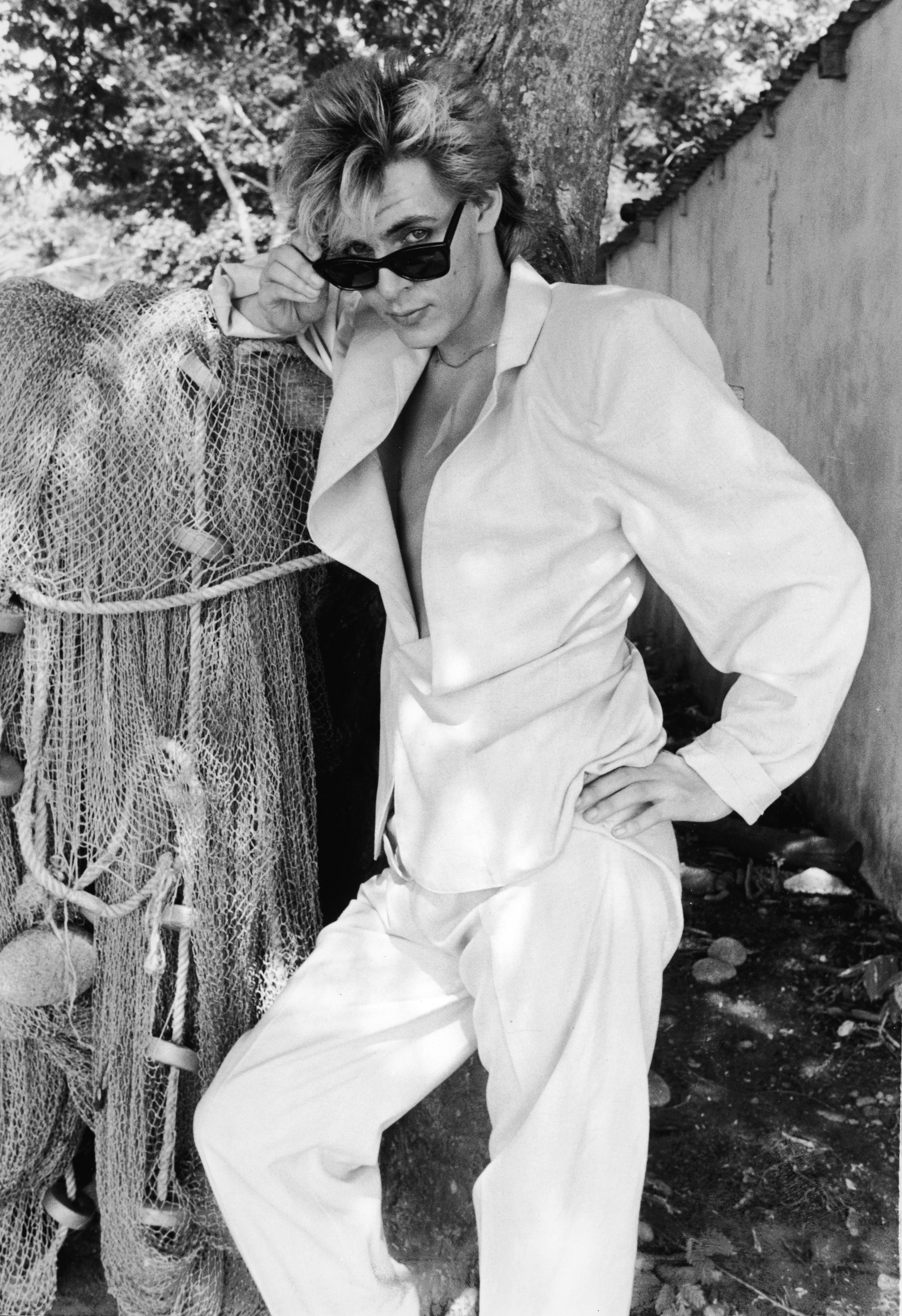
Rhodes not only changed his surname from Bates, also his hair colour and his career trajectory. “David was a dear friend, an intellectual – and funny as hell. I liked him very much because he wasn’t a let down.”
Initially his parents, both from Birmingham wanted him to be doctor or lawyer – not a rock n roll star – and reluctantly allowed him to take a year off from school at 16 to pursue his music dream. He recalls his mother telling him: “All right darling, you’ve got a year.” They ended up giving him two years – by which time he was on the road to stardom.
It was a journey which he always foresaw for himself with a restless confidence: he was desperate to see the world, never be bored, spurred by aesthetics, imagination and music.
When Rhodes met Warhol in the US, Duran Duran were still just another obscure British band trying to emulate The Beatles and “break” America. Warhol adored the unisexual look of the awestruck Midlands youngsters, chronicling his infatuation in his diaries.
Rhodes says: “We were young kids from Birmingham in New York – and the next minute we were in ‘Andy’s Factory’.”
Princess Diana was another celebrity Duran Duran admirer. She owned their LPs and copies signed by her in a schoolgirl scrawl sold at auction ended up being given to her two boys, William and Harry. “We met her several times,” says Rhodes. “She was a great fan to have. I used to see her around in Chelsea.”
Guided by his love of aesthetics, Rhodes strove to pursue good taste and fine detail both in his songs and his style, traits reflected by influences such as Bryan Ferry and Bowie.
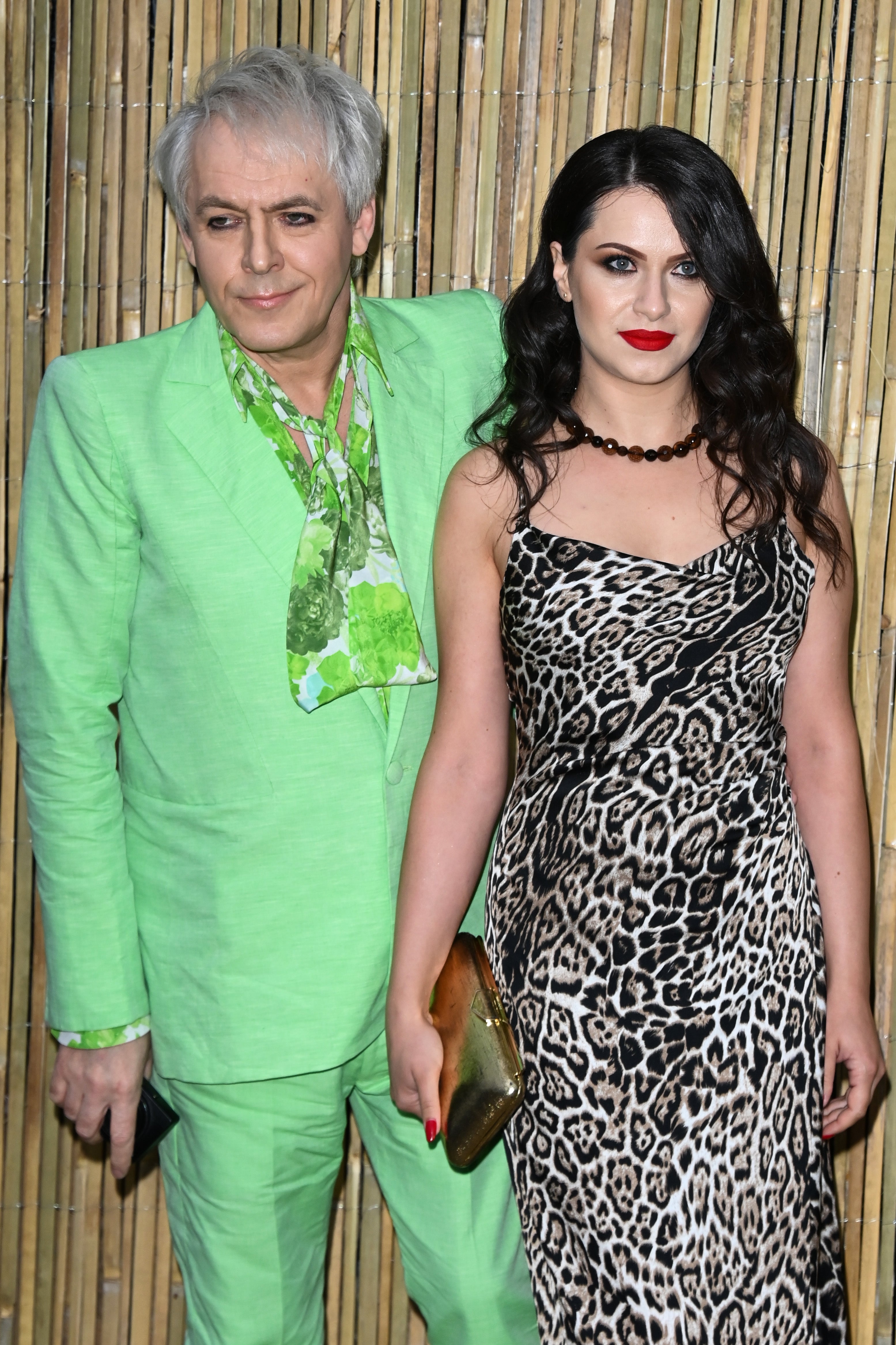
He still goes to great trouble over his style. For instance, he never, ever, wears blue jeans: “To me jeans are just laziness. I don’t like the cut.”
 open image in gallery
Nor has being well into his sixties stopped him wearing his trademark black eye-liner. He enjoys the 10 minutes it takes him to do it each day: “I like the routine of it. I can look in the mirror and go “he looks a bit tired.”’ He jokes: “Stick a bit of eye liner on and you can hide it all!”
Former art student Rhodes’ artistic talent extends well beyond music, fashion and film to photography and pop art, which is why he has published a book of abstract art, called Interference, which was the subject of an exhibition in London – and his photographs have been published in magazines such as Tatler.
Rhodes, now 64, was married for eight years to Julie Anne Friedman, whom, appropriately for a band whose most famous music video, “Rio”, was filmed on a yacht, he met at a yacht party. The couple had a daughter, now in her 30s. Rhodes has had a series of relationships with women since then but has not remarried.
Occasionally, Rhodes guiding star and relentless pursuit of art and beauty gives way to old fashioned English eccentricity.
Such as one of his proudest possessions, a large collection of cheese labels. He inherited it from his dad. Rhodes laughs: “He’d even done them by the weight of the cheese snd the colours – there was something about it that was rather fabulous.”
Rhodes has surfed the rock world for half a century as one the first, and in the eyes of some the greatest, practitioner of the synthesiser.
 open image in gallery
He says: “I treat it as I might treat an orchestra. I can play any instruments (on it)… like a flute or a big bass drum or a violin. I can make textures and I build up an arrangement within the songs…”
It is part of the special alchemy of Duran Duran that Rhodes embodies their musical and fashion style, sitting silent and partly concealed behind his synth keyboard during gigs, while dynamic lead singer and “frontman” Simon Le Bon is its more visible official face.
Rhodes recalls the moment he first heard Le Bon sing: “We’d been through several vocalists. But when he walked in and sung a note, I thought, ‘That’s it. He’s the one.’” It was obvious Le Bon was like Jagger, Bowie and Freddie Mercury, says Rhodes, “unique and distinctive – Simon had that.”
Rhodes is the official keeper of the vast wardrobe of exotic clothes the band have worn over the years. He would love to see it feature in a V&A exhibition along the lines of the museum’s successful show featuring the man who inspired him, Bowie.
Rhodes – and Duran Duran – deserve it.