


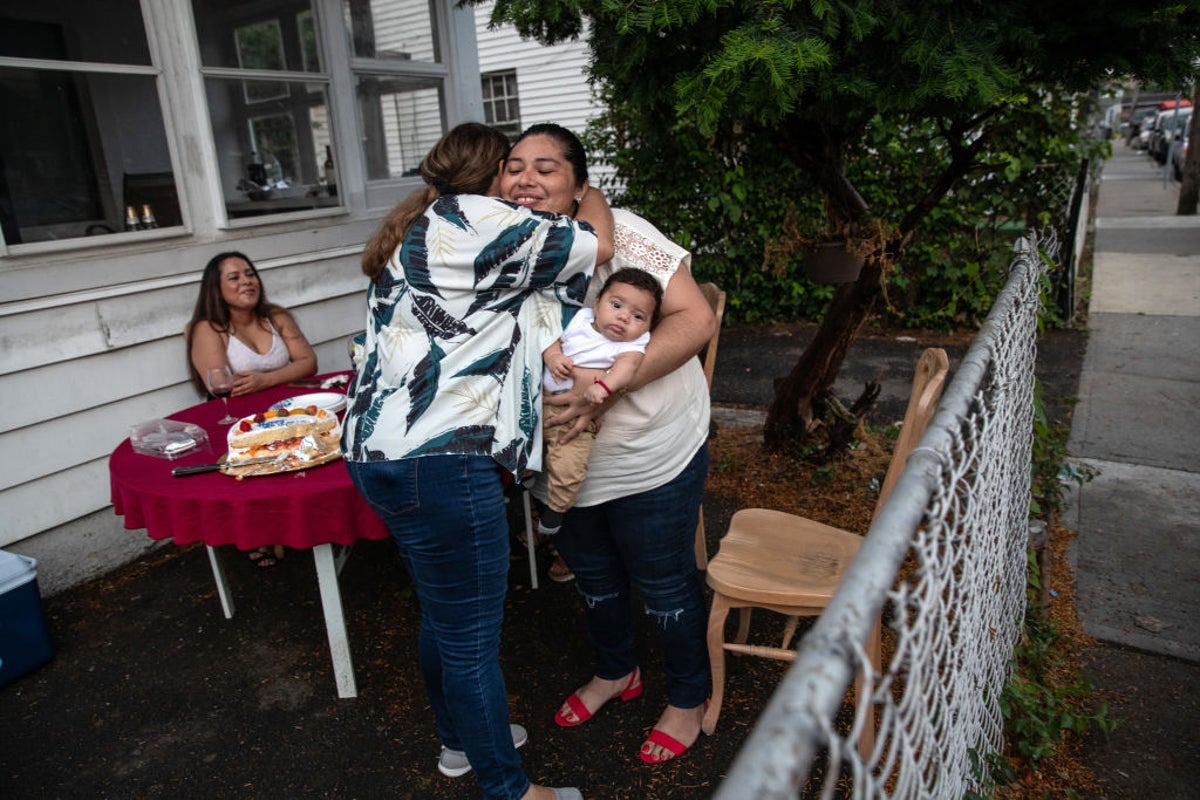
A growing number of families are choosing to live together across multi-generations to save money as more and more Americans face financial strain.
The number of multigenerational homes in the United States has climbed by 700,000 in a little over 10 years to 4 million households, according to a new study from Realtor.com. A multigenerational home typically refers to mom, dad, kids and grandparents all living under the same roof.
This amounted to a 4.5 percent share of the market in 2024, up from 4.3 percent in 2019. In America’s 50 largest cities, this share jumped to an average of 6.1 percent.
“Multigenerational living is a meaningful force in the housing market,” Realtor.com Senior Economic Research Analyst Hannah Jones said in a statement. “A sense of shared purpose and care is at the heart of multigenerational living, a housing arrangement that is quietly shaping American family life.”
Multigenerational homes capture the biggest share of home listings in California cities. The state’s high share of multigenerational homes is likely due to its cultural diversity, Realtor.com noted.
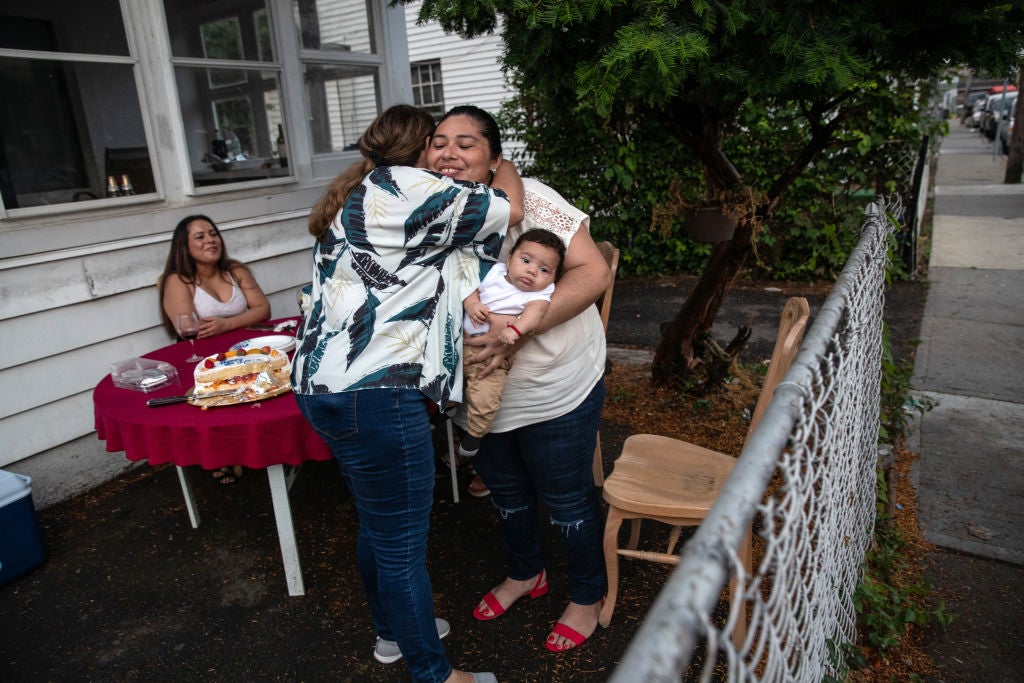 open image in gallery
Los Angeles’s housing market has the biggest share of multigenerational homes at 23.7 percent followed by San Diego (22.7 percent); San Jose (18 percent); San Francisco (17.4 percent) and Riverside (14.9 percent).
The study classifies homes as “multigenerational” based on keywords in property listings rather than analyzing the ages of those who live in the homes.
 open image in gallery
While multigenerational home listings dominate the West Coast markets, the Midwest is home to the highest markups.
Homebuyers will pay a 120 percent premium for a multigenerational house in Detroit, while Cleveland and Buffalo residents will pay 107 percent and 94 percent more, on average.