



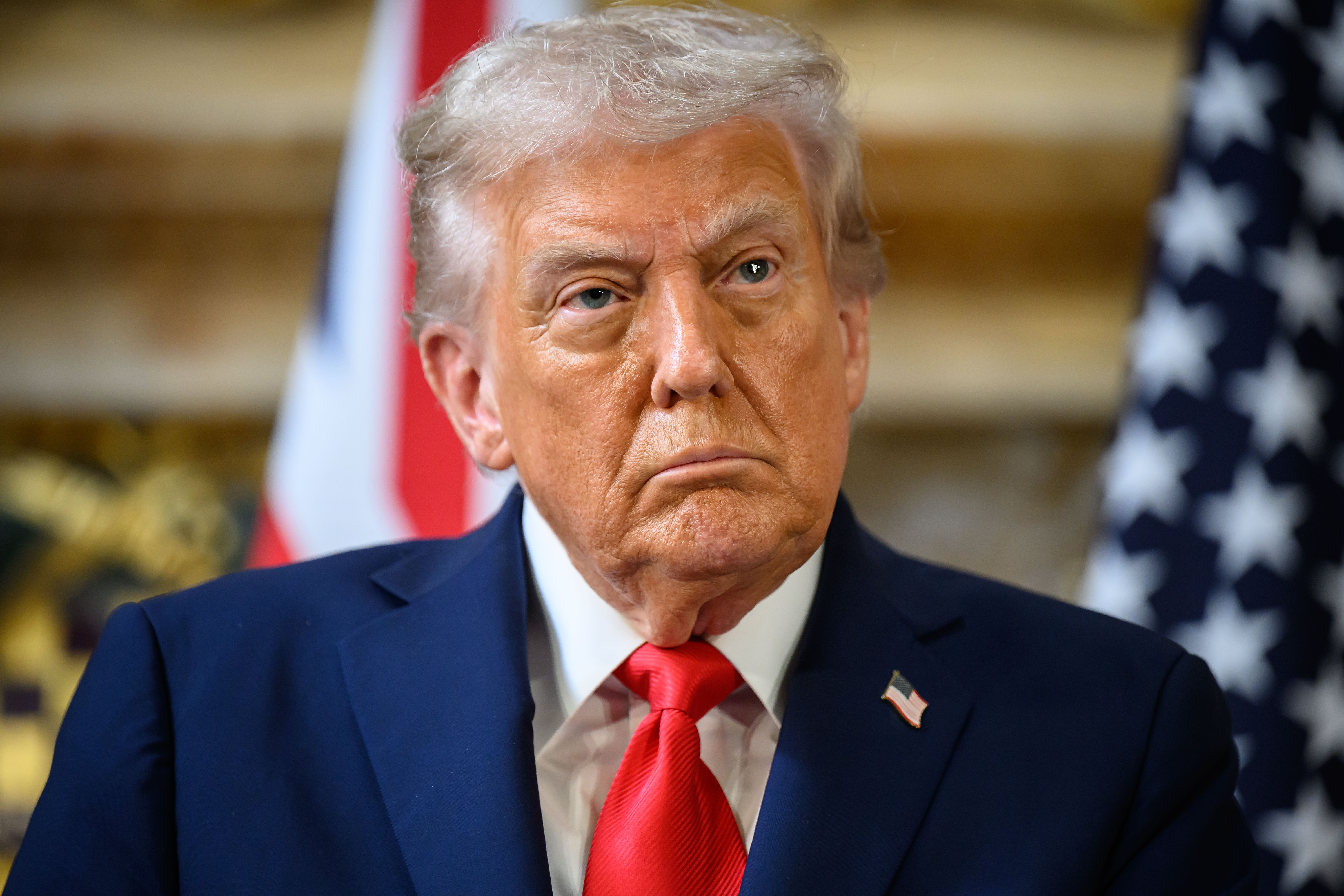
The revoking of tickets for Iran supporters for the 2026 World Cup, as revealed by the country’s football federation on Tuesday, represents another group of people impacted by the strict and aggressive border restrictions imposed by Donald Trump’s administration in the United States.
Long dismissed as an issue by Fifa president Gianni Infantino, the inevitable consequence of Iran being at war with a co-host of the tournament is rearing its head just two days out from the event starting on Thursday. Iranian state media say that 15 officials were denied visas to the US, while the playing squad based in Mexico must reportedly enter and leave the United States on the same day as their matches.
In addition, just on Monday, Somalian referee Omar Abdulkadir Artan – considered one of Africa’s top officials – was refused entry at the border in Miami due to “vetting concerns”, raising serious questions of the US’ Customs and Border Protection (CBP), as well as Fifa.
 open image in gallery
Yet they’re not the only people impacted, from players and executives to officials and fans. The list is ever-growing – and set to rise as the tournament begins in Mexico City on Thursday.
Here’s a list of all the people impacted by the United States’ strict border requirements.
Iran supporters
The latest news on Tuesday is that Iran is claiming its fan ticket allocation has been revoked – just one week before their first match against New Zealand in Los Angeles.
The country’s football federation (FFIRI) states that it is a decision which will “sabotage the presence of Iranian fans”, with many who have already made travel plans now unable to attend their team’s matches, two of which are in Los Angeles, with one in Seattle.
Under Fifa regulations, each country receives eight per cent of tickets for each match allocated to its federation and their fans.
Iran said the move was “contrary to the spirit governing international competitions and the principle of equality among participating countries.”
Inevitably, that’s not been the only issue concerning Iran and the World Cup. More below…
 open image in gallery
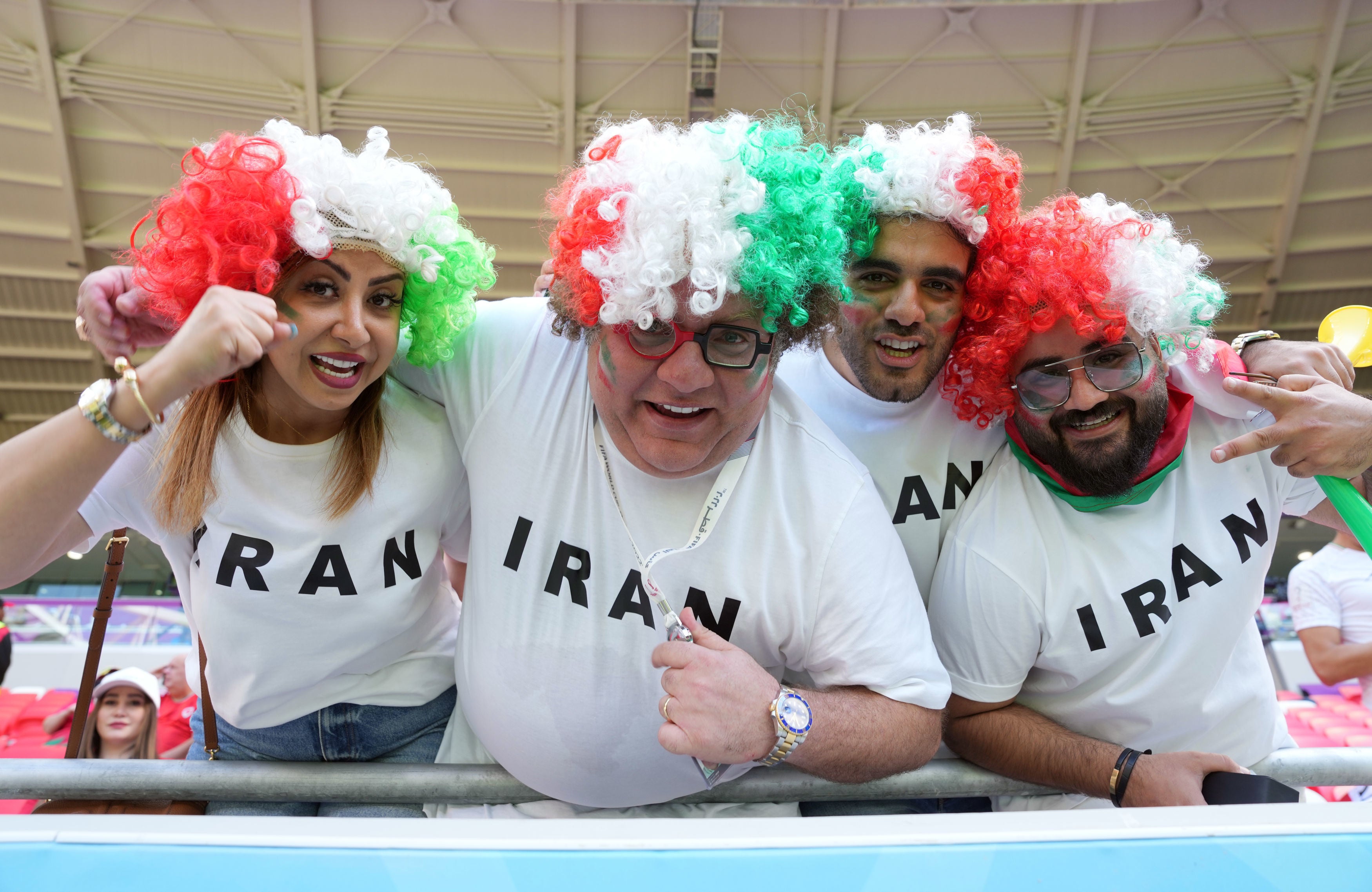
Omar Abdulkadir Artan
The Somalian referee, who has officiated at the African Cup of Nations, was one of 52 referees for this summer’s tournament. However, over the weekend, after flying into Miami International Airport from Turkey, he was refused entry into the United States by CBP due to unspecified “vetting concerns.”
Artan has revealed he was subject to an 11-hour immigration interview and, speaking to the New York Times, maintained he held the “right papers” and “right visa.”
“I am very, very disappointed,” he said. “I’m just simply a referee who’s trying to live his dream – the biggest dream of my life, to come to the World Cup.”
Fifa, for their part, distanced themselves from the decision. A statement read: “Fifa is not involved in host country immigration processes, including visa adjudications, and has been informed by authorities that Mr Artan’s status will not be changed at present.”
Somalia’s prime minister Hassan Ali Khaire has bemoaned the call, adding: “I remain hopeful that a solution can be found. Football is at its best when it brings people together and celebrates merit, inclusion, and opportunity.”
 open image in gallery
Iran team
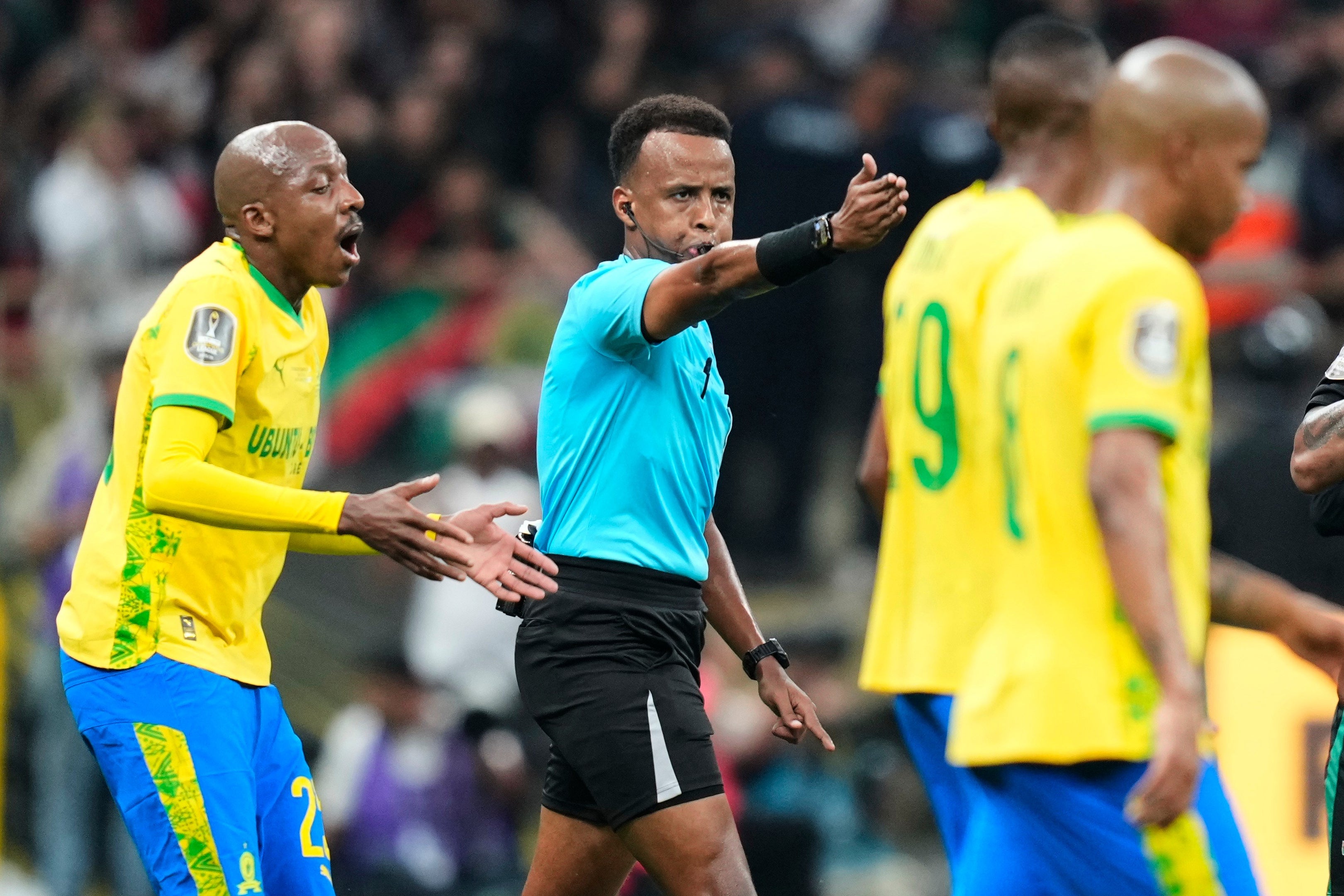
Having already changed their base from Arizona to the Mexican city of Tijuana, directly across the border from San Diego, the Iranian squad have already encountered visa issues.
The playing squad will, according to the country’s ambassador to Mexico, only be allowed into the US on the day of their group games before departing immediately after full-time. Los Angeles, venue for their first two matches, is only a 30-minute flight from Tijuana but Seattle, where they face Egypt in the ‘World Cup pride match’, is around three hours on a plane.
Fifa’s World Cup rules dictate that every team is expected to travel the day before each match, attending a press conference at the stadium, as well as having the opportunity to train at the stadium. Iran will seemingly be unable to fulfil these duties.
In addition, 15 officials and staff were denied visas to the United States. “We are upset about this behaviour”, said Amir Ghalenoei, Iran’s head coach. “It has certainly never happened before.” The staff members were labelled “integral” by the country’s football federation.
The US State Department claimed that the “visas necessary for Iran to compete in the World Cup” had been issued, adding: “We will not allow the Iranian team to abuse this system to sneak terrorists into the United States under false pretences.”
 open image in gallery
Breel Embolo
The star Switzerland forward, who has 24 goals in 86 international caps, joined his teammates late in camp in the United States after encountering problems with his US entry visa.
It is believed to be related to a 2018 altercation in Basel, for which US authorities requested additional checks. The Swiss Football Federation stated that officials sought documents after Embolo was convicted in 2023 of making multiple threats. He was handed a suspended fine.
Embolo attended an appointment at the US embassy in Bern, the capital of Switzerland, last Wednesday before his visa was approved.
 open image in gallery
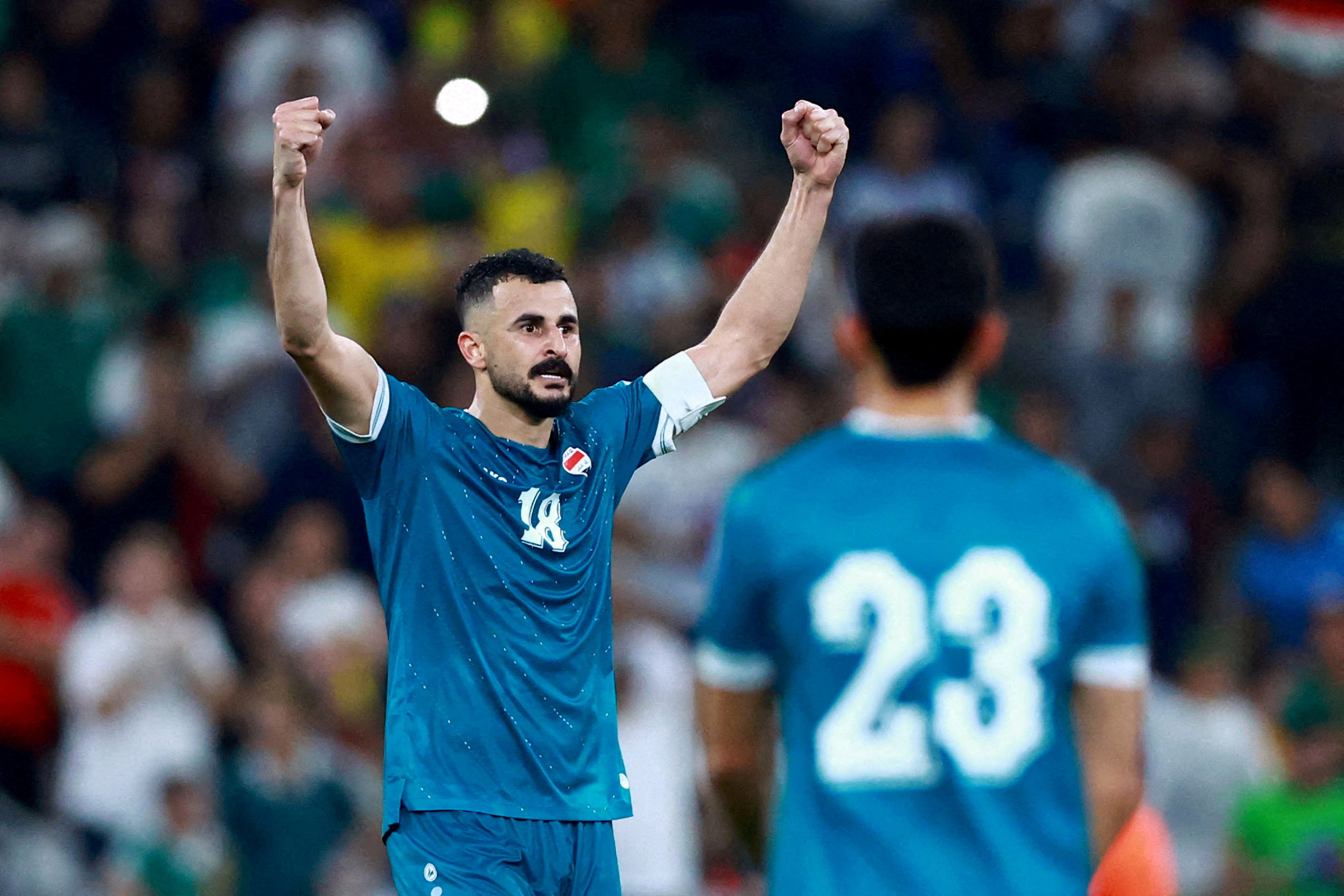
Iraq personnel
Iraq, who are in a group alongside France, Senegal and Norway, have been impacted by the suspension of US consular services in the country – a result of the conflict in the Middle East.
For those with the right paperwork, some found the US border an arduous process. The team’s photographer, Talal Salah, was denied entry and detained for more than 10 hours after a search of his phone.
As for 30-year-old striker Aymen Hussein, he was allowed in but only after being questioned for nearly seven hours in Chicago.
 open image in gallery
English LGBTQ+ fans
Not an official matter of US policy, but England’s official LGTBQ+ supporters group – Three Lions Pride (3LP) – revealed in January that they would not be a visible presence in the United States this summer.
A statement detailed that the “dangerous rollback of human rights” in the US has deterred fans from attending. The 3LP has around 350 members and regularly attends matches.
“This is a tournament that had so much promise,” 3LP said in their statement.
“That hope, that optimism, is well and truly shattered. As a group, we are no longer surprised by hollow platitudes from FIFA nor are we shocked at having a major tournament that disregards the safety, security or wellbeing of fans.”
Haiti fans
In addition to Iran, citizens from Haiti face full entry bans to the United States, while Ivory Coast and Senegal face partial restrictions.
In addition, countries like Uzbekistan and Ecudaor suffer from US visa rejection rates around the 40% mark, making it extremely difficult for fans of these countries to commit to attending matches in the United States.