


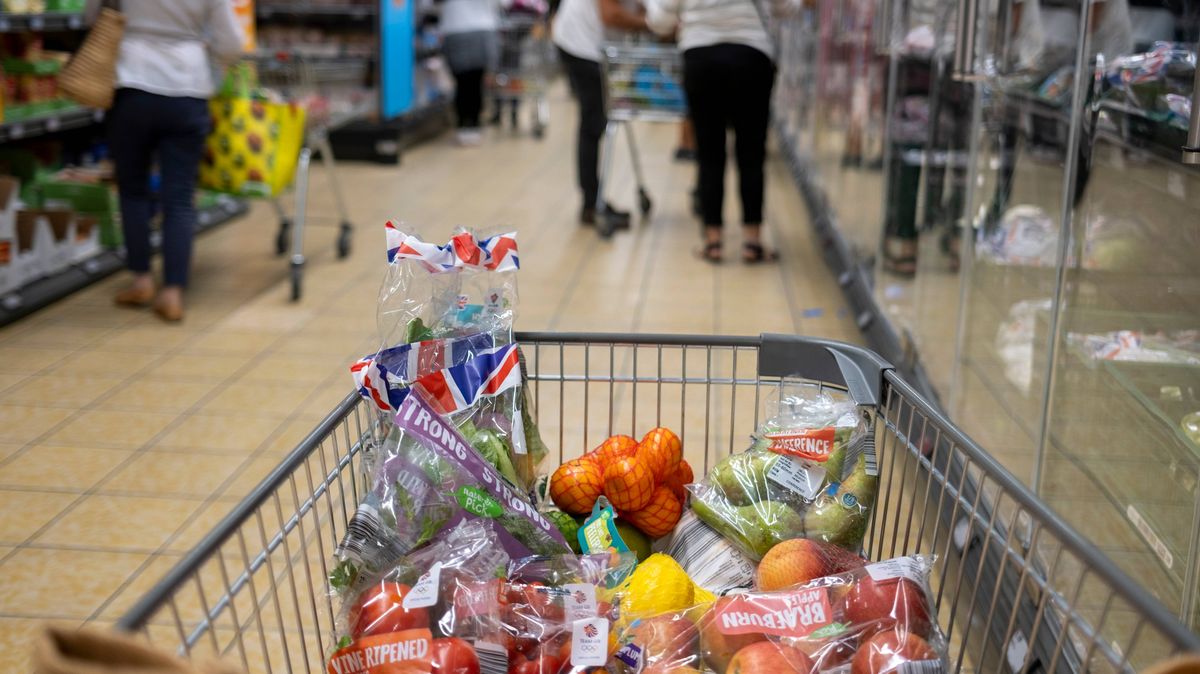
Households face paying higher prices for food staples such as bread and pasta even after the war in Iran eases, a report warns.
Food prices have gone up as a result of the Middle East conflict, along with extreme El Niño weather pattern. But analysis from the Energy and Climate Intelligence Unit (ECIU) warns that price rises from “major shocks” normally only come down slowly and partially afterwards.
The think tank found that on average, shelf prices fall just 1% of the original rise after six months, 5% after a year and 7% after two years. In wage-adjusted terms, only around a third (35%) of the affordability shock had been reversed after two years. The report, based on more than 30 years of UK data, described this as a “rocket and feathers” effect, where food prices “shoot up like rockets but drift down like feathers”.
 View 3 Images
It comes after Chancellor Rachel Reeves last week announced “targeted cuts” to food tariffs(Image: Oscar Wong via Getty Images)
The ECIU said El Niño temperatures particularly affect cocoa, food oils, rice and sugar, with wider risks for other products such as bananas, tea, coffee, chocolate and soy-fed meat.
A previous report by the think tank suggests that UK food prices are on track to be 50% higher by November compared to levels at the start of the cost of living crisis in mid-2021.
It comes after Chancellor Rachel Reeves last week announced “targeted cuts” to food tariffs, which Labour claims could make certain items – including biscuits, chocolate, dried fruit and nuts – cheaper.
ECIU food and farming analyst Chris Jaccarini said: “Shoppers feeling that prices are on a never-ending escalator upwards is borne out by the data.
“War and extreme weather are increasingly pushing up the cost of the weekly shop with the latest conflict in the Middle East driving up the price of oil, gas and fertiliser used to grow, ship and process food.
“In England, we’ve had three of the worst harvests on record in the past five years and next year is shaping up to be the hottest globally. The only way to stop the growing risk of floods and droughts is to reach net zero and bring the climate back into balance.
“That means cutting our reliance on oil and gas, which would also help shield food prices from the volatile global markets that have helped drive the cost-of-living crisis. As the data shows, once prices are up, they’re up – prevention is the only cure.”
 View 3 Images
A previous report by the think tank suggests that UK food prices are on track to be 50% higher by November compared to levels at the start of the cost of living crisis in mid-2021.
(Image: Getty Images)
Henry Dimbleby, former lead of the government’s National Food Strategy, said: “Food inflation has been brutal – and it will keep biting unless we tackle the underlying causes.
“That’s because our food system is tightly tied to energy, fertiliser and transport costs – and we’ve built too little resilience into supply chains and production. As climate change and energy volatility worsen, shocks are likely to become more frequent and more severe.
Article continues below
“Unless we cut our reliance on fossil fuels, diversify supply chains and build real resilience into food production, higher food prices will become a lasting feature of daily life, with the heaviest burden falling on those least able to bear it.”