


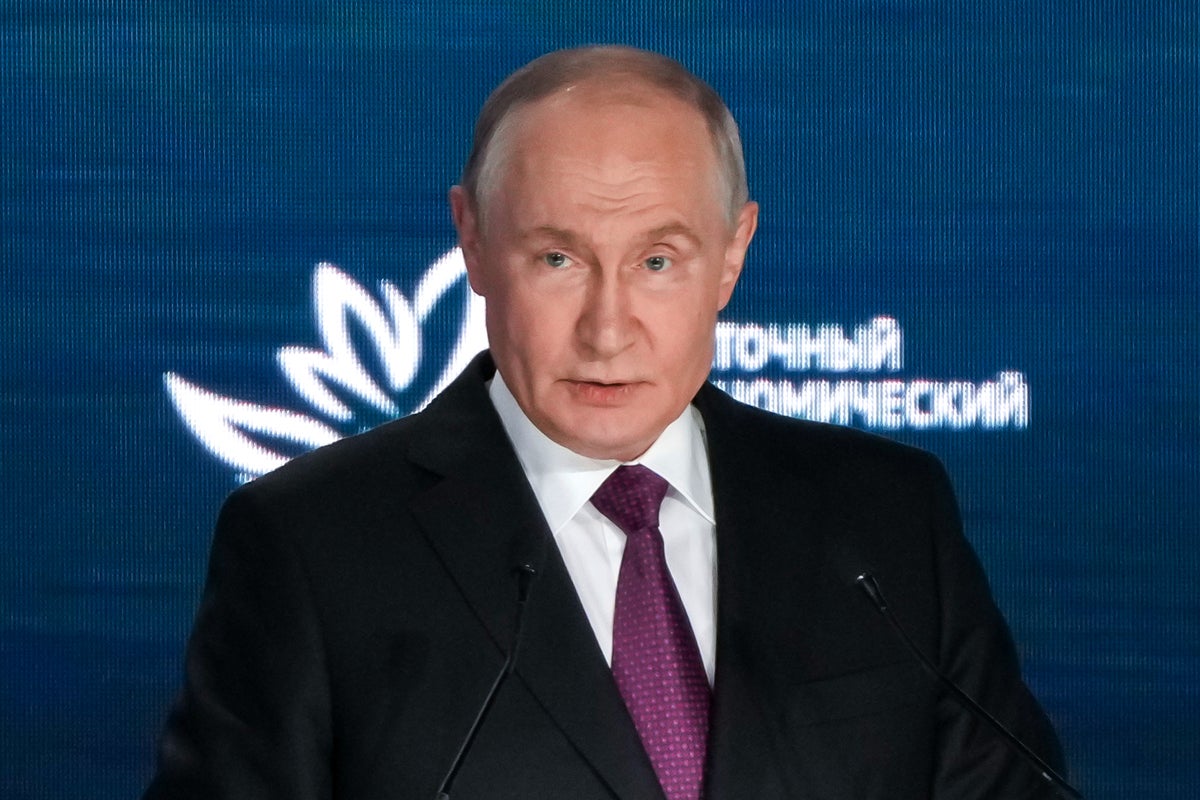
Eighteen years before Russian tanks rolled into Ukraine, the then German chancellor Gerhard Schröder was asked for his opinion on President Vladimir Putin.
“I am thoroughly convinced that the Russian president wants to transform Russia into a democracy and that he is doing so out of a deeply held conviction,” he said in 2004. That same year, Putin was re-elected by a landslide in an election widely regarded as a sham.
His comments underlined a spirit of cooperation and friendship that had grown between the two countries since the end of World War Two. Germany’s economy hugely benefited from imports of cheap Russian gas, culminating in the construction of the Nord Stream gas pipeline under the Baltic Sea.
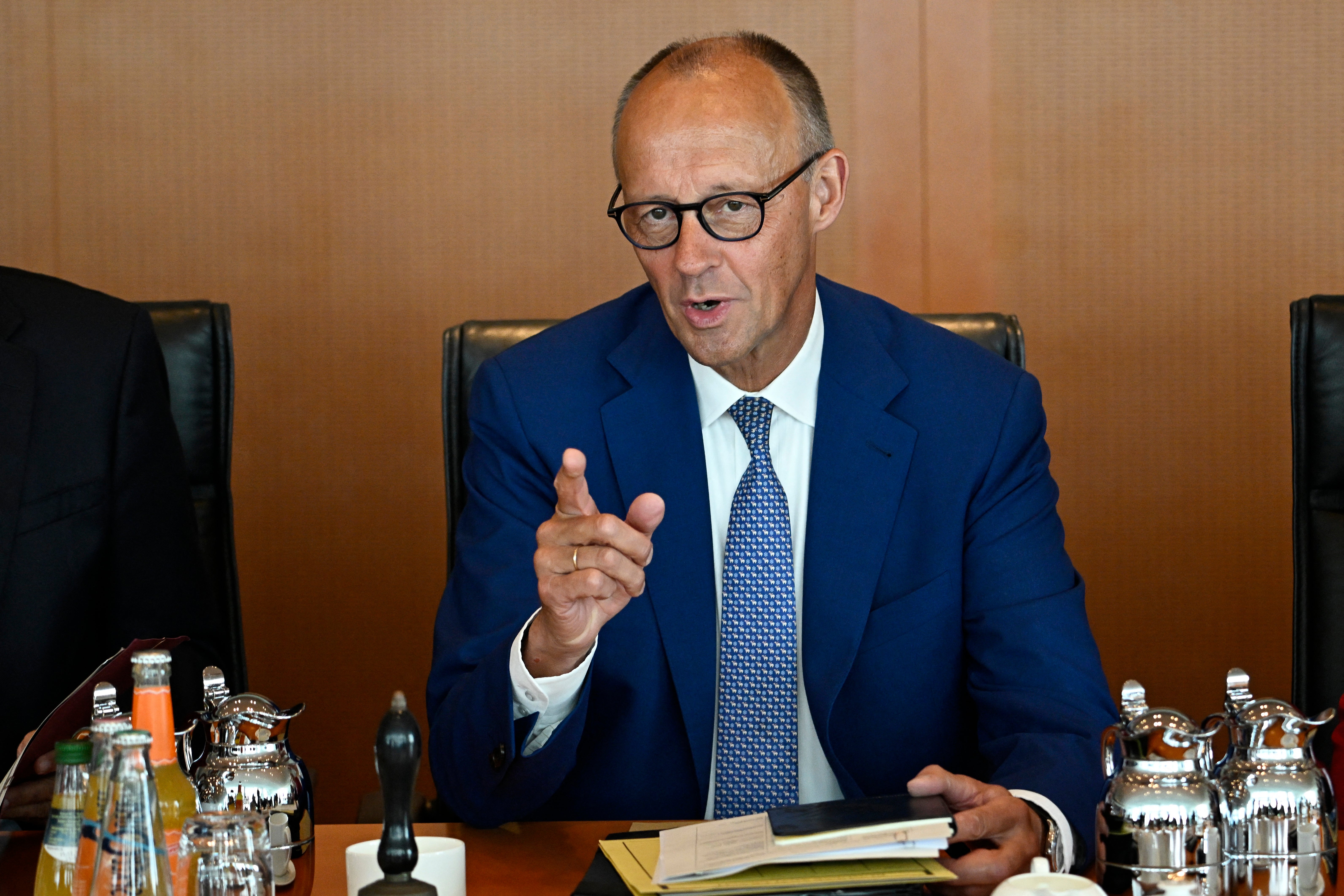
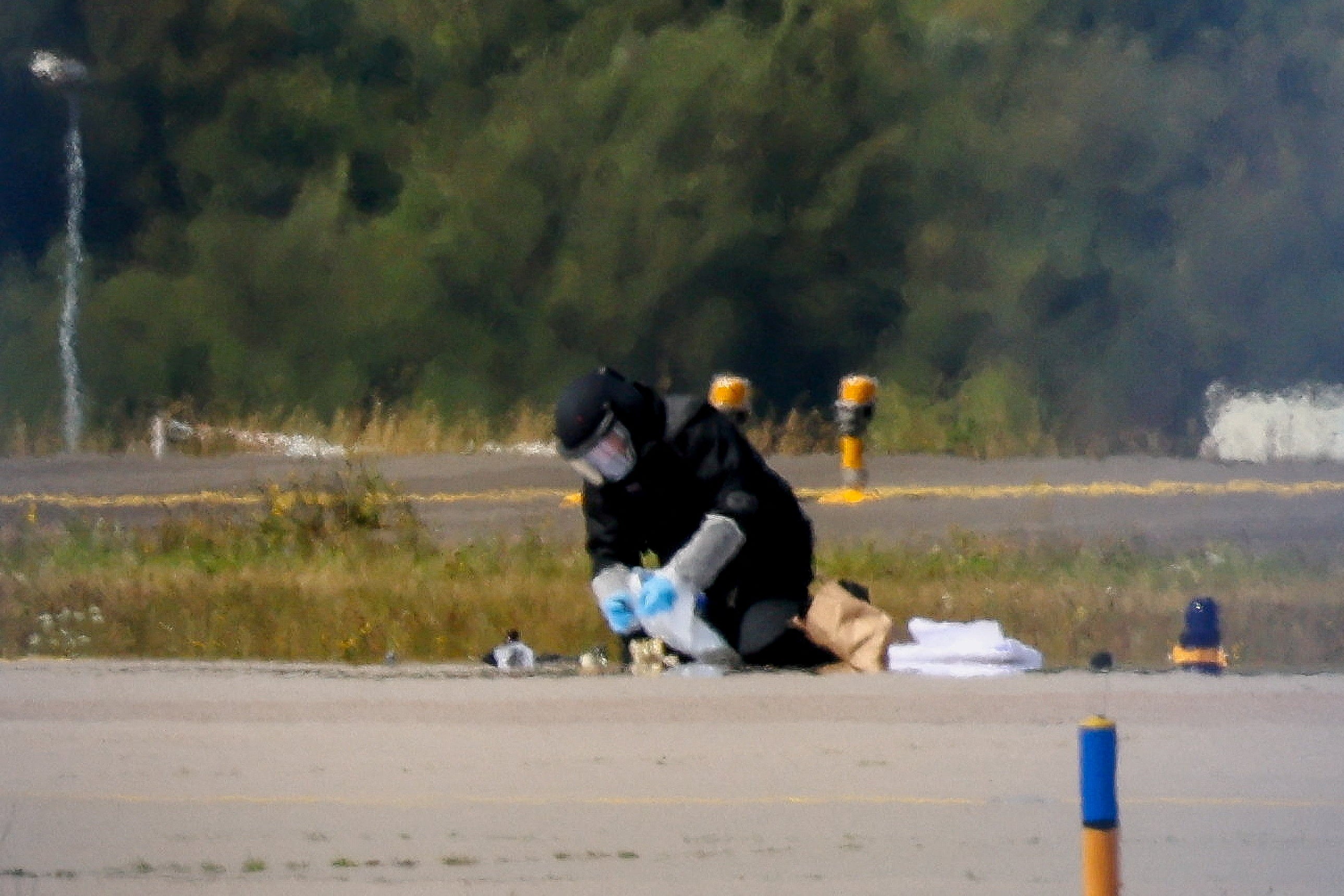
That relationship has now hit an all-time low. On Wednesday, the deputy chairman of Russia’s Security Council, Dmitry Medvedev, threatened Germany with direct military strikes in response to Berlin’s claim that Russia was behind a failed explosive drone attack at Leipzig Airport last month. The drone, which was laden with explosives, failed to detonate near a Ukrainian cargo plane.
 open image in gallery
The Kremlin said the accusation was “baseless,” but Germany has responded by summoning Moscow’s ambassador, ordering the closure of the Russian consulate in Bonn, and shutting down the Russian House cultural institute in Berlin.
Germany’s leadership has also signalled plans to crack down on Russia’s maritime shadow fleet and announced support for an expanded European Union sanctions package.
Analysts say the deteriorating relationship between Moscow and Berlin is crucial of the future of Ukraine and Europe. Below The Independent looks at how one of Putin’s key economic partners became an enemy.
 open image in gallery
Germany’s relationship with Russia before the war
Successive German governments under Schröder and Angela Merkel have sought deep economic integration with Moscow.
This strategy, rooted in the post-Cold War doctrine of Ostpolitik, was built on the belief that mutual commercial dependence would guarantee stability and deter Putin from threatening Europe.
Central to the relationship was a reliance on Russian gas, which saw an enormous amount of fuel sold to Germany at cheap prices.
The economic partnership between both states led to the construction of the Nord Stream gas pipelines in 2011, which delivered Russian fuel across the Baltic Sea to Germany.
 open image in gallery
Ian Bond, the deputy director of The Centre for European Reform (CER), said the signing of the 2015 Minsk II Agreement was another indicator of the strength of Russian-German relations at the time.
Brokered under Merkel, the deal was widely criticised as effectively signalling Western acceptance of Russia’s illegal annexation of Crimea.
Berlin refused to sever its economic ties to the Kremlin despite the annexation drawing international condemnation, repeatedly dismissing concerns from Washington and Eastern European allies that their relationship posed a risk to security.
By the eve of the 2022 full-scale invasion of Ukraine, Germany was relying on Russia for over 50 percent of its natural gas imports.
How did Germany respond to the war?
The energy partnership unravelled in February 2022 after Russia invaded Ukraine, as the construction for Nord Stream 2 collapsed, dismantling decades of trade policy and forcing Germany to seek alternative energy supplies.
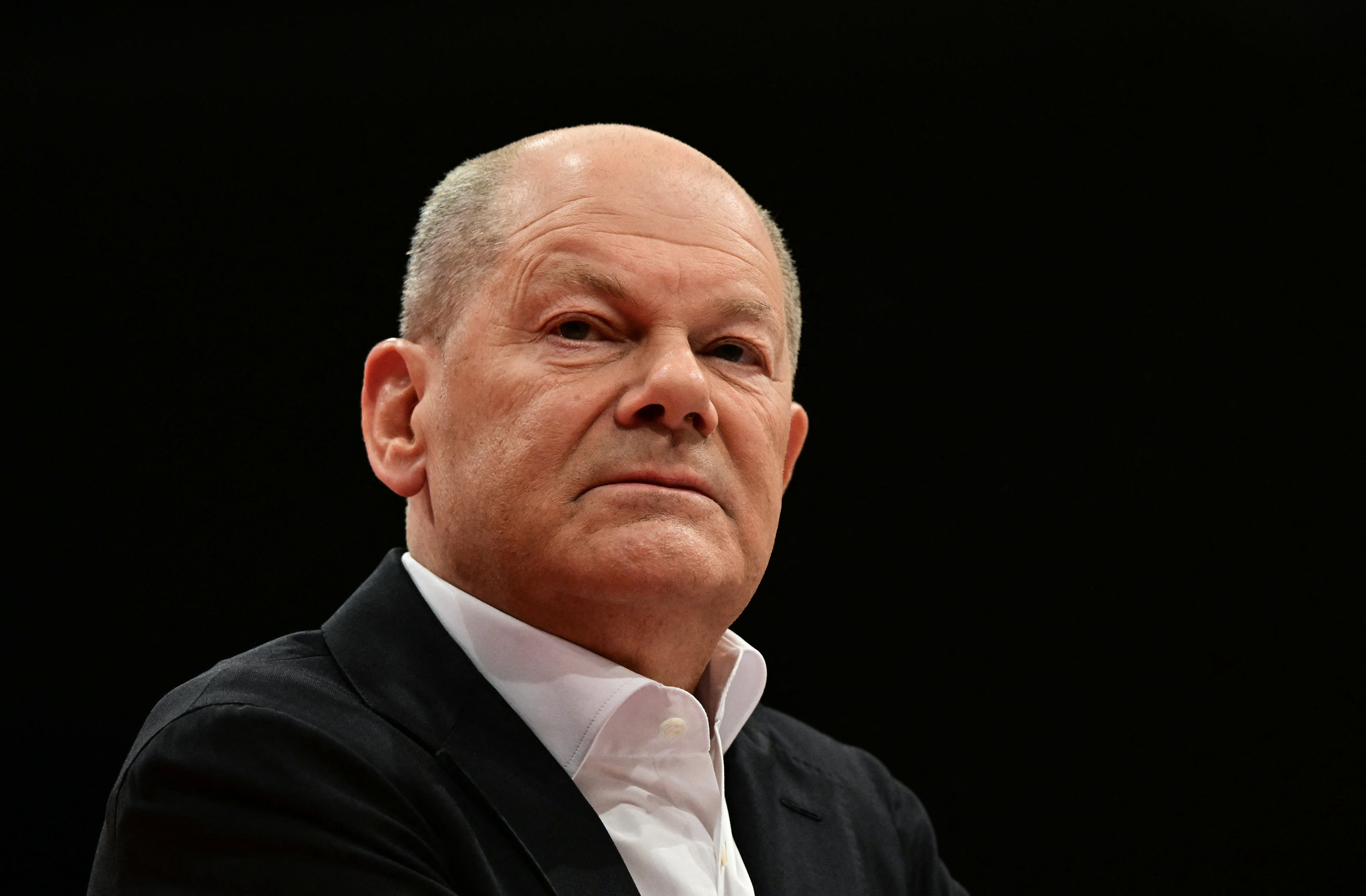
In response to the invasion, the then chancellor Olaf Scholz announced a fundamental turning point in German foreign and security policy — a pivot termed the Zeitenwende.
 open image in gallery
The U-turn saw decades of post-WWII military restraint overhauled by an €100 billion fund to modernise German armed forces, send military aid to Kyiv, and systematically end the country’s economic reliance on Moscow.
For Mr Bond, the war bought a change in the German collective consciousness: “There was a realisation in Germany that Putin’s ambitions were not limited to Crimea and bits of Donbas.
“Russia is an imperialist power… and I think the Germans took some time to wake up and realise that Europe has a serious Russia problem.”
Why has Germany now become Putin’s public enemy number one?
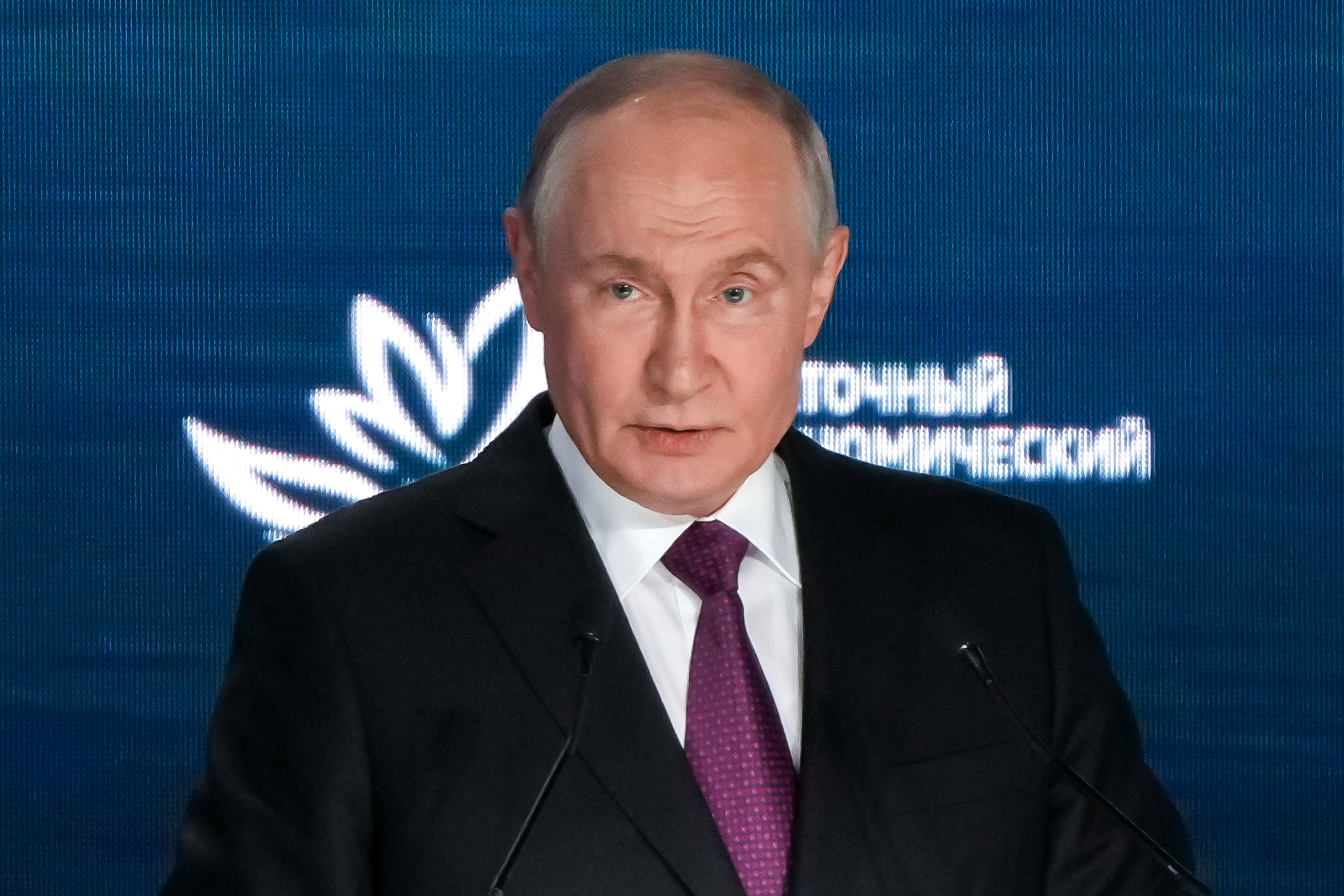
The motives behind Russia’s recent hybrid attacks are partly strategic, explained Mr Bond, with Moscow seeking to exploit divisions in Germany over continuing support for Kyiv.
State elections are coming up in Germany where the far-right, pro-Russia party, Alternative for Germany (AfD) are topping the polls.
“With these attacks, it seems like Putin is trying to scare Germans into voting for a party who can show that they won’t have a problem with Russia,” he said.
Mr Bond said that voters opting for a party sympathetic to the Kremlin was a “puzzle” unique to Germany, that was not replicated in eastern European states.
 open image in gallery
But Putin’s targeting of Germany is not exceptional, cautioned Mr Bond.
Several states and institutions have been subject to the Kremlin’s aggression — including Poland and the Baltic states.
“Germany is bearing the brunt of recent attacks, but there is quite a lot of this going on,” he said.
“The message of this for the rest of Europe and NATO is that, while Russia may not be strong enough to launch direct attacks, it is doing everything it can to destabilise Europe, and try to scare away support for Ukraine.”
Mr Bond warned against potential German appeasement of Putin.
“Each one hopes that if he feeds the crocodile enough, the crocodile will eat him last,” Mr Bond quoted. “Here, Putin is hoping that the rest of Europe will believe that if it feeds Ukraine to Russia — it’ll be the end of it all.”