


Geekbench 7 will push your computer or phone even harder for better benchmarking
It looks and acts like Geekbench 6, but under the hood are larger datasets, new audio / video tests, and more tweaks.
It looks and acts like Geekbench 6, but under the hood are larger datasets, new audio / video tests, and more tweaks.
by Jul 23, 2026, 5:00 PM UTC Image: Primate Labs
 Antonio G. Di Benedetto is a reviewer covering laptops and the occasional gadget. He spent over 15 years in the photography industry before joining The Verge as a deals writer in 2021.
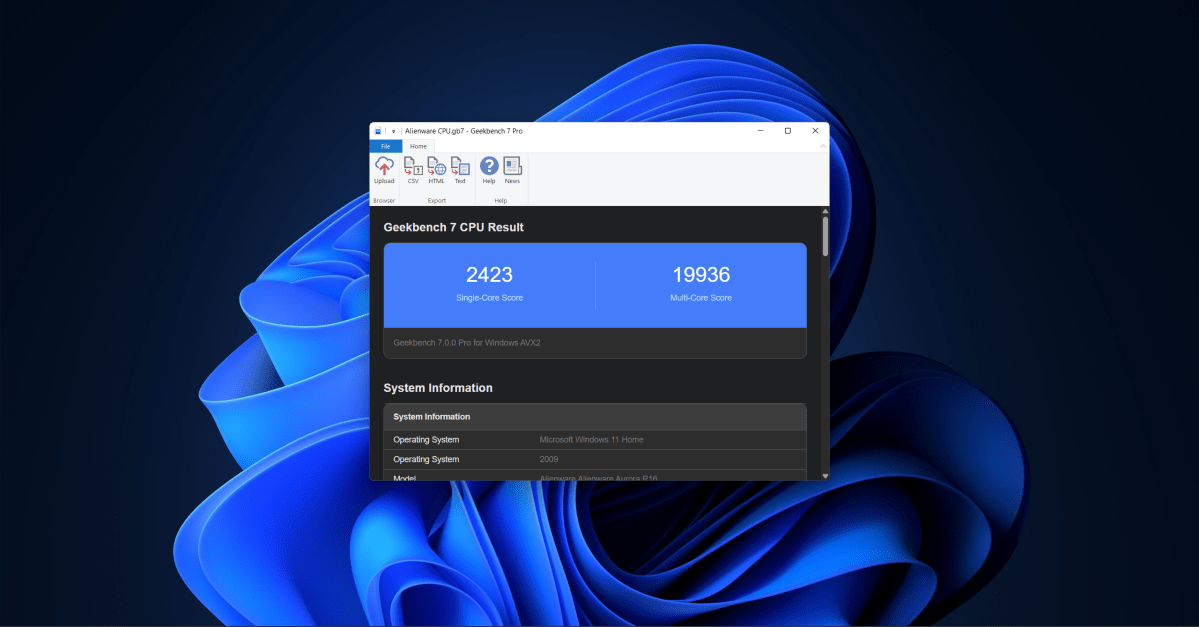
Primate Labs is releasing Geekbench 7, the latest generation of its popular benchmarking tool. Geekbench 7 features new video and audio encoding / decoding tests, a redesigned multi-core test, and larger, more demanding datasets for CPUs and GPUs to crunch through. It otherwise looks and acts just like Geekbench 6, and a Pro license will cost the same $99 (discounted to $79 until August 6th).
A Geekbench 7 Pro license allows for offline benchmarking that doesn’t get uploaded to the Geekbench Browser, and it still covers all compatible desktop platforms of Windows, macOS, and Linux.

Geekbench is one of the mainstay synthetic benchmarks we use in reviewing laptops here at The Verge. I’ve always liked how simple and fast Geekbench is to run, but its short duration also means it’s a better test of quick bursts of computing rather than sustained loads that can throttle some CPUs and GPUs. (One of its tests involves rendering a 1.5MB PDF file, which must be near-instantaneous for most modern chips.)
Primate Labs claims Geekbench 7 uses “more demanding data sets to more accurately capture the hardware demands of modern applications.” The new audio / video tests also now include AV1, Opus, model video conferencing, streaming, and content consumption workloads. And multi-core benchmarks are designed to better reflect real software behavior since the new workloads will only run multi-threaded when the modeled tasks run that way.
These all sound like marked improvements, even if Geekbench 7 tests still only take a few minutes to run. Scores from Geekbench 6 are of course not compatible with Geekbench 7. So if you’re the testing type, feel free to spiritually join me in a whole bunch of new benchmark testing and retesting. Always be testing.
Follow topics and authors from this story to see more like this in your personalized homepage feed and to receive email updates.