


AdvertisementLegacy beyond wealthBusiness
From wealth transfer to living legacy: How Asia’s founders are architecting the future
As its latest research reveals a ‘Knowledge Paradox’ stalling succession plans, HSBC Life is building a comprehensive ecosystem to safeguard wealth, health, and family values.
Paid Post:HSBC Life3-MIN READ3-MIN Listen
Advertising partnerPublished: 12:00am, 6 Aug 2026
[The content of this article has been produced by our advertising partner.]
Asia is on the precipice of a monumental economic shift. By 2030, an estimated US$5.8 trillion of wealth is expected to pass from the region’s founding generations to their successors. In today’s world, wealth is rarely held in one place or one form. Families increasingly live cross-border lives with complex corporate holdings – making succession a formidable challenge to execute smoothly.
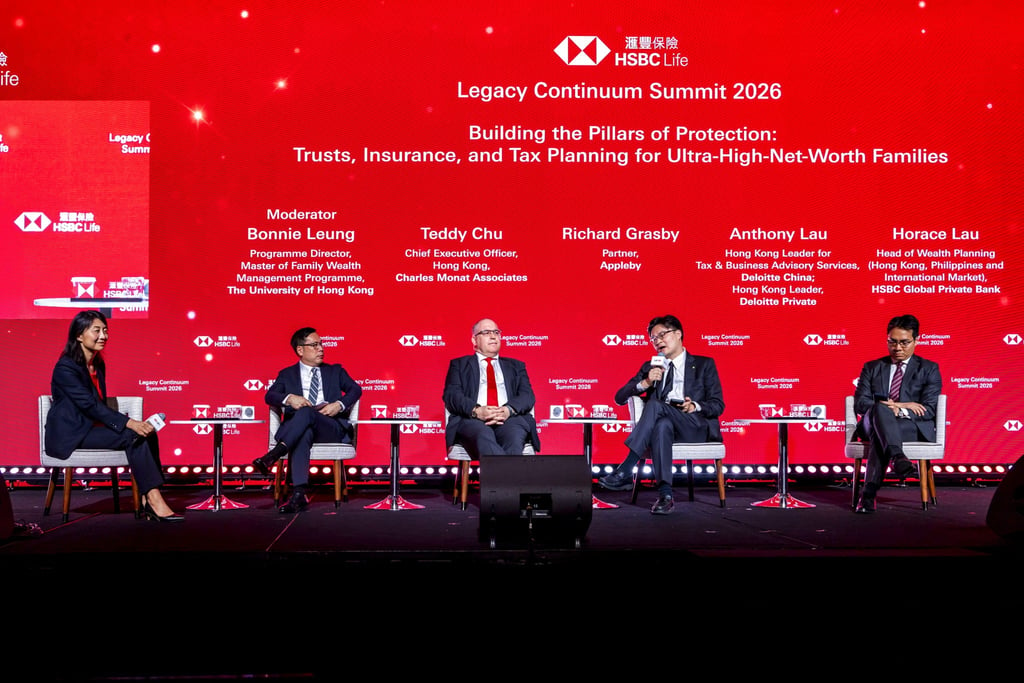
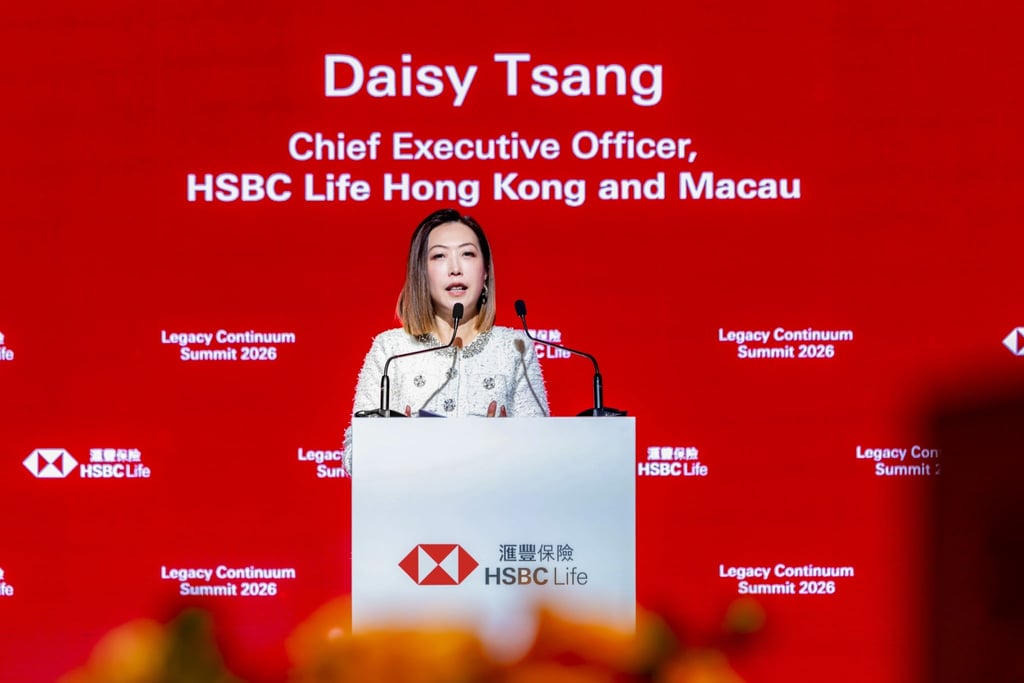
At the inaugural Legacy Continuum Summit recently hosted by HSBC Life in Hong Kong, the dialogue ventured far beyond traditional asset allocation. The event served as a real-world corroboration of a shifting paradigm: modern succession planning must safeguard not only financial portfolios, but also human capital, family values, and long-term health.
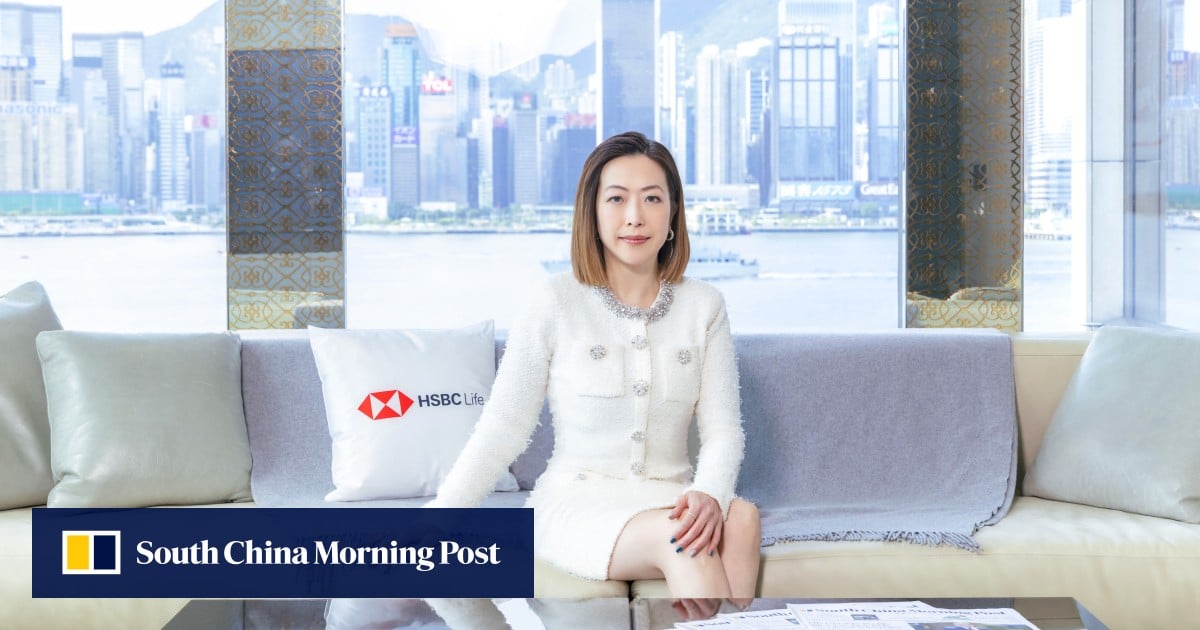
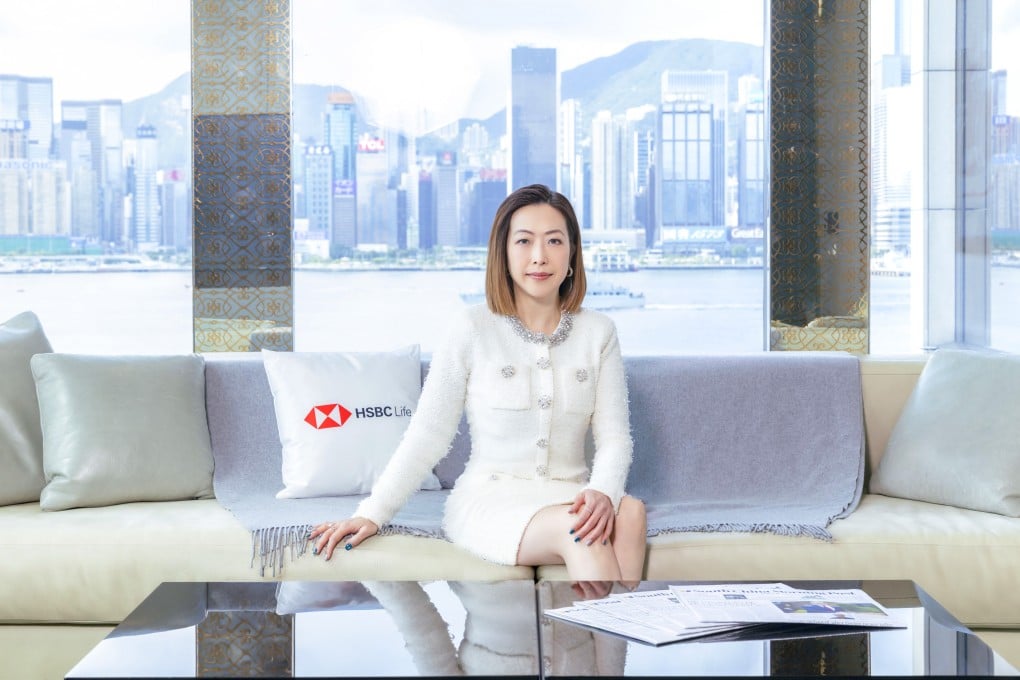
“Legacy planning has become a matter of continuity,” Daisy Tsang, Chief Executive Officer of HSBC Life Hong Kong and Macau, said in her opening address. “In a cross-border world, good intentions are no longer enough. Structure, expertise, and action are needed.”
The Knowledge Paradox
Despite the looming wealth transfer, preparedness remains alarmingly low. HSBC Life’s recent research, “HSBC Life – From fragility to fortress across generations: navigating the evolving legacy landscape in Hong Kong and Mainland China,” revealed that approximately 70 per cent of high-net-worth (HNW) individuals have yet to establish formal legacy plans.
“The reality is that many people have not started planning because legacy planning is technical, complex, and they don’t know who to approach or don’t have the time,” explained Tsang, pinpointing the “Knowledge Paradox” at the heart of this inaction. The research substantiates this, showing that 71 per cent of respondents in Hong Kong and 69 per cent of those in Mainland China feel paralysed by a lack of information and the burden of coordinating multiple advisers across legal, tax, and family governance issues.
These findings echoed a recurring theme across the summit’s expert panels. As industry specialists cautioned, failing to plan does not leave matters undecided, but rather abandons them to default inheritance laws—which may not align with the founder’s wishes. The greatest risk, it was agreed, is not only market volatility, but also unpreparedness.
Divergent Priorities, Shared Tools
The research also highlighted distinct regional mindsets. Hong Kong’s HNW families largely prioritise capital preservation and stability, reflecting a desire to protect what has been built over decades. Conversely, many Mainland Chinese wealth creators are preparing for their first major intergenerational handover – often with a strong focus on growth, coupled with deep concern over heirs potentially squandering sudden windfalls without sufficient readiness.
To bridge these complex needs, life insurance has emerged as one of the market’s preferred legacy planning tools, valued for its liquidity, privacy, and governance. “Wealthy individuals often have their capital tied up in investments or properties,” Tsang noted. “Assets can be difficult to sell quickly without disrupting a business or crystallising losses. In those moments, insurance provides flexibility and immediate access to capital when it is needed most.”
This is one of the advantages that explains why 80 per cent of Hong Kong respondents and 92 per cent of Mainland Chinese respondents now widely use or consider life insurance for legacy planning, ahead of wills.
Beyond Financial Capital
Crucially, modern founders view legacy through a wider lens. According to the study, many HNW individuals stressed that preserving family values is just as critical as transferring capital.
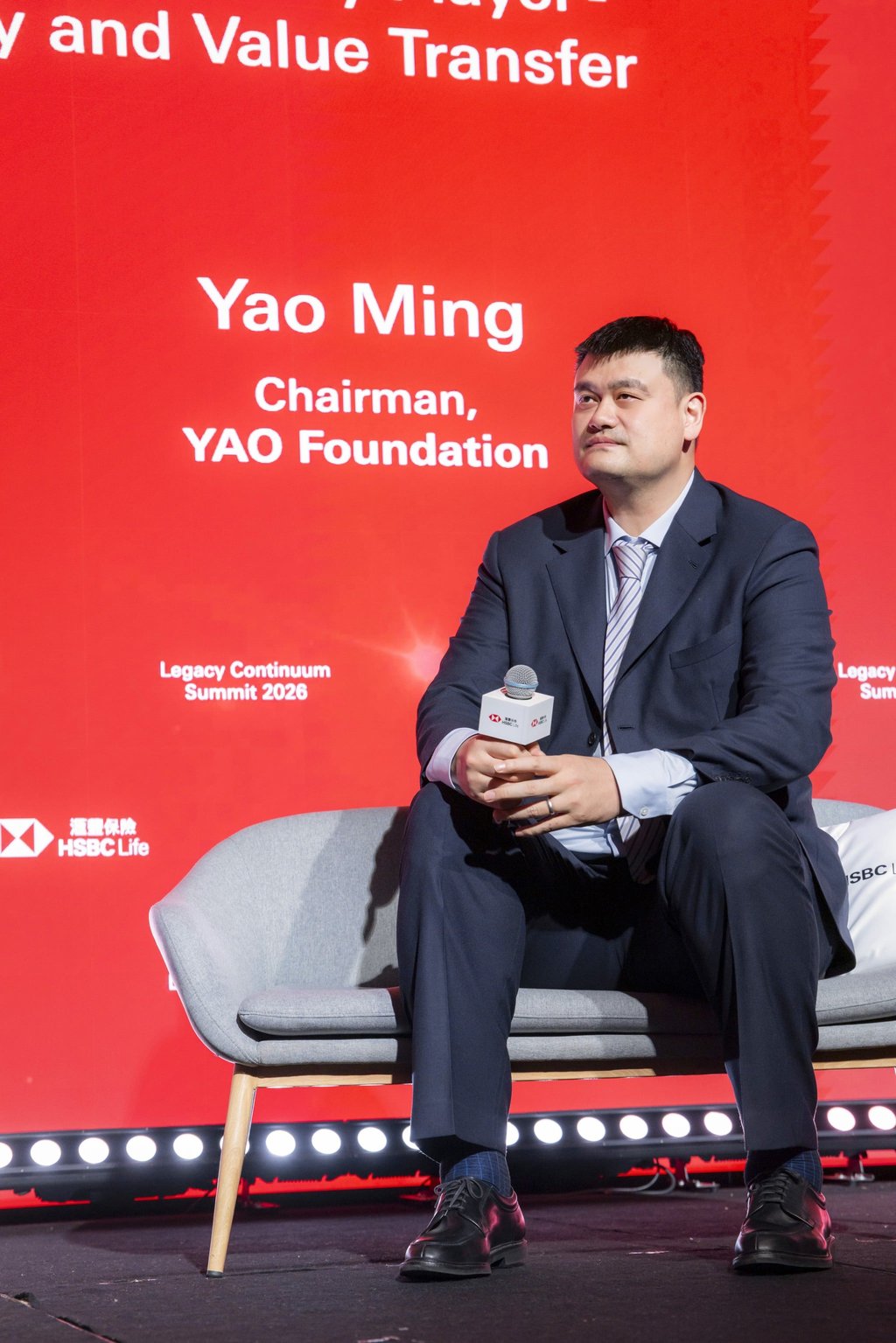
This insight was vividly corroborated during the summit. Discussions centred on capability-based succession and professionalising family structures. Adding a poignant perspective, special guest Yao Ming, Chairman of the YAO Foundation, observed that a family’s true standing is built gradually through consistent conduct. His remarks underscored that reputation and responsibility are the ultimate, enduring assets a family can pass on.
The definition of a lasting legacy has also expanded to include physical longevity, or “health span.” Summit dialogues highlighted that with climate-related risks increasingly impacting chronic disease, a family’s health needs to be managed with the same rigorous discipline as its wealth.
An Integrated Ecosystem
To meet the increasingly complex demands for modern legacy planning, HSBC Life is positioning itself as a “Master Architect,” integrating insurance, advisory, health, and heritage services into a cohesive framework. “Our goal is to expand the market’s definition of legacy,” said Tsang. “We are uniting partners to create a complete ecosystem that supports clients with much more than just a financial payout.”
HSBC Life recently introduced the HSBC Luminous Global Insurance Plan, designed with flexible ownership transfers linked to key life milestones directly mitigating concerns about heirs mismanaging wealth. Beyond the policy, eligible clients can access newly launched value-added services offered by HSBC Life in partnership with third-party service providers. These privileges deliver a comprehensive legacy advisory ecosystem through the Chief Legacy Planner service, multi-generational health support through the Humansa H+ Bespoke Multi-Gen Membership, and the Wisdom Heirloom Legacy Service, which pairs families with artists to immortalize their family values.
This architect-led approach is backed by robust market credentials. In addition to holding the No. 1 position in Hong Kong for four consecutive years, HSBC Life was named the World’s Best Insurance Provider for Wealth Management at the Euromoney Private Banking Awards 2026.
As the window for Asia’s great wealth transfer narrows, the institutions that succeed will be those capable of turning tentative intentions into durable, living legacies. “Ultimately, a legacy isn’t just about what you leave behind—it’s about what you set in motion,” Tsang said. “Our role is to give families the foundation they need to ensure their life’s work thrives for generations.”
AdvertisementAdvertisementSelect VoiceSelect Speed00:0000:001.00x