


AdvertisementUS-China trade warOpinionWorld Opinion

OpinionBob Savic
Chinese and Western firms are teaming up even as governments fight
To survive trade restrictions and regulatory barriers, companies on both sides are turning to joint ventures
3-MIN READ3-MIN Listen
Bob SavicBob Savic is head of international trade at the Global Policy Institute in London and visiting professor of international relations at the University of Nottingham. Published: 8:30pm, 5 Aug 2026
In an era defined by escalating geopolitical tensions and the weaponisation of supply chains, a counterintuitive phenomenon is taking root in the industrial heartlands of China, the United States and Europe. While governments in Beijing, Washington and Brussels engage in high-stakes chess matches of tariffs, export controls, sanctions and investment screening mechanisms, a parallel universe of corporate deal-making is flourishing.
The prevailing logic among multinational executives is that state-level divergence does not necessitate commercial divorce. Instead, Chinese and Western manufacturing giants are increasingly aligning their interests through complex joint ventures and strategic production alliances, not in spite of government friction but as a direct hedge against it.
This corporate pragmatism could transform joint ventures from mere tools of market access into sophisticated risk-mitigation vehicles designed to bypass trade barriers, localise supply chains and secure a foothold in multiple regulatory blocs at the same time.
The most compelling evidence of this trend is the strategic realignment in the automotive sector, particularly in the new energy vehicle (NEV) space. The recent announcement by Geely Automobile Holdings and Ford Motor Company serves as a case study.
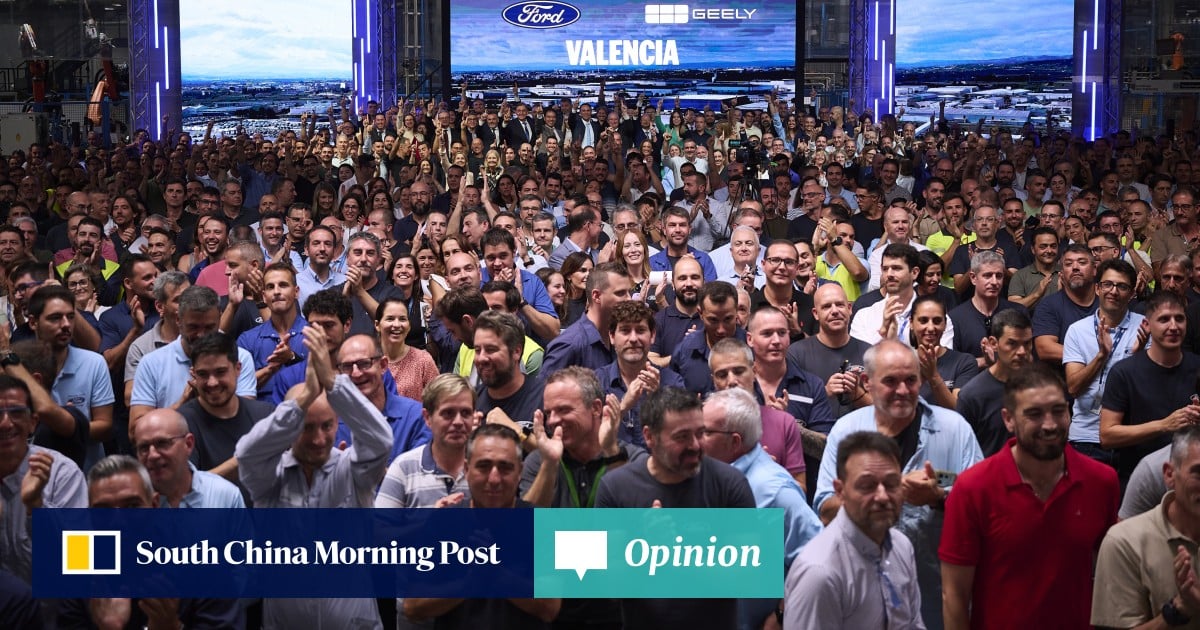
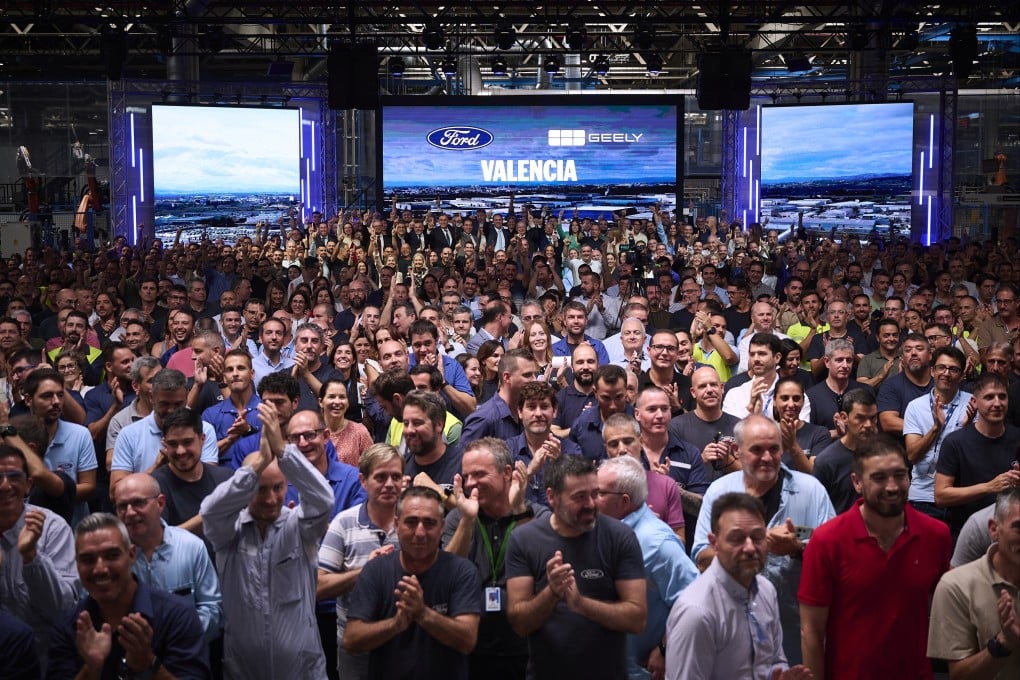
By agreeing to produce NEVs for the European market at Ford’s manufacturing plant in Valencia, Spain, both companies are executing a masterstroke of geopolitical arbitrage. By using Ford’s existing Spanish capacity, Geely gains a “Made in Europe” badge, avoiding punitive tariffs and leveraging the European Union’s supply chain connectivity without the long delay of building a greenfield factory.For Ford, which has struggled to make its European operations profitable amid high labour costs and the transition to electrification, the partnership gives it access to Geely’s advanced battery and modular electric vehicle (EV) architecture.AdvertisementSelect VoiceSelect Speed00:0000:001.00x