


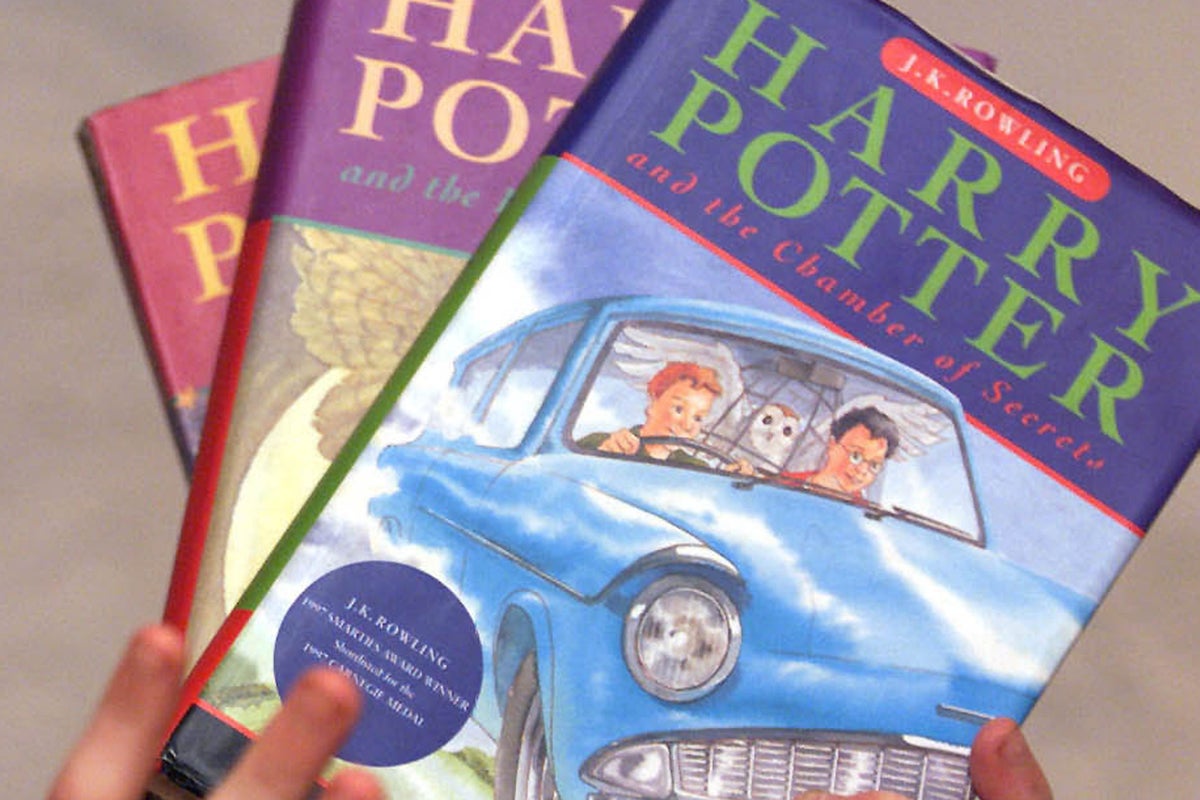
Bloomsbury, the publishing house behind Harry Potter, has outlined a five-year succession plan for founder Nigel Newton, who has steered the company for four decades.
Under the new structure, chief executive Mr Newton steps into the role of executive chairman, with the search underway to recruit a successor chief executive within two years.
Having headed the publisher since its establishment 40 years ago, he will continue as executive chairman until 2031 to manage a seamless handover. Following this, he will relinquish operational duties and transition to non-executive chairman.
Meanwhile, existing chairman John Bason takes over as deputy chairman, heading the process to find the incoming chief executive.
Mr Bason said: “The transition announced today represents the board of Bloomsbury proactively addressing succession planning.
“Nigel’s continued leadership over the medium term will ensure continuity of Bloomsbury as a leading independent publisher.”
 open image in gallery
The group added that the five-year plan “ensures the company will continue to benefit from Nigel’s unmatched experience, entrepreneurial vision and deep industry knowledge”.
One of Mr Newton’s defining moments was acquiring the rights to J.K. Rowling’s first Harry Potter book after several publishers had rejected it, helping turn Bloomsbury into a global publishing success.
Under Mr Newton, Bloomsbury has grown into a FTSE 250 group, with its shares rising roughly 24-fold since its 1994 listing to close at 628 pence on Monday.
San Francisco-born and Cambridge-educated, Newton is one of Britain’s longest-serving chief executives. He left publishing company Sidgwick & Jackson in 1986 to start Bloomsbury with three other publishers.
The changes come as Bloomsbury navigates an AI-led digital expansion, having struck licensing partnerships with companies such as Google and moved into academic and professional publishing.
 open image in gallery
Mr Newton said the technology could support almost all creative arts, but stressed it would not replace big names.
“I think AI will probably help creativity, because it will enable the eight billion people on the planet to get started on some creative area where they might have hesitated to take the first step”, he said.
Using writer’s block as an example, Mr Newton explained: “AI gets them going and writes the first paragraph, or first chapter, and gets them back in the zone.”
He added that it “can do similar things with painting and music composition and with almost all of the creative arts.”
Bason said the transition showed the board addressing succession planning, adding that Newton’s continued leadership would help ensure Bloomsbury remained a leading independent publisher.