




Forget limoncello! How Lillet became the fruity, floral drink of the summer
In 2008, only 70,000 cases of this classic French aromatised wine were sold. In 2024, that boomed to 1.3m. What accounts for its sudden enormous resurgence?
I’m a sucker for a spritz. So when I saw a sign in the French House pub in London, advertising its spring special, “Lillet spritz, £6.50”, I immediately ordered one. I wasn’t exactly transported from rainy Soho to sunny Saint-Tropez in just one sip, but the honey-scented, golden-hued bubbles did put me in a summery mood.
Since then, I’ve started seeing Lillet more often. In the UK, it is on the spritz menu at Greene King and Young’s pubs for a second summer. It is a staple in French-style restaurants such as Côte Brasserie and Café Rouge, and in Gallic bars such as Boulebar and Baranis, where punters can play petanque while they drink. Venues around the world have started to serve it too, from Wolf food market in Brussels to Bar Bridge in Sydney. Global sales are reported to have grown from 70,000 cases in 2008 to 1.3m in 2024.
But what exactly is it? Lillet is classed as an “aromatised wine”, meaning a drink that is at least 75% wine, with added herbs, spices, fruits and sweeteners, and an ABV of 14.5% to 22% (Lillet is 17%). Most aromatised wines are made in France and Italy; the best-known variety is vermouth. But while vermouths have a herbal flavour, Lillet is more fruity and floral, flavoured with liqueurs made from the fruit and peel of various sweet, bitter and green oranges.
Lillet has a long history. The company was founded in Podensac, Bordeaux, in 1872 by brothers Raymond and Paul Lillet. They launched Kina Lillet in 1887 as a medicinal tonic wine, high in fever-fighting quinine. The “Kina” part was dropped in the 1970s and the recipe reformulated in 1985, toning down the sugar and quinine for modern tastes; this is what we now know as Lillet Blanc. It is made from 85% semillon and sauvignon blanc wine and 15% fruit liqueur, and aged in oak casks. Difford’s Guide, which is written by Simon Difford for “discerning drinkers”, describes its flavours of “honey and candied orange peel, dandelions, mango and passionfruit … While the palate is slightly sweet, the finish is refreshingly dry.”

Lillet Rouge was launched in 1962 by Raymond’s grandson Pierre, aimed at red-wine-drinking Americans. It is based on cabernet sauvignon and merlot grapes. Difford’s verdict? “Beautiful dry rich grape fruitiness, with subtle black pepper spice adding frisson.”
Lillet Rosé hit shelves in 2011, made from a blend of semillon, sauvignon blanc and muscatel grapes. Difford picks up “strawberry, pink grapefruit zest, green melon, peach and orange flower water with subtle sage”. This sweeter, Instagram-friendly pink version is what most pubs use in their spritzes (the French House serves blanc and rosé).
Ready-mixed 200ml bottles of Lillet and tonic launched in Germany, Italy and Austria in 2023; flavours now include berry, white peach and pink grapefruit. And in April, Lillet Blanc 0% went on sale in the same countries, catering for “low and no” drinkers.
This isn’t the first time Lillet has been in vogue. It was served on French transatlantic liners from 1909, giving it a certain je ne sais quoi, then in high-end London bars – The Savoy Cocktail Book of 1930 has 23 recipes containing Lillet. In the 1950s, Lillet benefitted from celebrity endorsement: Wallis Simpson was said to have been such a fan, she never travelled without a bottle. And in Ian Fleming’s first James Bond novel, 1953’s Casino Royale, 007 invents the vesper martini (gin, vodka, Lillet Blanc): “Shake it very well until it’s ice-cold, then add a large thin slice of lemon peel.”
So why is Lillet back in bars now? Unsurprisingly, it’s largely down to money and marketing. Pernod Ricard, the world’s second-biggest wine and spirits producer, bought Lillet in 2008. Last year, Pernod Ricard sold much of its wine business to focus on its other brands – but Lillet, alongside Altos tequila and Jameson whiskey, is one of its top targets for growth. The bottle has had a classy redesign. The budget even stretched to a Netflix tie-in – Emily Cooper drinks a “cool new French spritz” in season four of Emily in Paris, with branded bottles subsequently going on sale in Europe, Brazil, China, South Korea and the US.
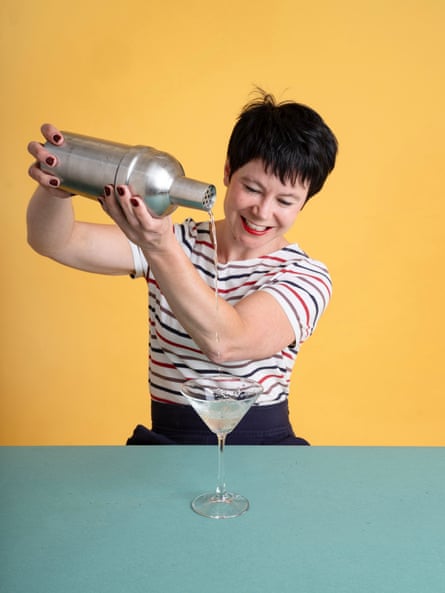
Spritzes are still a big trend, and the Rosé (Lillet Rosé and tonic) is being pushed as the new Hugo (which was the new Limoncello, which was the new Aperol). According to Danny Ayton, a trading director at Greene King: “Last summer, spritzes accounted for 45% of our cocktail sales, and we’re expecting to see this grow even more this year.” He describes the Rosé as “a lighter, more refreshing option … the perfect drink to enjoy on long, warm summer days”. In 2025, Young’s pubs gave away 10,000 Rhubarb Rosé spritzes – Lillet Rosé paired with rhubarb and raspberry tonic – to customers who downloaded its app.
Lillet is also appearing in twists on classic cocktails. Anaïs Dixie, the senior marketing manager at Côte Brasserie, says: “Our rosé negroni, made with Lillet, rosé gin and grapefruit liqueur, is a lighter, more versatile and approachable twist on the classic. It feels contemporary and unmistakably French.” You could also say it doesn’t feel much like a negroni (gin, Campari and sweet vermouth).
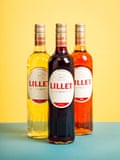
Even if the hype has been mostly manufactured, its hard to begrudge the Lillet renaissance. It is a heritage brand that is investing in sustainability – according to the company, making one bottle of Lillet in 2021 took half the water and energy of the equivalent bottle made in 2017. All its grapes are grown in south-west France and 51% are now from certified sustainable vineyards, up from 18% in 2018. The wine is transported in tankers fuelled by bioethanol made from waste products from the production process; the fruit used for the infusions is composted less than 10km away; the oak vats are made in France from National Forestry Office-supervised forests.
And not all of the buzz has been funded by Pernod Ricard. In 2024, it was reported that Taylor Swift had ordered “her favourite cocktail”, a French blonde, on a girls’ night out. Cue a surge of interest in the key ingredient, Lillet Blanc.
So, that seals it: Lillet is the chicest drink of 2026. Grab a bottle, a baguette and a set of boules, and you’re all set for a Saint-Tropez summer – wherever you are.
Four ways to serve Lillet
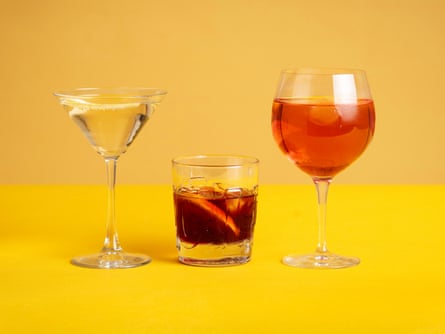
All varieties can be served straight up, on the rocks or with tonic. To mix things up, here are some simple cocktails.
Rhubarb rosé spritz
50ml Lillet Rosé
100ml rhubarb tonic water (eg Fever-Tree, Fentimans, Franklin & Sons)
Ice
Slice of pink grapefruit
Stir over ice and add the slice.
Vesper martini
20ml Lillet Blanc
60ml gin
20ml vodka
Ice
Piece of lemon peel
Shake the liquids and ice in a cocktail shaker. Strain into a martini glass and add the lemon peel.
Lillet negroni
30ml Lillet Rouge
30ml gin
30ml Campari
Ice
Slice of orange
Stir over ice and add the slice.
French blonde
60ml Lillet Blanc
30ml gin
60ml grapefruit juice
15ml elderflower liqueur
Ice
Shake everything in a cocktail shaker and strain into a glass.