


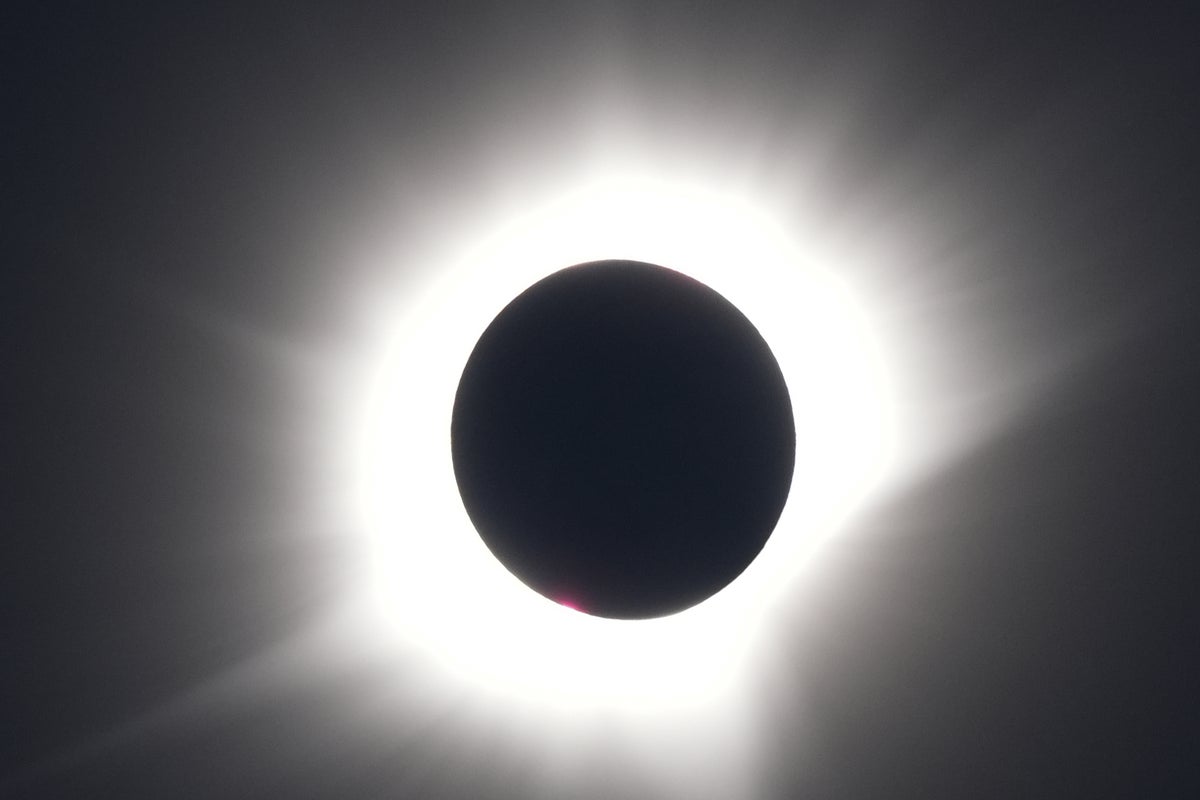
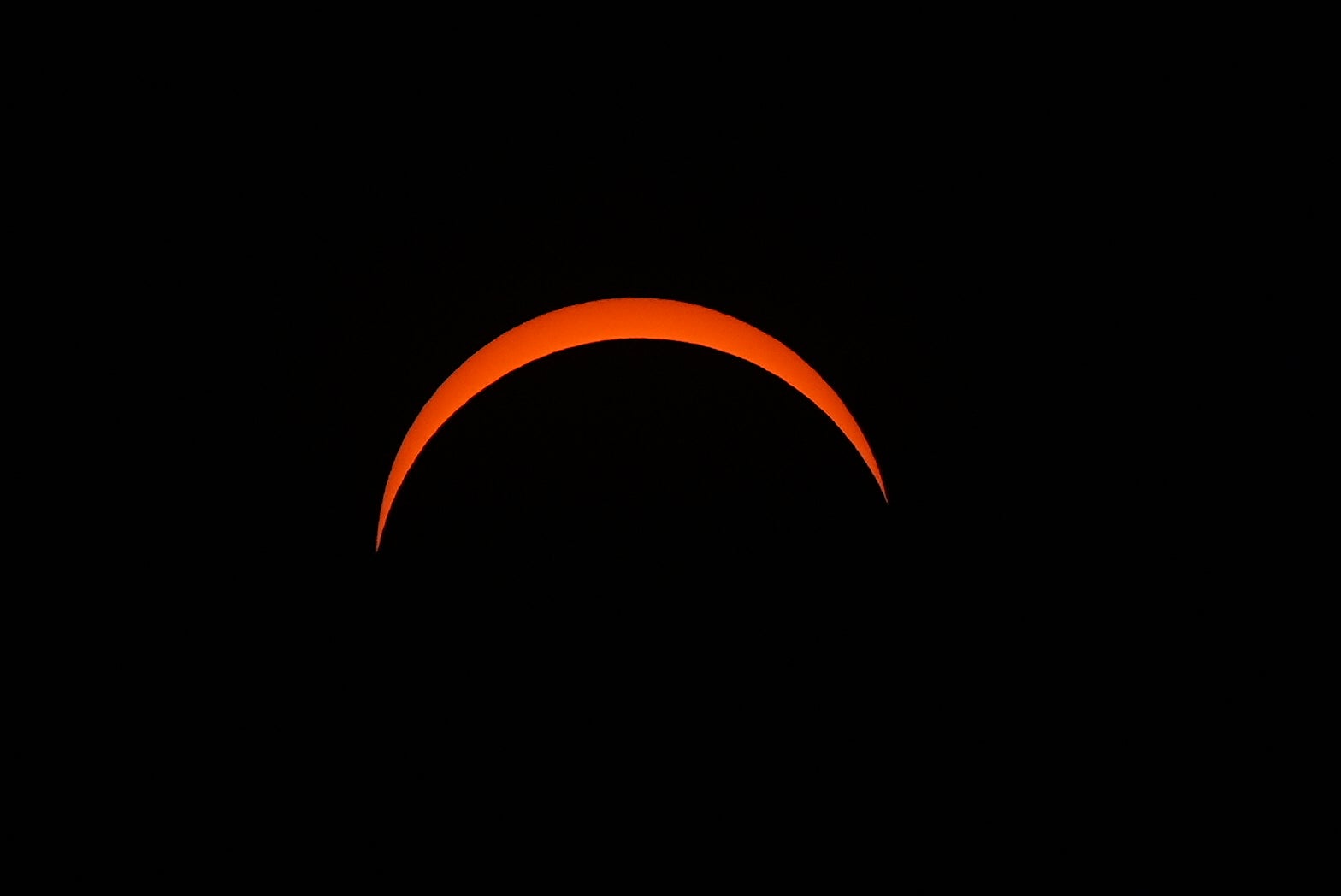
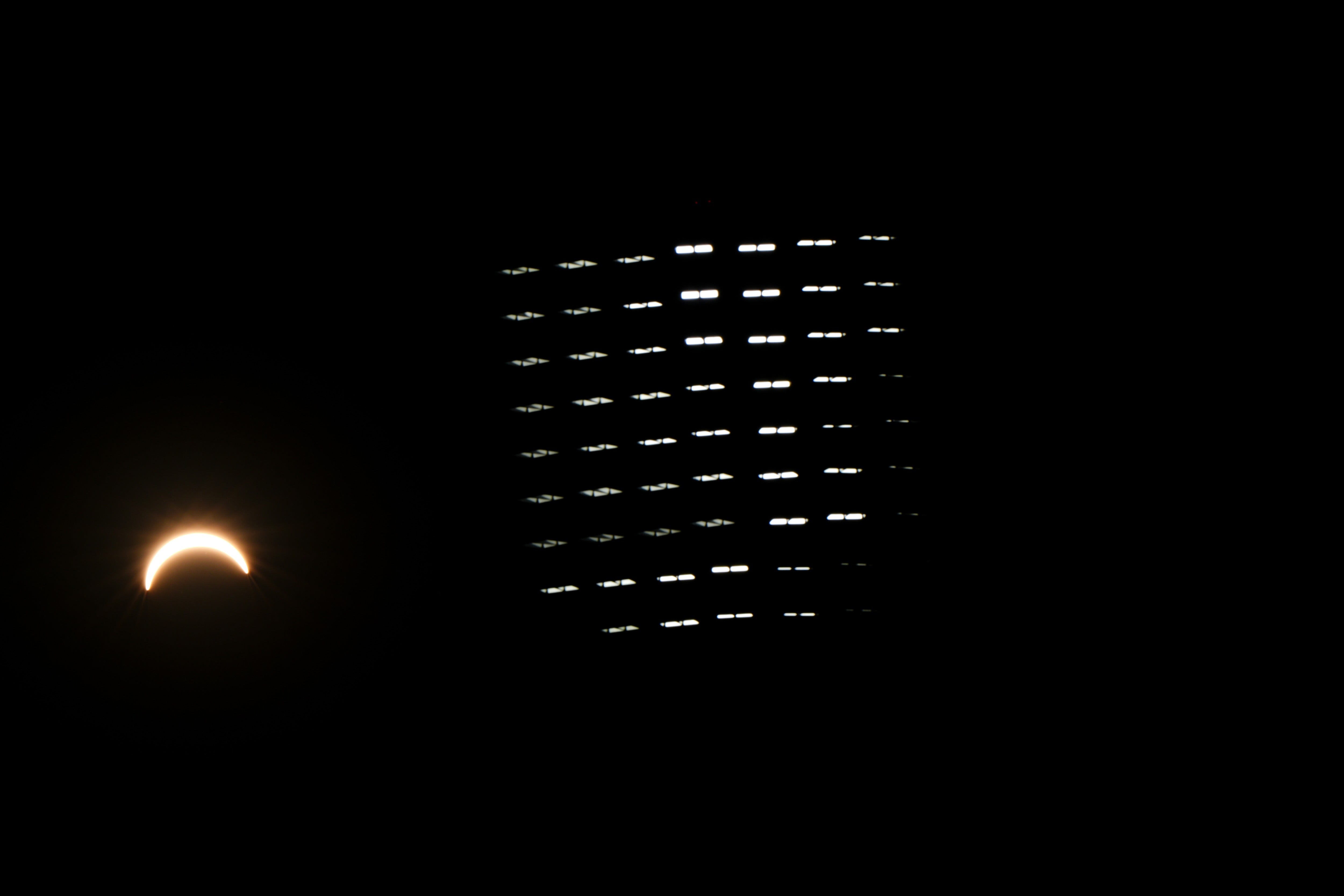
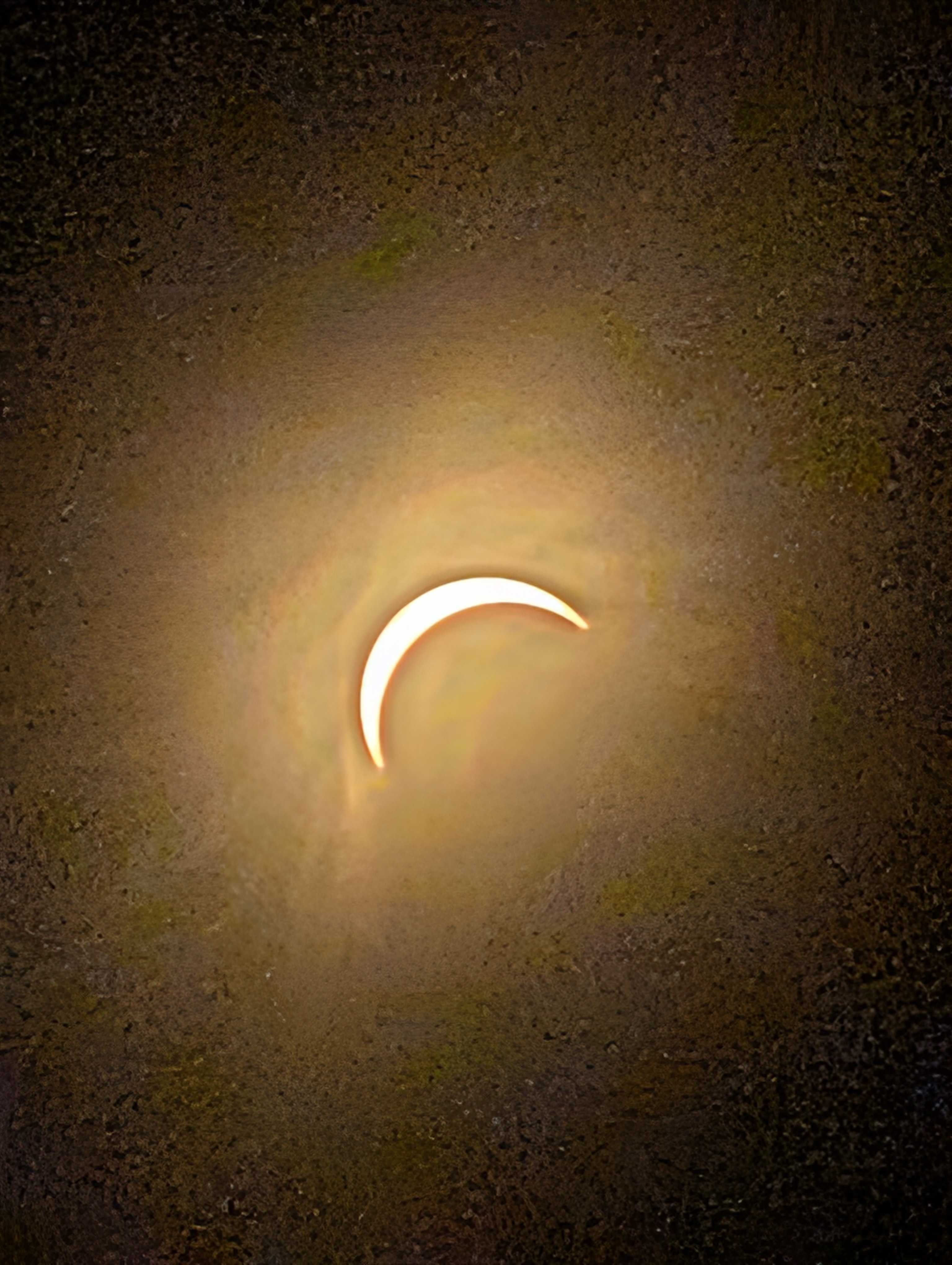
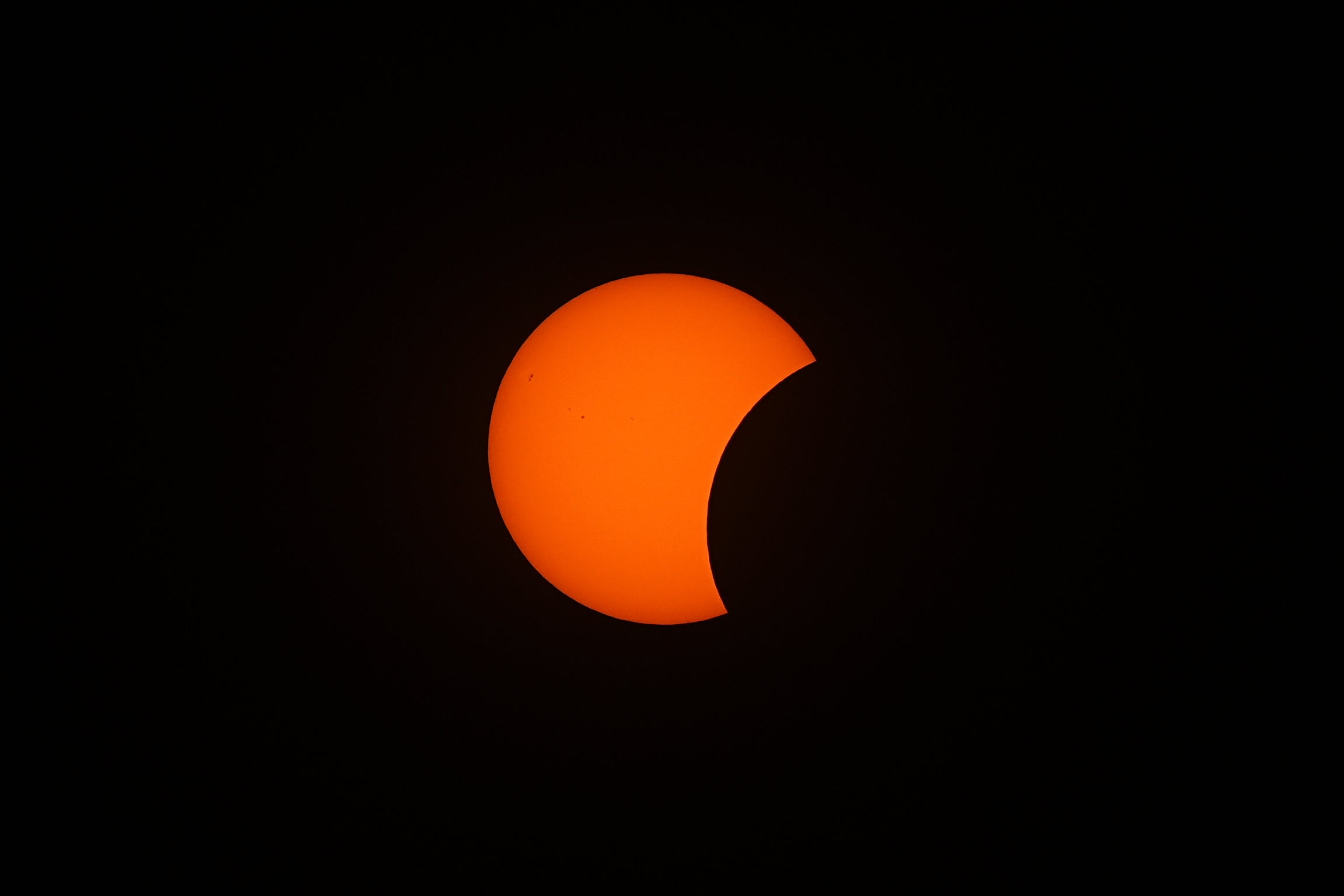
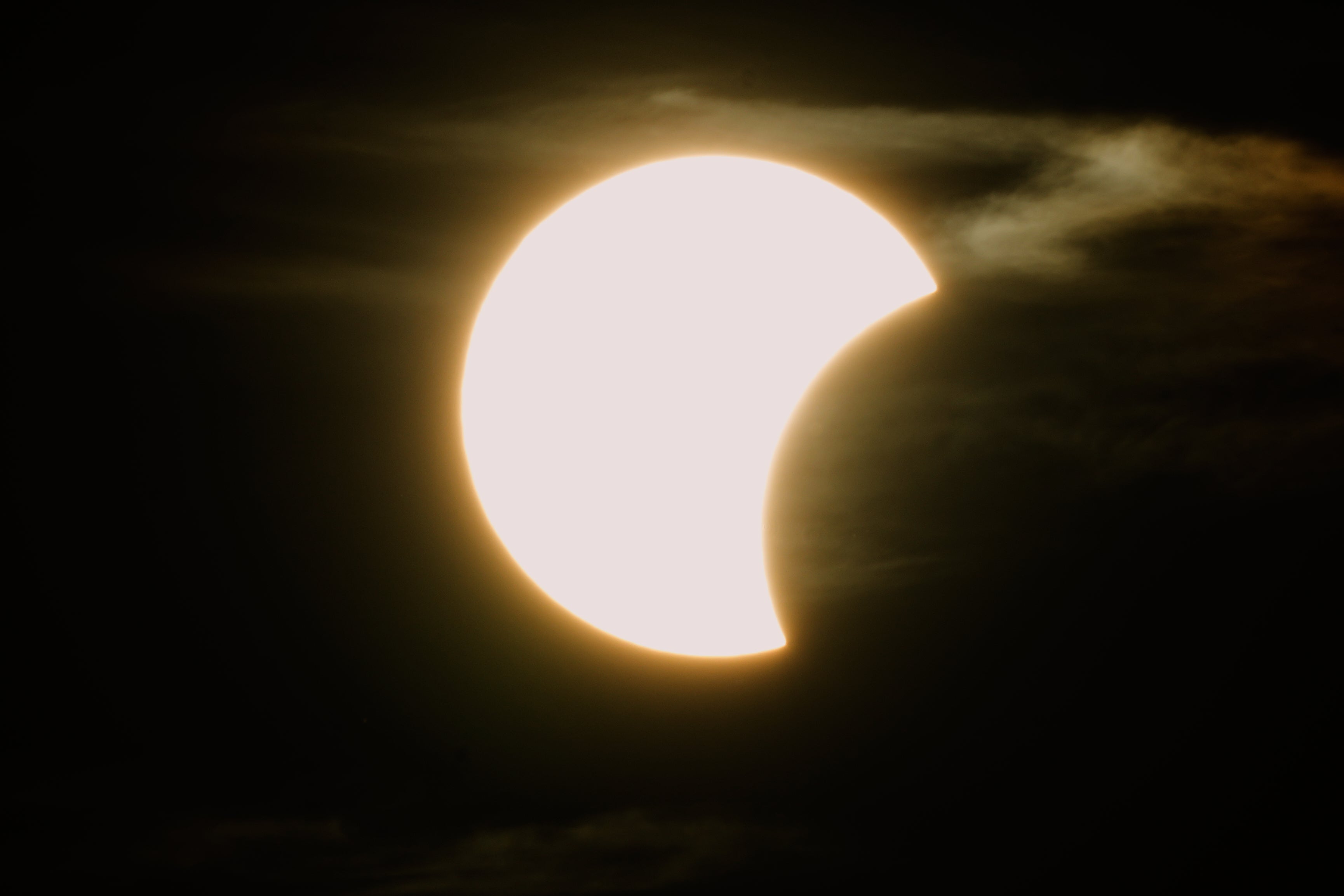
Stunning images show the solar eclipse as millions of people around the world gathered to witness Europe’s first total eclipse in 27 years.
Huge groups sat under clear skies in cities and towns across Spain Wednesday, equipped with folding lawn chairs, sun umbrellas, and hats while eagerly waiting for the celestial spectacle.
Vast crowds across a wide band of northern and central Spain had front-row seats for some of mainland Europe’s best viewing opportunities.
Narrow slivers of Iceland and Greenland were also positioned to observe the sun, moon, and Earth align, briefly casting portions of the planet into darkness.
 open image in gallery
 open image in gallery
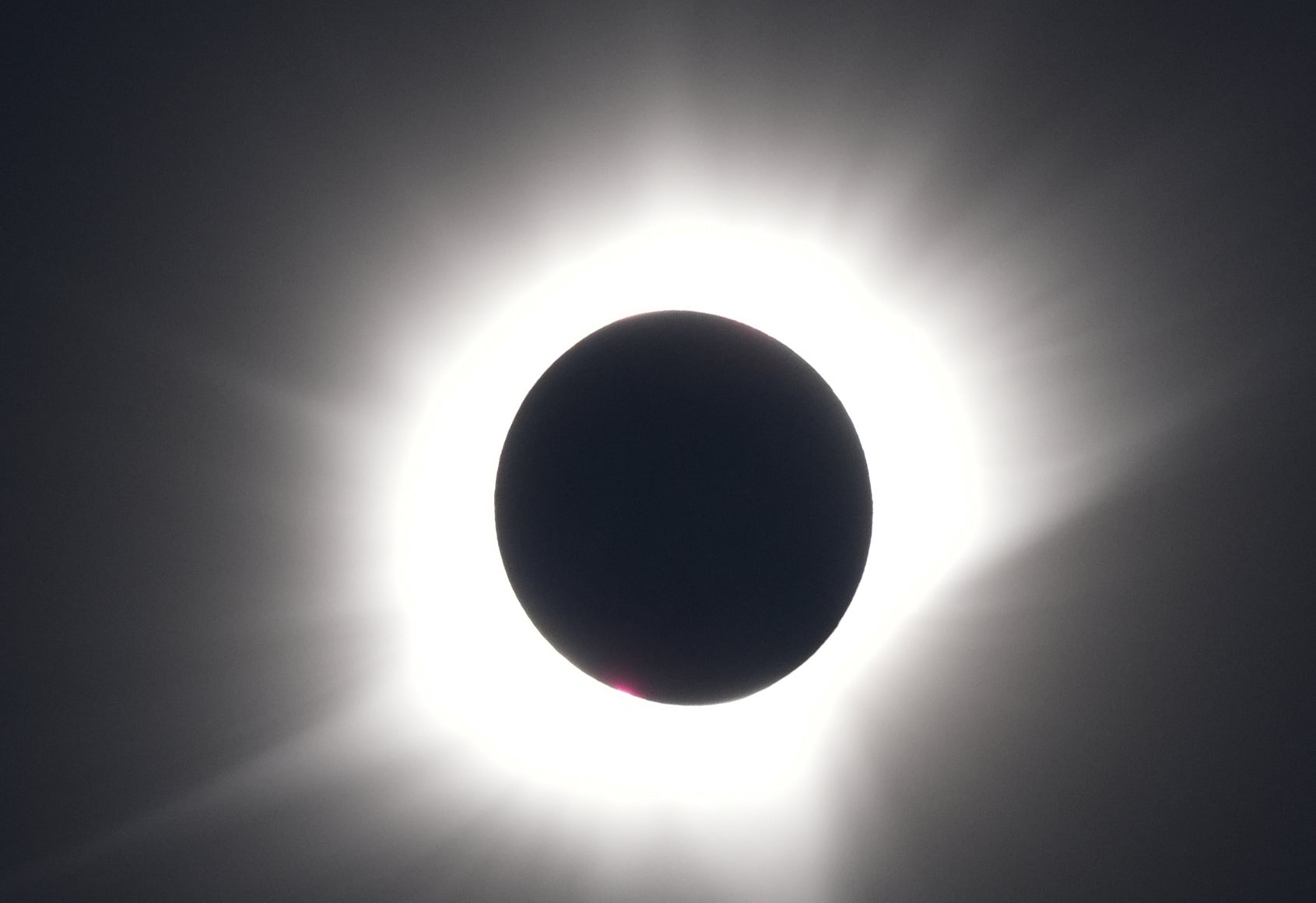
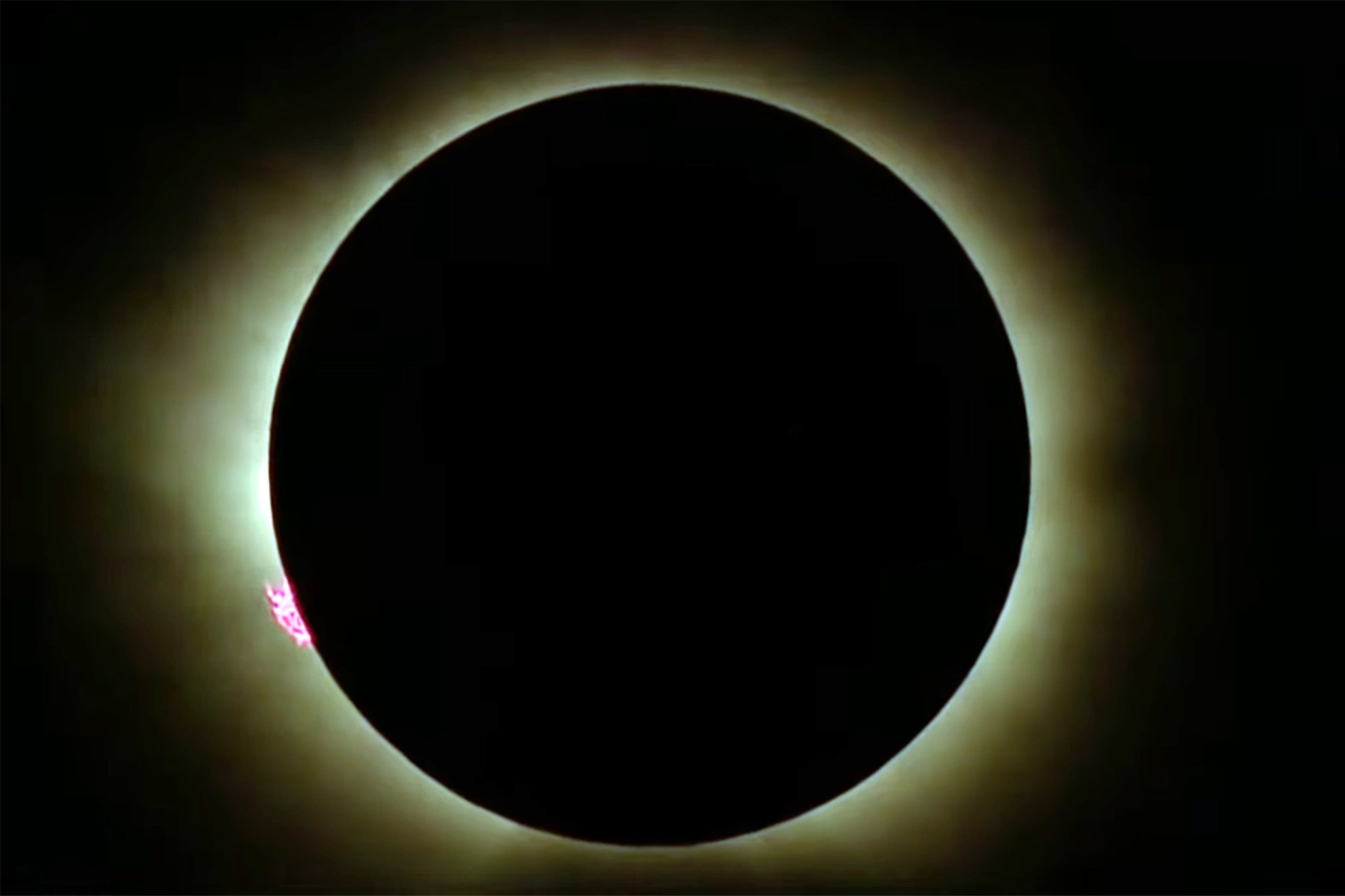
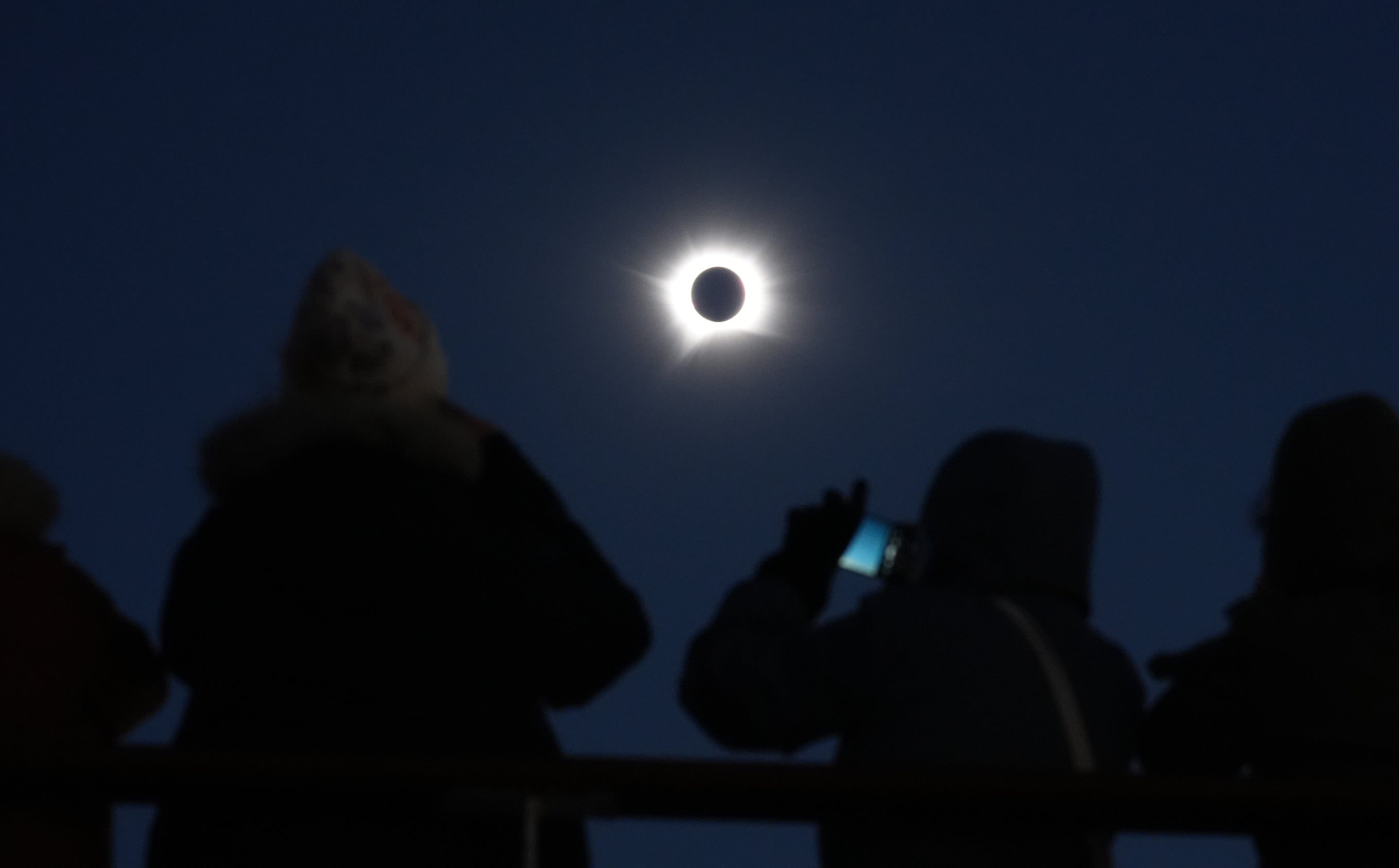
The period of totality — when the moon completely covers the sun’s light — was projected to last under 2 1/2 minutes, peaking off the western coast of Iceland.
As the alignment moves toward a small slice of Portugal and into Spain just prior to sunset, totality will shrink to around a minute or so before concluding over the Mediterranean.
 open image in gallery
 open image in gallery
 open image in gallery
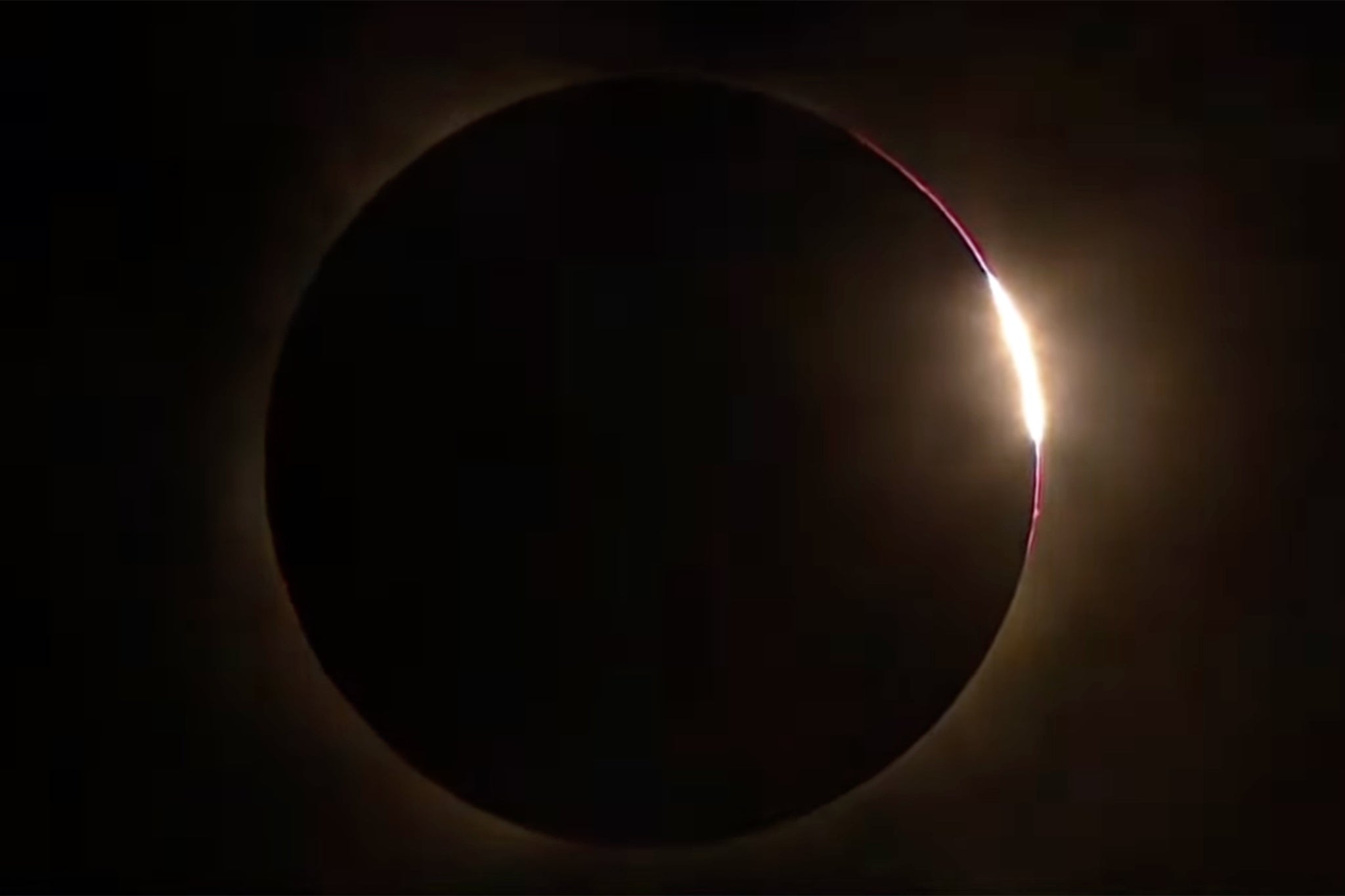
The celestial event happens when the moon passes in front of the sun, obscuring its light.
That produces a stunning ring of fire around the lunar surface, as well as eerie events such as the day dramatically dimming and confused birds singing.
The Iberian Peninsula last saw a total solar eclipse in 1912 and it is set to experience another on August 2, 2027, and an annular eclipse in January 2028, completing the so-called “Iberian Eclipse Trio.”
U.S. space agency NASA plans to fly a high-altitude WB-57 aircraft from Iceland to follow the Moon’s shadow, and NASA-funded teams will launch balloons to study how the sudden darkness and cooling affect the lower atmosphere.
 open image in gallery
.jpg) open image in gallery
open image in gallery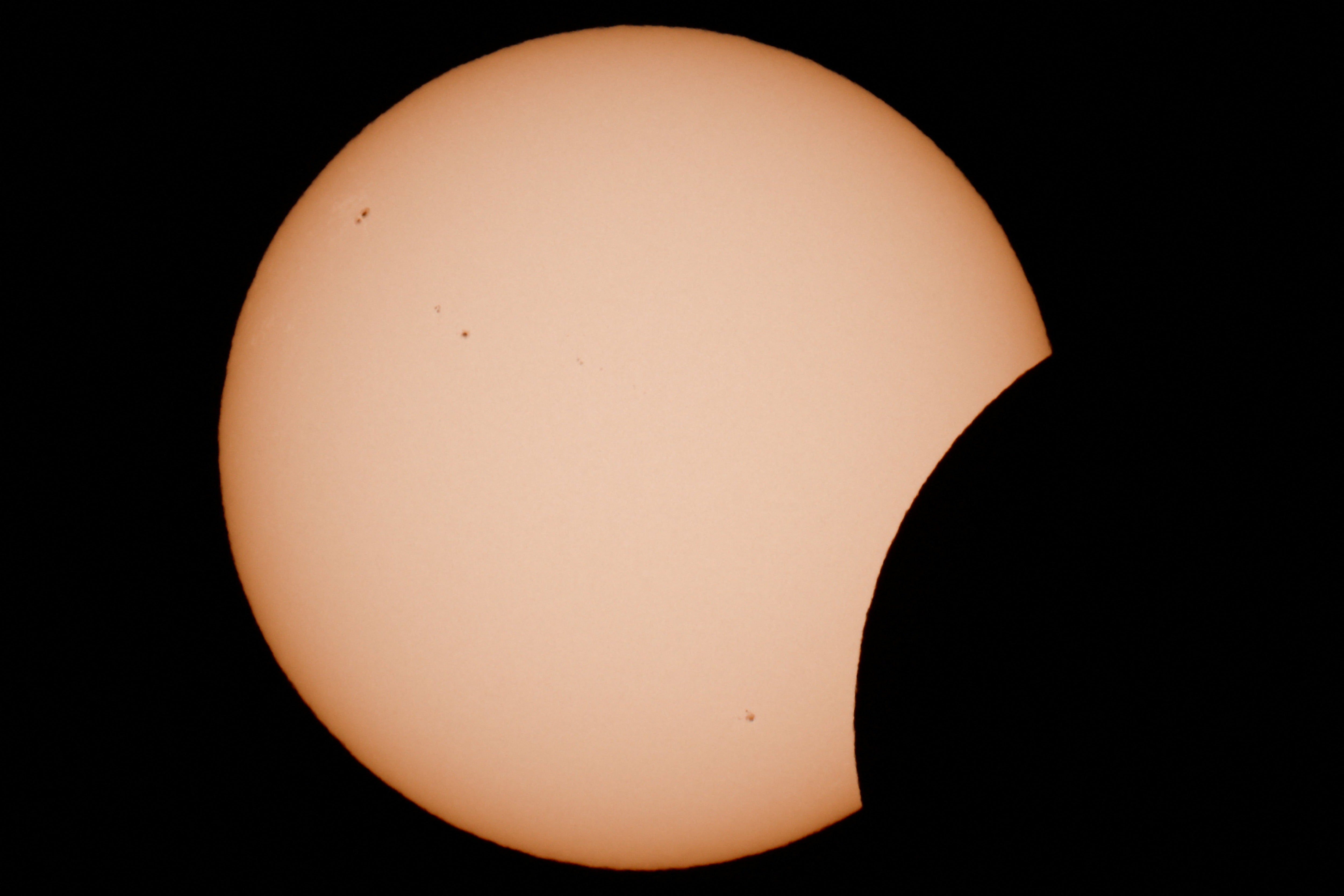 open image in gallery
 open image in gallery
 open image in gallery
 open image in gallery