


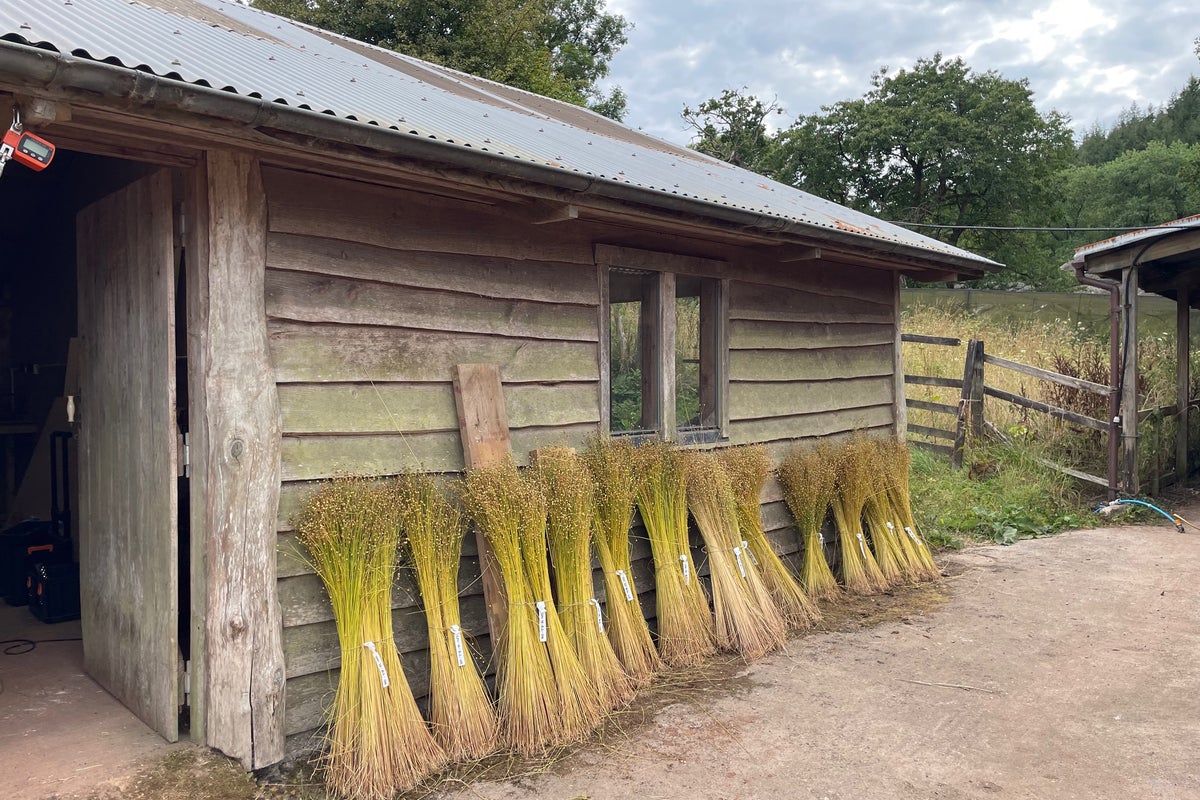
There is something almost magical about turning a handful of seeds into a piece of cloth. Flax is planted in the soil, grows into a field of delicate flowers, is harvested and processed, spun into yarn and eventually woven into linen. It is a journey that takes time, knowledge and many pairs of hands, most of which have become invisible to the person buying the finished garment.
Can fashion shift our relationship with consumerism away from wanting more to valuing what we already have? The lessons could extend far beyond our wardrobes, changing how we consume food, resources and almost everything else.
 open image in gallery
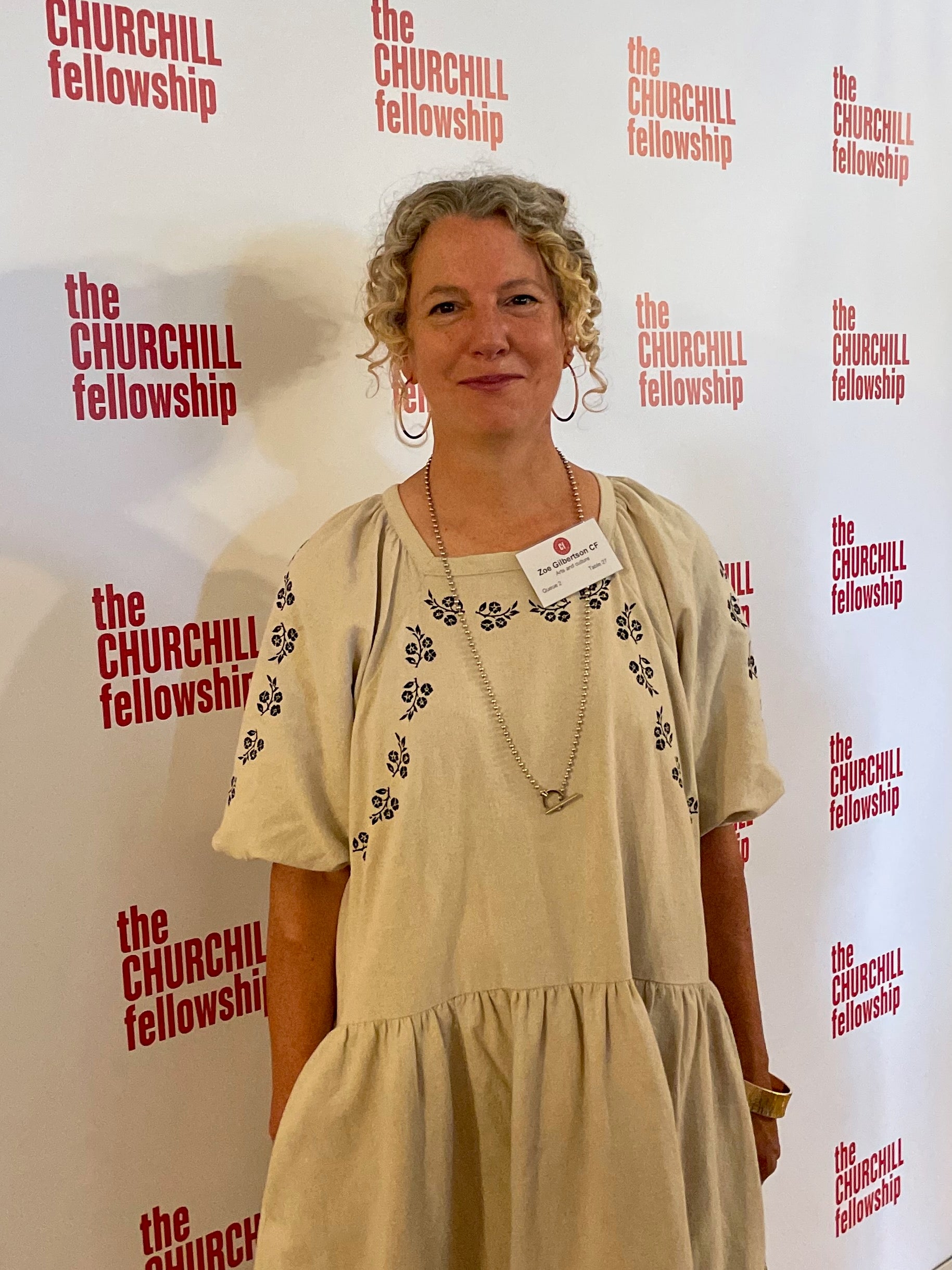
For Zoe Gilbertson, co-founder of Common Cloth Works and founder of the online community Liflad, bringing those connections back into view could help us rethink our relationship with fashion altogether.
“We’ve lost a lot of knowledge by separating fashion from farming. I believe by connecting with our local places and landscape and understanding where materials come from. It helps people direct their focus away from consumption.” she says. “When you grow something, you become very proud of it. You want to care for it and make good use of it.”
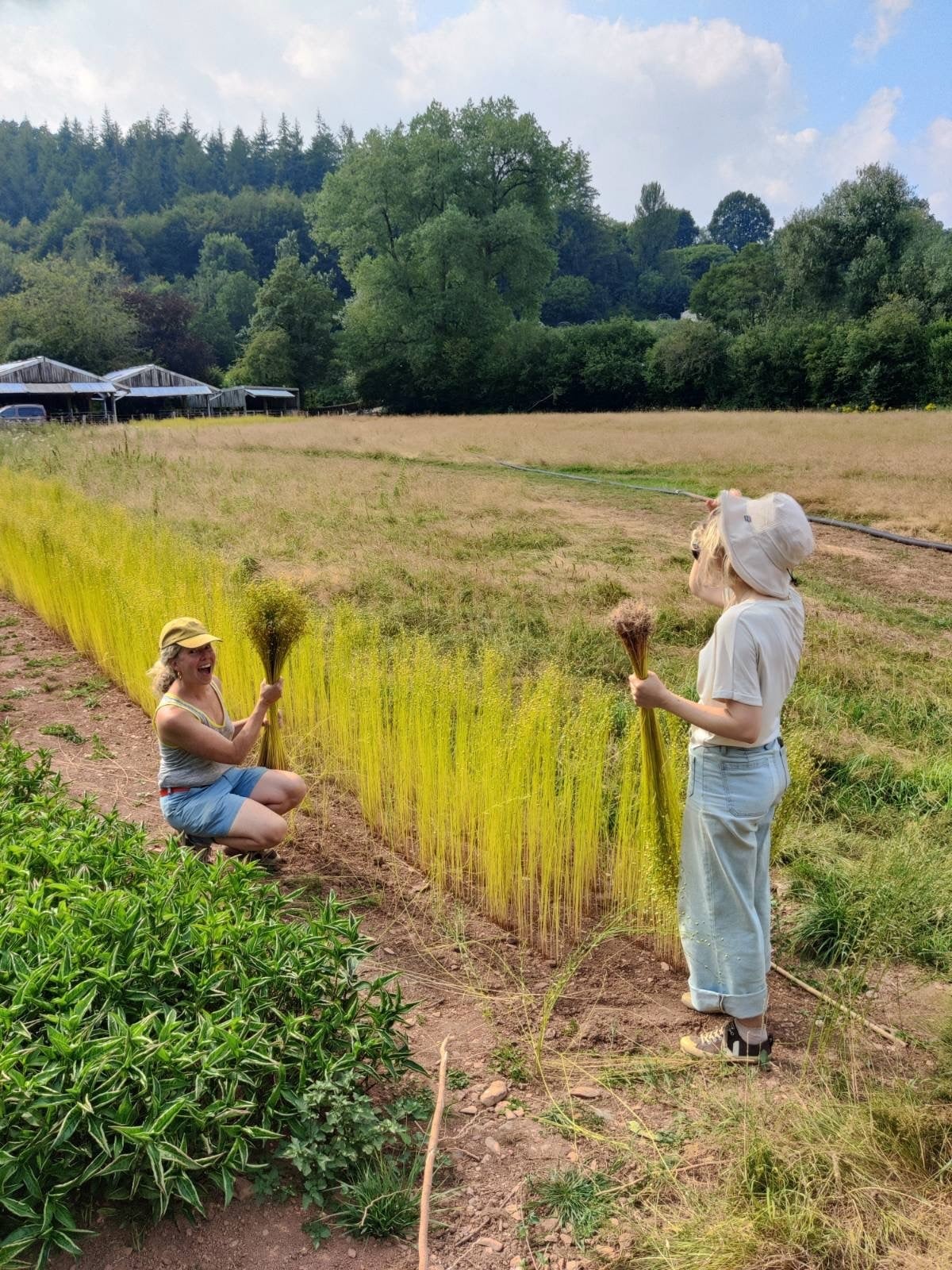
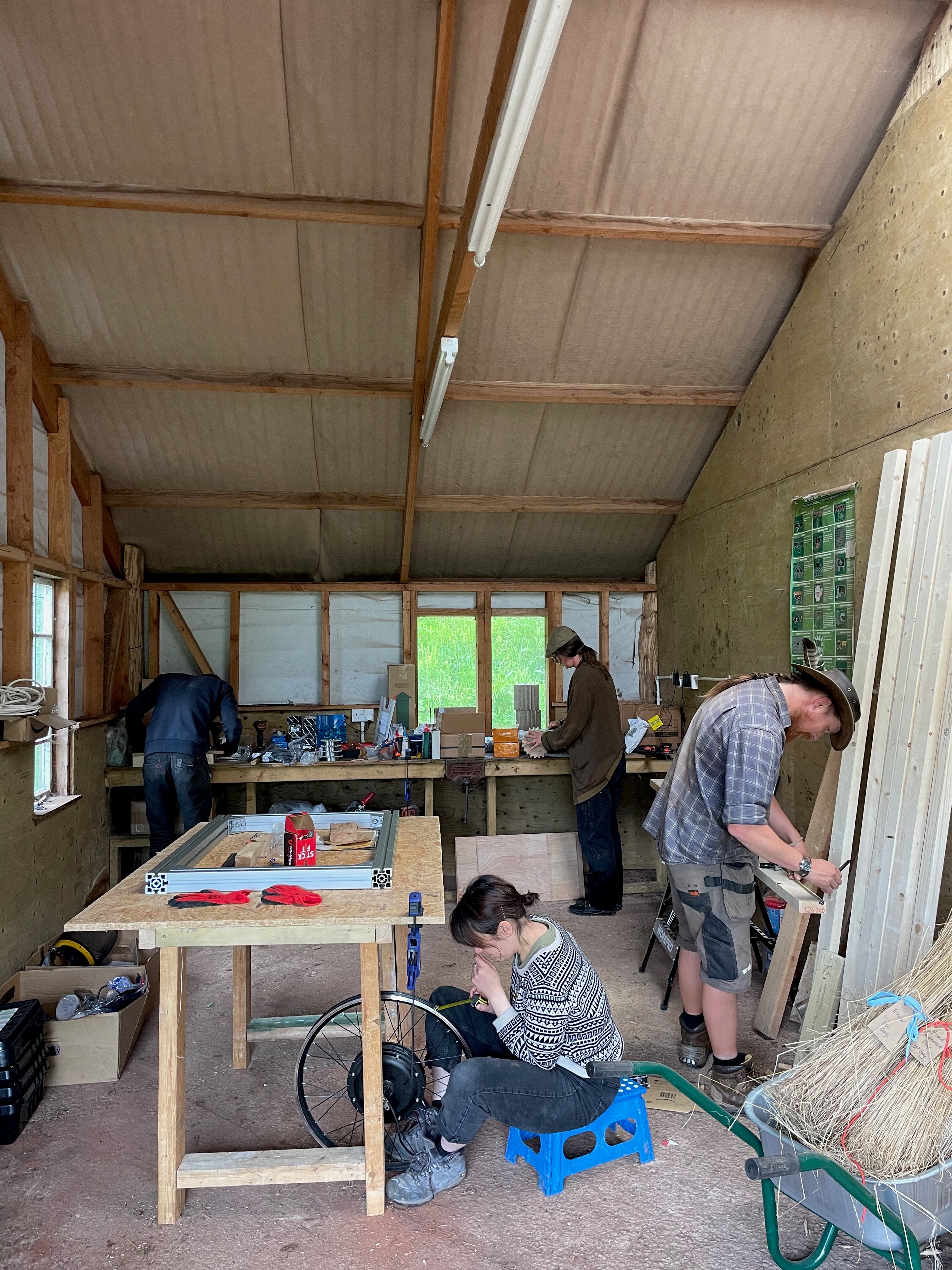
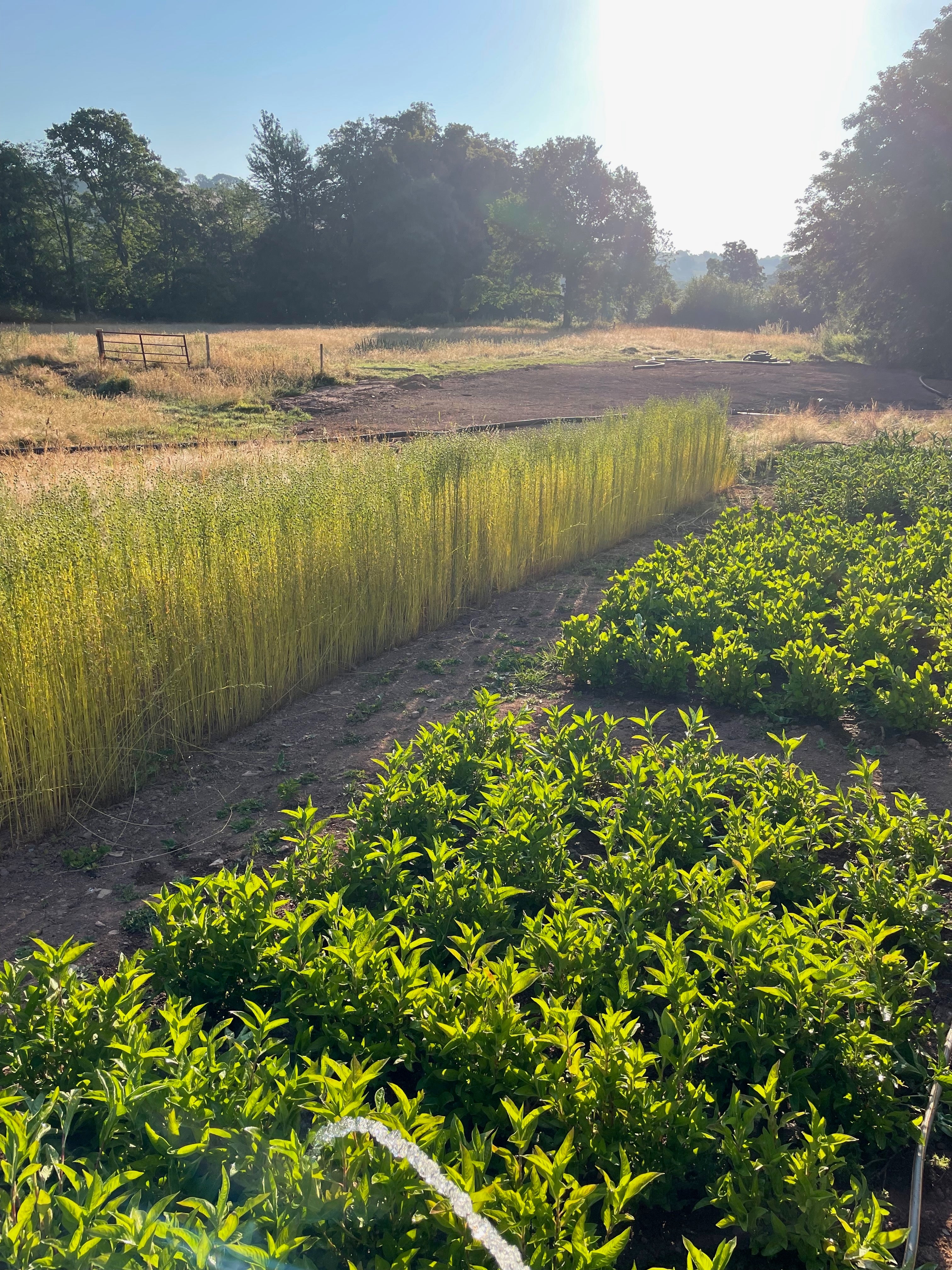
Common Cloth Works is attempting to rebuild a small-scale linen system in Devon, reconnecting the different stages of production that once existed much closer to one another. Gilbertson and her collaborators Sophie Scanlon, Nick Evans grow flax, dye plants and flowers while relearning the skills required to transform what grows in the local landscape into cloth.
“We know how precious it is, how long it takes to grow, to process, to turn into yarn and then finally cloth,” she explains. “We want to connect people to these processes.”
For Gilbertson, this isn’t about telling consumers what they shouldn’t buy. Instead, she believes experiencing how materials are grown and made can quietly change our perception of their value.
“It’s not about lecturing people or telling people not to do something. It’s about learning through experience.”
 open image in gallery
That learning is deliberately slow. Gilbertson, Scanlon and Evans have spent around five years researching and experimenting with flax, yet Gilbertson says they are continually discovering how much knowledge exists within every stage.
“Every single step, every single stage of every single process has layers and layers and layers of knowledge to it,” she says. “We’ve lost so much of that in the UK, so we’re trying to bring that back.”
It is a reminder of how radically industrialisation and globalisation have changed our relationship with clothing. Today, fibre can be grown in one country, spun in another, woven elsewhere and sewn into a garment thousands of miles away from the person who eventually wears it. Common Cloth Works imagines something very different, a textile ecosystem shaped by its own landscape.
The project is based on a farm in Devon that is partly being rewilded and partly developed as a centre for heritage and landscape-based crafts. A leather worker who processes hides naturally is already based there, and Gilbertson hopes more makers will eventually join, allowing different skills and resources to coexist.
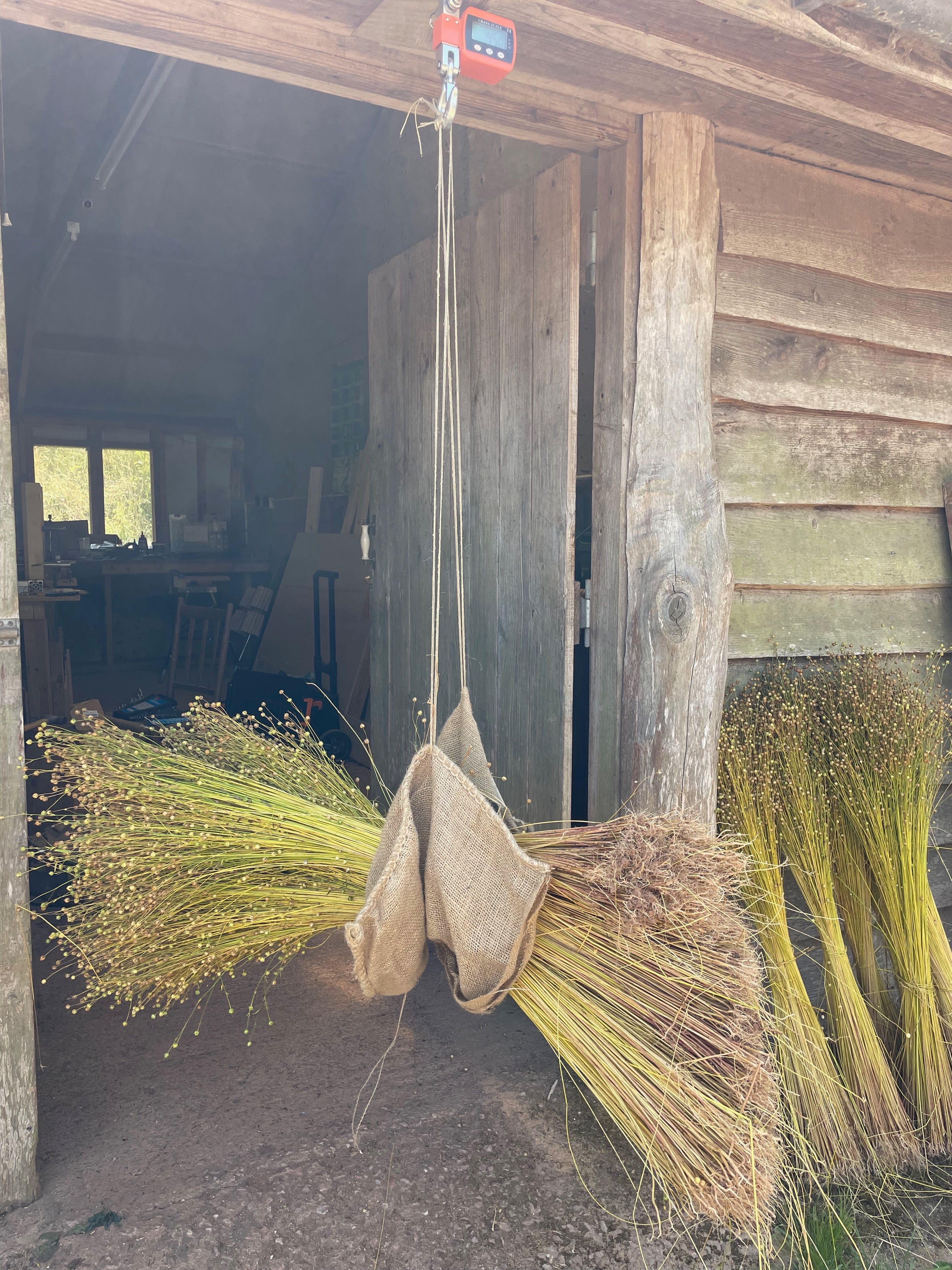
The ambition is to grow and process much of the flax on the farm or nearby, working with organic growers across Devon. Processing will take place in the project’s barn, with spinning close by in Totnes and local weavers helping transform the yarn into cloth.
Eventually, the aim is to make clothing in their own studio.
 open image in gallery
Gilbertson’s ambition goes beyond producing Devon-grown linen. She hopes Common Cloth Works can provide knowledge that allows similar small-scale textile ecosystems to develop elsewhere.
Rather than creating another global fashion model, each could respond to its own landscape, skills and resources.
“Fashion is so homogeneous now. It’s globally homogeneous,” she says. “It would be really nice to bring back something a bit more unique locally and that really responds to the local landscape.”
Ideally, Gilbertson would like enterprises such as Common Cloth Works to be cooperatively owned, with financial value distributed across the different people involved rather than concentrated at the end of the supply chain.
“We know how to design and make beautiful, functional clothing. That’s kind of the easy part,” she says. “The difficult bit is piecing together all the parts of the supply chain.”
 open image in gallery
This philosophy also sits behind Liflad, Gilbertson’s online platform connecting people interested in local fibres, farming, making and alternative textile systems. For her, community isn’t an optional extra to solving fashion’s environmental problems; relationships are fundamental to it.
“Relationships are key to solving the climate crisis,” she says. Building relationships with goods, materials, energy and resources, she believes, helps develop empathy and with it an understanding of why endless extraction from people and places cannot continue, not just in fashion.
Perhaps the most powerful part of this approach is what happens when people experience making for themselves.
Gilbertson wants visitors to the Devon farm to take part in workshops where they can encounter flax not just as linen on a clothes rail, but as a living material, to touch the soil, experience the flowers and understand the stages involved in turning a plant into something we can wear.
“Even if it’s just once, it stays with you,” she says.
 open image in gallery
That physical connection gives clothing an emotional value that is difficult to communicate through a label or sustainability claim. If you have planted a seed, watched it grow, harvested the plant and understood the labour required to transform it into cloth, throwing away the resulting garment becomes much harder.
Gilbertson believes there is already a wider “yearning for connection” to nature, seasons, materials and heritage, visible in the renewed interest in folk traditions and craft.
“Cloth and clothing are brilliant portals to understanding this on a very immediate and accessible level,” she says. “They sit on your body.”
And perhaps this is where a small flax field in Devon can tell us something much larger about fashion’s relationship with the climate.
“When you’ve grown flax and experienced its transformation – the magic of, we say, turning straw into gold – it becomes really difficult to see clothing as a throwaway item,” Gilbertson says.
“A mindset shift happens, and this subtle change can make all the difference.”
Common Cloth Works isn’t suggesting everyone needs to grow their own clothes. Gilbertson is careful not to place responsibility for an unsustainable fashion system entirely on individual consumers. “It’s a societal issue. It’s not a personal issue with people,” she says. ”Obviously not everyone has the privilege or even the capacity to be able to think about this.”