


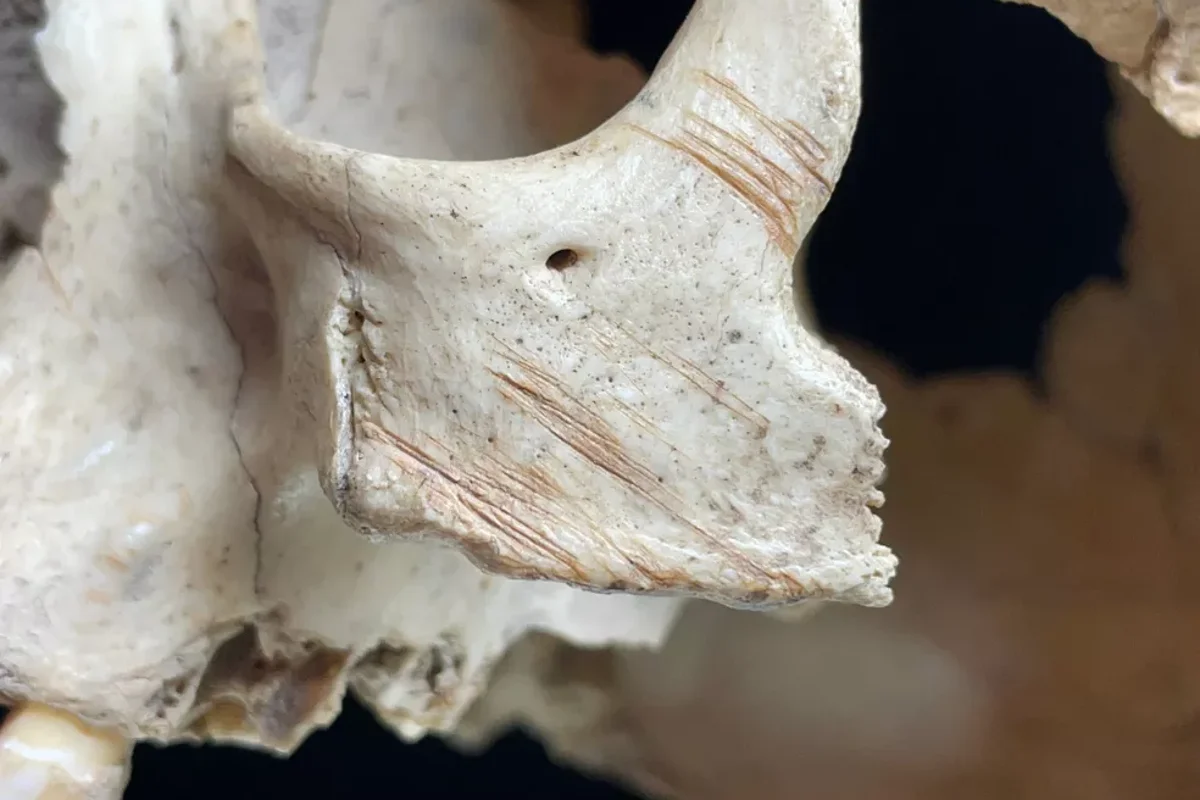
Ancient human fossils unearthed at three different caves in Spain reveal that cannibalism resurfaced among early Europeans in different contexts over thousands of years.
The caves of Malalmuerzo, Carigüela, and Majolicas in Granada have become important sites for the study of early humans in Europe.
A new study has re-examined nearly a thousand bones using modern techniques, more than 50 years after these caves became popular among archaeologists.
The research revealed with unprecedented precision that cannibalism in Iberia was neither a uniform practice nor confined to a single period.
Scientists have found that cannibalism, instead, was a recurrent habit, practised under different social contexts and motivations over thousands of years.
 open image in gallery
In the latest study, researchers examined whether the prehistoric human bones found in the three caves had been intentionally manipulated.
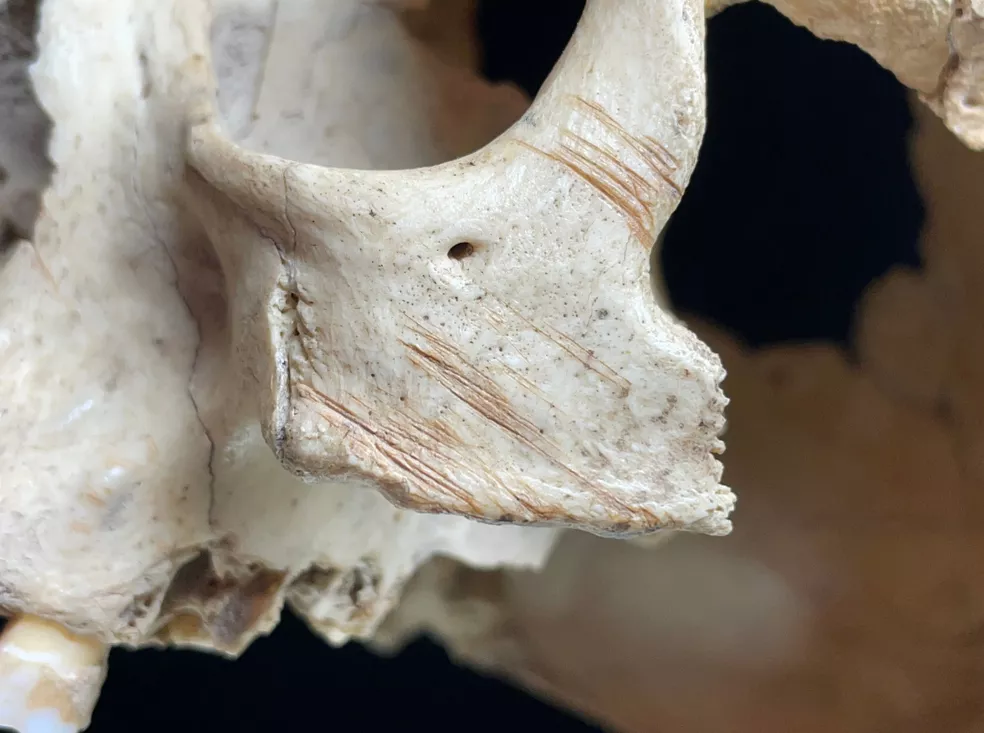
They probed under a microscope to identify cut marks, fractures, blows and tooth marks, and to distinguish between breakage occurring while the bone was still fresh and damage occurring some time after death.
Scientists determined whether each mark on the bones was accidental or caused by human activity.
Despite similarities in how the bodies were processed – indicated by cut marks, boiling, and tooth marks – each site told a different story.
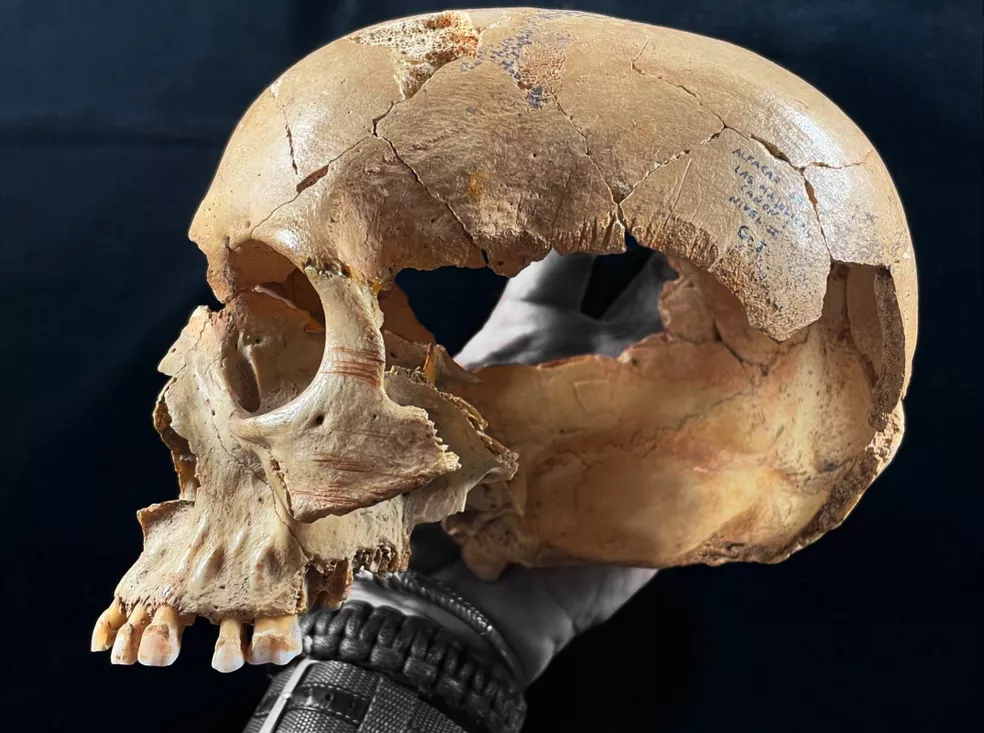
There were signs of violence observed in the bones collected from Malalmuerzo, and a distinctive treatment of skulls found in Carigüela.
 open image in gallery
Scientists also found evidence pointing to ritual practices in the human remains collected from Majolicas.
“Our work shows that it is not possible to speak of a single form of ‘Neolithic cannibalism’, because similar archaeological evidence may conceal very different social realities,” said Antonio Rodríguez-Hidalgo, an author of the study published in the Journal of Archaeological Science.
Further analysis of human bone samples collected from Malalmuerzo points to a possible episode of collective violence that occurred around 5000 BC.
“At Malalmuerzo, we have found fractures that point to violent deaths. In addition, our analyses indicate the presence of remains from all age groups, which would suggest a violent event in which all or almost all the individuals in a group were killed and subsequently consumed,” Dr Rodríguez-Hidalgo said.
Scientists found hints of several episodes of cannibalism occurring at different times during the Neolithic in the Carigüela cave.
 open image in gallery
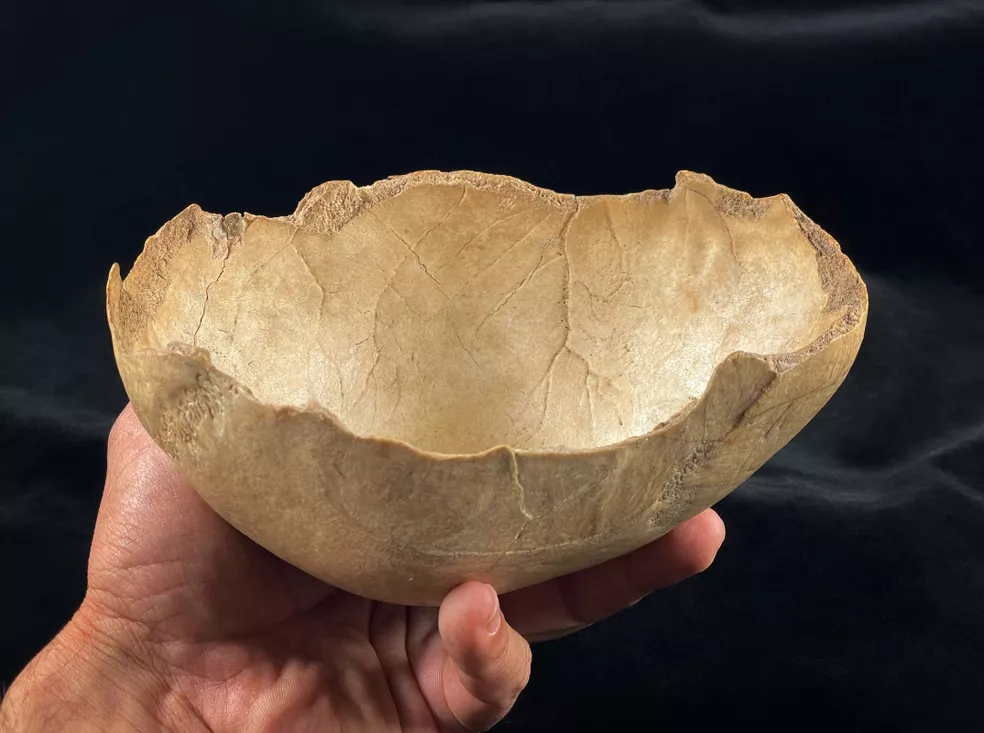
At this cave, they unearthed two skulls modified to produce cups.
Signs of cannibalistic practices found at the Majolicas Cave do not appear to be associated with episodes of violence, with the most recent evidence dating to around 3800 BC, researchers say.
“The available evidence suggests that cannibalism was not a continuous phenomenon during the European Neolithic, but rather was concentrated in certain periods and regions; a temporal pattern shared across Europe into which the episodes documented in these three caves also fit,” explained Francesc Marginedas, another author of the study.
Such practices seem to be concentrated in three periods: the end of the sixth millennium BC, the middle of the fifth millennium BC and the end of the third millennium BC.
“We cannot say that all these episodes had a common cause,” said study lead author Palmira Saladié.
“But we can say that throughout the Neolithic, in a discontinuous yet recurrent manner, there was a context of conflict and/or manipulation of human remains that we believe reflects changes in social organisation, intergroup relations, and attitudes towards death and violence,” she said.