


Overdoses of so-called chemsex drugs such GHB and GBL – known collectively as G – are a growing concern for emergency services across Scotland.
They are being increasingly used before or during sex to enhance the experience.
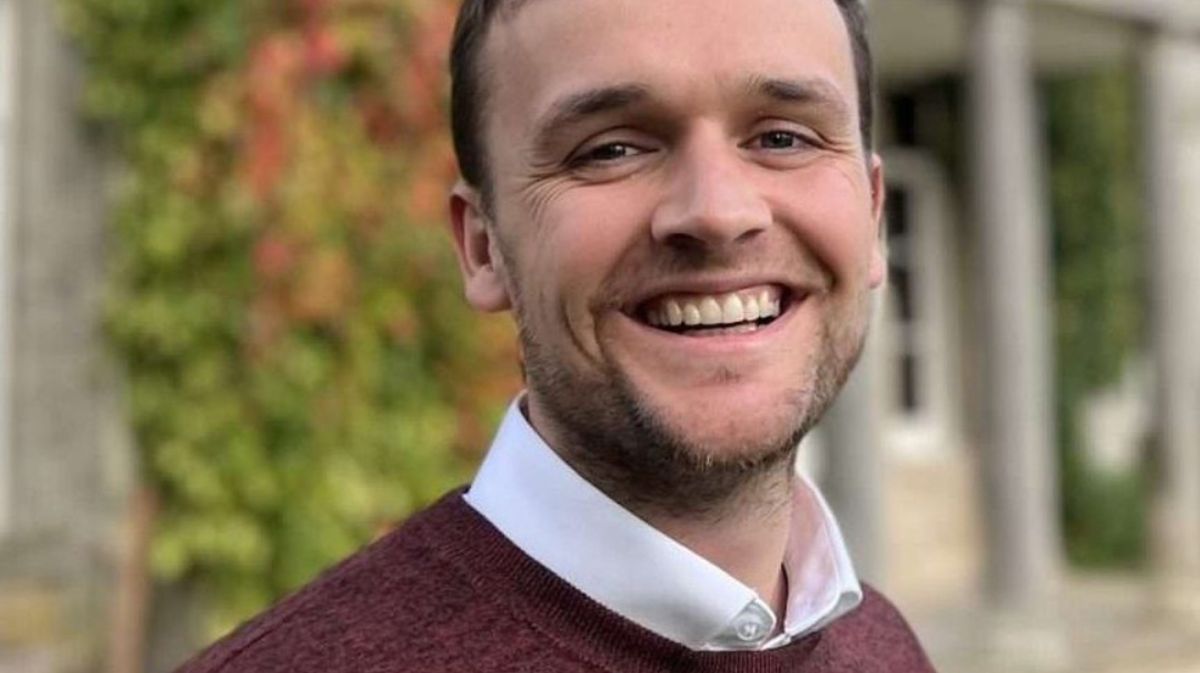
Today Ross McLeod, a leading therapist at the Castle Craig addiction treatment centre in the Scottish Borders, warns of the dangers.
I work with people navigating the psychological aftermath of chemsex drugs – blackouts, uncertainty about consent, trauma, and the shame that keeps people from seeking help.
There is a significant gap in care, with no national chemsex strategy, no agreed standards, and too many people discharged without follow-up.
I often meet people when they first arrive in treatment at Castle Craig, at a point where the immediate crisis has already passed.
They may have woken up in A&E after a GHB or GBL overdose, their breathing stabilised, and their body beginning to recover. From the outside, it can look like the danger is over. But in my experience, that is where a different kind of difficulty begins.
 View 3 Images
Bottle of GHB with drug powder on wooden background.GHB(Image: Getty Images)
The individuals I see in treatment often arrive struggling with intense feelings of shame, confusion and uncertainty, and many will have experienced blackouts. These experiences can lead to co-occurring issues such as anxiety, depression and panic, and it is not uncommon for people to experience thoughts of suicide.
Due to the stigma and lack of understanding associated with chemsex, people often find it difficult to talk about their experiences. Many feel misunderstood or judged, which can fuel a cycle of isolation, withdrawal, shame and stress. This is often soothed through further substance use or other problematic behaviours, perpetuating existing or creating further difficulties.
There is also a widespread misconception about what a GHB or GBL overdose actually involves. It is overly simplistic to think of it as simply passing out and then waking up feeling worse for wear. In reality, G can push someone very quickly from relaxation into heavy sedation, coma-like unresponsiveness and respiratory depression. Breathing can slow to a dangerous level, and the consequences can be fatal, particularly when G is mixed with alcohol or other depressants.
In that state, a person’s ability to give consent is significantly impaired. The sedating effects of G can make it impossible to give genuine consent, and the associated memory loss can leave people with unanswered questions about what took place. That uncertainty can be deeply unsettling and can stay with someone long after the physical effects of the drug have worn off.
 View 3 Images
Castle Craig
When people come into treatment, stopping the use of G is an important first step, but it is only the beginning. Many arrive having experienced serious trauma, including sexual assault, rape, coercion, overdose and exploitation, as well as financial consequences and damage to their relationships. Alongside this, they are often struggling with grief, low self-esteem, anxiety, depression and a sense of low self-worth.
For recovery to be sustainable, all of this needs to be addressed. An overdose is not just a one-off medical emergency; it is often a critical moment where someone comes into contact with healthcare while risk is visible and undeniable. It is an opportunity to intervene and to offer support that could prevent further harm.
Too often, that opportunity is missed. Someone may be revived, observed and discharged, and then left to carry the psychological impact of what has happened on their own. There is currently no consistent national approach to chemsex in the UK, and no standardised pathway for follow-up care. This means that whether someone receives ongoing support can depend heavily on where they are and what services are available locally.
At Castle Craig, we aim to offer something different. It is common for people to arrive having never spoken honestly about the combination of sex and drug use. Experiences such as blackouts, questions around consent, overdose and trauma are often hidden or avoided. We provide a space where individuals can begin to talk about these experiences openly, without feeling ashamed, judged or dismissed.
Each overdose is both a medical emergency and an opportunity to offer support that might prevent the next one. With the right support, including better links between emergency departments, sexual health services, mental health care and addiction treatment, we can begin to address the full extent of harm that G use can cause. Alongside this, there is a wider responsibility to better understand the specific stressors faced by the communities most affected, including stigma, discrimination and barriers to care.
The reality is that the impact of a G overdose does not end when someone wakes up. For many, that is where the questions begin, and without informed, compassionate support, those questions can remain unanswered for a long time.
Article continues below