


AdvertisementChina-Middle East relationsChinaDiplomacy
China waits in wings as Mecca pact signals Gulf shift away from US security umbrella
The Nato-style deal between Saudi Arabia, Pakistan and Turkey highlights the growing doubts in the region about over-reliance on Washington
4-MIN READ4-MIN Listen
Khushboo RazdanPublished: 12:00am, 10 Aug 2026Updated: 1:15am, 10 Aug 2026
The grand security bargain between the United States and Gulf countries is widely perceived to be fraying, creating what analysts see as an opening for Beijing to expand its presence in the region.
For decades, Saudi Arabia and other Gulf states relied on Washington’s defensive shield, while it in turn relied on them for access, energy and influence.
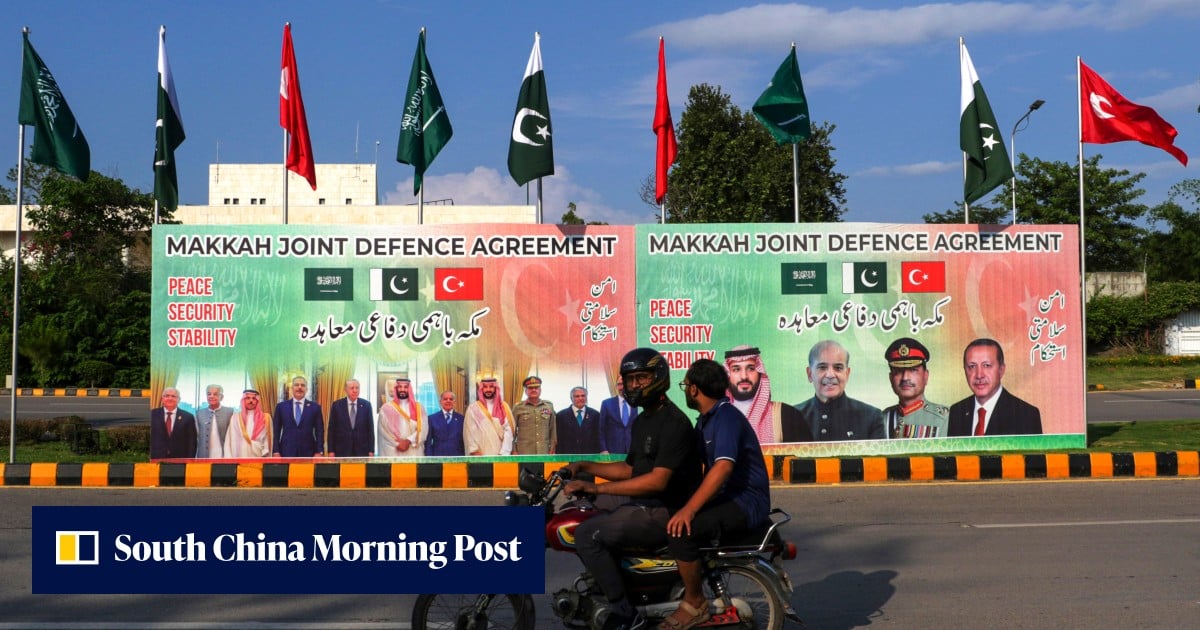
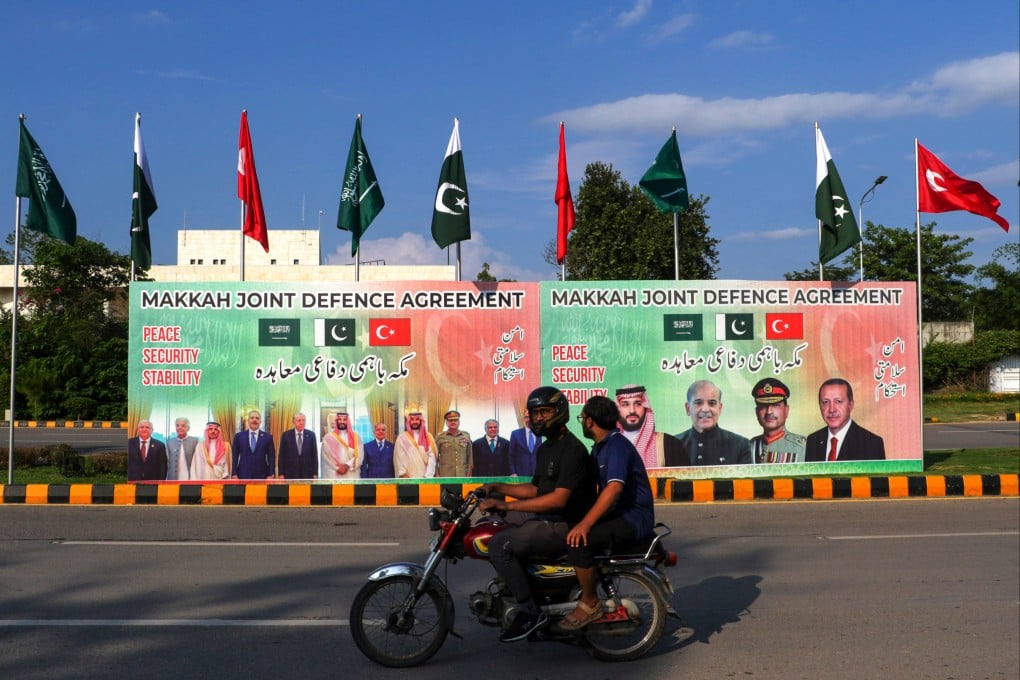
Riyadh’s decision to sign a mutual defence agreement with Turkey and Pakistan is the clearest sign yet of that shift.
Signed this week in Mecca, the pact declares that an armed attack on one will be treated as an attack on all three, in an echo of Nato’s Article 5.
But the significance of the Mecca pact goes beyond a new regional security arrangement. Three middle powers – a Gulf energy giant, a Nato member and nuclear-armed South Asian state – are taking steps to reduce their reliance on US-dominated security architecture and build their own collective defence framework.
Such independent alliances among middle powers have been rare since the early Cold War, making the pact a potential model for other countries.
It could also complicate matters for countries such as India and prompt them to reassess their own security partnerships.
AdvertisementSelect VoiceSelect Speed00:0000:001.00x