


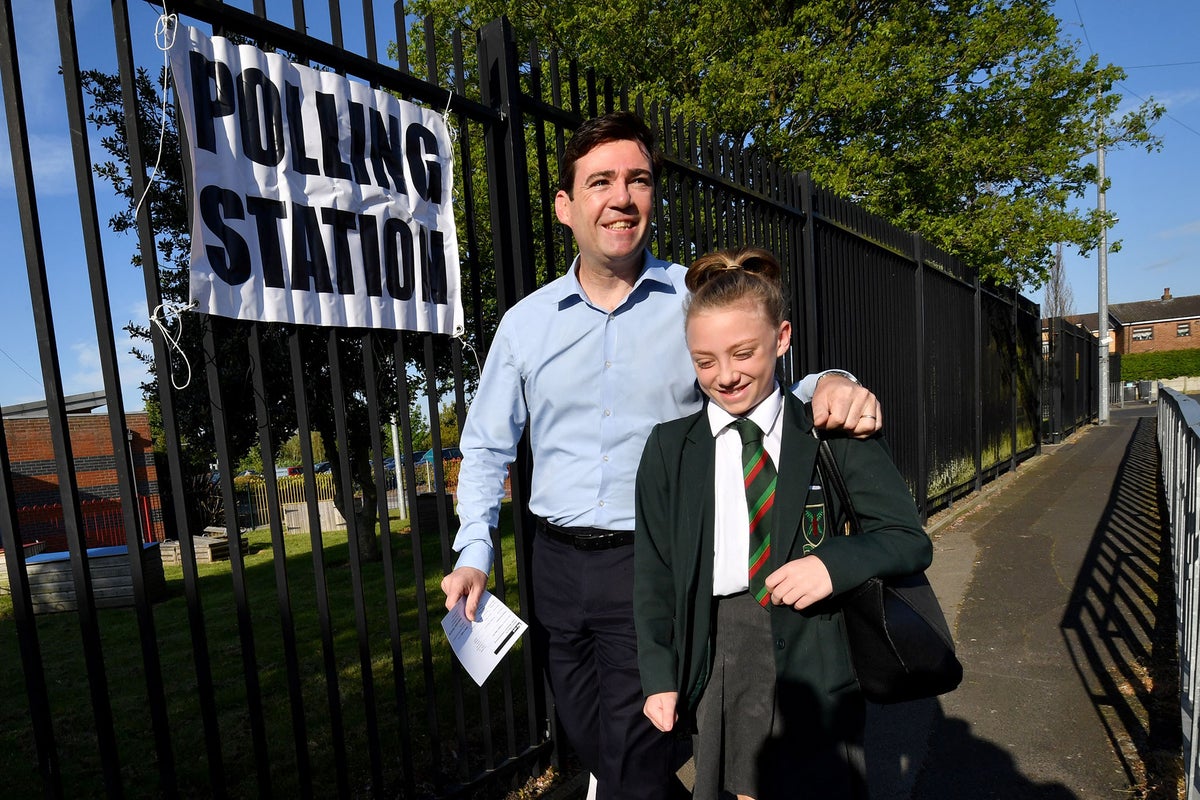
Andy Burnham may still be learning the ropes as prime minister, but his first electoral test next week will feel far more familiar to him.
The then MP for Leigh left parliament in 2017 to become the first elected mayor of Greater Manchester, winning with 63 per cent of the vote.
Broadly following the model of the mayor of London, the new role was hailed by its creator George Osborne as “a massive moment for the North”, transferring powers from Westminster and Whitehall to its largest city region.
Burnham had power over planning, housing, policing, health and transport across the 10 council areas that make up Greater Manchester – the city itself, Bury, Bolton, Oldham, Rochdale, Salford, Stockport, Tameside, Trafford and Wigan.
And he took the role to national prominence during the Covid-19 pandemic, when his response to the government’s treatment of the region saw him hailed as “King of the North”.
 open image in gallery
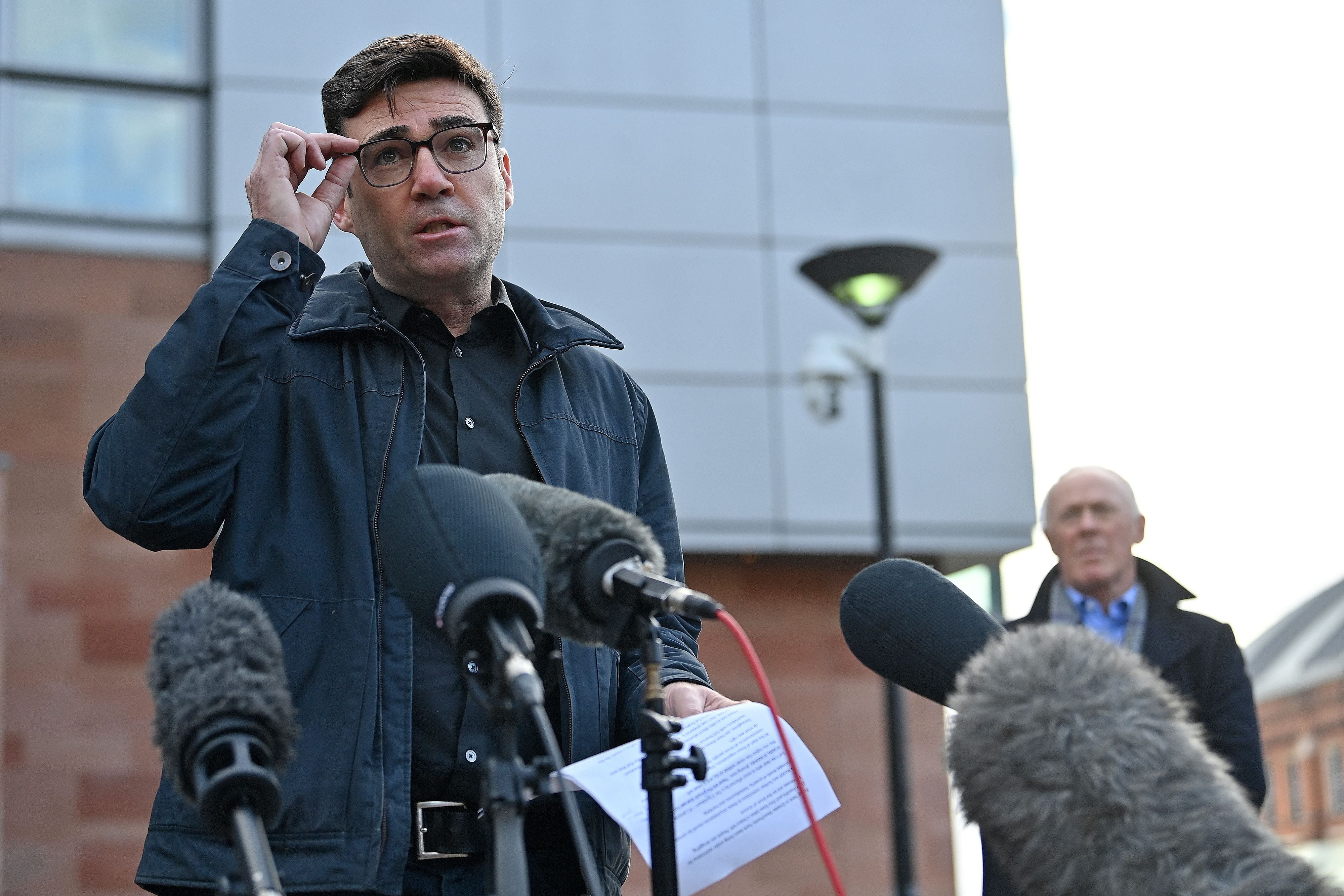
An immensely popular figure in England’s North West, Burnham was re-elected in 2021 and won in every council ward across Greater Manchester; he followed this by winning in all but one in 2024.
National coverage often incorrectly refers to Burnham’s previous role as mayor of Manchester, but there is a lot more to the Greater Manchester region than the city itself.
His time as mayor saw plenty of change, defined by the emergence of an abundance of city-centre towers, as Manchester’s inner-city living standards, measured against 2010, rose more than anywhere else in the UK.
The city region’s annual growth rate of 3.1 per cent, sustained over the last 10 years, means its economy has performed twice as well as that of the UK as a whole, but that growth has been focused mainly in the city itself.
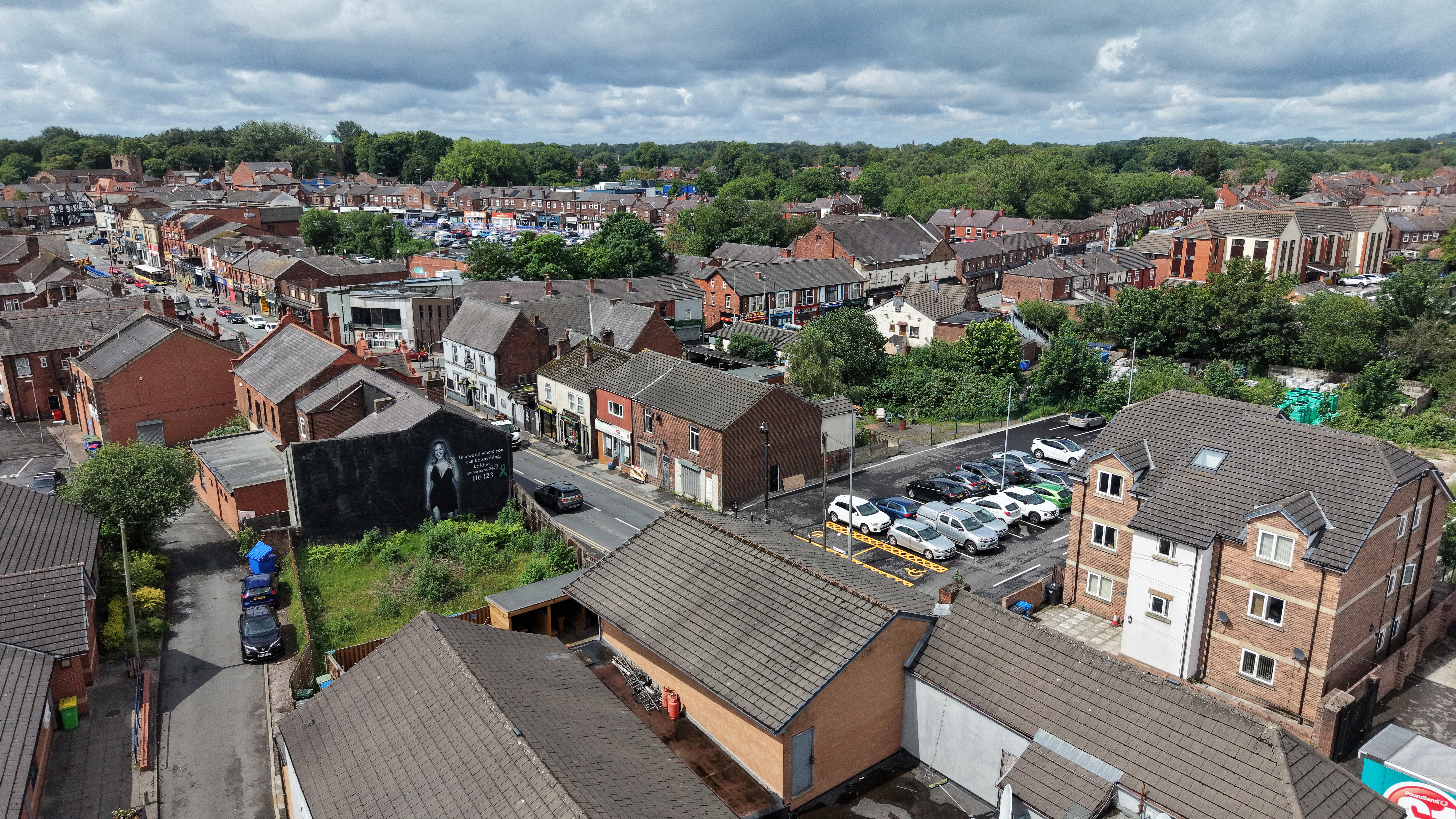
And places such as Oldham, Rochdale, and Wigan – where Burnham’s previous and current parliamentary seats can be found – would not necessarily thank you for referring to them as Manchester. Many from these outer boroughs would see themselves as being from Lancashire, rather than the 1970s creation of Greater Manchester, which may go some way towards explaining the 32 per cent turnout at the 2024 election.
The towns and villages that make up these boroughs are largely working-class post-industrial Labour heartlands, but they are not the thriving metropolis of Manchester.
In a way, the two key components of Labour’s electoral coalition are present in Greater Manchester – urban voters, and those from “left behind” areas of England.
The region is “predominantly Labour land”, but “quite socially conservative outside Manchester itself”, according to Bury-born Jon Tonge, a professor of politics at the University of Liverpool.
He tells The Independent: “Burnham’s popularity extended right across, but there are still issues of identity. Identity and place still matter. Politically, there is some variation in control, but not much.
“The Lib Dems control Stockport council now – it was hung for years. In Oldham, no one’s in charge. Bolton has no overall control, and the rest are Labour.”
 open image in gallery
“But Reform made huge gains at the council elections. Labour would breathe a sigh of relief that only one-third of the seats were up for grabs, because had they been all-out elections, chances are Reform would control some of Greater Manchester’s councils now.”
May’s elections also saw the Green Party make significant gains in the city of Manchester as Labour suffered gruelling results nationwide – losing 1,500 council seats in England and relinquishing control of 30 local authorities.
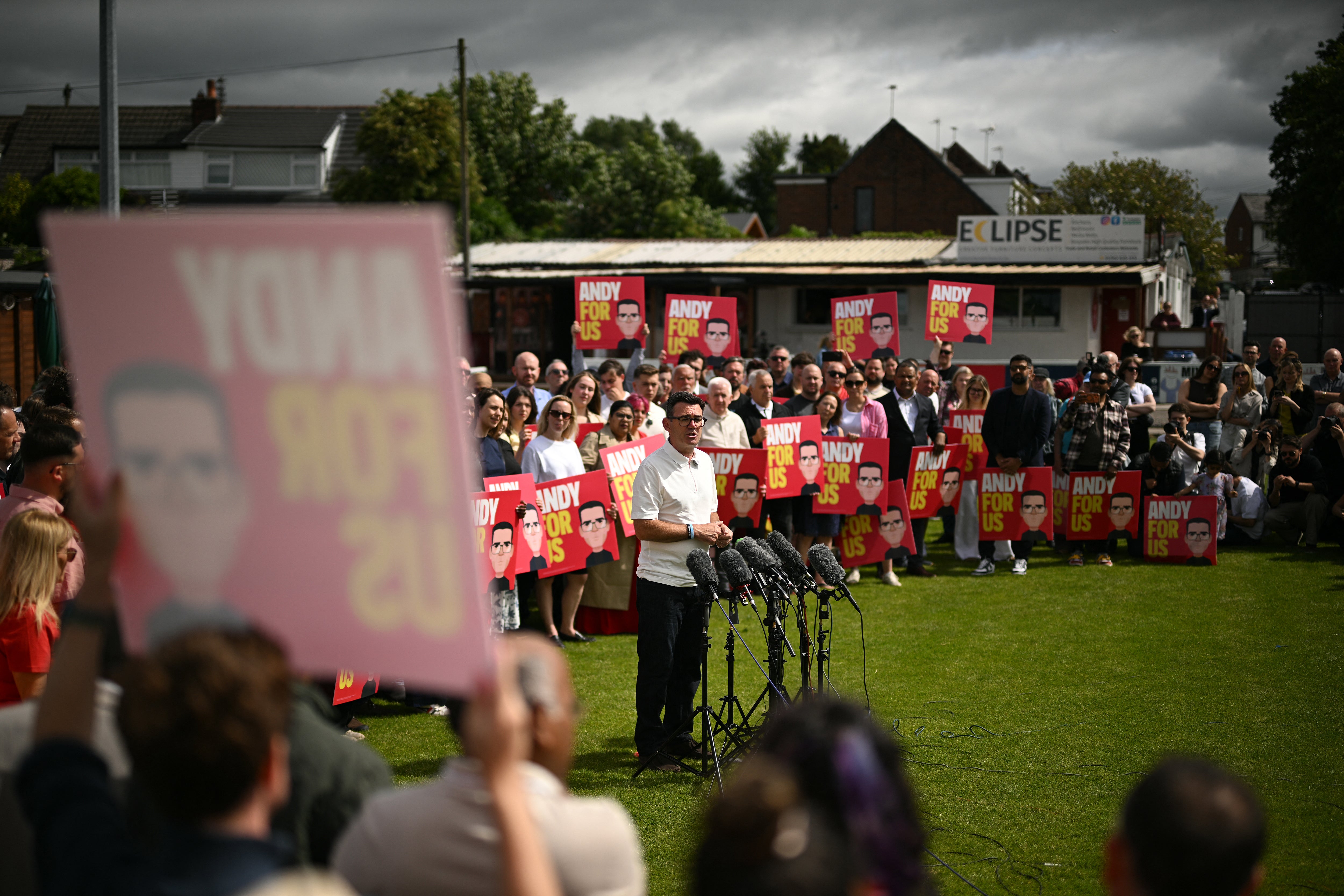
Those results were the death knell for Keir Starmer’s premiership, and brought about the end of Burnham’s time as mayor: he returned to parliament in June’s Makerfield by-election, beating Reform comfortably, before assuming leadership of the Labour Party.
 open image in gallery
It was Greater Manchester’s second parliamentary by-election this year, following Gorton and Denton – won by the Greens after Labour blocked Burnham’s candidacy.
When the man who is now prime minister declared that he wished to return to Westminster, the prospect of Labour losing control of Greater Manchester was used as an argument to keep him in post.
Several bookmakers made Reform the early favourite when the election was announced, but polls now suggest that Labour will retain the mayoralty with relative ease, as Reform and the Greens battle for second place.
Tonge believes that is all down to the change in No 10.
If Starmer were still leader of the Labour Party, and Burnham were not on the ballot, this election “would have been a mighty close battle and very difficult for Labour to hold on”, he says. “At the Gorton and Denton by-election, people were clearly looking for an alternative to Labour. But all has changed with Burnham now. People are no longer looking for an alternative to Labour; they’re prepared to support Labour, for now at least, across Greater Manchester.
 open image in gallery
“Initially, the bookmakers priced it wrongly in my view – though I understand why – having Reform as very slight favourites. But once it became evident that Burnham was going to be prime minister, the spillover effects of a Burnham premiership meant Labour is back in business for now.”
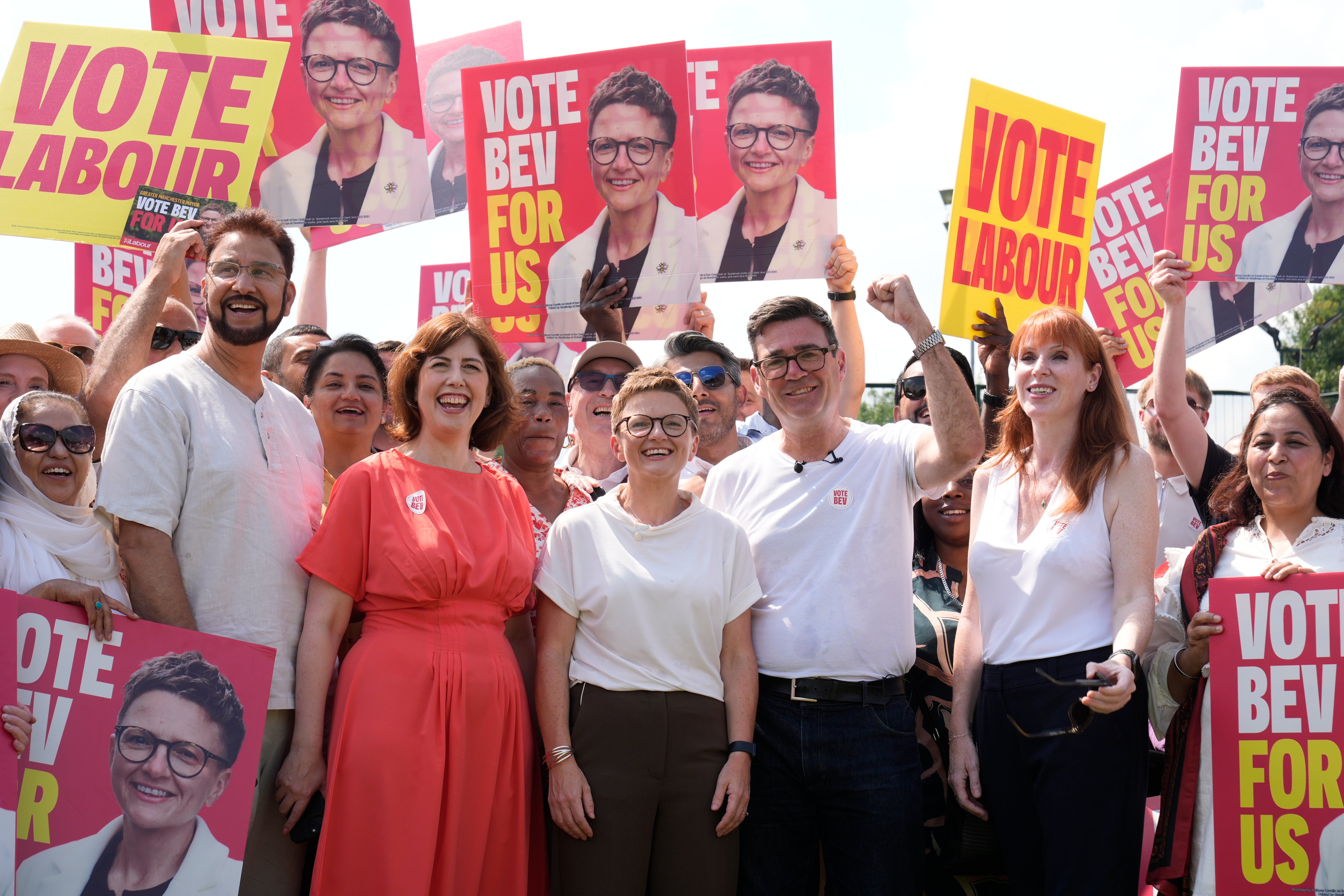
The latest YouGov poll predicts that Labour’s candidate Bev Craig will beat Reform’s Sian Astley by 62 per cent to 38 per cent in the second round of this election, which will use the supplementary voting system – as was the case in 2017 and 2021.
It would be the first time, however, that an election for Greater Manchester mayor had gone to a second round.
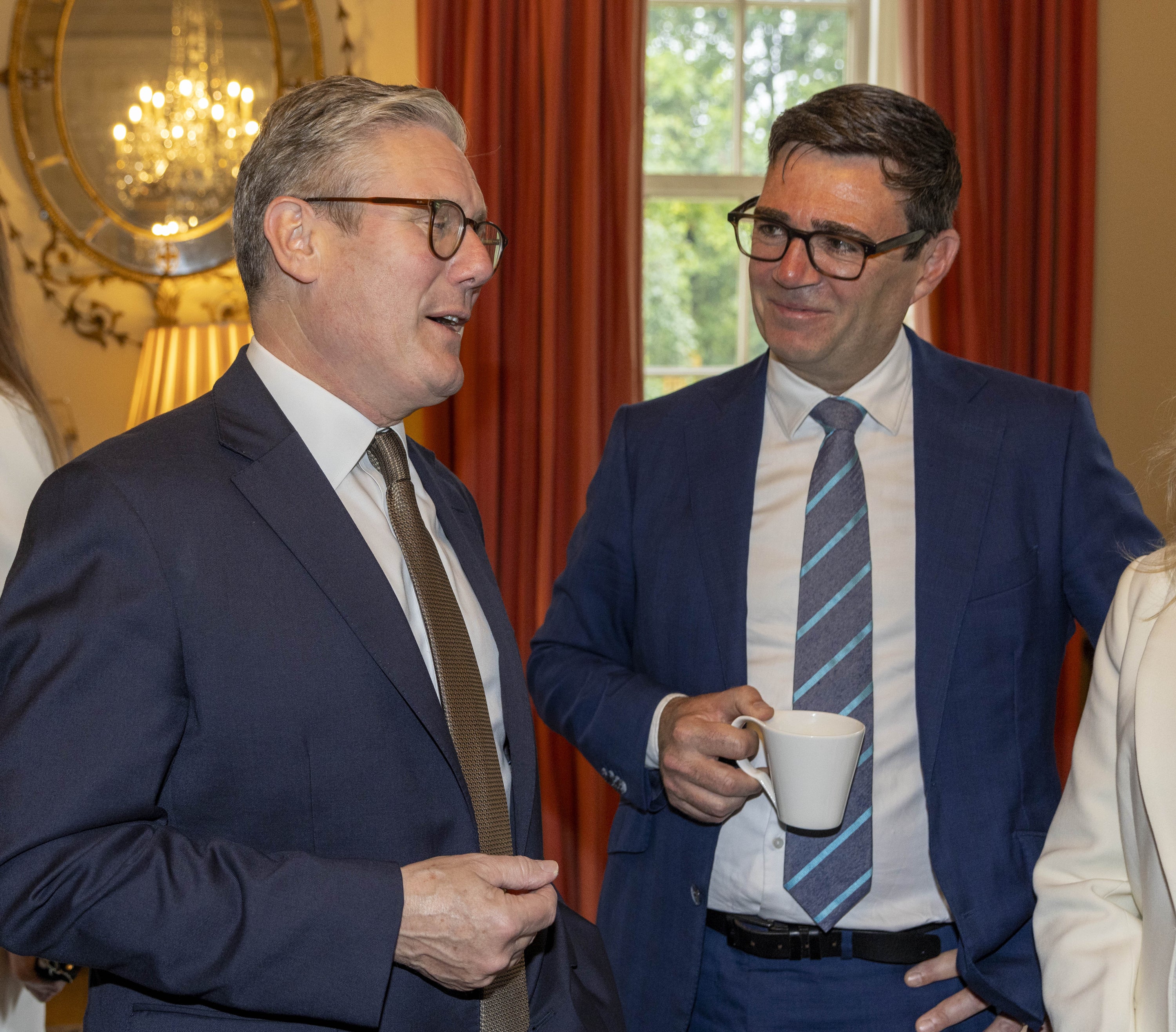
Burnham won all of three of his mayoral elections with ease, and though it is not predicted to be quite as straightforward for Craig, the fact that she is running for what is now his party will help her to victory, says Tonge.
 open image in gallery
“The ‘Burnham effect’ just overshadows this entire contest and dwarfs every other factor,” he explains.
“Labour is enjoying a honeymoon period, Burnham is insulated from scrutiny, and there’s a triumphant Labour conference coming up in Liverpool. Until deep into autumn, it’s a victory lap for Burnham, and Bev Craig will run that victory lap with him in Greater Manchester.”
Craig has been leader of Manchester City Council since 2021, representing the Burnage ward, where you will find the childhood home of Oasis’s Gallagher brothers.
She cannot claim to have a profile comparable to Burnham’s, but worked closely with him as council leader and as the combined authority’s member for the economy and business. “It’s almost as if she is Burnham’s protégé,” says Tonge.
Her election branding borrows the “For us” style used by Burnham in Makerfield, and her policy offering is a combination of continuity and Burnham-esque new pledges, such as free bus passes for 11- to 16-year-olds.
With a Labour win likely, what remains to be seen is whether a prime minister who has long banged the drum for devolution will make his mayoral successor more powerful than he ever was.
“Burnham had the most powers [of the Northern mayors] and used them to the max,” says Tonge. “Now the question is how much further power he will bequeath to Bev Craig and others – there’s always a risk of poacher-turned-gamekeeper.
 open image in gallery
“Early in his political life, as health secretary, Burnham wasn’t pro-devolution because he feared a non-uniform NHS. He then became an uber-devolutionist as mayor. Once you become prime minister, there’s always a slight risk you become centralist again.
“He’s talking a great game about rolling out powers, and it will be difficult to renege on that, but the risk remains: everyone is a great devolutionist when receiving powers, but will you remain one when bequeathing them?”