


AdvertisementScienceChinaScience
China mulls space-based control system for high-speed rail. Can it be hacked?
Study shows low-orbit satellites might avoid another Wenzhou disaster but reveals how hackers could deliberately crash speeding trains
4-MIN READ4-MIN Listen
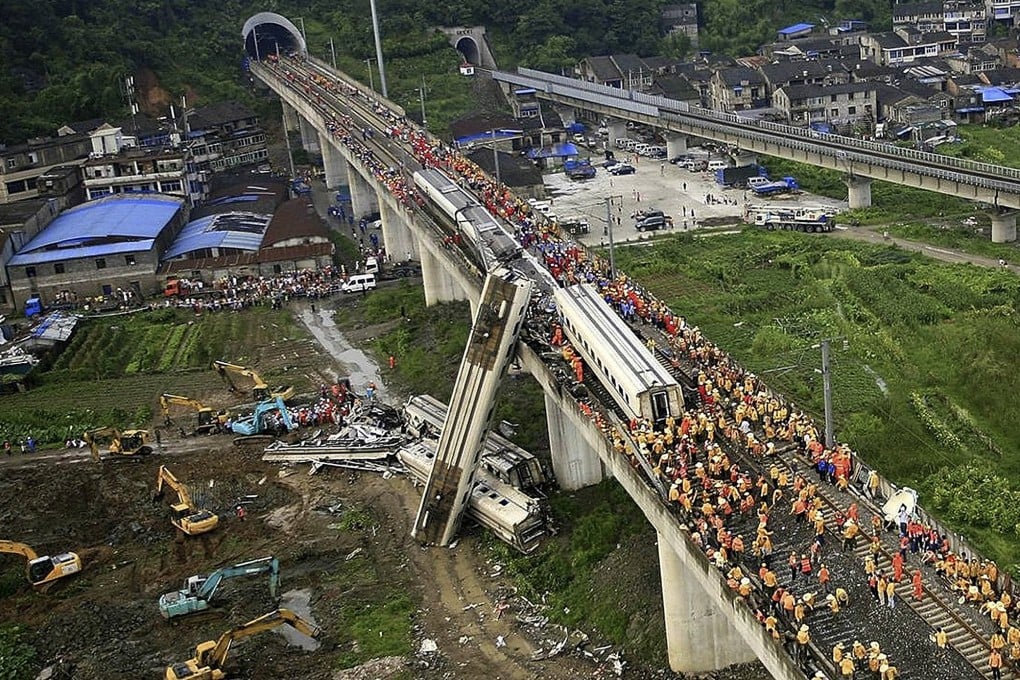
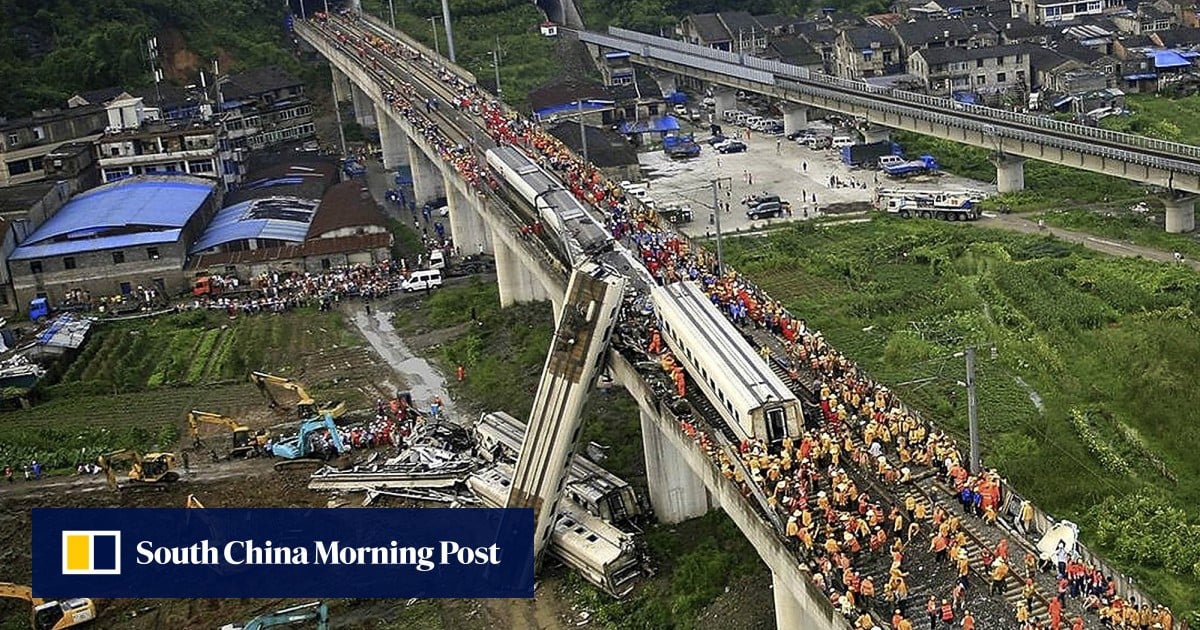
Stephen Chenin BeijingPublished: 9:00am, 18 Jun 2026On a summer evening in 2011, two high-speed trains hurtling through the Chinese countryside met in a fireball of twisted metal and shattered glass. The Wenzhou disaster, as it came to be known, killed 40 people and injured nearly 200.
The official inquiry traced the catastrophe to a lightning strike that had fried a trackside circuit, making one train “invisible” to the control centre, which then wrongly cleared the line for the train behind.
However, could the “brain” of the railway ever be made so resilient that no single bolt of lightning, no flood, no earthquake could ever again fool it into a fatal mistake?
Advertisement
Fifteen years later, a team of railway researchers in Beijing has proposed an answer: lifting the railway’s nervous system into space.
Their vision, laid out in a paper published in industry journal Railway Signalling and Communication Engineering in May, is a space-based train control system that could one day govern the world’s largest high-speed rail network.
Advertisement
And yet, as the paper makes clear, the same technology that promises to banish the ghosts of Wenzhou could also summon a new breed of digital demons.
Today’s train control systems depend on thousands of kilometres of trackside beacons, signal lamps and radio masts. This equipment is expensive to install, finicky to maintain and vulnerable to nature’s fury.
AdvertisementSelect VoiceSelect Speed00:0000:001.00x