


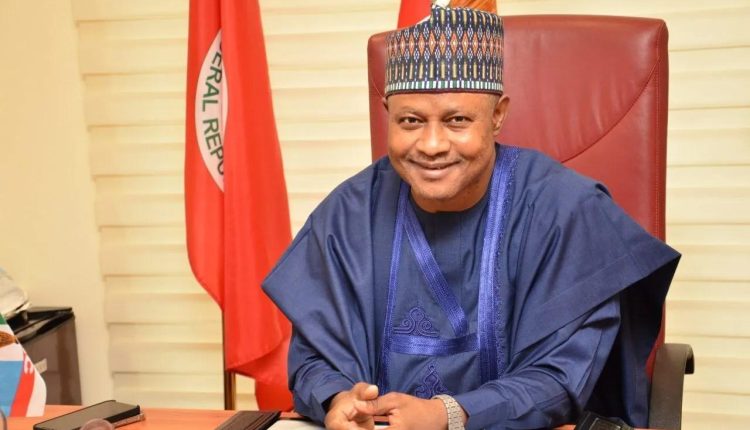
Every son and daughter of Zaria deserves more than promises etched on paper — they deserve progress they can see, touch, and live. For three remarkable years, that vision has walked the streets of Zaria under the steady, people-first leadership of Governor Senator Uba Sani. To declare “Zaria is forgotten” is not just inaccurate; it is to willfully close one’s eyes to a city that is being rebuilt, brick by brick, heart by heart.
Within the hallowed walls of Sir Kasim Ibrahim House, Kaduna’s seat of governance, the last three years have been defined by a relentless drive for renewal. Governor Uba Sani’s _Rural and Urban Transformation Agenda_ has been more than a slogan. It is a covenant. It earned him the revered title *“Apostle of Rural and Urban Transformation”* — _Limanin Karkara da Birane_ — and Zaria, the crown jewel of Northern heritage, stands as one of its grandest beneficiaries. This is governance that does not seek applause in headlines, but reverence in results.
For too long, Unguwar Magajiya bore the scars of neglect — roads that turned to rivers with every rainfall, paths that tested patience more than tires. Today, those stories belong to the past.
The entire Unguwar Magajiya township road network has been reconstructed from foundation to asphalt, crowned with functional drainage that now channels floodwaters away from homes and businesses.
But it did not stop there. Link roads radiating from Unguwar Magajiya through the historic corridors of Zaria City — Limanci down to Kasuwar Amarilu, stretching through Unfuwar Liman to Albatkawa — were graded, stabilized, and asphalted under the bold “Legacy Cities” program. Zaria was not pushed to the margins. Zaria was placed at the center of the map, where it belongs. This is not continuity abandoned. This is continuity redefined.
A hospital is not just mortar and paint; it is hope made visible. At *General Hospital Zaria*, also known as *Gambo Sawaba General Hospital*, wards once worn by time have been rehabilitated, equipped with modern medical tools, and staffed with more doctors, nurses, and technicians to meet the needs of a growing population.
Across Zaria LGA, Primary Health Centres — the first line of defense for every mother and child — were transformed. Solar power now keeps vaccines cold through the night. Boreholes now bring clean water to waiting patients. Drug revolving funds now ensure shelves are stocked when emergencies strike. This is access. This is dignity. This is government that meets people where they are.
Zaria has always been a city of scholars, and the last three years have honored that legacy. Public primary and secondary schools across the metropolis were renovated with new classrooms, modern furniture, and water + sanitation facilities under the World Bank-backed AGILE and IDEAS programs. Children now learn in spaces that inspire, not depress.
At *KASU Zaria Campus*, the state government reinforced infrastructure and student welfare, ensuring our tertiary institutions remain engines of innovation. Beyond classrooms, National Assembly members complemented these efforts with constituency scholarships and ICT training hubs — planting seeds of knowledge that will outlive us all.
Zaria’s transformation extends beyond the obvious. Solar streetlights now glow along suburban roads, making nights safer. Rural electrification projects have brought power to communities long in darkness. Through KADSAP and IFAD, Zaria farmers received inputs, training, and market linkages — because an empowered farmer is a stronger economy. Water supply interventions are steadily easing the burden on households across the city. These are the quiet revolutions that change lives without making noise.
Let it be said plainly: those peddling the “Zaria Left Behind” narrative are economical with the truth. Their urgency appears driven more by data bundles and the mechanics of social media engagement than by facts on the ground. Meanwhile, Governor Uba Sani has administered with fairness, balance, and an inclusive spirit that reminds every community: your vote matters beyond election day. “Consolidation and Continuity” was never abandoned. It was sharpened — refocused on the basics that matter most: roads our people ply, clinics that save lives, and schools that shape futures.
Is Zaria where it should be? Not yet — and honesty demands we say so. The ancient city still yearns for the revival of its industrial giants: *Zarinject, the Ginnery, and other factories* that once gave it economic muscle. The much-touted “Zaria Water Project” under the previous El-Rufa’i administration remains, in the words of many citizens, “a sham rainbow rhetoric” — beautiful in promise, absent in delivery. Those are fights for tomorrow.
But to pretend that “nothing has been done” Today is to insult the intelligence of every Zaria resident who now drives on smoother roads, whose children learn in better classrooms, and whose sick find care in revamped clinics. Exclusion? No. Zaria is not excluded. Zaria is moving. Zaria is rising.
Let the conversation evolve. Let us retire the tired lament of “we’ve been left behind” and embrace the urgent, optimistic call of “let’s do more, faster.” Zaria’s history is too grand for victimhood. Its future is too bright for cynicism.
Under Uba Sani, a new vision at Sir Kasim Ibrahim Imam House continued evolve, Zaria is not forgotten. It is being remembered, rebuilt, and repositioned for greatness. Shikenan.!
Zubair Abdurra’uf Idris is a Public Affairs Analyst and Board Member Nigeria Electricity Management Services Agency, NEMSA.
Don’t Miss
Seyi Bakare: Sponsored attacks on Abiodun, Tinubu expose desperation
