 Image source, AL MASIRAH/Handout via REUTERS
Footage from Houthi-run Al Masirah TV purportedly showed Houthi fighters in Mocha
ByDavid Gritten
Yemen’s Houthi movement has seized the strategic Red Sea port city of Mokha from Saudi-backed pro-government forces, military sources say.
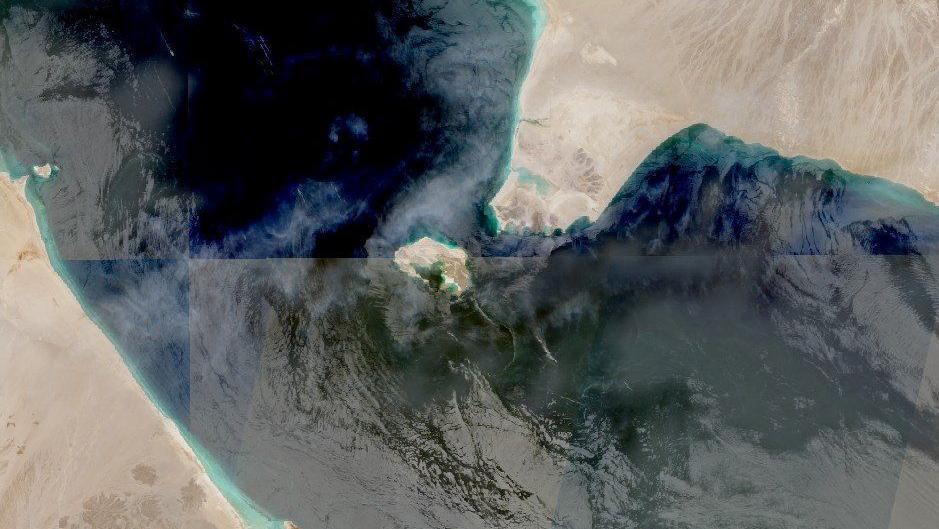
The capture of Mokha would bring the Iran-backed group closer to controlling the Bab al-Mandab strait, a key shipping route about 75km (46 miles) to the south that links the Red Sea to the Gulf of Aden.
Hundreds of people have reportedly been killed and thousands displaced since the Houthis launched an offensive in the south-western coastal region a week ago.
At the same time, there has been a significant escalation in the Houthis’ conflict with neighbouring Saudi Arabia that has contributed to a surge in global oil prices.

On Tuesday, the Houthis launched dozens of drones and missiles at southern Saudi Arabia, injuring 73 civilians and causing fires at several oil facilities that led to a temporary halt in operations, according to Saudi authorities.
The Houthis said they were retaliating for dozens of Saudi air strikes on their territory in north-western Yemen in recent days, including one on a prison in the town of Hazm in Jawf province that local officials said killed at least 23 civilians.
A Saudi-led coalition of Arab states has backed Yemen’s government against the Houthis in the country’s devastating civil war for more than a decade.
A four-year-old informal ceasefire began to unravel in July, when the Houthis announced a “maritime embargo” against Saudi Arabia and began missile and drone attacks on Saudi airports, oil facilities and tankers in the Red Sea.
The Houthis said they were retaliating for a Saudi blockade of ports and airports in their territory, as well as an air strike on Sanaa airport that they blamed on the kingdom.
The Red Sea has become crucial for Saudi Arabia’s oil exports since the start of the US and Israel’s war with Iran, which has led to the effective closure of the Strait of Hormuz in the Gulf.