


AdvertisementElectric & new energy vehiclesBusinessChina EVs
Xiaomi out to scalp Musk’s bestselling SUV in China with its upgraded and low-cost model
Shares in Xiaomi opened at HK$29.6, edging down 0.54 per cent from the previous close as the Beijing tech titan goes head-to-head with Tesla
2-MIN READ2-MIN Listen
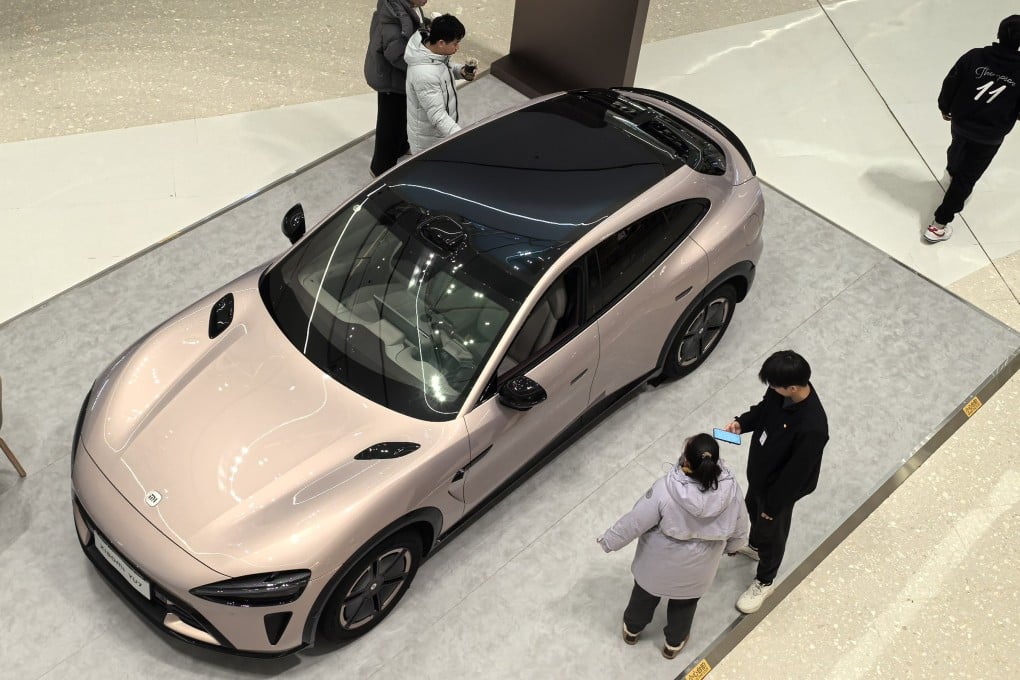
Themis QiPublished: 9:43am, 27 May 2026Xiaomi Corporation, the first Chinese Tesla killer after its SU7 sedan outsold Model 3, is now aiming to unseat Model Y, China’s bestselling SUV, with its upgraded YU7 due to its low-cost advantage, as the company’s shares opened at HK$29.6 this morning, edging down 0.54 per cent from the previous close.
This followed the firm’s first-quarter net profit missing market estimates, as rising memory chip costs continued to drag its smartphone businesses, leaving its electric vehicles (EV) – Xiaomi’s second-largest revenue contributor – to keep growing.
The Beijing-based tech giant said on Tuesday that it had started deliveries for the standard edition of the Xiaomi YU7, priced from 233,500 yuan (US$34,400), 30,000 yuan lower than the refreshed rear-wheel-drive Tesla Model Y.Advertisement
“In terms of configuration, driving range and technology, I think we have won (Model Y) across the board,” Lu Weibing, partner and president of Xiaomi, said at an earnings call on Tuesday evening. “Therefore, I also believe that the introduction of this standard version will give us a very significant advantage in competing against the Model Y.”
Notably, Xiaomi’s new SU7 recorded April sales of 26,826 units, dragging down Tesla’s Model Y to become the second bestselling model across all power trains, trailing only the Geely Xingyuan at 34,727 units, according to data from automotive content platform Dongchedi. In contrast, Model Y sales for April plunged 42 per cent month-on-month to 22,990 units.AdvertisementFor the first quarter, Xiaomi’s EV deliveries rose 6.6 per cent year-on-year to 80,856 units and the company maintained its full-year delivery target of 550,000 vehicles for 2026.
However, China is facing a slowdown primarily due to subsidy pullback. Despite oil crises bolstering interest in EVs, retail sales in the world’s largest EV market fell 17.2 per cent year-on-year to 2.76 million units in the January-April period, according to data from the China Passenger Car Association (CPCA).
AdvertisementSelect VoiceSelect Speed00:0000:001.00x