


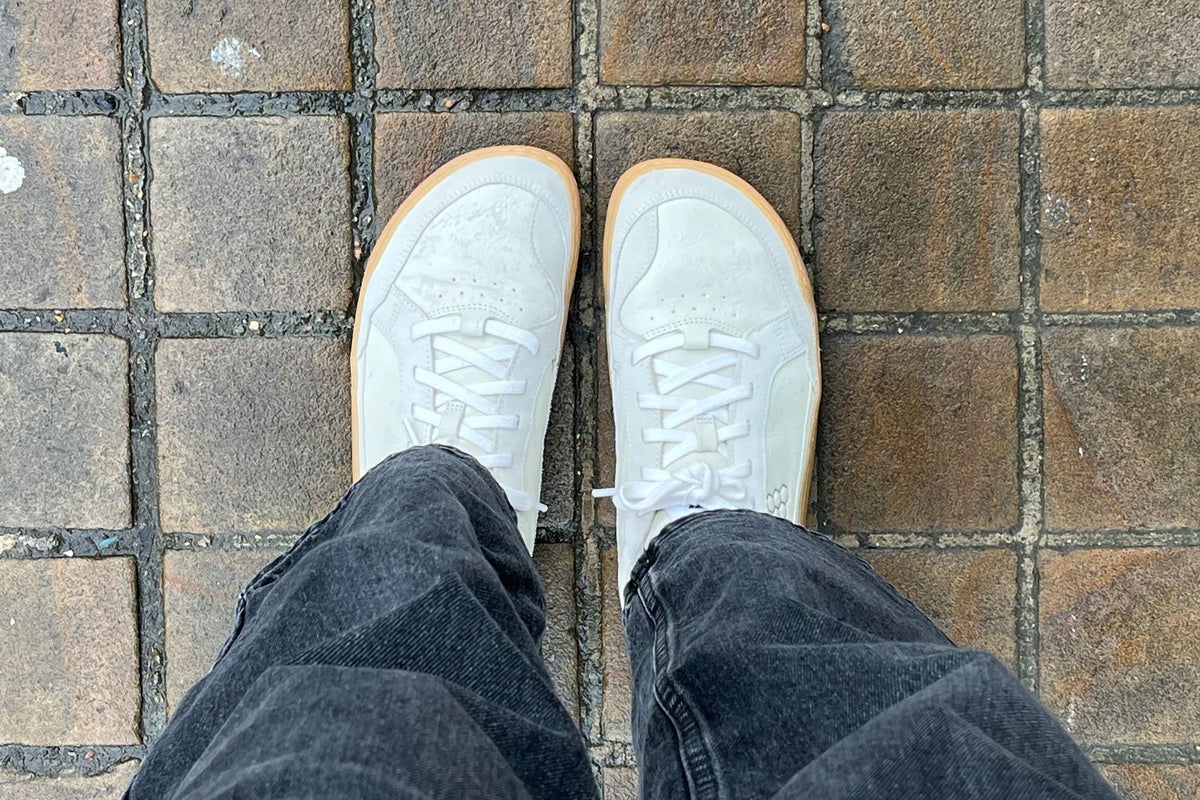
Characterised by ultra-thin soles, wide toe boxes and heightened flexibility, barefoot shoes are designed to build stronger feet, improve posture and increase balance. Of recent, in part fuelled by our interest in foot health and appreciation of so-called “ugly shoes” (tabis and five-toe flats I’m looking at you), the footwear category has soared in popularity. Even high street brands like Zara are jumping in on the trend and bringing an arguably fashionable appeal to the look (£35, Zara.com).
“For the majority of people barefoot and wide toe box shoes are better for foot health,” explains London-based functional podiatrist Rina Harris. As your toes are allowed to splay, the arch and foot muscles are activated, which improves balance, proprioception and your feet’s ability to absorb and distribute forces from the ground.
“In my practice I regularly see patients whose foot problems like bunions, hammer toes, plantar fasciitis are caused or worsened by narrow, restrictive footwear. Wide toe box shoes give the foot the space it needs to do its job and achieve all its tasks,” Harris explains.
Why is foot health so important? “Conventional shoes typically have four features that work against us: a narrow toe box that compresses the toes, an elevated heel that shifts our weight forward and shortens the calf muscles, a stiff sole that prevents the foot from moving and changing shape and a thick sole that prevents our foot from feeling the ground,” explains Harris. “Over time this leads to weakened foot muscles, altered gait patterns, poor balance – proprioception and compensatory issues that travel up the chain affecting the knees, hips and lower back. What starts as a foot problem often ends up presenting as a whole-body postural problem. I see this pattern in patients every week.”
So, for many, the solution has been tossing away the stilettos in favour of barefoot shoes. But before you try them, it’s worth keeping in mind they won’t work for everyone and could heighten your discomfort. To assess the best footwear for your feet, it’s best to be assessed by a podiatrist.
“For those with no foot problems wanting to try barefoot shoes, I would advise initially wearing them at home and then increasing the use very gradually,” says Mr. Steven Thomas, podiatrist at The London Podiatrist.
“Although barefoot feels natural, it is not appropriate for everyone, and remember that walking on hard flat human made ground is not so natural”, he explains. “If you are a keen marathon runner, a degree of barefoot activity can help with foot muscle strength in training.”
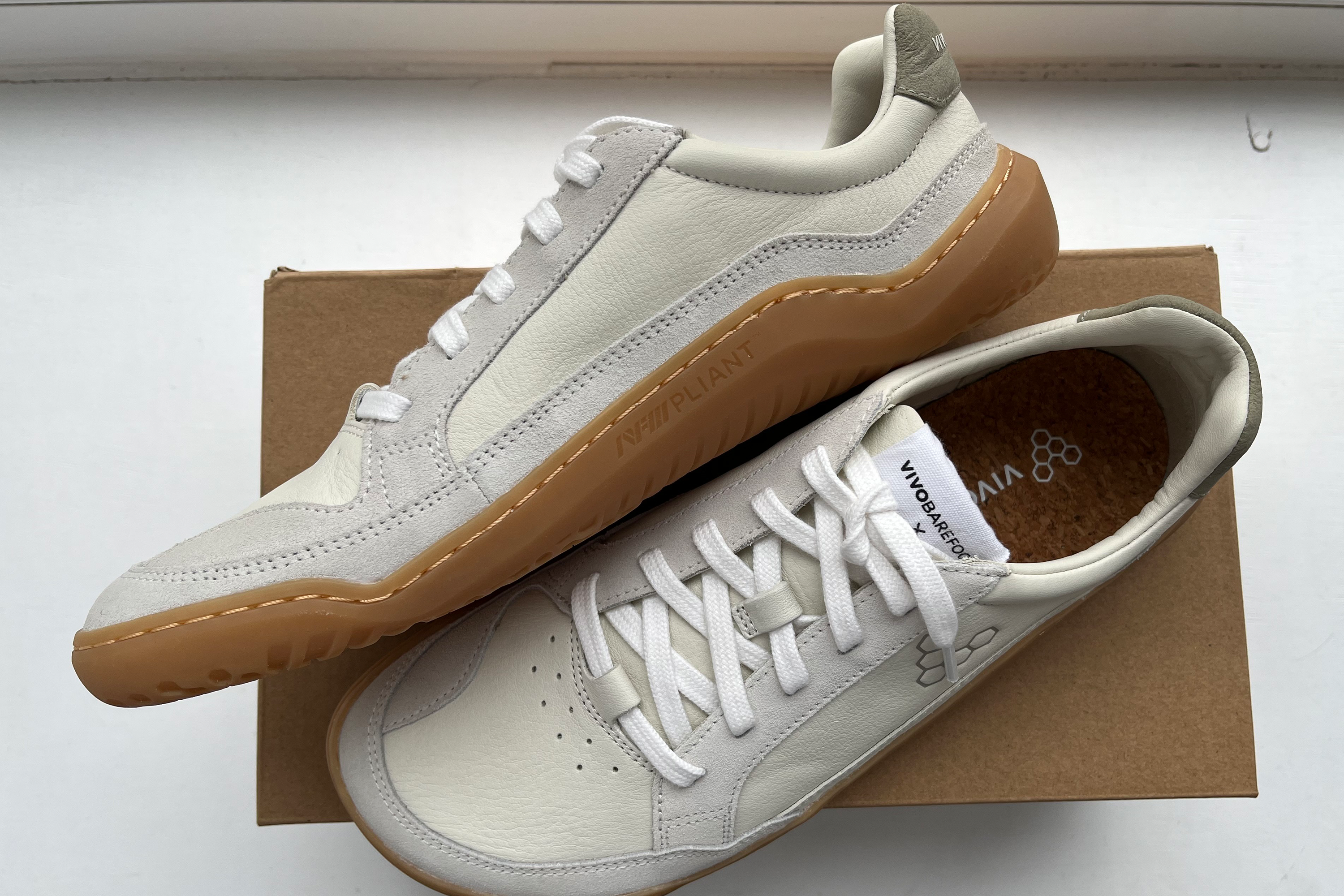
As someone interested in the style of footwear and unlocking foot health for my overall wellbeing, I was keen to test barefoot shoes from Vivobarefoot, arguably the leading designer in this category. Here’s my verdict after the brand’s gobi leather trainers for four months.
Read more: Best orthopaedic shoes, tested
Read more: Experts reveal the best way to keep your trainers clean