


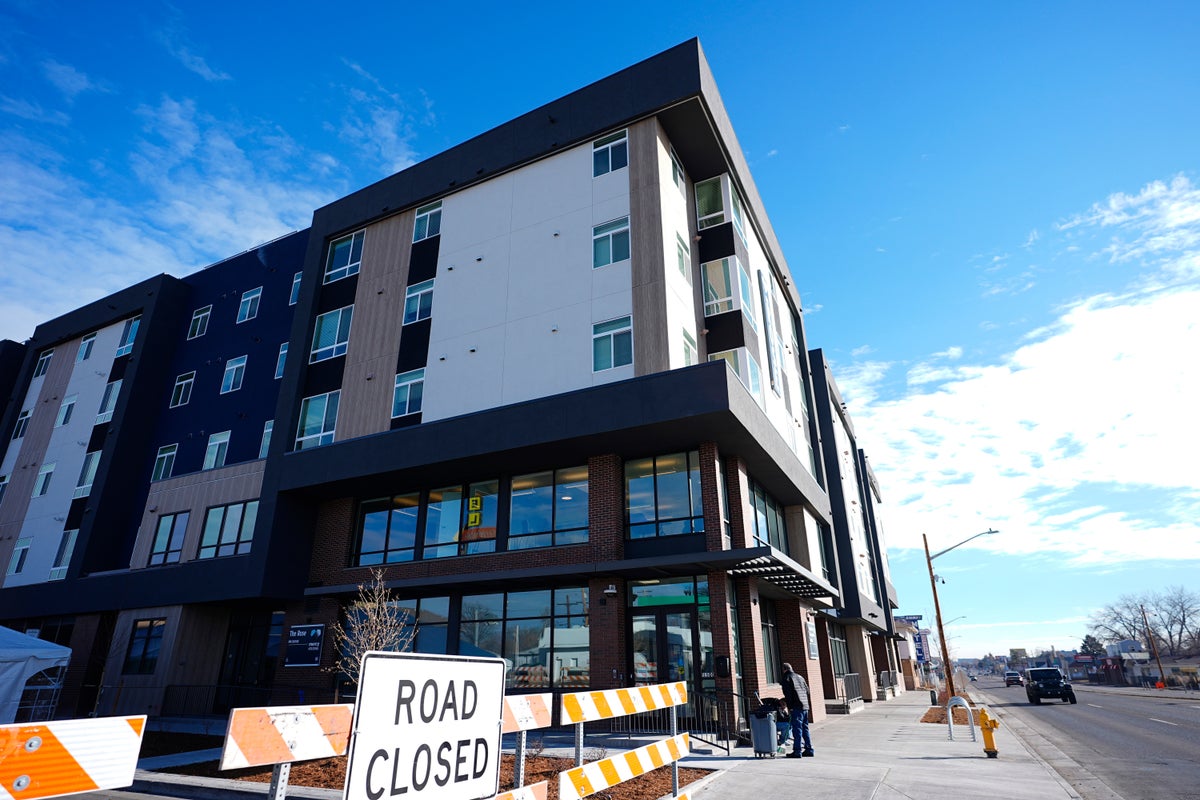
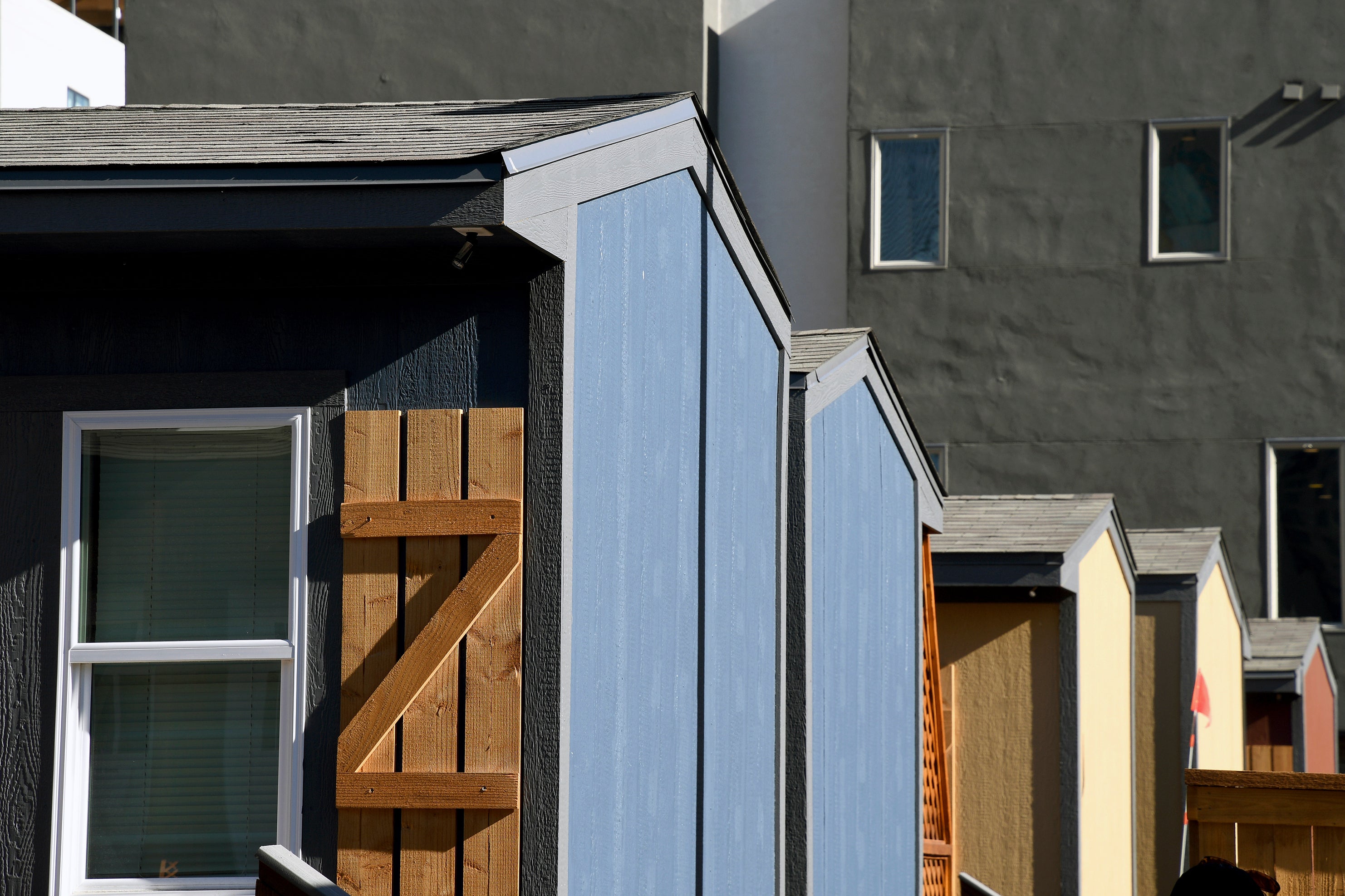
Mathew Davis, a resident of an Austin, Texas homeless shelter, dreams of securing an apartment of his own. Yet with the minimal earnings he receives from donating blood plasma, even a $450-a-month tiny home without running water and with a shared bathroom remains a major stretch.
Meanwhile, more than 4,500 properties the city deems affordable — nearly 16% — sit vacant.
“I don’t make enough money really to afford anything,” Davis, 49, said, referring to the couple hundred dollars he makes each month. “I just keep trying to swim uphill.”
America’s most impoverished individuals confront the most severe shortage of affordable places to live. But most low-income housing funded in recent years is intended for people earning 50% of an area’s median income or more, according to a survey of state housing agencies.
Several cities are now recording higher vacancy rates as rental prices for these units near market levels. Consequently, apartments classified as affordable remain unoccupied because the poorest individuals simply cannot afford the rent.
Meanwhile, some individuals are driven onto the streets, while others face severe hardships trying to pay for costly shelter.
America has just 4 million affordable homes for 11 million families who need them
 open image in gallery
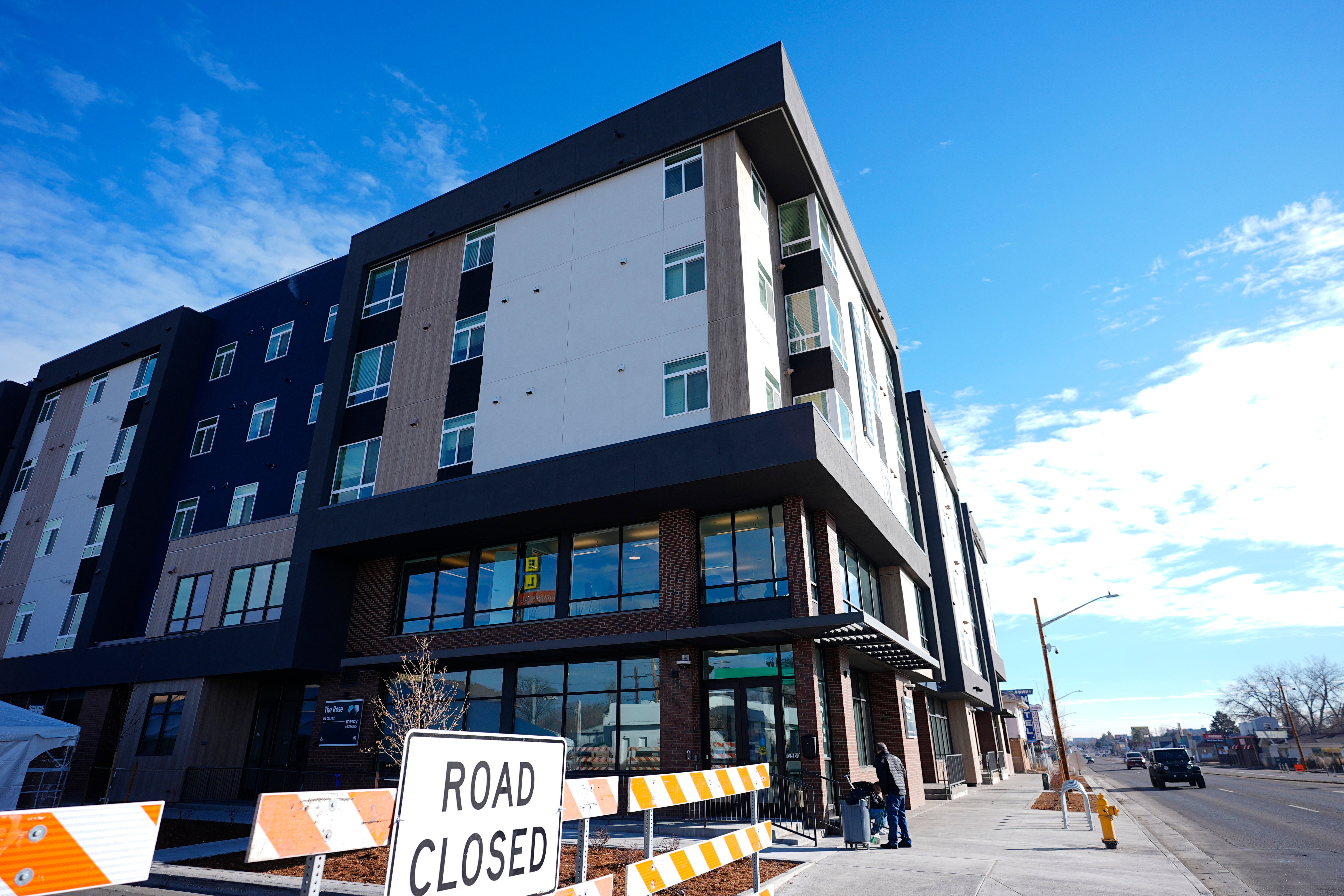
America has just 4 million affordable rental homes for 11 million extremely low-income households, exposing a vast gap between the people most in need of housing and the homes being built for them.
The National Low Income Housing Coalition defines extremely low-income households as those earning below the federal poverty line — just under $16,000 for a single person — or 30% of their area’s median income, whichever is higher.
The group accounts for roughly a quarter of U.S. renters and includes low-wage workers, older Americans and people with disabilities living on fixed incomes.
About 75% of these households spend more than half their income on rent and utilities, leaving little for food, transportation and other necessities.
 open image in gallery
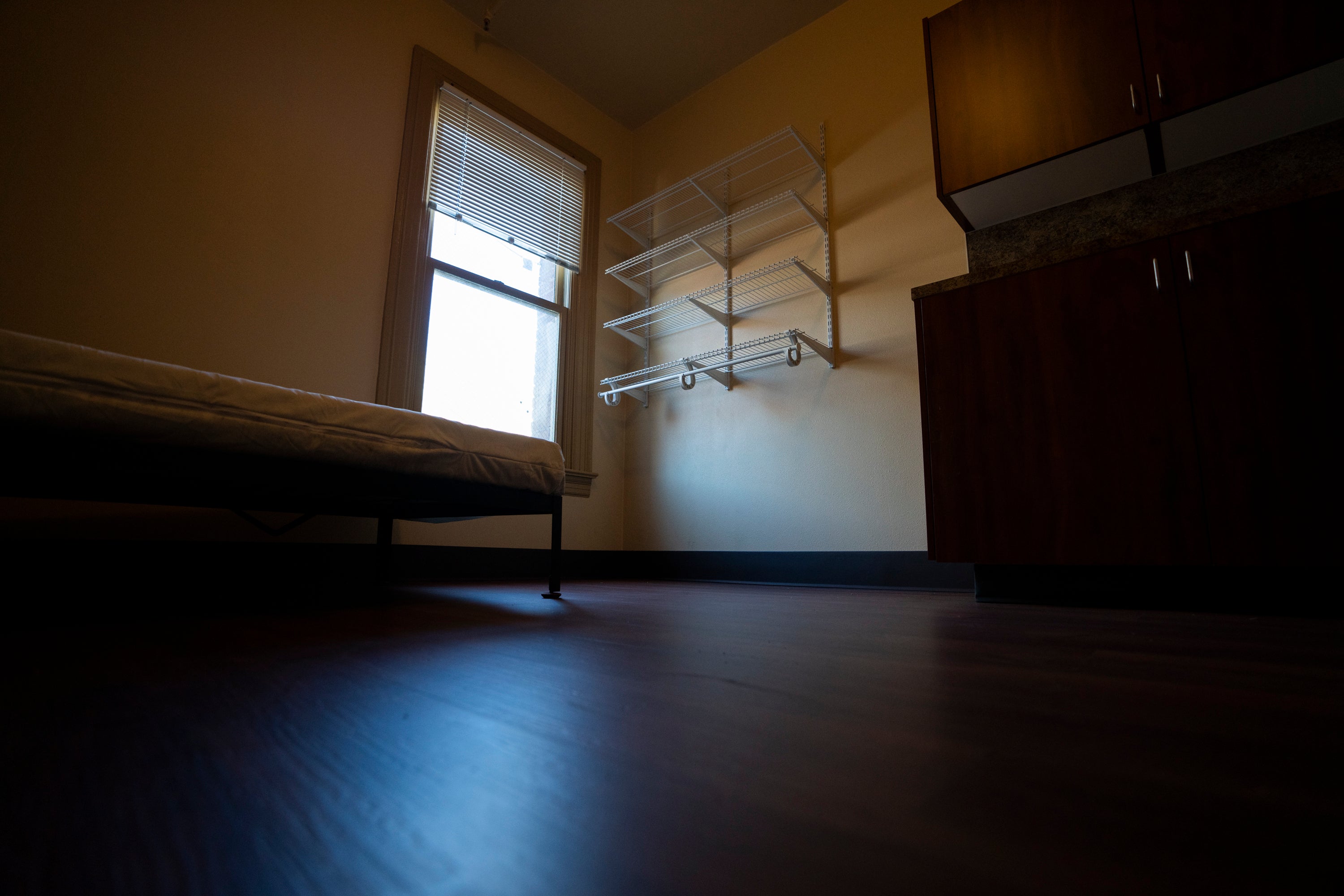
Yet only 12% of affordable homes financed through the federal Low-Income Housing Tax Credit in 2024 were reserved for extremely low-income residents, according to the National Council of State Housing Agencies.
Most were targeted at people earning at least 50% of their area’s median income. In Austin, for example, that can mean a single person earning about $47,000 a year, compared with less than $28,000 for someone classified as extremely low-income.
The tax-credit program has financed nearly 4 million affordable homes since it was created 40 years ago, but critics argue its complexity drives up construction costs.
“If you’re going to subsidize affordable housing, you should give the money directly to tenants,” said Chris Edwards, an economist at the libertarian Cato Institute, who favors housing vouchers.
 open image in gallery
But vouchers face their own severe shortage. Only about one in four eligible families receives one, with waiting lists in some areas stretching for years.
Developers say that without additional subsidies, building apartments affordable to the poorest Americans can be financially impossible.
“The math does not lie,” said Carmen Romero, president and CEO of True Ground Housing Partners in the Washington, D.C., area.
“Our expenses don’t make it really possible to create a 30% AMI unit, unless there was this extraordinary amount of subsidy that just doesn’t exist.”
Thousands of ‘affordable’ apartments sit empty as renters choose market rates instead
Across U.S. cities like Austin, Denver, and Portland, Oregon, rents for 60% area median income (AMI) housing are nearing market-rate apartment prices. As a result, some renters are choosing slightly higher market-rate rents to gain faster approvals and undergo less income verification, leaving a growing number of affordable units unoccupied.
 open image in gallery
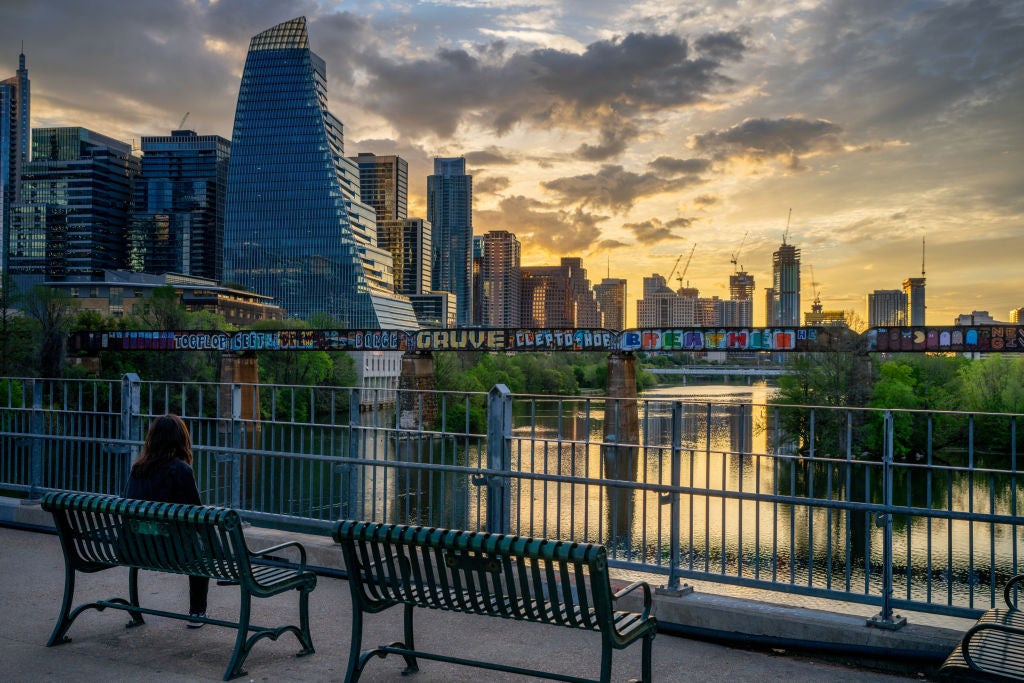
In Austin, the vacancy rate across all affordable housing has reached nearly 16%, with over 4,500 vacant units, according to real estate data and analytics firm CoStar. A healthy market vacancy rate typically sits around 5%.
Affordable housing builder LDG Development reported a 12% vacancy rate for its 60% AMI units in Austin. Chief portfolio officer Rebekah Fischer noted that LDG is “in direct competition” with thousands of recently built market-rate apartments in the city.
Regarding the extensive paperwork required for affordable housing applicants, Fischer said: “I have to have every bank statement, every paycheck, every bill, every Venmo transaction that you had with your friends.”
She added: “When we’re almost going after the same renter, you can be approved within two minutes at a market-rate deal, where unfortunately in affordable housing … it takes time.”
 open image in gallery
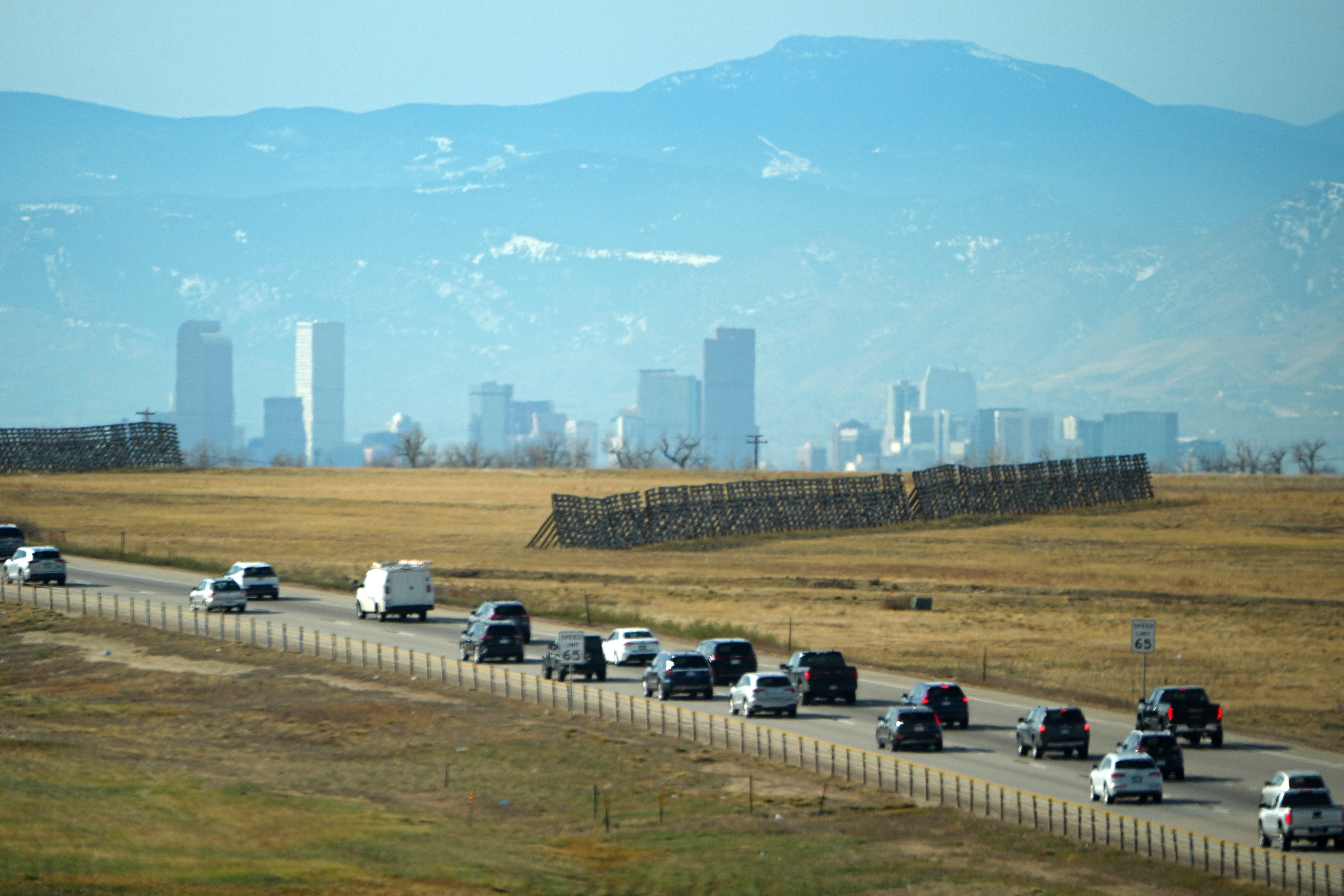
In Denver, 60% AMI units financed through the federal tax credit program show a 13% vacancy rate, while 80% AMI units have a 21% vacancy rate, according to the Colorado Housing and Finance Authority. Meanwhile, housing remains drastically scarce for the city’s poorest residents.
In Portland, where a housing shortage also impacts the lowest income brackets, the Portland Housing Bureau reports over 1,700 vacant affordable units, creating a 7.5% overall vacancy rate.
Most of these empty properties target those earning 60% AMI—roughly $54,000 for a single-person household—with rent capped at $1,444 monthly. Bureau data from CoStar shows this is close to the $1,581 average rent for a market-rate one-bedroom apartment.
Portland resident Jaiden Barbee earns about 55% of the area median income and remains on waitlists for affordable housing. However, he said he’d prefer to pay higher market rates to skip the complex application process.
“I’d rather spend the $200 extra just to get into a place easier that’s wherever I want” and doesn’t have “all these hoops,” he said.
Austin promised 20,000 homes for its poorest residents. It has built just 543
According to city records, Austin has constructed just 543 units toward a 2018 to 2027 target of 20,000 for extremely low-income residents, who represent 17% of all households in the city.
By contrast, local officials successfully met their entire goal of 15,000 units designated for individuals earning between 60% and 80% of the area median income.
Responding to inquiries from The Associated Press, the Austin housing department acknowledged the urgent need to expand options for the poorest populations. It said it is taking steps, including prioritizing funding applications that feature 30% AMI units.
The shortage remains frustrating for residents like Davis, who spent a year living in his car before finally obtaining a bed at an Austin shelter.
“I want to shut the door at night and be able to sleep,” he said. “I really just want to find the right place.”