


AdvertisementSemiconductorsTechTech Trends
Why is Xiaomi doubling down on in-house chips amid a profit slump?
2-MIN READ2-MIN Listen
Iris Dengin ShenzhenPublished: 3:31pm, 25 Aug 2026Updated: 5:06pm, 25 Aug 2026
Xiaomi’s long-term push into proprietary silicon is laying the groundwork for complex artificial intelligence workloads on smartphones and cars, analysts say, as the Chinese tech giant doubles down on self-developed chips despite an earnings slump and soaring component costs.
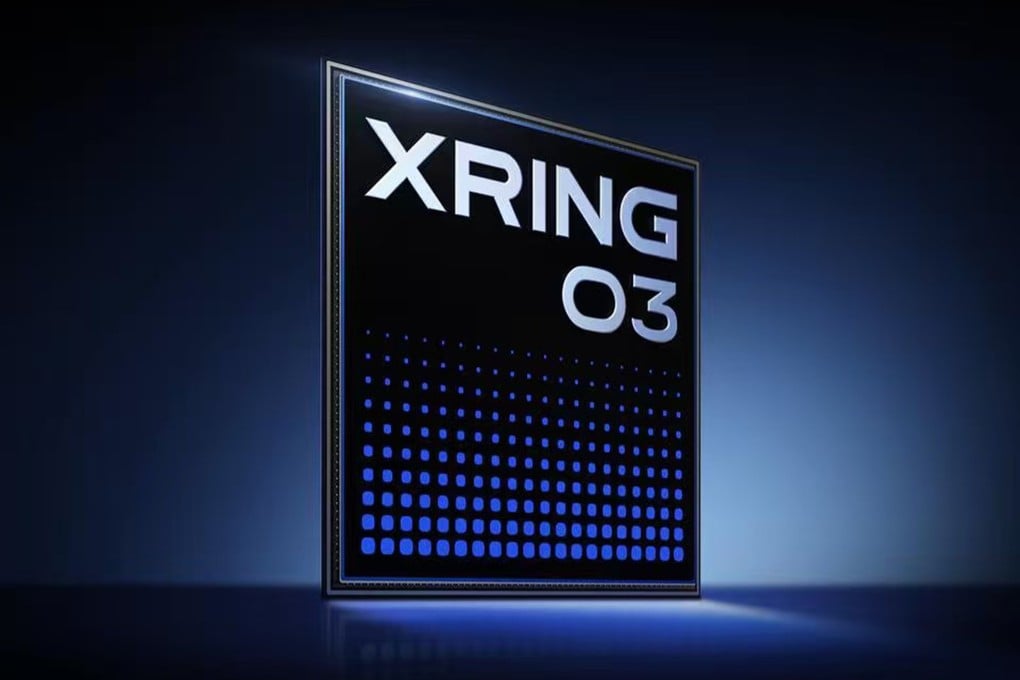
On Monday it unveiled its flagship Xring O3 3-nanometre AI processor for smartphones, which is scheduled to debut in September aboard its Xiaomi 18 Fold smartphone.
The company has also introduced the Xring O100 – a 6nm AI accelerator designed to boost Xiaomi’s MiMo large language model when paired with the O3 – alongside a 3nm Xring D100 chip for autonomous driving. Xiaomi said both the O100 and D100 will be deployed commercially next year.
Ivan Lam, a senior analyst at Counterpoint Research, said Xiaomi’s semiconductor progress placed it in “the top tier of China’s self-developed mobile systems-on-a-chip (SoC)”.
“In the current age of AI, on-chip AI performance has become even more critical as AI workloads are becoming more complex,” Lam said, adding that while semiconductor investments yielded no immediate financial returns, Xiaomi’s long-term commitment remained positive.
Xiaomi’s chip expansion comes as the global smartphone industry grapples with surging memory and component costs, squeezing profit margins across handsets and electric vehicles.
AdvertisementSelect VoiceSelect Speed00:0000:001.00x