


AdvertisementChina consumptionEconomyChina Economy
Why Chinese shoppers are ditching supermarkets for small ‘community stores’
2-MIN READ2-MIN Listen
He Huifengin GuangdongPublished: 4:00pm, 13 Sep 2026
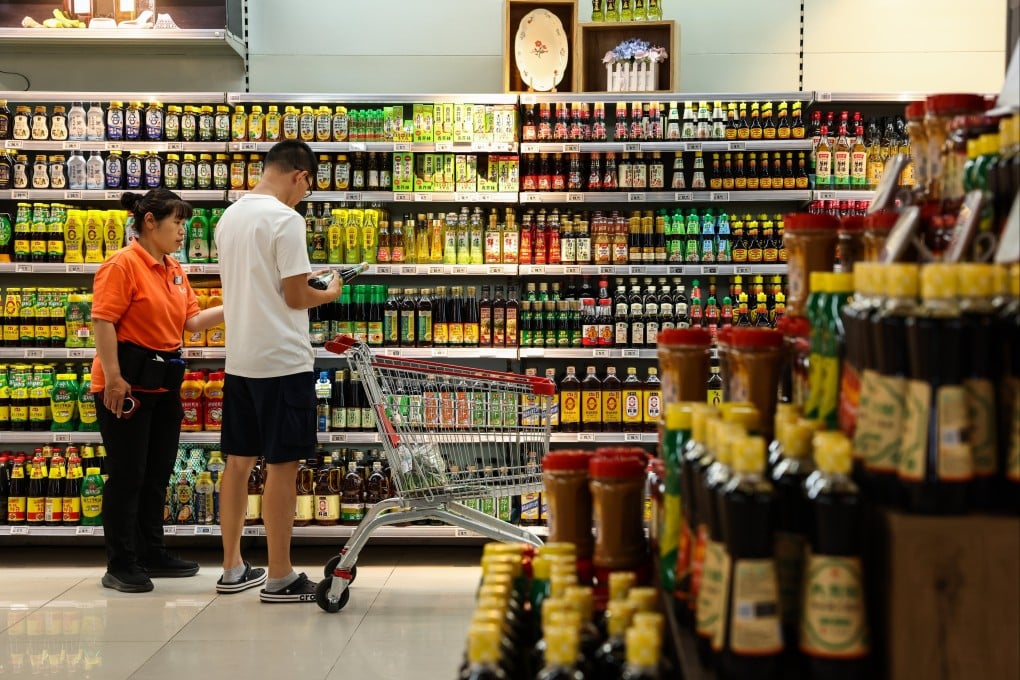
For Cindy Wang, the newly opened “community store” near her home in Guangzhou has been a godsend: the small outlet is cheaper than a traditional supermarket, but offers a bigger range of groceries than convenience stores like 7-Eleven.
The 20-something now often stops off at the shop after work to pick up a few items. On an early September evening, she has bagged a bottle of milk for just 7 yuan (US$1), a 2.5 yuan beer and some mangoes priced at 10 yuan per kilogram.
“It’s convenient and enjoyable, and I can still have a decent shopping experience without spending too much,” Wang said.
Community stores like this one are becoming a major new battleground in China’s retail sector, as consumers ditch big-box stores in favour of smaller neighbourhood outlets offering low prices and instant delivery services.
For shoppers, community stores offer a mix of advantages, analysts say. They offer a greater array of fresh groceries than convenience stores, but they tend to be easier to get to than supermarkets.
Unlike pure e-commerce businesses, customers have the option to pick out their food themselves at community stores, but the outlets also offer delivery in about 30 minutes, according to Sherril Sheng, senior research director at JLL East China.
China’s retail giants are rapidly scaling up their community store offerings. The outlet Wang frequents – named Happy Monkey – is part of a burgeoning nationwide chain under the Chinese food delivery giant Meituan.
AdvertisementSelect VoiceSelect Speed1xAI-generated voice