


Scotland has been caught in a public health emergency on obesity for decades. We are among the worst in Europe when it comes to the fight against the flab, driving up cases of type 2 diabetes, heart disease and cancers while placing enormous strain on the NHS.
We must confront reality. Poverty and severely limited choices are major drivers of this epidemic. In deprived communities, ultra-processed food is cheap and widely available. Fresh produce is expensive and less accessible.
Long hours, poor housing and mental health challenges leave little time for elaborate meal planning. But while recognising this reality, the new Scottish Government should also consider wider access to anti-obesity medication.
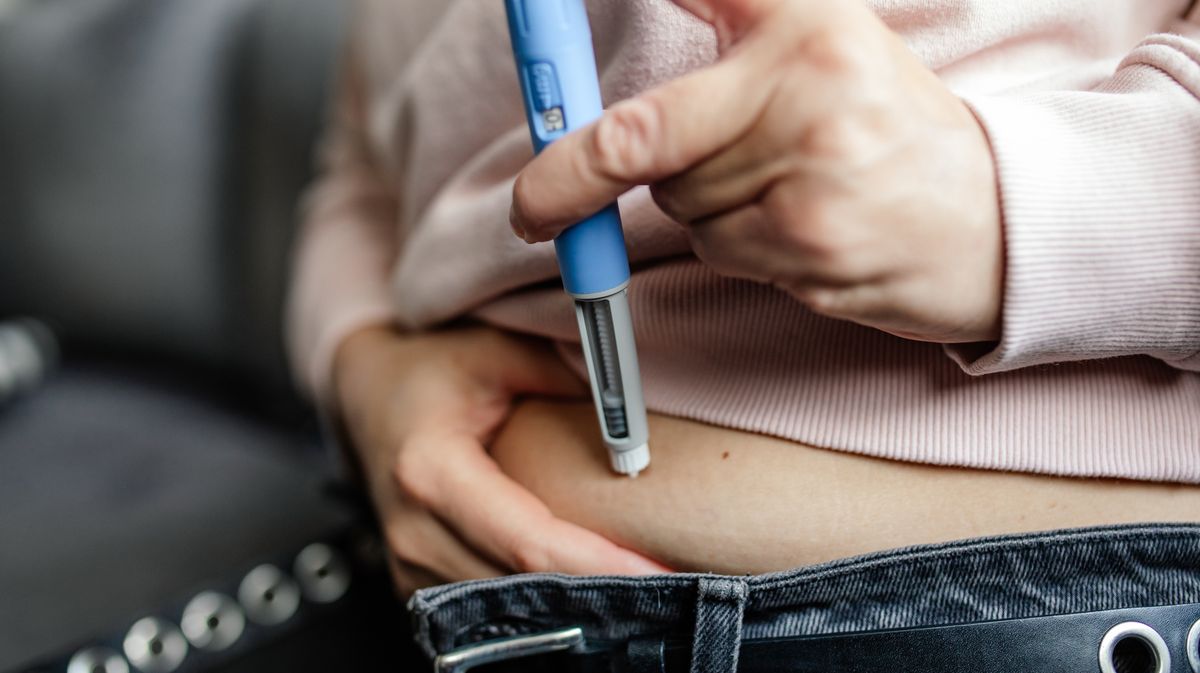
Mounjaro and other GLP-1 receptor agonists are clearly effective in helping people shift body weight. These “fat jags” deliver impressive, clinically proven weight loss – and are also shown to reduce the desire for alcohol.
New studies show that one parent on such jags can also lead to health improvements for the whole family – as eating habits become healthier. They are not cosmetic quick fixes but serious therapeutic interventions that can break the cycle of obesity-related illness.
Today the Daily Record reports that experts have developed a one-a-day pill that helps keep the weight off once it is lost. This could also be a game changer and should be made widely available on the NHS in Scotland.
That means our health leaders should actively engage with regulators and manufacturers to get these drugs out safely and quickly. None of this takes away from the fact that we have failed to tackle the one big issue that drives much of Scotland’s “sick man of Europe” tag.
Whether it is obesity, drug deaths or alcohol abuse – poverty lies at the root of much of these deadly health epidemics. But jags and pills – used effectively – could give people the kick-start they need to get on the right track.
If you were ever in any doubt as to whether you should give blood, please read our story about wee Rue Airlie. At just 11 months old he was facing a bleak future after being diagnosed with Kawasaki disease.
But his life was saved after he underwent a series of blood plasma transfusions. Today Rue’s family issue a message of thanks to those who donated the blood that saved the young lad’s life.
They say the “kindness of strangers” was the difference between life and death for little Rue. Only two out of every hundred adults currently give blood in Scotland.
Article continues below
Let’s all, if we can, try to do our bit – and become a lifesaver.
Get more Daily Record exclusives by signing up for free to Google’s preferred sources. Click HERE