


In the space of four months, we have lost Georg Baselitz, David Hockney and Yayoi Kusama, and the art world feels emptier now. The titans are gone, leaving behind a deafening silence. These three giants did not merely paint, or sculpt, they explored boundless creative mediums to radically change and rebuild the way humanity perceives space, colour, and form. Yet, beyond their very different aesthetic revolutions, they shared a rare fate as creators who dedicated their entire existences to the avant-garde, choosing to create masterpieces until – and with – their very last breaths.
While millions of admirers now mourn their public legacies, for me the loss of David and Georg carries the sharp, intimate ache of personal absence. To have counted them as dear friends across decades is to have witnessed first hand the exhausting, exhilarating reality of a life wholly consumed by the act of creation. True artists do not retire. They do not put down the brush or the chisel when the world tells them they have achieved enough. As David once said: “You don’t retire doing this.” The trio proved that art is not a career, but an existential necessity.
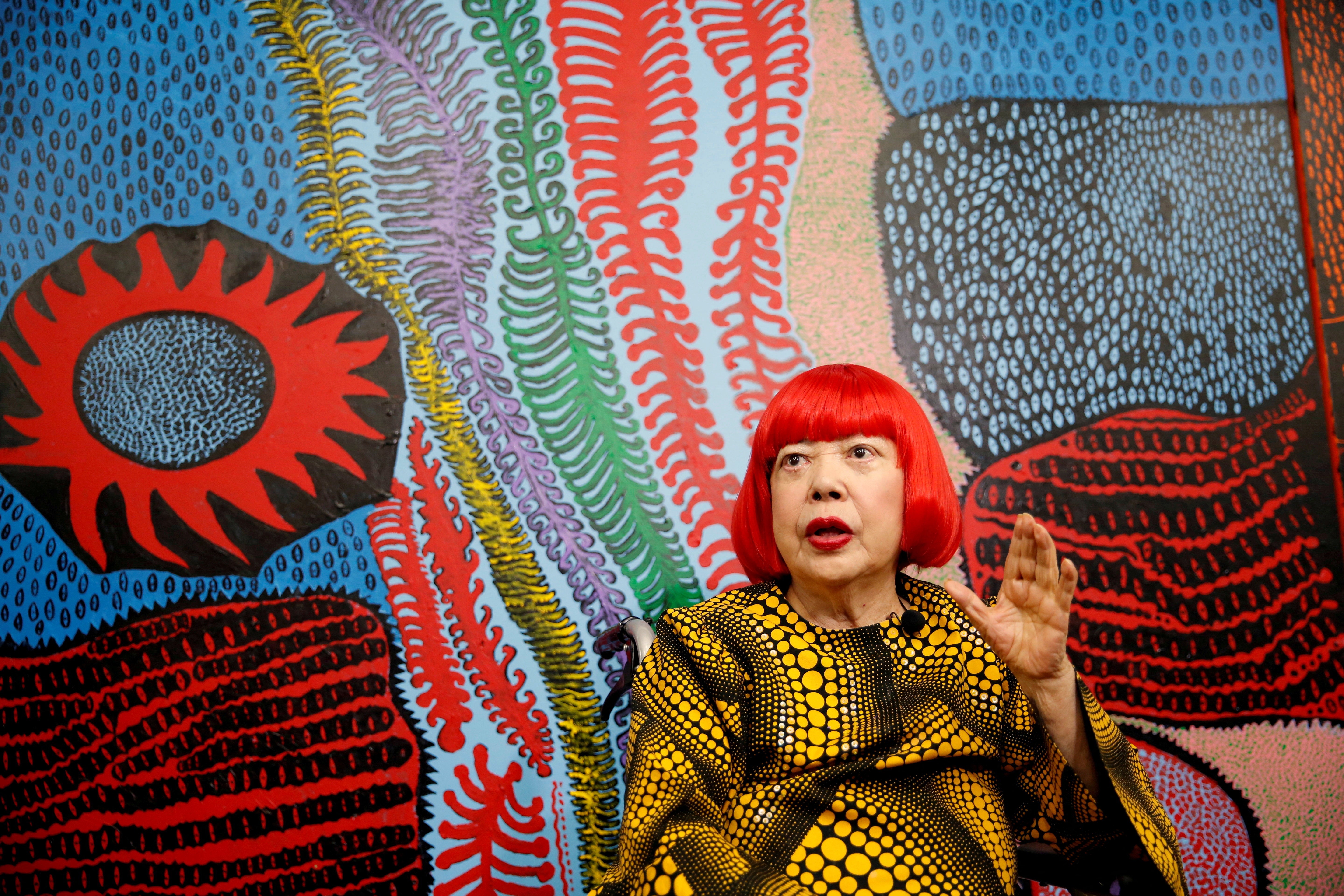
I did not know Yayoi as I knew David and Georg, but I long admired the audacity and persistence of her vision. She taught us that infinity could be captured within the precise boundaries of a single dot. Her relentless pursuit of cosmic love and self-obliteration through repetition was never a mere stylistic choice; it was a profound psychological lifeline. For Kusama, the canvas was a shield against the chaos of her own mind, a radical space where vulnerability was transformed into monumental power.
 open image in gallery
Even in her final days, facing the twilight of her life in Tokyo, her brush never wavered. She dissolved the heavy burden of human ego into the eternal, offering to a fractured world a sanctuary of pattern and light. Her spirit remained entirely uncompromised, proving that the drive to create can transcend the limitations of the human body.
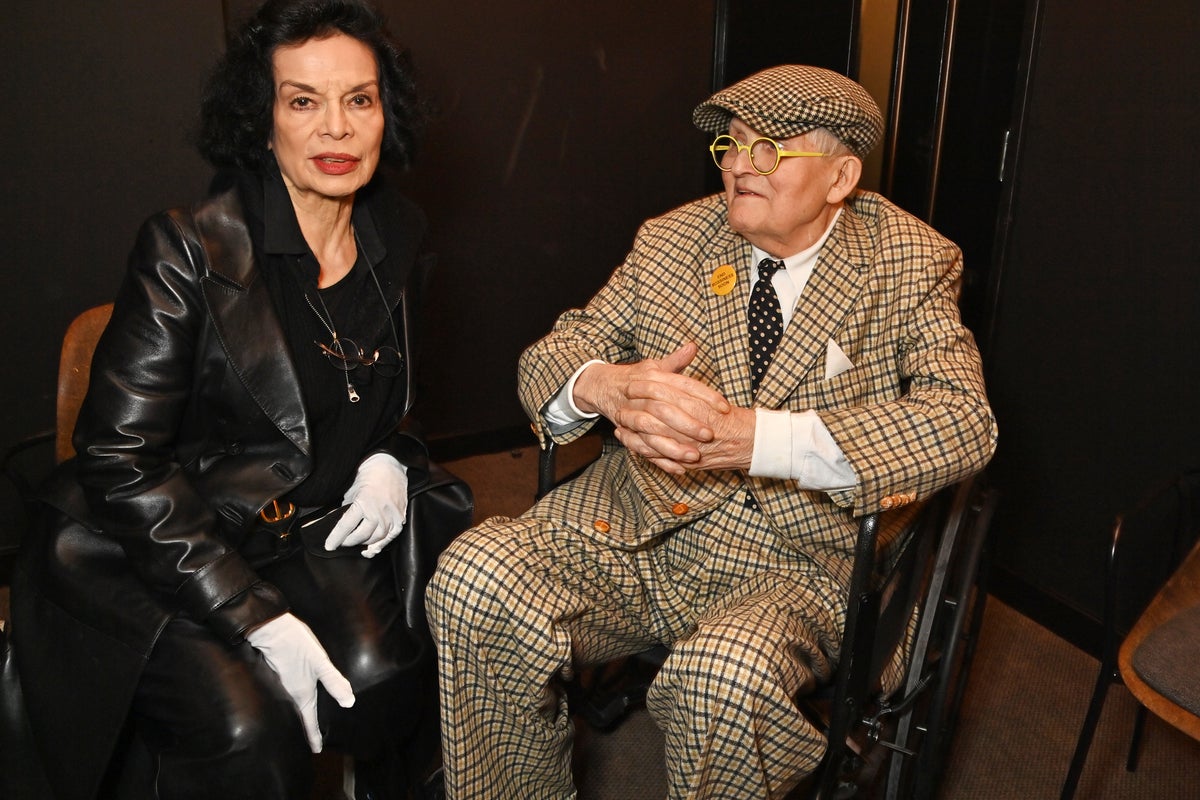
To know David, however, was to be oriented towards pure light. He was truly Le Roi Soleil of the art world, a man consumed by an unyielding, joyful curiosity that lit up every room he entered. I was privileged to meet David in the early 1970s alongside my dear friends Ossie Clark and Celia Birtwell. I remember with immense fondness the quiet intensity of sitting for him in his London flat, watching his extraordinary draughtsmanship at work. His concentration was absolute, yet his warmth made the studio feel entirely alive.
Over the years, I visited him in London, Los Angeles and the countryside; his investigative spirit remained infectious. From traditional etchings and photographic “joiners” to fax machines and iPad screens, David was forever searching for entirely new ways to see. He refused to let his vision become stagnant, reinventing his medium with the enthusiasm of a young student while outshining academics with his unparalleled visual eloquence. He famously reminded us that spring could never be cancelled, living entirely by his signature mantra: “Love life”. I look at the photographs of us together now, and I can still hear his joyful laughter bouncing off his studio walls, a testament to a man who found beauty in every single corner of existence.
 open image in gallery
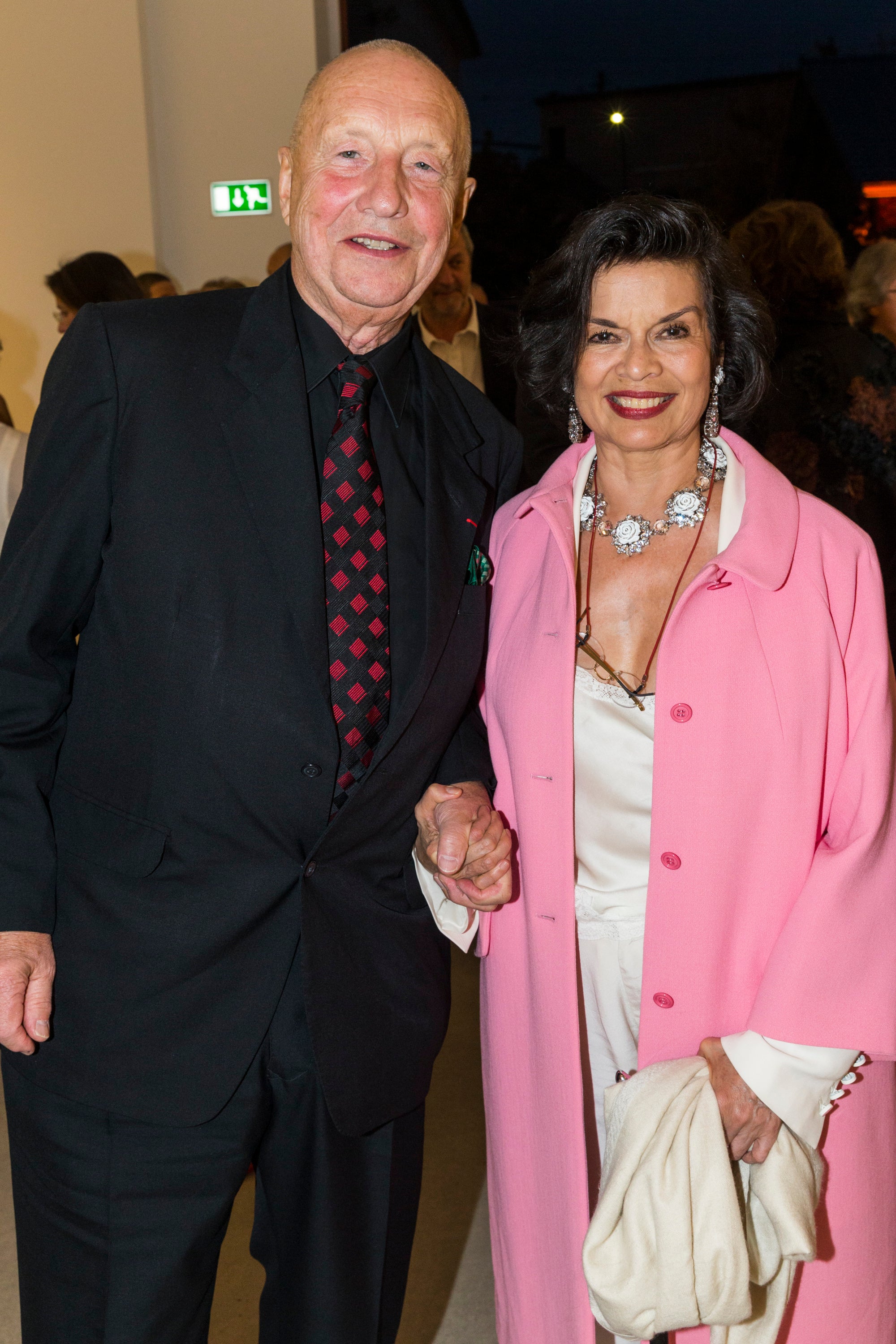
By contrast, Baselitz was a beautiful, monumental contradiction. The public and the critics saw a fierce, uncompromised rebel. He was the pioneering post-war neo-expressionist who confronted historical trauma, turning figurative art quite literally on its head to force us to look at the raw reality of a broken world. By painting his subjects upside down, he stripped his painting of a conventional narrative, leaving behind nothing but visceral, expressive energy. In an interview, Georg described his younger self to me as “a bullheaded, unruly, and awkward guy who rejected everything because he was born into a destroyed world and did not wish to re-establish an artificial order.”
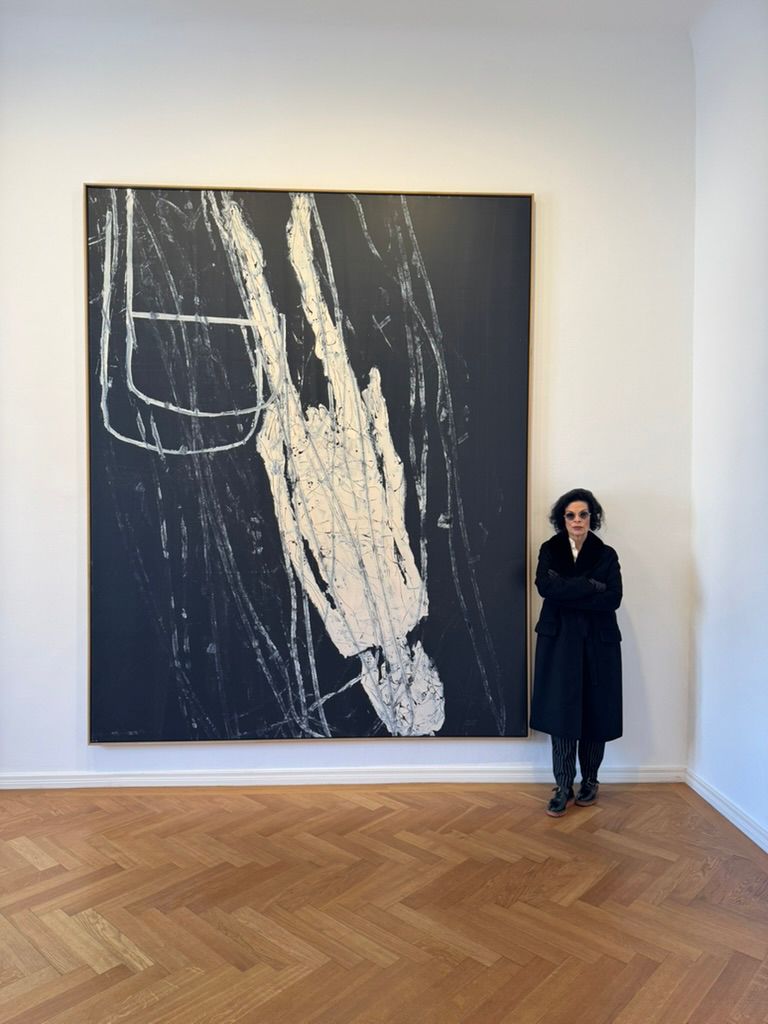
Yet beneath that heavy, subversive exterior was a man of deep clarity, immense warmth, and sharp-witted charm. Standing alongside him in front of his massive canvases was always a revelation; his artistic drive was an unstoppable force. Looking back at the photographs taken throughout our long friendship, I am reminded of the incredible scale of his genius. Whether capturing quiet moments of shared conversation, or standing proud in front of his towering paintings and raw textured sculptures, his presence was always commanding. He challenged everyone around him to think deeper, to reject complacency, and to face the uncomfortable truths of our time.
That truth was brought home to me recently at the Grosses Festspielhaus in Salzburg, where I stood deeply moved before a sculpture Georg had created during the very final days of his life. Even as his physical strength waned, his creative impulse remained completely unchecked. To see such a powerful piece, born from the final embers of his life, was a heartbreaking reminder of his unyielding spirit; he left us with one final masterpiece that perfectly encapsulated his lifelong defiance.
 open image in gallery
The departure of these three extraordinary visionaries marks the end of an era. They leave behind a society one shade darker, but the light they created will refuse to go out. Through the frames of their timeless masterpieces, the quiet resilience of their final works, and the personal photographs of shared lives, their presence remains indelible. This collection of memories serves as my final tribute to the masters who reshaped the world, and the dear friends who shaped my life. Rest in peace.
Bianca Jagger is the founder, president and chief executive of the Bianca Jagger Human Rights Foundation. She is also a Council of Europe goodwill ambassador, and member of the Executive Director’s Leadership Council of Amnesty International USA