


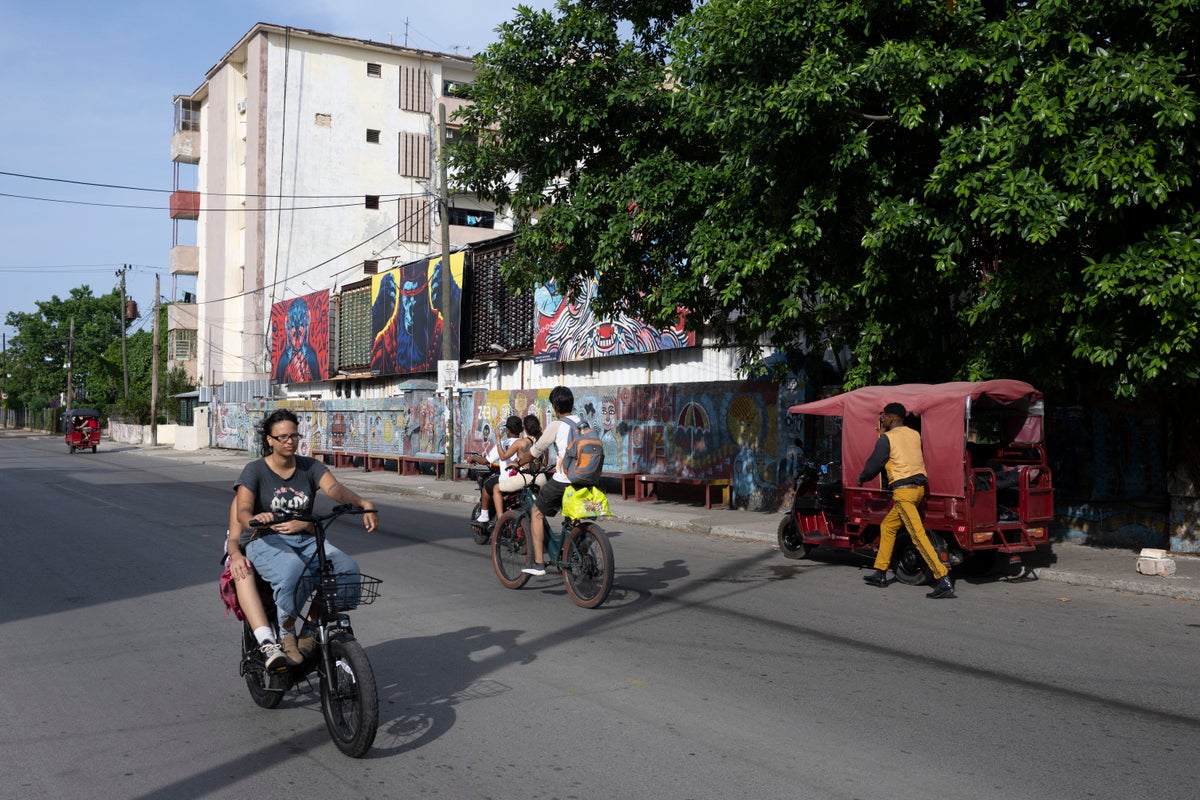
The U.S. government has imposed fresh sanctions on Cuban state companies, a move analysts predict will deter foreign investment and exacerbate the island nation’s severe economic challenges.
The measures, announced Tuesday, target five Cuban entities, including three with ties to Grupo de Administración Empresarial S.A. (GAESA), a business conglomerate overseen by Cuba’s Revolutionary Armed Forces. GAESA, which is estimated to control nearly 40 percent of Cuba’s gross domestic product, held $14.5 billion in liquid reserves as of early 2024.
U.S. Secretary of State Marco Rubio, whose parents are Cuban immigrants, stated on X that “The situation in Cuba is devolving as the island’s corrupt, brutal and anti-American Communist regime continues to prioritize its own total control over the freedom, opportunity and basic well-being of the Cuban people.”
Rubio accused “regime elites” of leveraging GAESA to “steal the island’s few resources, diverting them for repression, anti-American subversion and spying instead of schools, power plants, and basic necessities for the Cuban people.”
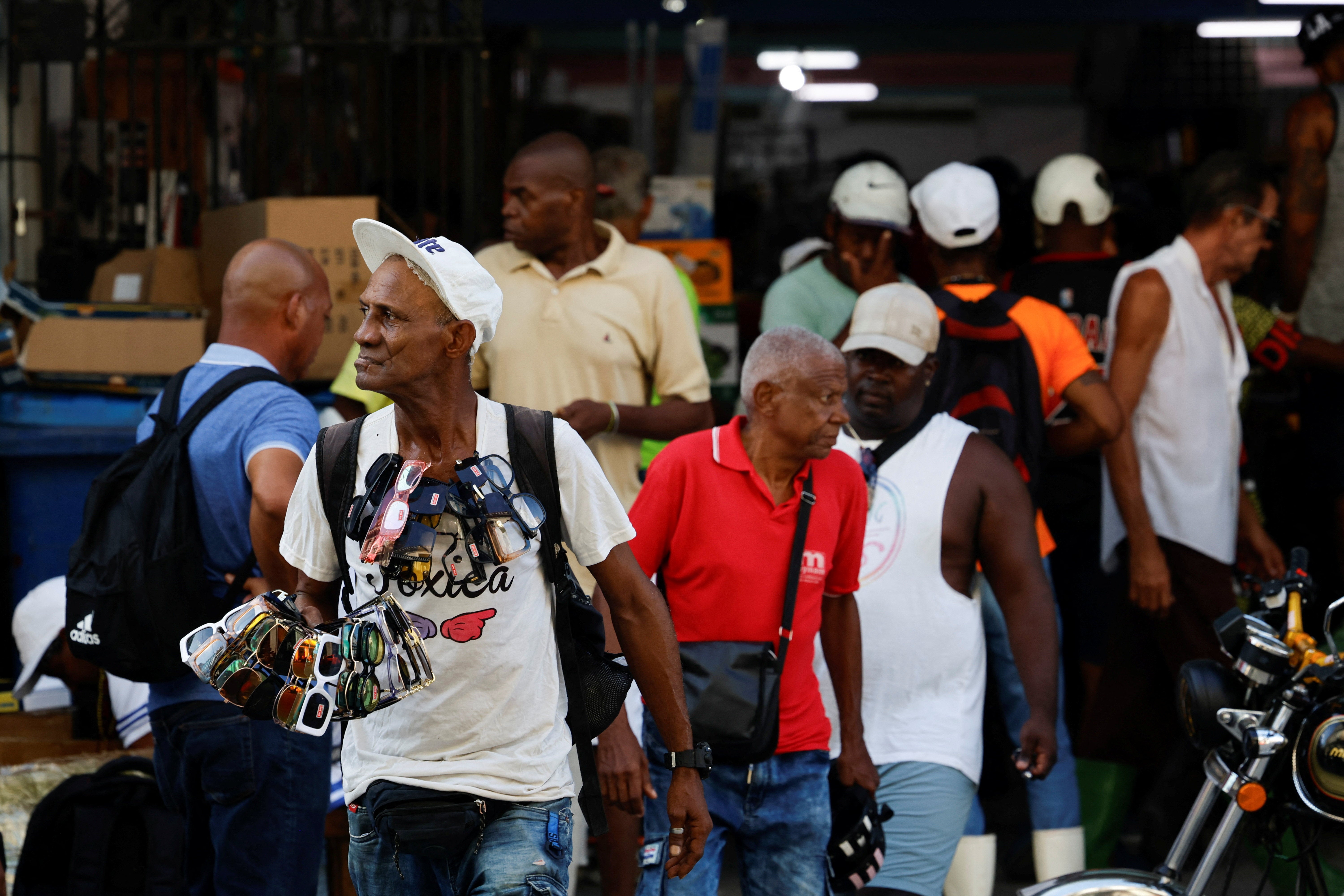
Bruno Rodríguez, Cuba’s foreign affairs minister, rejected the sanctions, calling Rubio “dishonest and mendacious.”
“Cuba has proven stronger, more capable, and more effective than he anticipated in the face of the ruthless aggression and collective punishment inflicted upon its people and their living conditions,” he wrote on X. “What this individual is promoting from the world’s greatest power is a crime.”
Anyone that provides services to the targeted Cuban entities risks being sanctioned and cut off from the U.S. financial system.
“By designating specific entities, they’re making it clear to foreign investors: ‘If your business in Cuba touches any of these folks, you risk being banned,’” said Michael Bustamante, a professor and chair in Cuban and Cuban-American Studies at the University of Miami.
“For most of these companies, it’s a bridge too far,” he said of the impact of the new sanctions.
The 5 entities sanctioned are key to Cuba’s economy
Almacenes Universales S.A., or AUSA, is among the five entities sanctioned. As the Cuban government’s main logistics and warehousing company, it holds up the island’s export and import system. It’s also the main storage company used by the state, Cuba’s private sector and foreign investor partners, Bustamante said.
Last week, Cuba announced a series of economic reforms, including allowing the private sector to import goods without using the state as an intermediary. But Bustamante said he doesn’t believe that measure is operational yet.
If people or companies avoid doing business with the storage entities, he said, that could disrupt the flow of goods into the country and have humanitarian consequences.
Also sanctioned was Rafin S.A., which Bustamante described as a “very opaque” company that he believes operates as the corporate financial arm within GAESA. He said it’s not a bank but holds capital from the government and GAESA and may be a player in financial deals.
“That would also seemingly throw more cold water on the foreign investors that are already there,” Bustamante said.
The third GAESA-related entity that was sanctioned is Banco Financiero Internacional S.A., a commercial bank that Bustamante said serves as a key institution for foreign investors. “If you don’t have a bank where you can go as a foreign investor, it makes your operations logistically quite difficult, to put it mildly.”
Also sanctioned were Geominera S.A., a state-owned mining company, and Empresa Siderúrgica Jose Martí, which the U.S. described as Cuba’s largest raw steel producer.
The final sanction was slapped against Annalie Lilliam Rueda Cardero, daughter-in-law of former President Raúl Castro.
Sanctions imposed days after sweeping economic reforms
The sanctions are the latest in a recent string that have targeted GAESA itself and Cuban President Miguel Díaz-Canel.
“It’s very, very hard to suss out what’s going on here,” Bustamante said. “Is this setting the table for the great sale of Cuba state assets to the highest bidder or the lowest bidder?…Is this part of the recipe of a hostile takeover?”
The administration of U.S. President Donald Trump keeps pressuring for a change in Cuba’s political and economic model, accusing the island of representing a threat to the U.S. because of its ties to U.S. adversaries. The Cuban government has repeatedly denied it’s a threat.
Meanwhile, Cuba unveiled economic reforms last week that Bustamante described as “potentially the most significant liberalization of the Cuban economy in 60 years,” though he said questions and doubts remain.
On Tuesday, a U.S. State Department spokesperson said the reforms “are modest, long overdue and ultimately superficial smoke signals from the Cuban regime. This is part of the dictatorship’s handbook: announce a cycle of supposed reforms to insinuate a desire for change, then quickly roll back any changes the moment the regime’s total control is at all threatened.”
Cuba is already struggling with severe blackouts, food and water shortages and a crumbling healthcare system stemming in part from a U.S. energy blockade. In late January, Trump threatened tariffs against any country that sells or provides oil to the island, which depended heavily on oil shipments from Venezuela that were halted after the U.S. attacked the South American country.