


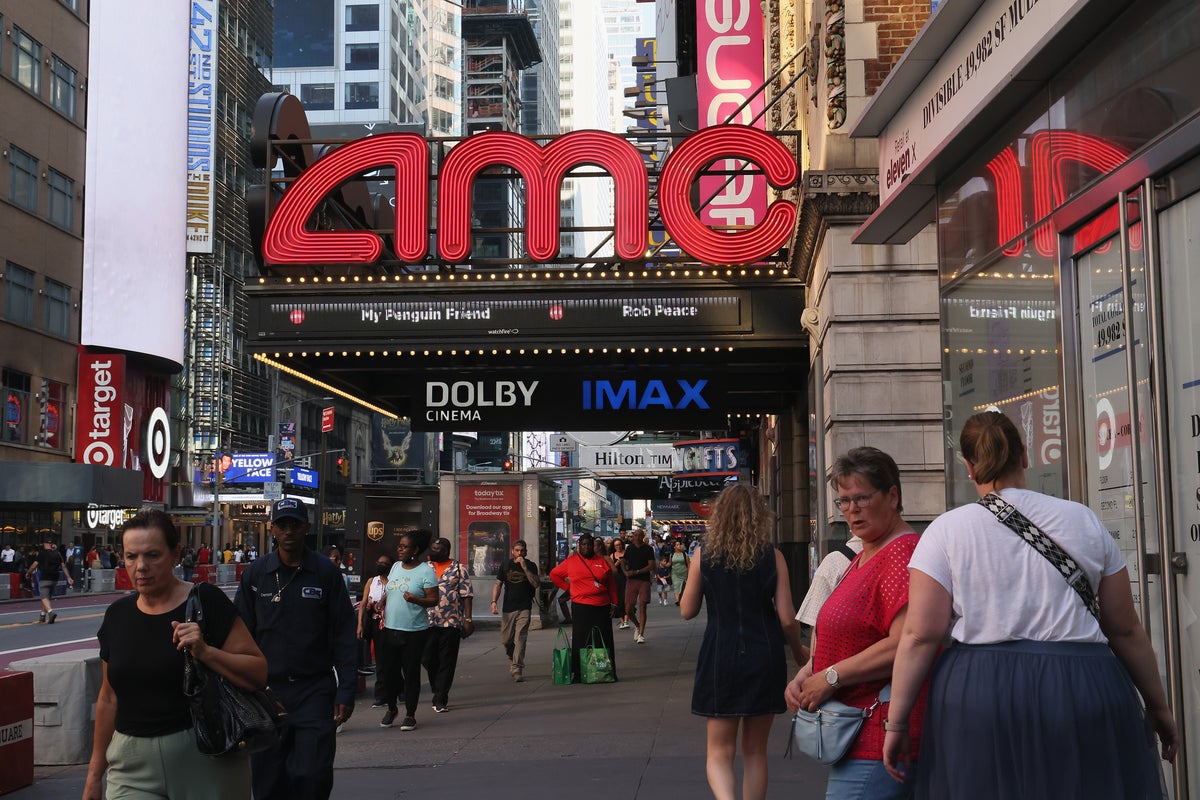
The U.S. box office recently celebrated its biggest opening weekend in history, propelled by the blockbuster success of Spider-Man: Brand New Day and The Odyssey.
This impressive revenue surge masks a more complex reality: the industry’s rebound is increasingly driven by higher ticket prices, premium-format screenings and a select few mega-releases, rather than a broad return of moviegoers. Despite domestic box office revenue tracking for its best year since the pandemic, actual film audiences have significantly shrunk.
Through the first 30 weeks of 2026, theaters sold an estimated 470.9 million tickets, a stark contrast to the 747.3 million sold during the same period in 2019, according to S&P Global Market Intelligence. Foot traffic data from research firm Placer.ai reinforces this trend, showing U.S. theater attendance up 8.1% this year compared to 2025, but still down 27% against 2019 levels.
Wade Holden, an analyst at S&P Global Market Intelligence, noted, “Revenue growth for exhibitors for a long while now has been mostly driven by increases in average ticket price along with increases in concession prices.”
A stronger and more varied slate of films, including non-franchise successes like Obsession and Project Hail Mary, has helped drive box office growth this year. Domestic box office revenue reached $6.2 billion through August 2, up 15% from the same period last year, according to media analytics firm Rentrak. In 2019, box office sales topped $7 billion at this point in the year.

Unlike recent years, when the domestic box office was dominated almost entirely by sequels and popular franchises like Marvel and Star Wars, this year’s biggest earners include a larger share of original or standalone films, suggesting audiences are responding to a broader range of theatrical releases.
“This year’s success at the box office speaks to a well-rounded release calendar that features a bit of everything and appeals to a wide spectrum of moviegoers,” said Shawn Robbins, director of movie analytics for ticket seller Fandango and the founder and owner of Box Office Theory.
The high-profile summer releases of Spider-Man and filmmaker Christopher Nolan’s re-imagining of Homer’s epic, which has sold out higher-priced IMAX venues, are giving exhibitors some of their best results since the pandemic. COVID-19 accelerated a shift that was already underway as streaming services gave consumers more home viewing options.

Watch Apple TV+ free for 7 day
New subscribers only. £9.99/mo. after free trial. Plan auto-renews until cancelled.
ADVERTISEMENT. If you sign up to this service we will earn commission. This revenue helps to fund journalism across The Independent.
Many audiences now reserve theater visits for major event films and franchise releases. Theater chains responded by expanding premium large-format screens and upgrading the in-theater experience, betting that consumers will pay more for outings that cannot easily be replicated in front of a television.
Early signs are encouraging. AMC Entertainment, the world’s largest cinema chain, said strong demand for premium screens helped it post its highest single-weekend revenue in its 106-year history and biggest-attended weekend of the decade. More than 10.2 million moviegoers visited its AMC and Odeon theaters, it said.
Even though inflation has partly weighed on the consumer appetite for the movies, higher prices have benefited a handful of major studios, with Universal, Walt Disney, Sony, Warner Bros, and Paramount Pictures, accounting for 68% of domestic receipts this year, according to an analysis of data provided by Rentrak.
Hollywood concentration has prompted concern from regulators. California, along with 11 other states, sued Paramount Skydance to block it from acquiring rival Warner Bros Discovery in a $110 billion deal. A combined Paramount and Warner would have made up nearly 11% of the domestic box office through this past weekend, according to Rentrak.
The success of titles such as The Odyssey and The Super Mario Galaxy Movie, distributed by Comcast’s Universal helped lift its market share to 24%, underscoring how a small number of blockbuster releases are increasingly driving exhibitors’ financial performance.
According to EntTelligence, the average adult ticket price was $13.46 through July 30 this year, while admissions for premium formats such as IMAX averaged $18.22.